
A Simple Hot Tub Maintenance Routine for New Owners

HOT TUB MAINTENANCE
Owning an outdoor hot tub means keeping up with recurring care, but a dependable routine is not a universal daily or weekly checklist. Tasks, products, order, and timing depend on the instructions for the exact model and the water-care products in use. This overview shows how to turn those directions into a manageable schedule, keep records you can interpret later, notice changes, and compare documented upkeep before buying—without guessing at intervals.
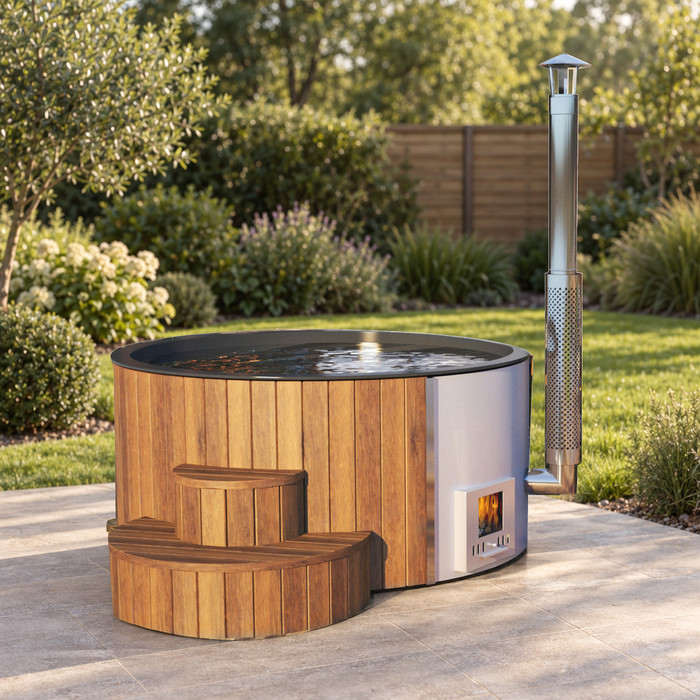
Use the exact-model manual to set the routine
Before setting reminders, find the owner's manual for the exact make and model, plus any separate instructions for the water-care system and treatment products you plan to use. Confirm that each document matches the model identification on your paperwork or product label; a guide for a similar hot tub may describe different surfaces, controls, or owner tasks. Use the manual and product labels to identify owner-permitted tasks, compatible products, allowed cleaning, testing directions, and where to find service guidance. Keep the current instructions accessible rather than relying on memory or a page saved for another model.
Save the documents together in a household folder or clearly named digital folder. Make a brief index with each task, its trigger or interval as written, the manual section to consult, any required supplies, and the response the instructions give for a warning or result outside their stated range. Separate a direct instruction from a question you still need answered; an empty interval field should not look like a task with no deadline. Note which document each entry comes from so you can find the full directions without searching the entire folder. If a detail is absent or directions seem inconsistent, contact the manufacturer or product maker before improvising. When assessing a listing such as Bloomcabin Hot Tub Cove 2, ask for the matching care documents. Keep any clarification with the relevant instructions rather than leaving it in a separate email thread.
Separate use-based, recurring, and occasional tasks
Sort tasks by what makes them due. Use-based tasks are tied by the instructions to use or another stated event; recurring tasks have a specified interval; occasional tasks are less frequent items the manual names. These categories organize the work, but they do not set its timing. Do not assume that a water-care step is due after every soak or on a weekly rhythm unless the applicable instructions say so. Copy the actual trigger and interval, including any condition that changes when the task is due.
Keep the categories distinct on your checklist: use-based actions in one place, calendar reminders for recurring tasks, and a separate record for occasional maintenance. For each entry, note the trigger, interval, supplies, and a way to mark completion. Follow a stated sequence where the manual gives one; do not invent an order for technical tasks. A task can have more than one documented trigger, so preserve any conditions instead of shortening the entry to a calendar date alone. If the instructions distinguish between different patterns of use, keep those distinctions visible on the checklist. When comparing Bloomcabin Hot Tub Haven 6, request its own care schedule and put only documented tasks into the comparison. This organization should help you see what is due because of use, what is due by date, and what needs a separate reminder without changing the underlying requirements.
Checks before and after hot tub use
Include any user-facing checks the manual specifies before use, and keep them to the accessible items it identifies. A quick observation may include visible exterior conditions or a control message, but it is not an invitation to remove panels or inspect internal components. If the manual explains what a normal indicator or condition looks like, use that description rather than comparing the tub with another model or relying on an online guess.
After use, follow only the tasks the instructions tie to that event; do not assume that each soak calls for a particular treatment or dose. If you notice an unusual display, sound, or visible change, record what happened and when, then consult the model's guidance. Describe the observation in plain terms: the exact display text is more useful than a note that says something seemed wrong. Keep an observation separate from a completed task, too. Seeing a message does not mean the response to it has been carried out. For a listing such as Bloomcabin Hot Tub Fjord 8, ask which observations the exact-model manual assigns to the owner and which concerns call for service. That distinction helps you build a short, usable checklist rather than an open-ended inspection routine.
Follow the model's water-testing and treatment directions
Use the hot tub's instructions and the treatment product's label together to establish what to test, which method to use, how often to test, and what results require action. Follow those sources for any stated ranges, product compatibility, dose, sequence, and directions about when the water is ready for use. Do not transfer values or schedules from another model, treatment system, or generic chart. If the manual points to separate water-care instructions, locate them before relying on a routine.
Record a result and the action taken so you can refer back to what actually happened. Use products only as their labels direct, and do not substitute, combine, or add extra product based on a guess. Follow the products' handling and storage cautions. If directions appear to conflict or compatibility is unclear, ask the relevant manufacturers before proceeding. When reviewing Bloomcabin Hot Tub Aurora 10, request its exact-model water-care guidance; the listing name alone does not establish testing or treatment requirements.

Keep a water-care log with useful context
Make the log a factual record rather than a simple good-or-bad judgment. For each test, write the date and time, the method used, and the readings with their units. If you treated the water, note the product name, the amount used according to its label, and when you used it. Add the task that prompted the entry, if applicable. Keeping the result and action together makes it easier to see what instructions you followed without trying to reconstruct the sequence from memory.
Add context only when it helps explain a change, such as a different pattern of use, a task that was due, or an unusual observation. If a task was missed, record that plainly instead of entering an assumed result or silently changing the date. Use the manual's directions to interpret the entries; the log itself does not set acceptable values or replace action required by the instructions. Give separate entries to separate events rather than combining several tests or actions into one summary from memory. A blank reading should remain blank if no test was performed. If you correct an entry later, make the correction clear so another reader can follow the record. A shared paper or digital log also helps household members and service professionals understand what has already been done. Aim for a record someone else can understand without needing you to explain every abbreviation.
Check cleaner compatibility before cleaning
For each cleaning task, check both the surface or component involved and the product or method the manual permits. The shell, cover, exterior, controls, and any removable parts may have different instructions, so do not assume that a cleaner suitable for one area works on another. A product advertised for bathrooms or tubs is not automatically compatible with a hot tub. Before using it, look for model-specific cleaning guidance and any stated limits on products, tools, or removal of parts.
Do not remove panels or components unless the owner instructions explicitly allow that task, and do not experiment when the manual does not address a cleaner or surface. Ask the manufacturer for clarification, then add the confirmed task and interval to your list. When reviewing the cleaning requirements for Bloomcabin Hot Tub Cove 2, organize your questions by the areas the manual identifies rather than treating cleaning as one interchangeable job. Your care sheet can pair each named area with the permitted product or method and the instruction location. Keep unresolved questions separate from confirmed choices so nobody mistakes a possible cleaner for an approved one. If different household members handle cleaning, this record gives them the same reference. It also makes a shopping list more precise: record the product specified in the instructions, not just a broad description such as tub cleaner.
Record equipment changes and service needs
Routine equipment checks should stay within the observations and owner tasks described by the manual. If a control displays a message, copy it exactly; if operation sounds or looks different, note what you observed and when. Include relevant context, such as a recent task, without claiming that it caused the change. This gives you a clear account to compare with the manufacturer's guidance and avoids treating a guess from another hot tub as a diagnosis.
Follow the model's response instructions for alerts or concerns. If they do not explain what to do, contact the manufacturer or a qualified service professional and share the model identification and your notes. Do not open service areas or attempt internal repairs unless the manufacturer expressly identifies a task as owner-permitted. On the checklist, distinguish ordinary observations from work that requires service, so a reminder to inspect something is not mistaken for permission to repair it. Keep a service question open in the record until you have received a response, and note the guidance given alongside the original observation. Record any owner action or service visit separately. This preserves the difference between noticing a concern, requesting help, and completing the recommended response without turning your maintenance log into a diagnosis.
Turn documented intervals into reminders
Set reminders only after you have copied tasks and timing from the applicable instructions. A use-based reminder should name the event that triggers it; a calendar reminder should show the interval the manual gives; an occasional task should point to its source and due condition. Include the task name, the manual section, any required supplies, and a completion box. A vague reminder such as check the spa is less useful than one that states exactly what the manufacturer says to check.
Use one calendar or paper checklist that everyone responsible can find, and avoid duplicate alerts that make it harder to tell what is due. Mark tasks complete only after doing them. If a task is late, consult the instructions for how to handle it instead of automatically shifting every future reminder. Revisit the list if the care products or instructions change. Keep the completion date separate from the reminder date so dismissing an alert does not create a false record of work done. Where the instructions tie the next due date to completion, retain the date needed to follow that rule; where they specify another basis, preserve it. Before buying, review the maintenance schedule for Bloomcabin Hot Tub Haven 6 using the same approach. Look at how its documented reminders would fit into your calendar, including tasks that might otherwise be easy to overlook because they occur less often.
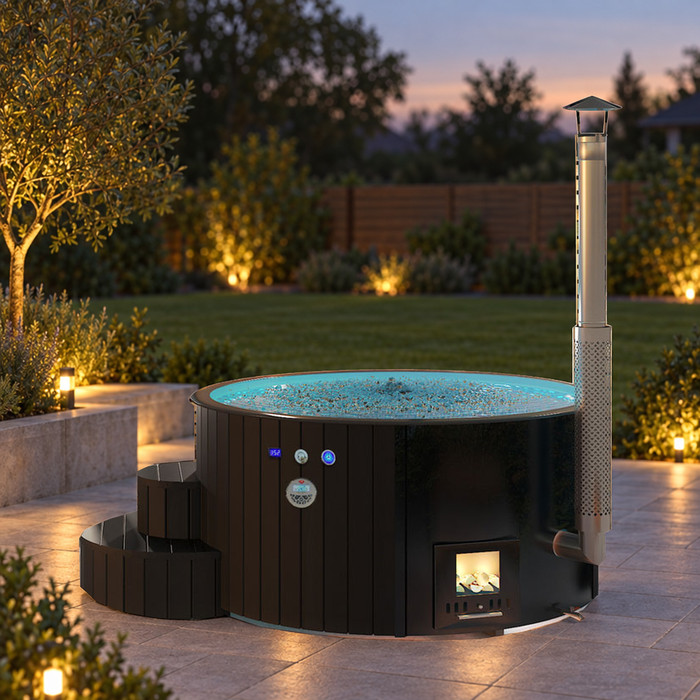
Compare maintenance requirements before buying
Ask for the current manual and water-care instructions for each exact model you are considering. Compare the documented tasks, triggers, intervals, cleaning guidance, and which activities are identified as owner-permitted or service work. Check whether the instructions name compatible products and explain what to do when a result or control message needs attention. If an important item is missing, ask where the applicable guidance can be found rather than assuming that another model's manual applies.
Then consider what the documented routine would ask of you: how often tasks come due, how many reminders you would need, and whether the instructions give a reliable estimate of time or required help. Leave unknowns marked as unknown rather than turning them into optimistic estimates. A useful comparison sheet gives each model the same fields, with space for the instruction reference and unanswered questions. Separate the frequency of a task from the effort involved; a task count alone does not describe how the routine fits your household. When considering ownership and upkeep for Bloomcabin Hot Tub Aurora 10, use that sheet to identify questions about your available time and preferences. Do not infer easier care from a product name, a number in the name, or a photograph. The purpose is to compare documented obligations consistently, not to rank models by assumptions or by how short their checklists appear.
Fit the routine to your household
A written routine is easier to keep when responsibility is clear. Decide who checks the reminders, who completes each owner-permitted task, and who updates the log. If more than one person uses the hot tub, make the instructions and record easy to find so a task is not repeated or assumed complete. For tasks that require products, keep the relevant labels with the care information and make sure the person doing the work knows where to find the manufacturer's directions.
Choose a format you will actually use, but keep the manufacturer's requirements unchanged: a paper checklist, shared calendar, or simple digital log can all organize the same documented tasks. Agree on where completion is recorded so a calendar alert, a paper note, and a text message do not become competing versions of the routine. If responsibilities change, hand over the current due items and unresolved questions along with the instructions. For a repeated task that does not fit your household's availability or comfort level, clarify what support the instructions recommend before deciding how to manage it. Apply that practical test when considering the care routine for Bloomcabin Hot Tub Fjord 8 as well. The useful question is whether you can consistently carry out its documented requirements with clear responsibility and a workable record, rather than whether you prefer a particular checklist format.
Frequently asked questions
How often should I test hot tub water?
Use the testing interval and method specified for your exact hot tub and water-care products. There is no schedule in this overview that replaces those directions. If the instructions do not give a clear interval, ask the manufacturer or product maker rather than borrowing one from a different model.
Can I use a weekly checklist I found online?
Use a general checklist only to remind you of care categories, not to set product compatibility, steps, or timing. Keep tasks that match your manual, then replace generic intervals with the exact triggers and frequencies in the applicable instructions.
What should I put in a hot tub care log?
Record the date and time, testing method, readings with units, any treatment product and amount used as directed, and the task completed. Note relevant changes in use or anything unusual you observed, so you or a service professional can understand the context later.
Can I clean the hot tub with ordinary household products?
Do not assume a household cleaner is compatible with the tub's surfaces or components. Check the exact-model instructions for approved products and methods. If a cleaner or area is not covered, pause and ask the manufacturer before trying it.
What should I do if the manual is unclear or a control displays an alert?
Note the exact message or concern and follow the model's response instructions. If they do not address it, contact the manufacturer or a qualified service professional rather than guessing at the cause or attempting internal repairs.
A manageable hot tub maintenance routine has a clear source for every task, a reminder tied to the manufacturer's interval, and a log that records what actually happened. Use observations to spot changes, not to diagnose them, and rely on product labels for treatment and cleaning directions. When instructions leave a gap, getting a model-specific answer is more useful than adding another generic checklist.
