
Argon vs Krypton in Insulating Glass: What Is the Difference?

Window and door buying guide
The gas between glass panes matters, but it is rarely the first decision in a window or patio-door project. Start with how each opening must work: a fixed picture window, a casement for daily ventilation, a roof window, or a large sliding door. Then define the project scope, from replacing one drafty opening to coordinating every window and door in a renovation. Argon and krypton are both inert gas-fill options used in sealed insulating glass units. Their difference becomes meaningful only alongside pane spacing, glass coatings, frame, spacer, size, orientation, and the performance target for the whole assembled product. This guide helps you ask a supplier for a comparison that fits the actual opening rather than selecting a gas by name alone.

01 / Define the opening
Begin with the opening, not the gas-fill label
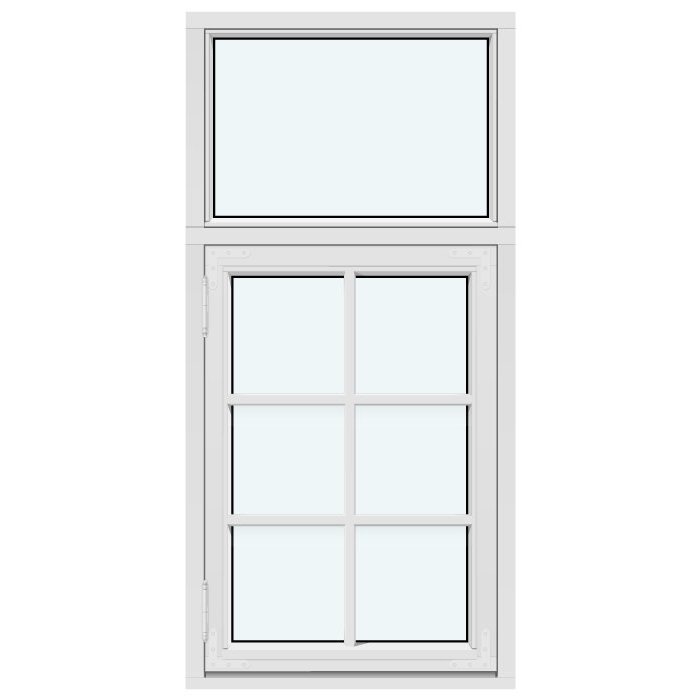
A useful comparison starts by listing every opening according to its job. A fixed window can prioritize view, daylight, proportions, and a broad uninterrupted glass area. A single-sash outward-opening casement window, for example, must also suit ventilation habits, handle access, furniture placement, cleaning, and the direction in which the sash moves. A patio door adds traffic flow, threshold expectations, and the weight of a large moving panel. Gas fill belongs inside the insulating glass unit; it does not alter whether an opening operation is practical for the room. Establish that operation first, then ask which glazing packages are available for the selected product and dimensions.
For example, a room with a wide non-opening focal point and smaller ventilating units calls for separate discussions, even if the exterior color and sightlines are coordinated. A fixed window may be the right starting point for the central view, while nearby operable units answer the ventilation need. Do not assume that a gas choice offered for one size or glass arrangement automatically applies to another. Ask for the exact configuration proposed for each opening, including whether the quote identifies the gas fill. That approach prevents a broad “argon versus krypton” question from hiding important differences in use and design.
What gas fill does inside insulating glass
An insulating glass unit is a sealed assembly of two or more panes separated by a cavity. The cavity may contain air or an inert gas such as argon or krypton. Gas fill is intended to influence heat transfer through the center portion of the glass, but it works as one part of a system. Heat also travels through glass, across edges, and through the surrounding frame; sunlight and room lighting are affected by the glass selection as well. A gas name therefore cannot tell you on its own how a completed window will feel near the glass or how it will perform as an assembly.
Argon and krypton are not interchangeable marketing tiers that can be ranked without context. Their behavior depends on the cavity they occupy and on the rest of the glazing design. A proposal that simply states “krypton-filled” leaves unanswered questions: How many panes are included? What is the intended cavity arrangement? Are the glass types and coatings the same in the comparison? Is the stated result for the center of glass or the entire unit? Ask the supplier to frame the answer around the completed product you are buying, not a loose description of one component.
02 / Choose the operation
Why cavity spacing changes the conversation
The space between panes is central to the argon-versus-krypton decision. Glazing cannot be evaluated by assuming that the widest possible cavity is always best, or that one gas produces the same result at every spacing. The pane count, cavity dimensions, glass thicknesses, coatings, and spacer construction are designed together. Krypton is often discussed when a design uses relatively narrow cavities, whereas argon is often considered where the selected insulating glass construction accommodates it well. Those are design tendencies, not a substitute for a configuration-specific comparison.
This matters when an existing opening limits overall glass thickness, when a slender profile is being considered, or when the visual intent calls for particular proportions. Instead of asking for “the best gas,” provide the maximum glazing thickness if one exists and ask what complete glass options fit the chosen window or door. Request two comparable proposals only if both are genuinely available: same opening size, same operation, same glass coatings, and the same frame family. If the build-ups differ, have the supplier identify every difference before you attribute a result to argon or krypton.
Compare whole-window results, not center-glass claims
Center-of-glass information can be useful for understanding a pane package, but the glass occupies only part of the opening. The frame, edge region, seals, sash construction, and installation interface also affect the completed result. A large fixed pane and a small operable sash may place different emphasis on those elements. When comparing options, ask what measurement or rating is being cited and whether it represents the glass unit, the product as a whole, or another defined test condition. For renovation budgeting, compare units at the sizes actually required rather than extrapolating from a sample window. Put the whole-product result, glass description, and test basis in adjacent quote columns so the team can see whether two figures describe equivalent assemblies.
A whole-product comparison is especially important for a super-low-Uw outward-opening passive house window, where the product title identifies a particular window configuration but does not establish the glass package proposed for your order. Discuss the available glazing, frame, opening size, and intended installation as one selection. If krypton is quoted as an alternative, ask what it changes in the complete offered assembly and whether the comparison holds every other element constant. This keeps the decision focused on the outcome that matters in the wall, rather than on a center-pane component alone.
03 / Compare glass assemblies
Separate thermal priorities from daylight and appearance
Glass selection involves more than unwanted heat transfer. Depending on the glazing design, changes can affect visible appearance, reflected light, daylight entering the room, and solar behavior. A homeowner who is refining a bright west-facing living space may have a different priority from one planning a shaded stairwell or a room with carefully selected artwork. Gas fill itself is not a stand-alone answer to those priorities. The relevant conversation is about the complete glass specification and what the manufacturer provides for that specific configuration.
Ask to see or receive a plain-language summary of the proposed glazing rather than reducing the discussion to a gas. Identify the room, orientation, shading from overhangs or nearby buildings, and whether maintaining a clear visual connection is more important than reducing glare or solar gain. If decorative bars are part of the design, clarify whether they are decorative bars applied to the glass or glass-dividing bars, because those choices also change the visual construction. A disciplined brief gives the supplier enough context to recommend a coherent glass package, with argon or krypton as a supporting choice.
Use large doors as a separate specification exercise
Large glazed doors magnify practical choices. The opening method determines furniture clearances, circulation, screen planning, and how the family uses the threshold day to day. Panel size, glass area, and exposure can make a door feel like a very different project from a nearby window, even when exterior finishes match. Map the door on a simple floor plan before reviewing glass options. Mark the moving panel, handle side, likely furniture zones, and exterior landing or deck route. This catches an operation conflict early and prevents a glazing preference from steering the project toward a door arrangement that would be awkward in daily use.
For a Patio Life sliding patio door, ask for the glass specification tied to the selected size and sliding arrangement. Confirm which panel or panels move, where the primary traffic path will be, and whether the proposed glass option is offered for that exact unit. Then ask whether an argon-filled and a krypton-filled alternative can be compared on the same basis. A supplier may have one sensible package rather than two direct alternatives. That is useful information, not a reason to force a comparison. The goal is a door that works well first, with glazing selected as part of the complete assembly.
04 / Confirm the order schedule
Account for shape, size, and sightline constraints
Unusual shapes often narrow the range of viable glass constructions. A round, half-round, or triangular and angled fixed window may be chosen to preserve an architectural feature, frame a view, or bring light into a high wall. Treat each special shape as a separately engineered quote item and avoid assuming that a rectangular window’s gas-fill choice applies unchanged. Note which dimensions control the design, including overall width and height, radius or peak location, and alignment with adjacent trim. Ask which field measurements, drawings, or templates are needed before approval. A small misunderstanding can alter symmetry or alignment even when the proposed glazing package is otherwise suitable.
A round fixed window illustrates why visual decisions and thermal discussions must stay connected. Its circular form may be the defining reason for choosing it, so changing the design merely to pursue a gas option can be counterproductive. Ask what glazing configurations are available in the intended diameter, what appearance differences you should expect, and whether the proposed option is part of the complete round-window offering. Also confirm the interior and exterior view: special windows are frequently visible from multiple rooms or elevations, and sightlines can be as important to satisfaction as the gas within the sealed unit.
Consider roof glazing on its own terms
Roof windows operate under conditions different from vertical windows. Their location affects access, cleaning, ventilation strategy, daylight distribution, and the way occupants experience sun and sky. A glazing choice for a roof opening should be discussed with those conditions in mind rather than copied from a wall window schedule. Gas fill can be part of the insulated unit, but it cannot answer questions about reach, control, room use, or the planned flashing and roof integration. Coordinate the roof-window choice with the project professional responsible for the roof and building-envelope details.
When considering a pivoting roof window, first decide whether its pivoting operation suits the room, its ceiling height, and daily use. Then ask which complete glazing choices are offered for the specified unit and size, and what documentation describes them. If you are comparing another option with different panes or coatings, request that it be written as a distinct build-up. That record helps avoid confusion during ordering, when “upgraded glass” could otherwise mean different things to different people. It also keeps the gas discussion within the larger decisions that make a roof-window project successful.
05 / Coordinate the project
Read quotes for configuration clarity and future reference
A strong quote is specific enough to be checked before an order is confirmed. For each opening, it should distinguish product type, operation, dimensions, frame and color selection, glass arrangement, decorative-bar choice if applicable, and any stated gas fill. It should also state what is included and what requires separate coordination. Avoid relying on a showroom discussion or a line item that says only “energy glass.” If you later compare proposals, ambiguous labels make it impossible to tell whether the difference is argon versus krypton, a coating, pane count, frame construction, or a different product altogether.
A combination window is a good reason to request an opening-by-opening schedule. A combination design may include fixed and operable areas, and each section should be identified clearly. Ask whether the same glass package applies throughout, whether any portion has a different construction, and how the supplied documentation names the gas fill. Keep the approved schedule with the order documents. It becomes a practical reference for the installer and for any future replacement, remodeling, or warranty conversation. Bloomcabin provides a 5-year warranty for windows and doors; preserve the final order details rather than assuming a general product description captures every selected option.
Make the decision without treating krypton as automatic
Choose based on the performance objective and physical constraints of the complete opening. Argon may be a sensible fit when the offered insulating-glass construction is designed around it. Krypton may warrant consideration when the available design calls for narrower cavities or when the project team presents a complete alternative that meets a defined goal. Either option can be the wrong focus if the opening operation, size, glazing layout, or frame selection has not been settled. The right question is not which gas is universally superior, but which documented configuration best serves this particular room and opening.
Before approval, ask for the final product schedule, a clear comparison of any alternatives, and the reason the recommended glass construction suits each opening. Confirm that the gas-fill notation is part of the selected configuration, not an assumption carried from an initial conversation. Review delivery timing while the schedule is still adjustable: Bloomcabin delivery is 4–6 weeks, subject to order confirmation. If project compliance questions arise, such as local requirements or site-specific exposure, have the appropriate qualified professional review the applicable project conditions. This restrained process gives argon and krypton their proper place: useful details within a fully coordinated window or door decision.
Frequently asked questions
Is krypton always better than argon for insulating glass?
No. Krypton is not an automatic upgrade independent of the glass design. Its relevance depends on cavity spacing, pane arrangement, coatings, product dimensions, and the whole-window objective. Ask for a like-for-like comparison of complete assemblies. If the alternatives change more than gas fill, request that each difference be identified.
Can I choose argon or krypton after I choose my windows?
Sometimes the glazing options are tied to the selected product, size, and glass construction, so the choice should be discussed during specification rather than treated as a late add-on. Provide the opening schedule early. Confirm the final gas fill and glazing build-up in the order documentation before approval.
Does gas fill affect the appearance of a window?
Gas fill should not be evaluated as the main appearance decision. The complete glazing design can influence visible appearance, reflection, daylight, and solar behavior. Frame color, pane divisions, decorative bars, and proportions also matter. Review the entire proposed glass and window configuration instead of drawing a visual conclusion from the gas name alone.
Should every window in a home use the same gas fill?
Not necessarily. Different openings may have different sizes, shapes, operations, and available glass constructions. A large fixed opening, a roof window, and a patio door can need separate evaluation. Consistency may be appropriate when the configurations are alike, but it should be an informed specification decision rather than a blanket assumption.
What should I ask a supplier to put in writing?
Ask for product type, operation, size, glass arrangement, coatings if specified, stated gas fill, frame selection, and decorative-bar details. If comparing alternatives, request the same information for each one and ask what changes. Also retain the final approved schedule, because it is more reliable than a general verbal description of the glazing.
Next steps
Argon and krypton are useful insulating-glass options, but neither replaces careful window and door specification. Start with how the opening works, its size and shape, the room’s priorities, and the complete glass construction available for that product. Then compare documented alternatives on an equal basis, paying attention to what is actually included beyond the gas fill. A clear opening schedule turns a vague upgrade question into an informed buying decision. When the product, glazing, and installation planning are coordinated, the selected gas fill supports the project rather than distracting from it.
