
Blinds Between Double-Pane Glass: Benefits, Limitations and Alternatives

Window and door buying guide
A window-covering decision can go wrong when it begins with color or style rather than how the opening works. A shade that fits a fixed picture window may obstruct an inward-opening sash, while a loose covering at a patio door can get in the way of a busy passage. Blinds between double-pane glass take a different approach: the slats sit inside the glazing rather than projecting into the room. This can leave handles and nearby furniture less crowded while creating a tidy, integrated appearance. It also makes the blind part of a more consequential glass order. Before choosing it, map the project by opening type. Identify where adjustable privacy matters, where glare is the main concern, and where changing the covering later is important. Different rooms may justify different answers.
Buyer checklist 1
Start with the opening, not the blind
Between-the-glass blinds are typically housed within the glazing assembly and operated using a control that raises, lowers, or tilts the slats. Because the blind does not project into the room, it can reduce conflicts with furniture, faucets, and some window hardware. It does not, however, change the direction in which a sash or door moves. Record every handle, lock, screen, sill, and travel path before comparing coverings. On a single-sash inward-opening window, for example, verify the proposed control position and confirm that the complete opening remains comfortable to operate. Do not assume a sample’s hardware arrangement will be identical to the ordered window.
Project scope matters just as much as opening direction. Decide whether enclosed blinds are being considered for one difficult opening, a single room, or every glazed unit on an elevation. A whole-house selection can create visual consistency, but it may impose the same service and styling choice on rooms with very different needs. A bathroom, office, entry, and living room do not necessarily need equal privacy or light control. Create an opening schedule listing room, window or door type, primary concern, viewing direction, and preferred blind position. That simple inventory prevents a convenient solution for one opening from becoming an automatic specification for all of them.
Understand what the protected position changes
The protected position is the most obvious practical benefit. Household dust, cooking residue, pet hair, and casual contact do not land directly on enclosed slats. The accessible glass remains a straightforward surface to wipe, and there are no exposed slats to straighten after cleaning the sill. This can be appealing in kitchens, frequently used patio areas, or compact rooms where an interior blind would sit close to furniture. The visual result is also more integrated because the treatment appears within the opening instead of forming another layer in front of it. Whether that looks calm or utilitarian depends on the room and the surrounding window design.
Protection also limits direct access. You cannot dust one slat, replace a bent piece, exchange the color, or switch from slats to fabric as easily as you could replace a room-side blind. The convenient surface therefore comes with a longer-term design commitment. Ask to operate a representative control rather than judging from a photograph. Test raising, lowering, and tilting from the positions in which the blind will actually be used, including from a chair if relevant. Confirm whether the proposed assembly and control match the sample. Reach, resistance, control location, and the ability to stop the blind where desired all affect everyday satisfaction.
Buyer checklist 2
Separate privacy from daylight control
Privacy is not a single yes-or-no condition. A sidewalk at ground level, a neighboring second-story window, and a brightly lit room after dark create different viewing angles. Tilted slats may interrupt some direct views while preserving daylight, but that does not automatically make every angle private. Photograph or sketch the important sightlines from outside and inside. If only the lower portion of an opening needs screening, compare an enclosed blind with partial room-side treatments or other glass options discussed with the window professional. If privacy is needed continuously, evaluate the closed position under realistic lighting rather than assuming that a tilted position will act like an opaque panel.
Daylight control depends on direction and activity. Low morning sun at a desk may call for a different adjustment than afternoon glare on a television. A circulation space might need no shading but still need evening privacy. Between-the-glass blinds provide a structured, slatted response; they do not create the fabric softness of a sheer or necessarily match the light control of a dedicated room-darkening treatment. Compare raised, tilted, and closed positions in the room whenever possible. For a fixed window, consider the view and daylight especially carefully because opening the sash is not available as another way to change the room’s immediate conditions.
Consider the view and architectural character
When raised, an enclosed blind can leave the room free of curtain stacks, projecting headrails, or visible tiebacks. When lowered, its repeated horizontal lines become part of the view from both sides of the glass. Some owners appreciate that orderly appearance; others prefer the depth, color, and softness of curtains or woven shades. Consider whether the opening is background glazing or an architectural focal point. A round fixed window, for instance, has a shape that may be visually strongest without a conventional rectangular treatment. If privacy still matters, discuss a purpose-designed solution rather than assuming that the same blind used elsewhere will suit the shape.
Decorative bars require a separate visual check. Horizontal blind slats seen behind a grid can produce a busier pattern than either feature creates alone. Without decorative bars, the blind’s horizontal rhythm may become more prominent. Request an elevation, rendering, or representative sample that shows the glass layout and blind together. Use accurate terms during review: decorative bars create a visual pattern, while glass-dividing bars actually divide glazed areas. Also look at the proposed treatment from the exterior. Repeated lowered blinds across aligned windows can influence the whole facade, even when each individual blind appears discreet from inside the room.

Buyer checklist 3
Plan patio doors around movement and traffic
A patio door is a route, not merely a large glazed opening. People use it while carrying dishes, guiding pets, moving furniture, or stepping between bright exterior light and a dimmer room. An enclosed blind avoids the movement of a free-hanging covering in that path, but panel arrangement and control access still need attention. For a sliding patio door, identify the moving panel, stationary panel, handle position, overlap area, and control location. Ask whether each panel receives a blind and how the elevation looks when one blind is raised while another is lowered. Review the entire door rather than approving an isolated glass sample.
Large folding openings create a different decision. With outswing bifold doors, establish how the panels stack, where users grasp the hardware, and what blind position is recommended before operating the doors. Then decide whether independent control by panel is useful or visually distracting. Interior roller shades, drapery on a suitable track, or an exterior shading strategy may be better alternatives when the opening functions as a broad indoor-outdoor transition. A mixed arrangement can also be reasonable: privacy control on the panel facing a neighbor and a clear view through another panel. The goal is natural door operation combined with the level of light control the room actually needs.
Clarify service before committing to the glass
Treat the blind as part of the glazing decision rather than as a hardware-store accessory. Before ordering, ask who handles an operating concern, how the relevant glazed unit is identified, and what information the service contact would need. Keep the final opening schedule, order confirmation, control description, and finish selection together. Ask whether assessment begins with photographs, measurements, or an on-site visit and which party coordinates that process. These questions do not predict a problem; they reveal how different the service path is from replacing a conventional blind. Bloomcabin states a 5-year warranty for windows and doors, so review the written terms for the exact ordered configuration and covered components.
Compare consequences rather than assuming either approach is maintenance-free. A separately mounted blind is exposed to dust, contact, and redecorating decisions, but it can often be removed without changing the glazing. An enclosed blind is protected from direct room contact, yet a control or blind concern may need to be addressed in relation to the glass assembly. That distinction may matter more in a rental, a room expected to change style, or a project with many matching units. Ask the seller to explain the applicable service route in plain language. Do not infer access, replacement method, or component coverage from the product name or a showroom display.
Buyer checklist 4
Match the treatment to the room’s schedule
Evaluate each room by time of day rather than by a general label such as bedroom or office. In a kitchen, easy-to-wipe accessible glass may rank above decorative softness. In a bedroom, nighttime light control and the option to add textiles may matter more. At a home-office desk, a narrow glare angle could be the deciding issue even if the rest of the window can remain open to view. Write down what happens in early morning, midday, evening, and after interior lights are switched on. This schedule turns broad preferences into testable positions for the blind and exposes rooms that need a different treatment.
Entry sidelights condense several concerns into a narrow area: visitors approach close to the glass, daylight may be welcome, and there may be little wall space for a shade. Review a single-panel sidelight together with the entry door rather than as an independent window. Check sightlines toward living areas, the appearance from the porch, control reach, and the relationship between the treatment and door hardware. If a blind would make the entrance look overly segmented, discuss other privacy approaches with the project professional. A treatment that works beside a desk or bed does not automatically produce the right balance of welcome and screening at an entrance.
Compare alternatives by what remains changeable
Venetian blinds, roller shades, cellular shades, shutters, curtains, and exterior shading address different priorities. Roller shades can create a simple visual plane. Curtains add color and softness but need space around handles and moving panels. Shutters have a stronger architectural presence and require careful clearance planning. Exterior shading addresses sunlight outside the room-side glass but brings separate design, exposure, and operating questions. Compare these options by what they let you change later: color, fabric, coverage, layering, repair route, and seasonal use. The useful distinction is not integrated versus old-fashioned; it is a built-in treatment versus one that remains independent of the glazing.
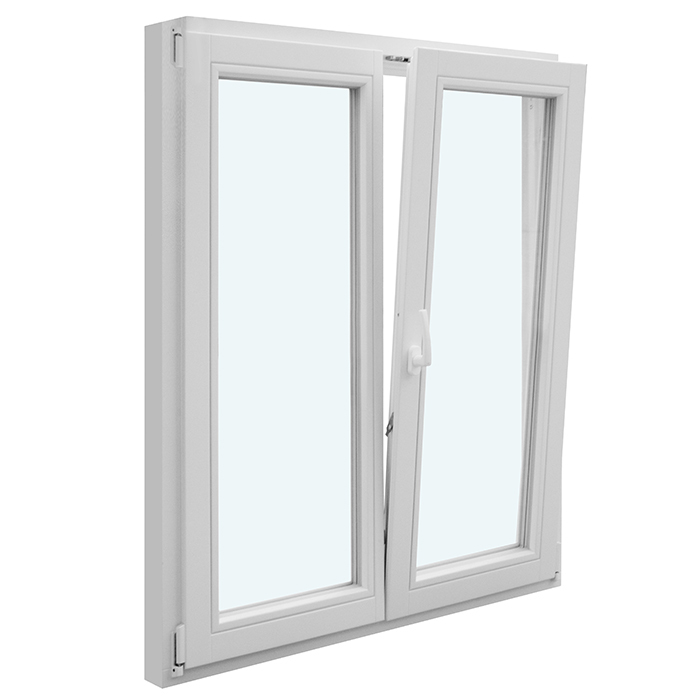
Opening geometry can quickly narrow the list. On a two-sash inward-opening window, a room-side covering must account for both sash swings, the meeting area, handles, and any screen arrangement. Possible alternatives include separate treatments, a shade mounted clear of the full opening, or curtains positioned outside the operating path. Enclosed blinds can simplify room-side clearance, but they do not supply every texture or degree of light control. Build a comparison sheet using clear operation, daytime privacy, nighttime privacy, glare response, open view, cleaning, styling flexibility, and service. Rank those criteria; treating every preference as equally important usually obscures the better choice.
Buyer checklist 5
Write a complete specification
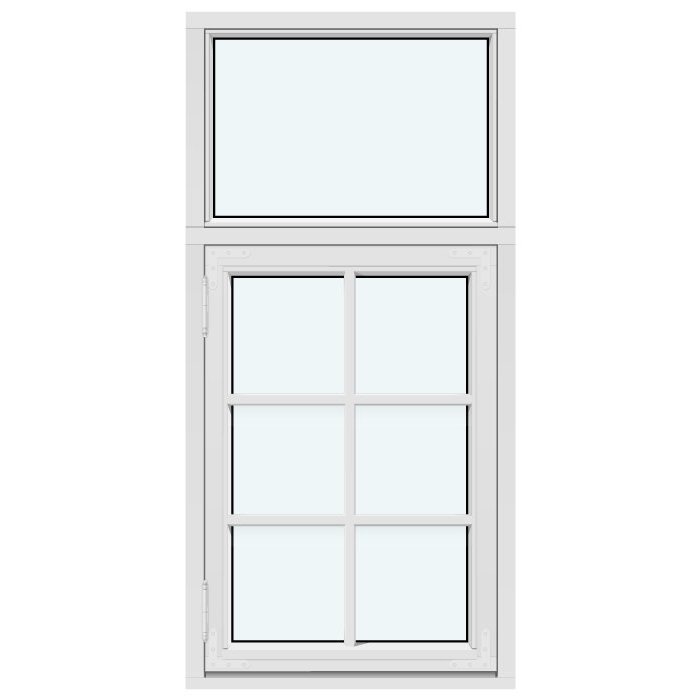
The phrase “blinds inside double-pane glass” is not a complete order description. Record the opening type, location, desired blind positions, control preference, color, glass layout, and whether each unit is fixed or operable. Ask whether the selected blind configuration is available for every proposed size, shape, and panel arrangement. Do not assume that an option shown in one sample transfers to another product. Where fixed and operable areas meet, identify the sightlines that should align and whether blind treatments should match. A combination window should be reviewed as one composition, even though its fixed and opening areas perform different functions.
The written proposal should separate included items from assumptions. Confirm the glass arrangement, blind operation, control location, slat color, decorative-bar selection if applicable, installation scope, trim responsibility, and any room-side treatment supplied by others. Product titles establish only the named configuration; they do not confirm unseen options, performance, or availability. If appearance on the exterior matters, request confirmation of how the selected blind and control present from that side as well. Bloomcabin indicates delivery in 4–6 weeks subject to order confirmation. Resolve configuration questions before using that timeframe in broader project planning, and treat the confirmed order as the scheduling reference.
Use samples and perform a final opening review
Photograph each opening from inside and outside before the final review. Mark sash or door travel, nearby walls, faucets, furniture, screens, and any obstacle that affects reach. If a representative sample is available, view it upright and under changing light rather than flat on a table. Examine reflection, slat color, tilted appearance, control movement, and the view when fully raised. A sample can reveal preferences, but it cannot establish that the final size, operator, or hardware will be identical. Use it to form precise questions, then obtain written confirmation for the actual openings included in the project.
Before approval, compare the proposal against your annotated opening schedule. Verify handing and opening direction, glass arrangement, operator location, blind color, number of treated panels, and decorative-bar choice. Confirm who measures, who approves site dimensions, and who receives questions if an item differs from the confirmed order. Review changes one opening at a time so a revision intended for a bathroom or patio panel is not unintentionally repeated across the project. This final check is more useful than searching for a universal best blind. It preserves the operation of each window or door while allowing separate coverings where flexibility, texture, or stronger light management matters more.
Frequently asked questions
Do blinds between double-pane glass suit every window?
No. They are most useful where protected slats, a clear room-side surface, and integrated adjustable privacy rank highly. They may be less suitable when fabric texture, frequent style changes, specialized room-darkening, or independent replacement is more important. Evaluate each room, opening direction, sightline, and service preference rather than specifying one treatment everywhere.
Can integrated blinds be used on patio doors?
They can be considered, but the door’s movement and traffic path come first. Review every panel, handle, control location, and active passage area. Sliding, hinged, and folding doors create different operating patterns. Compare the proposed assembly with shades, drapery, or exterior alternatives if independent styling or broad-opening coverage matters more.
Are between-the-glass blinds easier to clean?
The accessible glass is generally simpler to wipe because the enclosed slats do not directly collect room-side dust or cooking residue. The complete window or door still requires appropriate care. Frames, tracks, screens, handles, controls, and accessible glass surfaces remain part of routine cleaning and operation, according to their materials and design.
What should I ask about service before buying?
Ask who handles an operating concern, how the relevant glazed unit is identified, and what the assessment process requires. Request the written warranty terms for the exact configuration and retain the confirmed order. Do not assume an enclosed blind can be accessed, exchanged, or serviced in the same way as a separately mounted covering.
Will enclosed blinds provide complete darkness and privacy?
That depends on the selected configuration, blind position, surrounding light, and viewing angle. Raised, tilted, and closed positions serve different purposes. Examine the intended positions under realistic conditions. If consistent nighttime screening or stronger daytime light blocking is essential, compare the blind with a purpose-selected room-side treatment before ordering.
Next step
Blinds between double-pane glass are most successful when selected as part of the window or patio-door design rather than as a generic finishing detail. Their appeal is protected, integrated light and privacy control with an uncluttered accessible surface. Their limitation is reduced freedom to change or independently service the covering later. Begin with opening operation, traffic, room use, and sightlines. Then compare visual character, cleaning, control reach, alternatives, and the service process. A mixed approach is often the most practical: enclosed blinds where clearance and protection lead, and separate coverings where texture, restyling, or specialized light control matters more.
