
Bloomcabin Greenhouse Setup Guide: Layout, Planting & Care
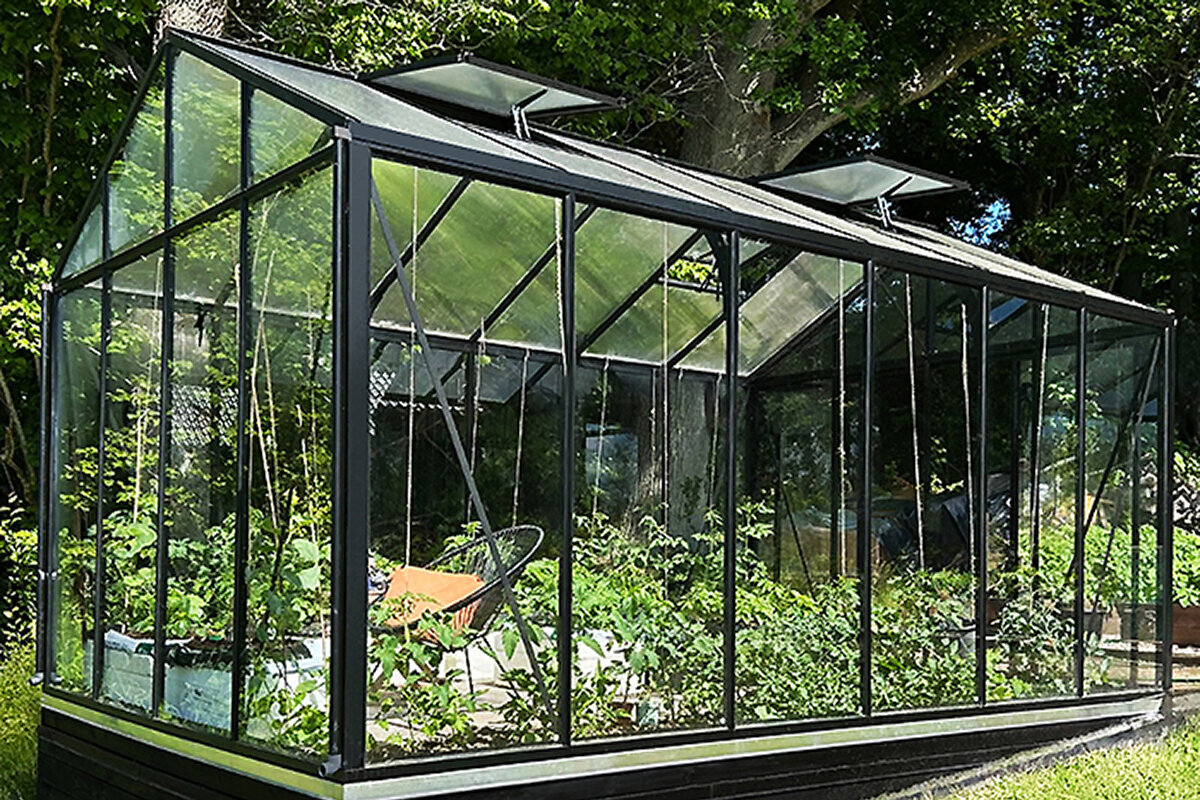
First Steps After Assembly: How to Decide the Best Greenhouse Setup for Your Bloomcabin Greenhouse (USA Guide)
You’ve assembled your Bloomcabin greenhouse—nice work. That “first close” of the door, the satisfying firmness of the frame, and the clean lines of a premium structure in your backyard are a big moment. Now comes the part that turns a beautiful build into a productive, long-lasting, and truly enjoyable growing space: setting up your greenhouse the right way.
This is a practical, step-by-step guide tailored for the United States—where sun intensity, humidity, storms, snow, and big temperature swings can vary wildly from state to state. We’ll cover the first decisions you should make after assembly, how to design the best greenhouse layout, what vegetables, fruits, and flowers to plant first, and how to maintain and clean your greenhouse so it keeps looking and performing like new.
Along the way, we’ll also highlight what makes a Bloomcabin aluminum greenhouse (also commonly searched as aluminium greenhouse) a smart long-term choice: Bloomcabin quality, high standards, friendly prices, premium materials, and superior design that elevates the whole backyard. If you want to browse models and styles, visit: Bloomcabin US Greenhouses & Conservatories.
Why the “After Assembly” Setup Matters More Than You Think
Many greenhouse owners in the USA assemble a greenhouse and immediately rush to fill it with plants. That excitement is understandable—but a greenhouse is not just a structure. It’s an environment. The way you set it up in the first week determines how easy it will be to manage heat, humidity, airflow, watering, cleaning, and long-term durability.
The best greenhouse setup is not necessarily the one with the most plants packed inside. The best greenhouse setup is the one that fits your goals, works with your local climate, and stays easy to maintain. That’s how you get better harvests, fewer pests, less frustration, and a greenhouse you genuinely love using—season after season.
With a premium build like a Bloomcabin aluminum greenhouse, your setup decisions are even more important. Bloomcabin greenhouses are designed for long-term performance and high standards, so your job is to match that build quality with smart daily routines and an efficient interior plan.
Step 1: The USA “First Week Checklist” After You Assemble Your Greenhouse
Before you decide where your raised beds go, before you bring in seed trays, and definitely before you install irrigation, take a few days to observe. In many US regions, a clear morning can turn into an unexpectedly hot afternoon, and a greenhouse can climb quickly without ventilation. Your goal this first week is to learn how your greenhouse behaves.
Do these checks immediately
- Door alignment and smooth operation: Open and close the door multiple times. A smooth door reduces wear, improves sealing, and helps climate control.
- Vent function: Test every vent, opener, or window mechanism. Ventilation is the #1 greenhouse success factor in most of the USA.
- Panel security: Check glazing panels for firm seating. Re-check fasteners if you notice any movement in wind.
- After rain inspection: Look for pooling around the greenhouse. Drainage is a long-term durability issue, not just a convenience.
- Track sun and shade: Take quick photos morning, midday, and late afternoon. This becomes your layout map.
- Record temperature swings: For 3–5 days, note morning low and midday high. You’ll learn when to vent and when to close up.
A simple USA climate note
In Arizona and the Southwest, heat spikes and dry air can be your biggest issue. In Florida and the Gulf Coast, humidity and fungal pressure can be intense. In the Midwest, spring swings and storm fronts are common. In the Northeast and Mountain regions, cool nights and shoulder seasons dominate. There is no one-size-fits-all greenhouse strategy. That’s why observation comes first.
Bloomcabin’s superior design and high-quality materials give you a strong starting point. But your day-to-day results come from airflow habits, watering strategy, and a layout that makes greenhouse gardening feel simple.
Step 2: Decide Your Greenhouse “Mission” (Layout Follows Purpose)
The fastest way to waste greenhouse space is to plan without a clear goal. A backyard greenhouse can be: a seed-starting station, a vegetable production engine, a four-season growing space, a flower sanctuary, or even a greenhouse that feels like a stylish garden room. Your “best greenhouse setup” depends on what you want most.
Pick one primary mission and one secondary mission
Primary mission ideas:
- Seed starting and propagation: benches, shelves, heat mats, lights, and lots of trays
- Vegetable greenhouse production: tomatoes, cucumbers, peppers, raised beds, trellises
- Year-round greenhouse growing: insulation strategy, thermal mass, winter greens, climate control
- Container fruit greenhouse: citrus, figs, berries, and large pots with airflow
- Flower greenhouse: cut flowers, overwintering, orchids, and seasonal color
- Greenhouse + lounge feel: pathways, seating corner, plants + comfort
Secondary mission ideas:
- Overwintering tender perennials
- Hardening off seedlings before outdoor planting
- Drying herbs and storing gardening supplies neatly
- Extending the season for warm-weather crops
If you’re in the USA and you want the biggest value from your greenhouse, many owners choose a hybrid goal: seed starting in spring + vegetable production in summer + greens in fall + overwintering in winter. This approach makes a Bloomcabin greenhouse work for you almost year-round.
Step 3: Think Like a Greenhouse Designer—Plan Microclimate Zones
Even a premium greenhouse has “zones.” The warmest air gathers high, near the roof. Cooler air sits near the floor and around the door. Corners can trap humidity. A smart greenhouse setup uses these natural zones instead of fighting them.
Common greenhouse zones
- Hot zone: upper air space, sun-facing side, areas near thermal mass
- Cool zone: near door, lower corners, shaded side
- Dry zone: areas near fans and ventilation flow
- Humid zone: near water sources, dense plant areas, low-airflow corners
What to place where
- Hot zone plants: tomatoes, peppers, eggplant, basil, melons (with shading in hot states)
- Cool zone plants: lettuce, spinach, kale, cilantro, seedlings, overwintering pots
- Humid zone plants: cucumbers (only if you maintain airflow to prevent powdery mildew)
- Dry zone plants: rosemary, thyme, oregano, succulents, some seed-starting trays (careful with drying)
Bloomcabin aluminum greenhouses are built for stability and long-term performance, which helps you manage vents and airflow consistently—an underrated advantage when you’re trying to create predictable greenhouse conditions.
Step 4: Choose Your Growing System—Beds, Benches, Containers, or Hybrid
Your interior foundation determines your workflow. It affects watering, cleaning, pest pressure, root temperature, and how fast you can switch seasons. In the USA, where people often run both spring seed-starting and summer production, a hybrid greenhouse setup is often the sweet spot.
Option A: Raised beds (best for high yield vegetable production)
Raised beds are the classic greenhouse choice for serious growers. They hold moisture well, stabilize roots, and work perfectly with drip irrigation. They’re also ideal for popular greenhouse vegetables like tomatoes, cucumbers, peppers, and basil.
- Pros: high yield, stable moisture, efficient watering, fewer pots to manage
- Cons: more permanent, more soil volume to amend
Option B: Benches and shelves (best for seed starting and flexibility)
Benches make a greenhouse feel organized and professional. They’re excellent for seed trays, herbs, flowers, and potted plants. If you’re in an area with heavy humidity (parts of the South), benches also help keep plants off wet floors and improve airflow.
- Pros: flexible, easy to rearrange, great for trays and pots
- Cons: pots dry out faster, feeding and watering needs can increase
Option C: Containers (best for fruit trees, flowers, and rotating displays)
Want a greenhouse that feels like a curated garden room? Containers are the way to go. Large pots are perfect for dwarf citrus, figs, and decorative flowering plants. Containers also let you isolate pests quickly.
Option D: Hybrid setup (recommended “best greenhouse setup” for many Bloomcabin owners)
A hybrid setup is practical and beautiful—especially in a premium aluminum greenhouse with superior design. A popular hybrid plan:
- One long raised bed for fruiting crops (tomatoes, cucumbers)
- One side bench for seedlings, herbs, and pot experiments
- A few large pots for fruit, flowers, or an “accent plant”
- A clear center path wide enough to move comfortably
The best greenhouse layout is the one you can maintain. Bloomcabin quality deserves a setup that stays tidy, efficient, and easy to clean.
Step 5: Plan the Layout With Real USA Measurements (Feet, Inches, and Comfort)
Many greenhouse setups fail because the path is too narrow and the plants become a jungle. You want to be able to step inside with a watering can, a harvest basket, or a small cart—without brushing against wet leaves or bumping pots off benches.
Layout rules that prevent regret
- Make the path wide enough: aim for about 24–30 inches for comfortable movement (more if you plan a cart).
- Reach without stepping in soil: beds should be reachable from the path. If a bed is too wide, you’ll compact soil and stress roots.
- Leave headroom for vines: plan trellis lines overhead for cucumbers and tomatoes.
- Keep corners open: dead corners trap humidity and invite fungus and pests.
- Design for cleaning: you should be able to sweep, rinse, and wipe surfaces easily.
Three proven greenhouse layout templates
1) Production layout (maximum yield):
- Raised bed on left + central path + raised bed on right
- Seed-starting bench at the back
- Vertical trellis strings above the beds
2) Hybrid layout (most popular):
- Bench on one side for trays and herbs
- Raised bed on the other side for summer crops
- Wide center path for comfort and airflow
3) Garden-room layout (beauty + function):
- Narrow beds or containers along the walls
- Pavers or gravel path
- A small seating corner (even a stool and a shelf)
- Hanging baskets for flowers
A Bloomcabin aluminum greenhouse is built to look premium. If you want that superior design to shine, avoid clutter and keep the layout balanced. A clean greenhouse feels bigger, works better, and stays healthier.
Step 6: Watering Strategy for USA Conditions—Consistency Without Humidity Chaos
Water is the heartbeat of greenhouse gardening. Too little water stresses plants and reduces yield. Too much water raises humidity, invites disease, and creates algae. In much of the USA, especially humid regions, the key is watering in a way that keeps roots happy while keeping leaves and air as dry as possible.
Choose a watering method
- Hand watering: best for beginners and smaller greenhouses; gives you daily “inspection time.”
- Drip irrigation: best for raised beds; reduces leaf wetness; ideal for tomatoes, cucumbers, peppers.
- Soaker hoses: simple and effective for beds; good for steady moisture.
- Capillary mats: excellent on benches for seed trays and small pots.
Watering habits that work
- Water in the morning: so plants and surfaces dry during the day.
- Avoid wet leaves: wet foliage in a greenhouse can trigger fungal issues fast.
- Use mulch in beds: helps stabilize moisture and reduces evaporation.
- Don’t overwater in low light: cloudy days and winter seasons need less water.
A simple rule: if you frequently see heavy condensation that lasts well into the morning, reduce unnecessary moisture and increase airflow. Ventilation plus smart watering equals a healthier greenhouse environment.
Step 7: Ventilation, Fans, and Heat Management—Your Best “Upgrade” Is Fresh Air
In the USA, greenhouse overheating is common—even in spring. A sunny 55°F morning can become an 85°F greenhouse by midday. That’s why the best greenhouse setup always includes a ventilation plan and, ideally, gentle air circulation.
Ventilation essentials
- High vents release hot air: roof vents are incredibly effective because heat rises.
- Low intake brings in cooler air: opening a door or lower vent creates a natural chimney effect.
- Air circulation prevents disease: a small fan reduces stagnant zones and fungal pressure.
USA hot-climate tips (Southwest, South, heat waves anywhere)
- Use shade cloth: it can dramatically reduce heat stress and sun scorch.
- Vent earlier than you think: by the time it feels hot, plants are already stressed.
- Consider evaporative cooling: in dry climates, it can be very effective (used carefully).
- Prioritize airflow: tomatoes and cucumbers love warmth, but they hate stale air.
USA cool-climate tips (Northeast, Mountain regions, shoulder seasons)
- Close up before sunset: trap warmth early to slow nighttime cooling.
- Add thermal mass: water barrels or stone help stabilize temperature swings.
- Use row cover inside: a simple inner layer can protect plants on cold nights.
Bloomcabin aluminum greenhouses are designed for long-term performance and stable operation. When vents and doors work smoothly, you can manage climate daily without hassle—which is exactly what a premium greenhouse should deliver.
Step 8: Plan Power, Water Access, Storage, and “Workflow”
The best greenhouse setup is not only about plants. It’s also about how you move, where you store tools, and how easily you can water, ventilate, and harvest. In the USA, where gardeners often combine seed-starting, transplanting, and summer production, workflow matters.
Smart greenhouse workflow zones
- Seed-starting zone: bench, shelves, trays, labels, potting mix
- Growing zone: beds/containers, trellises, irrigation
- Work zone: a small surface for potting, pruning, and harvesting
- Storage zone: hooks, a sealed bin for tools, and a tidy corner for supplies
Power and water considerations
If you plan to use fans, a small heater, grow lights, or an irrigation timer, think about safe, outdoor-rated power access. Water access is just as important—dragging a hose across the yard gets old fast. Many US greenhouse owners add a simple hose connection, a watering wand, and a timer for consistency.
A clean, organized greenhouse is easier to maintain and easier to keep pest-free. It also looks better—important if you chose a Bloomcabin greenhouse for its superior design and premium aesthetic.
Step 9: What to Plant First—Beginner-Friendly Greenhouse Crops for the USA
Your first season should build confidence. Choose crops that are forgiving, fast, and rewarding—then expand. A Bloomcabin greenhouse can handle ambitious plans, but simple success is the best foundation.
Easy vegetables to start with
- Lettuce and salad greens: quick harvests, tolerate cool temps, great for staggered planting.
- Spinach and kale: excellent for shoulder seasons, productive, hardy.
- Radishes: fast, fun, and a great “first harvest” crop.
- Green onions: easy, low drama, continuous harvest.
- Herbs: basil (warm), parsley/cilantro/dill (cool), plus thyme and oregano in drier corners.
Classic greenhouse vegetables (high reward with a plan)
- Tomatoes: the #1 greenhouse crop; plan trellising, pruning, airflow, and steady feeding.
- Cucumbers: extremely productive; train vertically; manage humidity to reduce mildew.
- Peppers: love greenhouse warmth; slower start, great payoff in summer.
- Eggplant: thrives in warmth; good for confident growers.
Fruit and “specialty” options for a backyard greenhouse
- Strawberries: hanging baskets or containers can be incredibly productive.
- Figs (in pots): love sun; manage watering; prune for size control.
- Dwarf citrus (in pots): possible with temperature management; great for a greenhouse “wow factor.”
Flowers that thrive in greenhouse life
- Marigolds: easy, cheerful, and great companions.
- Nasturtiums: edible blooms, fast growth, excellent for a colorful greenhouse.
- Geraniums: great for overwintering and consistent color.
- Cut flowers: zinnias and cosmos can start early, then move outdoors for a long season.
In US gardening, timing often revolves around your last frost date and USDA hardiness zone. A greenhouse gives you a head start, but it doesn’t remove the need for good scheduling. A general rule many US gardeners follow: start warm-season seedlings 6–8 weeks before your last frost date, then harden off plants before moving them outside.
Step 10: Layout Planning for Crops—How to Organize Vegetables, Herbs, Fruit, and Flowers
Once you know what you want to grow, you need a layout that supports it. The key words are: airflow, access, light, and maintenance. If a layout makes maintenance hard, it will slowly fail—no matter how good the greenhouse is.
Where to place tall crops
Tall crops like tomatoes and cucumbers should go where they won’t shade smaller plants. Place them along one side or in a bed designed specifically for vertical training. Use overhead lines and clips so plants grow upward cleanly.
Where to place seedlings and herbs
Seed trays and herbs do best on benches where you can monitor moisture daily. Herbs also benefit from good airflow. A bench setup is perfect for building a “nursery zone” inside your Bloomcabin greenhouse.
Where to place containers
Large pots for fruit or decorative flowers should go where they don’t block pathways. Many greenhouse owners put larger containers near corners—but leave enough space so corners can be cleaned and ventilated.
The “one-minute rule” for layout success
If you can’t walk in, water, check leaves for pests, and harvest something within one minute—your layout is too complicated. A premium greenhouse should simplify your life, not create a maze.
Step 11: Soil, Fertility, and Feeding—Build the Base for Long-Term Greenhouse Success
Your Bloomcabin aluminum greenhouse can be made from premium materials and the best construction standards, but plants still depend on soil health. Greenhouse soil and potting mixes can become depleted faster than outdoor garden beds because of intense planting, frequent watering, and continuous growth.
Raised bed soil basics
- Start with quality garden soil plus compost for fertility.
- Improve drainage and structure with organic matter and aeration materials.
- Top-dress with compost seasonally to refresh nutrients.
- Mulch lightly to reduce evaporation and stabilize moisture.
Container soil basics
- Use a high-quality potting mix that drains well.
- Add compost for long-term nutrition.
- Feed consistently—containers run out of nutrients faster than beds.
Feeding rhythm by crop type
- Seedlings: gentle feeding; avoid excess nitrogen and soggy trays.
- Leafy greens: moderate fertility; steady moisture for tenderness.
- Fruiting crops (tomatoes, cucumbers, peppers): consistent feeding and stable watering for best yields.
- Flowers: balanced feeding; avoid too much nitrogen (too many leaves, fewer blooms).
A greenhouse is about consistency. If you give plants stable moisture and stable fertility, you get stable results. That’s how you turn a backyard greenhouse into a reliable harvest machine.
Step 12: Trellising and Vertical Growing—Maximize Space in Your Greenhouse
One of the biggest advantages of greenhouse gardening is vertical growth. When you grow upward, you: increase yield per square foot, improve airflow, reduce leaf contact with soil, and make harvesting easier.
Easy vertical systems
- Tomato strings: overhead lines with clips for clean training
- Trellis netting: for peas, beans, and flowers that climb
- Plant ties and clips: simple tools that prevent broken stems
Pruning basics (especially for tomatoes)
Many USA greenhouse growers prune indeterminate tomatoes to improve airflow and focus energy on fruit. The goal is not to “strip” the plant, but to keep it open, manageable, and productive. Pruning plus airflow is a powerful combination in a greenhouse.
Vertical systems also keep your greenhouse looking clean and premium—perfect for the superior design aesthetic that Bloomcabin customers love.
Step 13: Pollination in a Greenhouse—How to Get Better Fruit Set
In an outdoor garden, wind and insects do much of the pollination work. In a greenhouse, especially when doors and vents are closed, you may need to help.
Simple pollination methods
- Ventilation: open vents and doors when weather allows to let pollinators in.
- Manual pollination: gently tap tomato blossoms or use an electric toothbrush near flower clusters.
- Plant flowers: marigolds, nasturtiums, and other blooms can attract beneficial insects when greenhouse access is open.
Better pollination means more tomatoes, better cucumbers, and a more productive greenhouse overall. Small effort, big reward.
Step 14: Pest Prevention and Integrated Pest Management (IPM) for the USA
Greenhouse pests can appear quickly because conditions are warm and protected. The best greenhouse setup includes prevention: clean floors, no clutter, steady airflow, and regular leaf checks. Most pest problems become “big” only when they go unnoticed.
Common greenhouse pests in the USA
- Aphids: cluster on new growth, especially in spring
- Whiteflies: common in warm conditions and dense foliage
- Spider mites: often in hot, dry air; look for stippling on leaves
- Fungus gnats: often caused by overwatering and algae growth
Prevention habits
- Quarantine new plants: keep them separate for a few days before bringing them into the greenhouse.
- Keep airflow moving: a small fan reduces pest-friendly stagnation.
- Remove dead leaves: plant debris creates hiding places and disease pressure.
- Monitor early: sticky traps are great for noticing problems before they explode.
A clean greenhouse is a healthy greenhouse. And a healthy greenhouse is easier to maintain—one of the key reasons many USA gardeners upgrade to a premium greenhouse structure in the first place.
Step 15: How to Maintain Your Bloomcabin Greenhouse to Last Longer
Bloomcabin aluminum greenhouses are built with high standards and premium materials designed for durability. But the greenhouse that lasts longest is the one that gets small, consistent care—rather than occasional emergency repairs.
Daily (5–10 minutes)
- Check moisture and plant posture (wilting, curling, drooping)
- Vent as needed for the day’s weather
- Remove dead leaves and dropped plant debris
- Quick pest scan under a few leaves
Weekly (20–40 minutes)
- Sweep the path and corners
- Wipe bench surfaces if algae builds up
- Check trellis ties and supports
- Inspect vents and door tracks for debris
- Review condensation patterns and adjust airflow
Monthly (30–60 minutes)
- Light clean glazing where dust or algae reduces light transmission
- Inspect fasteners, seals, and moving parts
- Flush irrigation lines if you use drip systems
- Deep tidy: remove unused pots, sanitize trays, reduce clutter
These small habits protect Bloomcabin quality and keep your greenhouse performing at a premium level—exactly what you want from an aluminum greenhouse built with the best materials and superior design.
Step 16: How to Clean Your Greenhouse (What to Use, What to Avoid, and How Often)
Cleaning is not only about appearance—although a clean, elegant greenhouse looks amazing in a backyard. Cleaning also impacts plant health and productivity. Dust and algae reduce light. Debris invites pests. Dirty corners trap humidity. The best greenhouse setup includes a realistic cleaning schedule you’ll actually follow.
Recommended greenhouse cleaning frequency
- Weekly: sweep debris, remove leaves, quick tidy
- Monthly: wipe benches, spot-clean glazing, check tracks and vents
- Seasonally (1–2 times per year): deep clean in spring and/or fall
How to deep clean a greenhouse (simple and effective)
- Move plants that can be relocated temporarily.
- Sweep floors, corners, and under benches—remove all debris.
- Wash glazing and surfaces with mild soapy water and a soft cloth or sponge.
- Rinse thoroughly so no residue remains near plants.
- Open vents and allow the greenhouse to dry completely.
- Sanitize seed trays and pots before starting new seedlings.
What to avoid when cleaning
- Abrasive pads: can scratch glazing and reduce clarity over time.
- Harsh chemical cleaners: can leave residues that affect plants.
- High-pressure spraying into seals: can force water into sensitive areas if done carelessly.
With a Bloomcabin aluminum greenhouse, a gentle cleaning routine goes a long way. Premium materials stay beautiful when treated with basic care. That means your greenhouse keeps its superior design and clean look for years.
Step 17: Season Extension in the USA—How to Use Your Greenhouse Beyond Summer
One of the biggest reasons Americans invest in a backyard greenhouse is season extension. A greenhouse can give you: earlier spring planting, longer fall harvests, and—depending on your region—productive winter growing.
Thermal mass: the simple season-extending strategy
Thermal mass is anything that absorbs heat during the day and releases it at night. In a greenhouse, this helps stabilize temperature swings. Common thermal mass options:
- Water barrels (placed safely and securely)
- Stone, brick, or pavers
- Large containers of soil
Cool-season crops that shine in a greenhouse
- Lettuce, spinach, kale, arugula
- Asian greens (bok choy, tatsoi, mizuna)
- Green onions, parsley, cilantro
In many US regions, you can grow greens much longer than you expect—especially if you keep the greenhouse dry, ventilated, and protected from extreme night cold with an inner cover.
Step 18: Protecting Your Greenhouse in US Weather—Wind, Storms, Snow, and Heat
The USA has a wide range of weather challenges. A premium aluminum greenhouse is strong, but smart owners also plan for local conditions. Protecting your greenhouse means protecting your investment—and protecting your growing season.
Wind and storms
- Keep the greenhouse area clear of loose items that can become projectiles.
- Check seals and fasteners seasonally.
- Close vents before major storms to reduce wind stress.
Snow regions
- Monitor snow buildup if you get heavy snowfall.
- Keep access paths clear so you can inspect the structure.
- Maintain ventilation on sunny winter days to prevent condensation-related issues.
Heat waves
- Use shade cloth and early venting.
- Increase airflow with fans.
- Water consistently—plants under heat stress are more vulnerable to pests.
Bloomcabin greenhouses are designed with high standards and premium materials, but local conditions still matter. A little preparation keeps your greenhouse safe, stable, and productive year after year.
Step 19: A Practical “First Month” Setup Plan (So You Don’t Get Overwhelmed)
If you want a simple blueprint, here is a realistic first-month plan for a new Bloomcabin greenhouse setup in the USA. It’s designed to build momentum without chaos.
Week 1: Observe and finalize your layout
- Track sunlight patterns and temperature swings.
- Confirm vents and doors function smoothly.
- Choose your primary greenhouse mission (seed starting, vegetables, hybrid, etc.).
- Mark where beds, benches, and paths will go.
Week 2: Build your “systems” (water + airflow)
- Set up watering method (hand watering, drip irrigation, or hybrid).
- Install a small fan if you can (gentle airflow is a game-changer).
- Create storage hooks and a tidy work zone.
Week 3: Start planting easy wins
- Plant greens and herbs for quick results.
- Start seed trays for tomatoes, peppers, flowers.
- Begin a weekly cleaning routine so it becomes habit.
Week 4: Add vertical growing and scale up
- Install trellis lines and supports.
- Transplant stronger seedlings.
- Add companion flowers to support a balanced greenhouse ecosystem.
By the end of the first month, your Bloomcabin aluminum greenhouse should feel like a working, organized space—part production, part beauty, and fully ready for the season.
Step 20: Bloomcabin Aluminum Greenhouses—Premium Quality, Friendly Prices, and Superior Design
A greenhouse is not only a growing structure—it’s a backyard investment that can change how you garden. Bloomcabin greenhouses are built to deliver that “upgrade” feeling: strong construction, clean aesthetics, high standards, and materials chosen for long-term performance.
When gardeners search for terms like aluminum greenhouse, aluminium greenhouse, glass greenhouse, backyard greenhouse, hobby greenhouse, and premium greenhouse, they’re usually looking for the same thing: a greenhouse that looks beautiful, lasts longer, and performs reliably. That’s the Bloomcabin approach—superior design paired with thoughtful engineering and friendly prices that make premium greenhouse ownership feel achievable.
If you want to explore styles, sizes, and options for the USA, browse: Bloomcabin US Greenhouses & Conservatories.
Frequently Asked Questions: First Steps After Greenhouse Assembly
How soon can I plant after assembling my greenhouse?
In most cases, you can plant immediately—after you confirm ventilation works, your layout is planned, and your soil or containers are ready. Many USA growers take 3–7 days to observe sun and temperature first, which often leads to a better long-term setup.
What is the best first crop for a new greenhouse?
Leafy greens (lettuce, spinach) and herbs are excellent first crops because they’re quick, forgiving, and help you learn watering and airflow patterns. If you want a classic greenhouse experience, tomatoes are the iconic choice—just add trellising and airflow.
How often should I clean my greenhouse?
A quick weekly tidy prevents most issues. Spot-clean monthly, and deep clean seasonally (often spring and fall). Consistent cleaning keeps light levels high, reduces pests, and protects long-term greenhouse performance.
What is the most important thing for greenhouse success?
In most US climates, it’s ventilation and airflow. Watering and feeding matter, but stale humid air causes many of the most frustrating greenhouse problems. Prioritize vents, airflow, and a layout that makes daily care easy.
Conclusion: Build the Greenhouse Setup You’ll Enjoy for Years
The best greenhouse setup is the one that fits your life. If your greenhouse is easy to ventilate, easy to water, easy to clean, and enjoyable to walk into, you’ll use it constantly—and that’s where the real value comes from.
Start with observation. Decide your mission. Plan microclimate zones. Choose beds and benches that match your goals. Add vertical growing to increase yield. Plant beginner-friendly crops first. And build simple maintenance habits that protect the premium look and performance of your Bloomcabin aluminum greenhouse.
A Bloomcabin greenhouse is built with high standards, premium materials, friendly prices, and superior design—so with the right setup, it can become your favorite backyard space: a place for seedlings in spring, tomatoes in summer, greens in fall, and year-round gardening joy.
Ready to explore Bloomcabin greenhouse options for the USA? Visit Bloomcabin US Greenhouses & Conservatories and choose the greenhouse that fits your vision.
