
Budget vs. Premium Windows: Which Upgrades Are Worth It?

Window buying guide
A window quote can look simple until choices begin: fixed or operable, opening direction, glazing, color, grilles, specialty shapes, and upgraded hardware. The useful question is not whether premium is universally better. It is whether an upgrade solves a problem you will notice in this room. Start with operation and project scope. Are you replacing one awkward kitchen window, every opening on an exposed wall, or a mixture of windows and patio doors? A budget configuration can be excellent when it performs the required job without unwanted extras. Premium spending is easier to justify when it improves daily handling, comfort, upkeep, appearance, or coordination across the facade. Judge each upgrade by its practical consequence, not its package name or position on a sales sheet.
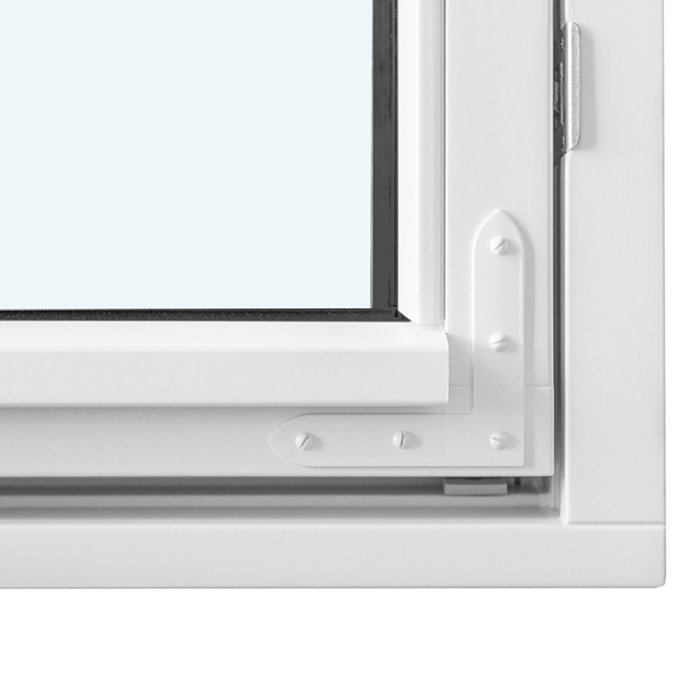
Begin with how the window must work
The first choice is not budget versus premium; it is fixed versus operable and then how an operable sash moves. Fixed glass can be sensible where daylight and a view are the only goals. Operation earns its cost when the room needs ventilation or accessible cleaning. Trace the proposed sash movement in the actual space. Could an outward-opening sash conflict with a walkway, deck furniture, shrubs, or another window? Would an inward-opening sash interfere with a countertop, blind, faucet, or circulation route? Paying less for awkward operation creates a daily compromise, while buying an elaborate mechanism for a rarely opened location may add little value.
Divide the project into use zones rather than assigning one specification to the whole house. Bedrooms, kitchens, stair landings, and high living-room walls may require different solutions. A top-hinged outward-opening window is relevant where that opening pattern suits the intended use, but its title does not establish unstated performance features. Elsewhere, a fixed unit may be enough. Ask the seller to identify sash count, hinge or pivot arrangement, handing, opening direction, handle position, and required clearance. Have the installer check compatibility with trim, screens, shades, furnishings, and exterior obstacles before paying for an operating upgrade. The worthwhile mechanism is the one that fits both the room and its users.
Define the project boundary before comparing prices
A low unit price and a low completed-project cost are not the same. Work might be limited to a window in an existing opening, or it could affect trim, flashing, interior finishes, exterior cladding details, and conditions discovered after removal. Quotes are comparable only when they describe those boundaries. Ask who measures, who evaluates existing conditions, which accessories are included, and who repairs disturbed finishes. Also ask how unexpected opening conditions will be documented and priced. Two products with similar names can sit inside very different installation scopes, so do not rank totals until exclusions and responsibilities are visible beside them.
Consistency across the project may be worth more than upgrading every decorative detail. Accurate surveying and coordinated installation across a row of openings can be more useful than adding embellishments to one unit. Conversely, a focal opening may deserve a larger budget if it defines the room. A fixed window can keep the configuration simple where ventilation is unnecessary, while accessible nearby windows provide it. Request an opening schedule listing dimensions, operation, handing, color, glass proposal, grille choice, hardware, screens if offered, and installation responsibilities. Use that document as the common baseline for every quote and revise it whenever a selection changes.
Upgrade the glass for a specific room condition
Glazing can justify a premium, but its value depends on exposure and use. A large west-facing living-room window, a bedroom facing regular outdoor noise, and a lightly used utility room need not share one priority. Describe the condition you want to address: an uncomfortable radiant sensation, afternoon glare, privacy, fading concerns, or unwanted sound. Ask what the offered glass configuration is intended to change and what tradeoffs accompany it. Choices can alter visible light, reflectivity, color rendition, and the view as well as comfort. Review physical samples in relevant lighting when available rather than buying an abstract claim such as “best” or “premium.”
Do not infer a coating, gas fill, tested rating, sound result, or climate suitability from a product title or high price. Request the exact glazing makeup and documentation for the offered configuration. Compare the same window size, operating type, glass area, and accessories. If considering a product such as the super-low-Uw outward-opening Passive House window, confirm the complete proposed configuration and whether its priorities match the project. A qualified project professional can relate window details to the wall assembly and locally applicable requirements. High-performance glass does not compensate for an unclear scope, unsuitable operation, or poorly coordinated installation details.
Select frame finishes for the appearance you will maintain
Finish choices remain visible long after the quote is forgotten. The practical question is how much color control, visual continuity, and maintenance preference matter. A standard finish can be the right value for a secondary elevation, rental, or house where a neutral appearance is desired. A selected color may be worthwhile when windows strongly shape the facade or must coordinate with siding, doors, roofing elements, or interior trim. Examine physical samples outdoors beside the relevant materials. A screen cannot reliably show how daylight, surface texture, landscaping, and neighboring colors will affect the finished impression.
Do not pay for a color merely because it appears in a premium tier. Decide whether the interior and exterior need the same appearance or different visual roles. Dark colors can strongly outline openings; lighter colors may make frames recede. Ask for cleaning, touch-up, and maintenance instructions for the proposed finish, and retain them with the order documents. If aluminum is mentioned, request a clear description of which visible components are aluminum rather than assuming the construction of the whole window. The worthwhile upgrade is a finish that supports the architecture and that you are prepared to care for, not simply the most expensive swatch.
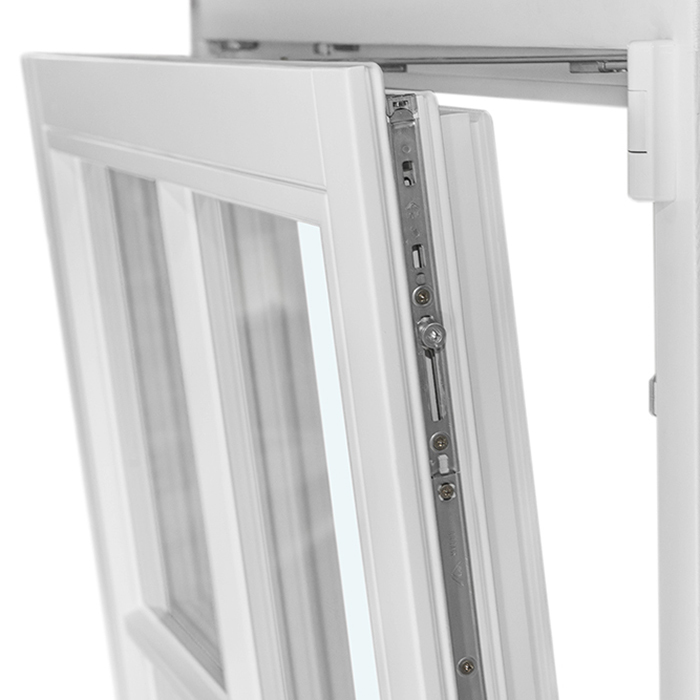
Compare sash layout, glass area, and sightlines
Two windows can fill the same opening yet change the room in different ways. Multiple divisions can create a traditional rhythm, while a broader uninterrupted glass area can emphasize a view. Neither is inherently premium. Sit where the room is normally used and identify eye-level view lines that should remain clear. Then review the exterior elevation for alignment with neighboring windows, doors, corners, and other facade elements. Sash count can affect interior composition, exterior balance, operating choices, and the amount of visible framing. Decide whether each division serves operation or design rather than accepting it as part of a package.
A two-sash inward-opening window should be assessed for its two-sash composition and the interior clearance its opening pattern requires. The title alone does not establish glass, hardware, or thermal specifications. For a broad or tall opening, request a scaled drawing showing frame, sash, and glass proportions at the ordered size. A budget option with the preferred layout may offer better value than a premium configuration that makes the view feel busy. Because changing sash arrangement after fabrication is not a minor decorative correction, approve the elevation, identify which sash opens, and confirm handle positions before the order is released.
Make grilles an intentional architectural choice
Grilles can reinforce a period-inspired facade, relate an addition to an older section, or give a large glazed opening a smaller visual scale. They can also make an elevation busier than intended. Begin with a straight-on photograph or drawing and test the pattern across neighboring windows and doors rather than one opening at a time. Use precise terminology in the quote: decorative bars provide an aesthetic pattern, while glass-dividing bars divide glass. Ask which construction is proposed instead of treating the terms as interchangeable. If an unobstructed view is the priority, record the selection as without decorative bars rather than leaving it unresolved.
The premium is defensible when the pattern supports the whole facade and has been approved from inside and outside. It is less useful when grilles are included only to signal a higher package. A historic-style kombi outward-opening casement window may suit a project seeking that named style and operation, but the actual bar pattern and visual details still require confirmation. Request a drawing showing placement, widths, intersections, and alignment with any door glass. Ask how the proposed details affect cleaning access. A successful decorative upgrade resolves the composition before ordering instead of creating an expensive ambiguity during installation.
Prioritize hardware you can operate comfortably
Hardware deserves attention because it is touched whenever the window is used. Test the movement when possible rather than judging handles only by appearance. Can intended users reach and operate them comfortably? Will a handle conflict with a shade, faucet, plant shelf, or furniture? Consider the stance needed to close the sash from its actual location. A family room may need frequent, convenient ventilation, while a small bathroom may prioritize controlled opening and practical cleaning access. These are use requirements, not luxury labels. A straightforward configuration that everyone can operate comfortably can be better value than elaborate hardware selected without a realistic use test.
Separate included features from options shown in displays or photographs. Ask which handle, finish, lock, screen, or other accessory is in the written price and which requires a separate selection. An outward-opening pivot window offers the named pivoting and outward-opening concept, but the actual pivot position, hardware details, and suitability for the opening must be confirmed in the quote. Record which components will be visible from each side. If children, pets, or vulnerable occupants affect the project, explain the intended use to a qualified professional and discuss an appropriate overall safety approach rather than treating a generic hardware upgrade as a complete solution.
Reserve specialty shapes for meaningful locations
Specialty geometry can make a gable, stairwell, roofline, or entry composition feel intentional. It can also take a large share of the budget without solving a practical problem. Test the proposed shape at elevation scale. Does it repeat an existing roof angle or arch? Will it bring daylight to a genuinely dim area? Is the glass positioned where occupants can appreciate the view? A mainly visual reason is valid, but it should be funded as a design choice rather than described as a necessary performance upgrade. Keeping standard openings straightforward elsewhere can preserve budget for the location where geometry has the greatest architectural effect.
A triangular and angled fixed window is relevant when the design calls for that named fixed form. Confirm measurements, templates, adjacent rectangular-window alignment, and surrounding finish responsibilities. Round and half-round alternatives likewise need a complete composition review because an unusual form can become either a focal point or a disconnected accent. Do not add operation automatically. If the window will be high, inaccessible, or primarily architectural, a fixed configuration may be more coherent, with ventilation provided elsewhere. Ask the designer or installer to illustrate trim terminations, connections to nearby wall or roof geometry, and interior finishes affected by the shape.
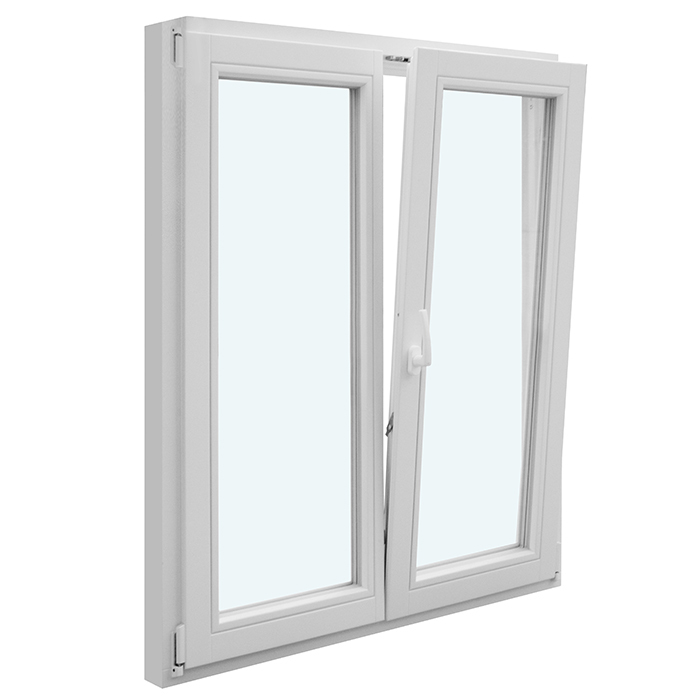
Evaluate a patio door as a separate circulation decision
A window project often grows when a patio door is included, but the door needs its own analysis. Map how people carry groceries, reach outdoor seating, and move during gatherings. Then plot panel swing or sliding movement, furniture clearance, exterior traffic, and the closed-door view. An outswing arrangement preserves interior floor area but requires exterior clearance. An inswing alternative brings that clearance indoors, while a sliding option creates another movement pattern. None is universally premium. The wrong operation can make a well-funded project inconvenient, so decide circulation before comparing decorative details or using the door upgrade to set the specification for unrelated windows.
A single-panel outswing patio door should be evaluated for its named single-panel, exterior-swing configuration. Check the swing against steps, railings, planting, furniture, and traffic. A wider or multipanel alternative belongs in a separate comparison rather than being treated as an automatic upgrade. Request the complete configuration, handing, glass proposal, visible frame proportions, hardware, available screen choices, and treatment of adjacent units. Review the door from the main interior seating position and from the patio approach. The highest-value choice is normally the one that coordinates passage, furniture placement, and the desired view without forcing compromises into the surrounding window budget.
Rank upgrades with an opening-by-opening matrix
A decision matrix prevents accepting every upgrade early and then cutting useful items late. For each opening, ask how often it will be used, how visible it is, whether the choice is difficult to alter, what documented problem it solves, and whether it must match another opening. Direct the budget toward high-priority consequences. That often elevates correct operation, accurate scope, exposure-specific glazing, and coordinated facade finishes. Grilles and unusual shapes may rank lower unless they are central to the design. Keep a separate “nice if funds allow” list so an appealing option does not quietly become a supposed requirement.
Ask the supplier to price controlled alternatives so each consequence remains visible: a different sash count, finish, glass proposal, or operating configuration. Before approval, reconcile the quote with drawings and the opening schedule; dimensions, handing, colors, accessories, and responsibilities should agree. Confirm which choices become fixed at fabrication and document every approved revision. Bloomcabin states a 5-year warranty for windows and doors. Delivery is stated as 4–6 weeks, subject to order confirmation, so plan around the confirmed order rather than an assumed date. A premium is worthwhile when its benefit can be named for a particular opening and verified in the final paperwork.
Frequently asked questions
Is a budget window always lower quality?
No. “Budget” may describe a simpler size, finish, sash layout, or feature set that suits the opening. The important issue is whether the quote clearly identifies the configuration and scope. Compare equivalent dimensions, operation, glazing, accessories, and installation responsibilities before deciding that one option is genuinely less expensive.
Which window upgrades are hardest to change later?
Opening size and direction, sash layout, specialty geometry, exterior color, and relationships to surrounding finishes should be settled before ordering. Some hardware and accessories may be easier to change, but availability varies. Ask the supplier which selections are fixed during fabrication and which can be replaced later without altering the window.
Should every window have the same specification?
Not necessarily. A fixed view window, an accessible ventilation window, and a patio-adjacent opening have different jobs. Maintain consistent visible details where the architecture benefits, then tailor operation and glazing discussions to room use, exposure, privacy, furniture, and access. Consistency does not require identical functionality in every opening.
How do I compare two window quotes fairly?
Build an opening-by-opening schedule. Match dimensions, handing, fixed or operable status, sash count, opening style, finish, glass description, grilles, hardware, screens if offered, delivery assumptions, and installation scope. Ask both sellers to identify exclusions and unresolved site work. A project total alone cannot reveal meaningful configuration differences.
Are premium windows worth buying for resale?
Do not base upgrades on an assumed resale return. A coherent facade, convenient operation, and appropriate condition may improve the home's overall appeal, but a future buyer's response is not guaranteed. Prioritize improvements that benefit your use and avoid choices that create unnecessary maintenance, awkward operation, or visual inconsistency.
Next step
The strongest window budget is neither the shortest upgrade list nor the most expensive package. It assigns money according to consequences: correct operation, a complete scope, glazing tied to real room conditions, and an appearance you want to maintain. Use fixed glass where daylight and views are enough, and pay for operation where ventilation or access matters. Reserve specialty shapes, colors, and grilles for locations where they strengthen the design. With an opening schedule, drawings, and controlled quote comparisons, “budget versus premium” becomes a series of practical, defensible choices instead of one broad sales label.
