
How to Buy a Garden House for Family Games and Entertainment
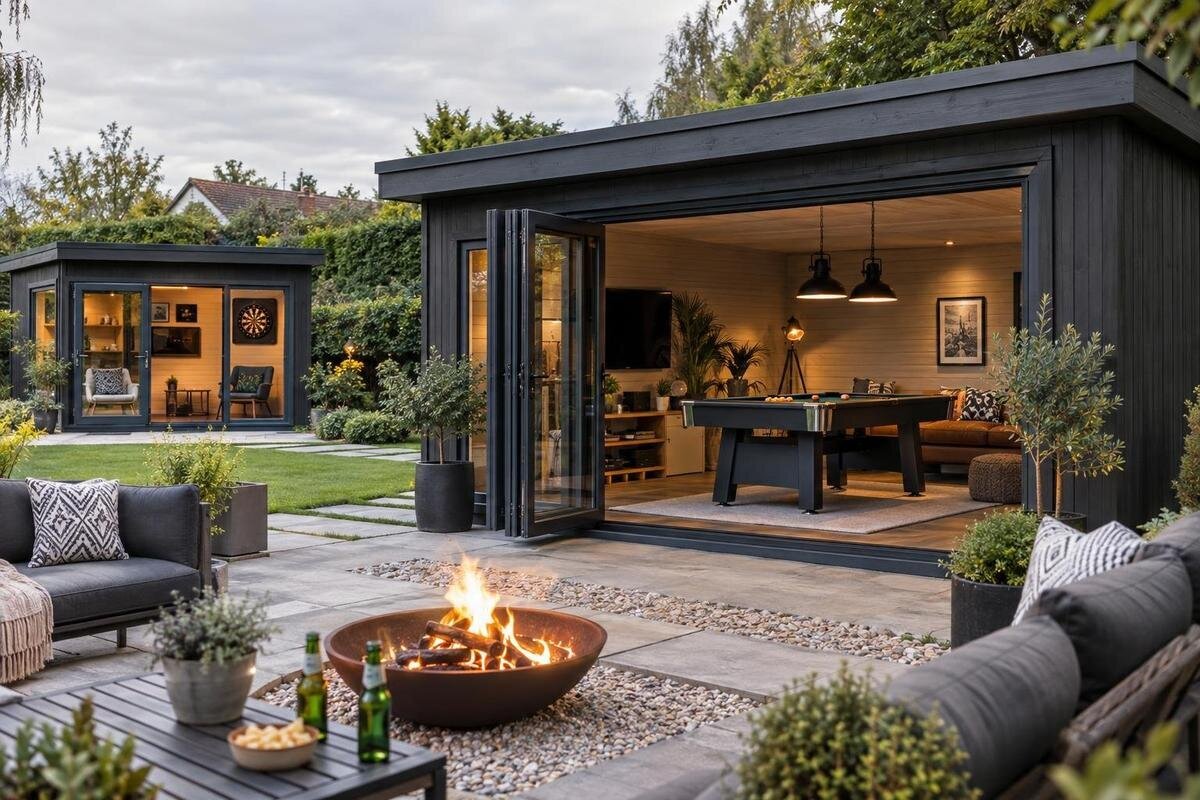
Garden house buying guide
Buying a garden house for family games and entertainment is less about choosing the biggest-looking model than planning how people, furniture, and games will share the space. Start with the activities and group sizes that matter, then compare usable interior room, movement paths, access, and practical details. A measured layout and a clear list of questions make model comparisons more useful before you place an order.
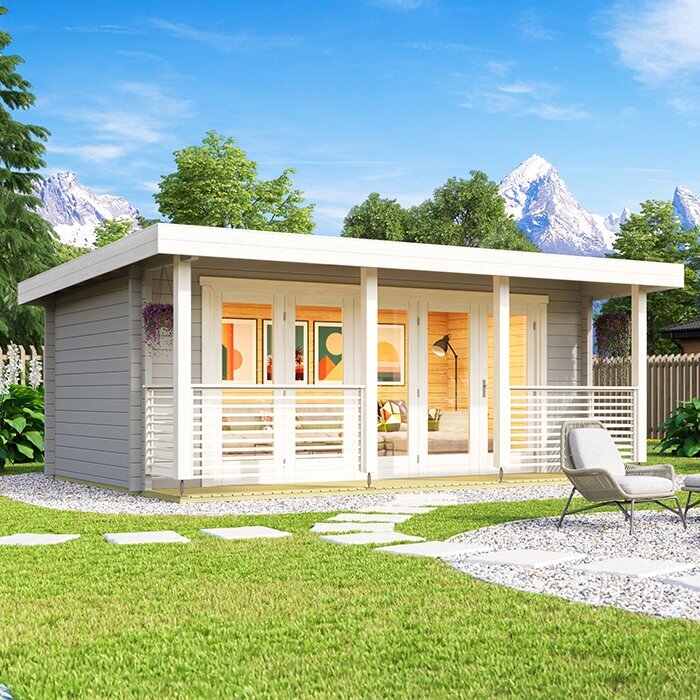
Choose the activities before choosing the building
List the activities that will happen in the garden house most often instead of shopping from a vague idea of a family room. A few board and card games call for a different setup from puzzles left out over several days, building sets, or party games that need people to move around. Note how many people usually join, how many might come for a larger gathering, and whether one activity will occupy the space at a time. Add the games your family already plays, rather than planning only for an imagined collection. This inventory gives you a basis for comparing floor area, furniture, and storage.
Separate regular use from occasional use. The layout that works for two people playing cards may not work for a group gathered around a larger game, so decide which setup should fit without rearranging the whole room. Also note what you expect to bring inside: a game table, chairs, play mats, bins, or perhaps a screen. Keep frequent-use items distinct from equipment used only for special occasions. This prevents an unusual event from dictating every choice, while still helping you spot the features that would make that event easier to host.
Measure usable play space, not just the footprint
Start with documented interior measurements, not the exterior footprint alone. Wall positions, the location of an entry, and any fixed features can affect the area available for play. Measure the largest arrangement you expect to use, including the game surface, chairs pulled out, play mat, and storage. A square-foot figure by itself can hide a narrow or awkwardly shaped room. Compare a plan of the usable interior, if available, with your own measurements. Add the Verdana 1 garden house to your comparison sheet as a candidate, recording only figures stated for the exact model rather than guessing from its name or image.
Make a quick drawing with the entry and the main furniture shown to scale, or mark the furniture outlines on the ground with tape. Include the space needed to sit down, get up, reach game pieces, and walk past someone who is playing. Check whether opening the door would interfere with a chair or storage area. Leave room for the setup you actually plan to use; there is no universal clearance that suits every activity. If a listing does not provide enough information to make this comparison, ask for the missing measurements before deciding.
Plan movement and shared play
Think about how people will move through the room once a game is underway. A route from the entry to seating or storage should not cut straight through the active play area if another arrangement is possible. Consider where a person will set down a drink, where players can stand while waiting, and whether someone can join or leave without everyone having to shift. These small movements matter during a long game as well as during quick, informal play. A simple plan showing the game surface, seats, storage, and main walking route can reveal crowding before you order.
If family members may use the building for different activities at the same time, decide whether they can coexist. A quiet puzzle or card game may be uncomfortable beside a lively party game, even if both technically fit. Plan for the people who will talk, watch, or wait as well as those who are playing. You can compare a model such as the Verdana 2 garden house on the same layout worksheet, but use its documented dimensions and configuration rather than assuming what its name implies. Prioritize a layout that lets the family share the space without blocking access or disrupting play.
Match storage to the games you own
Take an inventory of the items that will need a home: boxed games, cards, puzzles in progress, play mats, and any equipment used for group activities. Consider how often each item is used and whether it needs to stay set up between sessions. A puzzle left out for several days, for example, needs a surface that can remain available; a small game used occasionally may be easier to store in a labeled container. The goal is not to fill every wall with storage. It is to keep the room usable without stacking boxes where people need to sit or move.
Decide whether you want movable storage that can be shifted for a different game or a more permanent arrangement, then check the available wall and floor space against your plan. Keep commonly used items easy to reach, and make sure storage does not obstruct the entry or turn a clear playing area into a narrow passage. Check listing details before assuming that shelves, furniture, or other accessories are included. Add the Durano garden house to the shortlist only as another model to assess; compare its published dimensions and package information with the storage plan you have made.
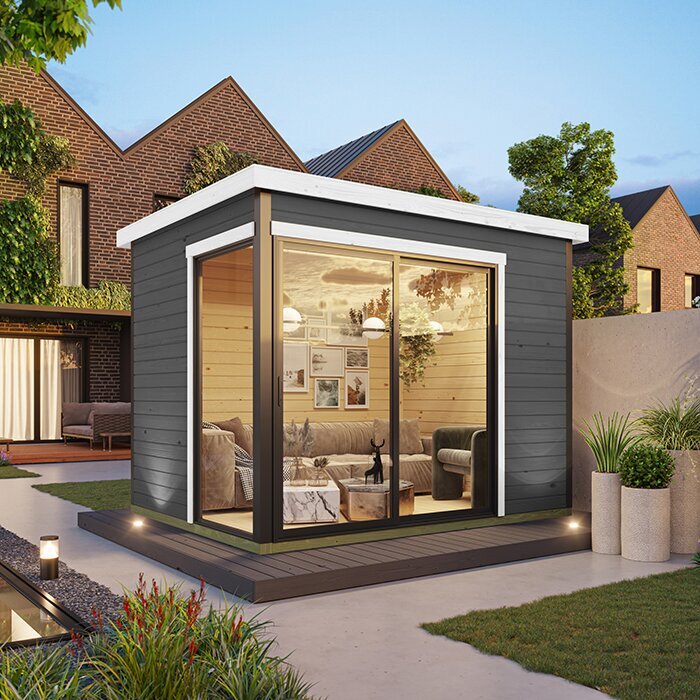
Account for ages, group size, and supervision
Plan for the people who will use the building, not just the games. Consider the typical group size, the age range, and whether players will mostly sit at a table or move around. Seating should suit the activity and allow people to get in and out without shifting everything else. If younger children will be there, think about where small game pieces and other items will be stored, and whether an adult can see the play area from the places they are likely to sit. These practical details can change how much open floor area and storage you need.
Consider the route from the house and the ease of entering the garden house for every regular user. Check the documented clear opening and any floor or threshold details if access is important to your household; do not rely on a product photo to answer those questions. If you need an accessibility adaptation, discuss the space and proposed changes with a qualified professional before purchase. You can include the Veltor 1 garden house in the comparison, but assess it against the same user and access requirements as every other candidate. A familiar routine is more useful than a model name when judging day-to-day convenience.
Consider the route between the house and the yard
The experience begins before anyone reaches the game table. Look at the path from the main house, the garden surface around the entrance, and the distance people will carry games, snacks, or seating. If the route crosses a muddy or uneven area, consider how your family will manage shoes and equipment when moving between indoors and outdoors. Do not assume from the category or a photograph that a building will keep out every kind of weather or dirt. Check the product documentation for the conditions and care it specifies, and think through how the space will be used on the days your family actually plans to play.
Where the building sits can affect privacy and noise as well as convenience. A spot close to the house may make it easier to bring items back and forth; a more separate location may make family games feel like a distinct activity. Consider nearby windows, neighboring outdoor areas, and the direction people will face while playing. These are site questions, not product features. Put the Orello 1 garden house on your shortlist only after checking whether its exact documented configuration and the proposed location suit your plan. A clear route and a comfortable setting can matter as much as the room arrangement.
Compare openings, daylight, and privacy from the details
For games and shared activities, the position and type of openings can affect daylight, views, and privacy. Check the exact listing or ask the seller what openings are included, how they operate, and where they are located. Then consider the planned game surface: daylight that works well at one time of day may create glare at another. Look at the backyard at the hours you expect to use the room, rather than assuming one photograph represents the light throughout the day. If you want curtains, shades, or screens, confirm whether they are included or would need to be planned separately.
Treat room appearance in images as a starting point for questions, not as proof of measurements or included features. Verify the configuration, opening dimensions, and any details that affect furniture placement in the written product information. The same checks apply to the Modano 1 garden house as to any other model under consideration; its name alone does not establish what openings or accessories are part of the order. Think about the balance you want between daylight and privacy, then compare documented details with your layout and the building’s position in the yard.
Set realistic expectations for seasonal comfort
Be specific about what you mean by using the garden house through the year. Storing games in the building, playing there during mild weather, and spending long periods inside during hot or cold conditions are different expectations. A garden house should not automatically be treated as a finished, climate-controlled room. Check the documentation for the exact model and configuration for information relevant to your intended use, such as insulation, ventilation, and the conditions the building is designed for. If that information is missing, ask before ordering rather than assuming that a feature is standard.
If your plan depends on heating, cooling, lighting, or outlets, find out whether the proposed building and site can accommodate those needs. Discuss compatibility and any planned work with a qualified professional, and check applicable local requirements with the appropriate local authority or adviser. Do not base the decision on a general promise that a feature can be added later. Your activity schedule matters too: a room used for short game sessions has different comfort priorities from one intended for hours of family entertainment. Resolve those expectations before comparing models on appearance alone.
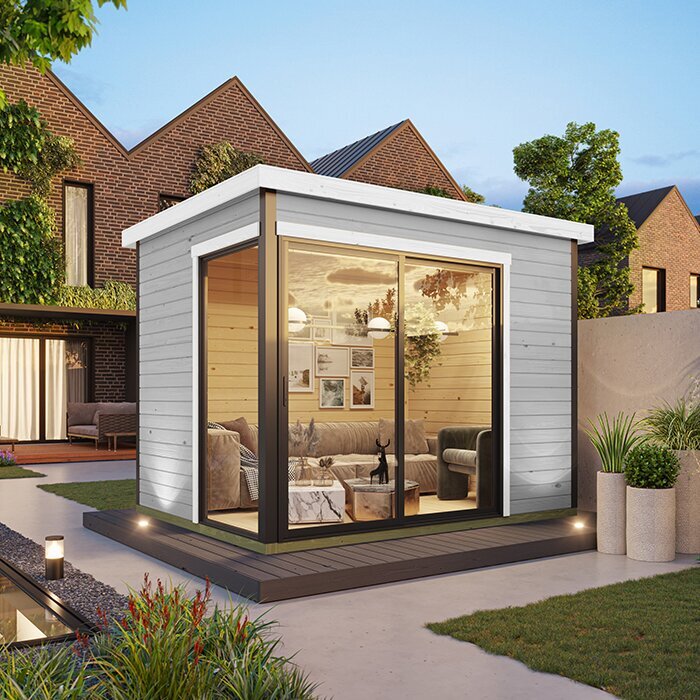
Check the site, delivery route, and assembly plan
Identify the intended location and check what preparation the exact product requires. Ask for the manufacturer’s or seller’s site-preparation instructions, including any requirements for the supporting surface, and have a qualified local professional assess questions that depend on your site. Avoid choosing a foundation or making construction assumptions from a general rule of thumb. Before purchase, check with the relevant local authority or qualified adviser about requirements that may apply to the proposed structure and its intended use. A clear answer before ordering can prevent a mismatch between the product, the location, and your family’s plans.
Measure the delivery route from the point where materials will be unloaded to the building location. Gates, turns, steps, trees, and narrow paths may affect access, even when the proposed site itself has enough room. Ask what delivery and assembly involve, who prepares the site, who unloads the materials, and whether assembly is included in the order. Confirm what is supplied and what you need to arrange separately. For the Veltor 2 garden house, use the current product information and ask about the exact order configuration; do not infer delivery or assembly arrangements from the model name.
Compare exact models and review the order
Use a comparison sheet with a few clear priorities rather than relying on memory. Record the documented interior dimensions, openings, package contents, site requirements, and any unresolved questions for each exact model. Mark which requirements are essential, such as fitting the family’s usual game setup, and which are preferences, such as a particular look or a more flexible furniture arrangement. If one listing lacks a detail you need, leave it unresolved instead of filling the gap with an assumption. This makes the final choice easier to explain to other household members and helps keep a visual preference from outweighing a practical constraint.
Before placing the order, confirm the model name and configuration against the current listing and order documents. Review the stated dimensions, what is included or excluded, delivery arrangements, assembly responsibilities, and the current purchase terms. Keep a copy of the information you used to make the decision so you can compare it with the order confirmation. You can review the Veltor 3 garden house alongside the other candidates, but the choice should follow the same checklist, not an assumption about what a similarly named model includes. Pause if an important answer is unclear, especially when it affects fit, site preparation, or the intended season of use.
Frequently asked questions
How much space does a garden house for family games need?
There is no single size that works for every family. Measure the largest setup you expect to use, including the game surface, chairs pulled out, stored items, and a clear route through the room. Compare that layout with the documented usable interior dimensions, not just the building’s exterior footprint.
Can one garden house work for both board games and active play?
It can if the room can accommodate both activities without furniture or stored equipment taking over the space needed to move. Sketch each setup separately, then see whether you can switch between them easily. If you expect both to happen at once, plan for separate areas and noise levels.
Should we leave a game table in the garden house?
That depends on how often you use it and what else needs to fit. A permanent table can make regular games easier to set up, but it reduces flexible floor area. Compare the room with the table in place and with its chairs pulled out before deciding.
Can a garden house be used for family entertainment year-round?
Do not assume that every garden house is equipped for comfortable use in every season. Check the exact model’s documentation for details relevant to your plans, such as insulation and ventilation, and consider the local site conditions. If you expect heating or cooling, discuss compatibility with a qualified professional.
What should I confirm before ordering?
Confirm the exact model and configuration, documented dimensions and openings, what the package includes, site preparation requirements, and who handles delivery and assembly. Review the current order terms as well. If the intended location or use raises questions, ask the seller or a qualified local professional before committing.
A good family garden house begins with an honest picture of how your household plays: who will use it, what needs to fit, and how people will move through the room. Let that plan guide your comparison of documented dimensions, access, storage, and site requirements. When the exact model and order details support the way your family wants to use the space, the choice is much easier to make with confidence.
