
Buying a Garden House Kit You Can Assemble Yourself
Garden house buying guide
A garden house kit can make DIY assembly possible, but the word kit does not tell you how complete the package is or how demanding the build will be. Compare dimensions and materials with your intended use, then review the included-parts list, site requirements, and assembly instructions before ordering. You should be able to separate what arrives from what you must provide, and judge whether the work fits your tools and experience. The checks below help you compare specific listings without assuming that a product name or photograph supplies missing details.
Match the kit to its intended use
Start by writing down what the garden house needs to do. Tool storage has different constraints from a place to sort pots, work at a bench, or sit: each use affects the clear floor area, doorway access, and openings you may want. Separate non-negotiables, such as an item fitting through the entrance, from preferences such as a particular window arrangement. If security, year-round use, or a specialized interior matters, verify that the proposed kit is designed for it; a general product label does not establish those features.
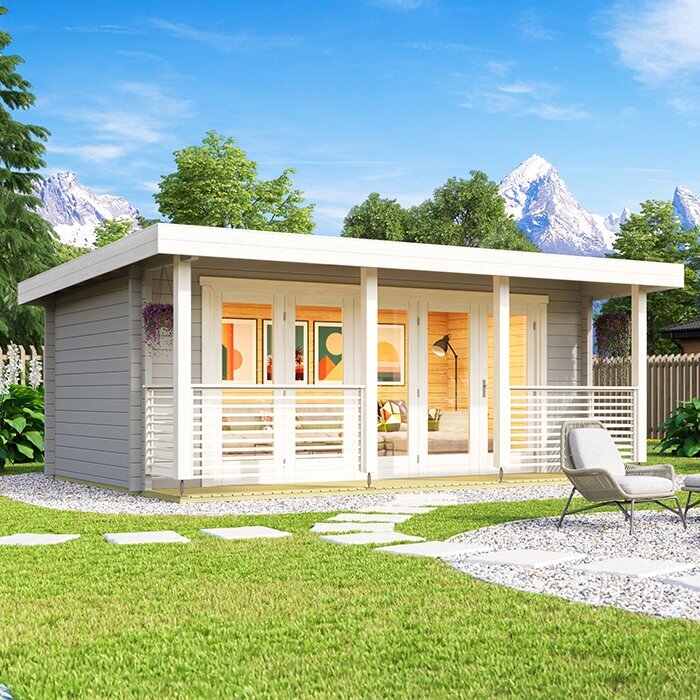
Turn that use into a short list you can apply to every candidate. Note the largest item that must fit, the space needed to reach it, and any features you need to check in the listing or manual. Consider how the interior will work once shelves, a bench, or stored equipment are in place, rather than comparing only the outside dimensions. Sketch a simple furniture or storage layout if the building will serve more than one purpose. This can reveal whether the doorway position, circulation space, and wall area work together before you focus on optional features. The garden house Verdana 1 listing can be one row in your comparison; record only details it actually states and leave unanswered requirements marked as questions.
What the listed dimensions actually measure
For each kit, find out whether the stated width and depth describe the outside walls, the interior, or another measurement. Check how height is defined, such as at the roof peak or wall edge, and whether any projecting parts change the space the structure occupies. A dimension diagram should also help you locate the entrance and understand its opening size. If a point is not clear, ask rather than assuming that a headline measurement answers every fit question.
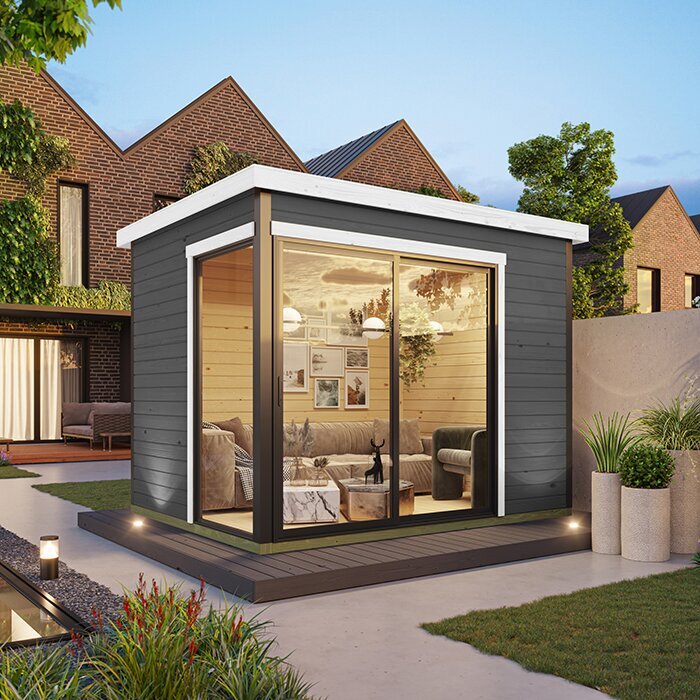
Measure the proposed location and make a simple plan showing the building outline, entrance, and nearby obstacles. Then compare that plan with the dimensions provided for the kit. Include room to open the door and move around the building for the tasks you expect to do; the amount of clearance may depend on the layout and the instructions. Mark fences, trees, downspouts, existing storage, and areas where you need to pass with equipment. A plan also helps you notice whether the entrance faces a convenient approach rather than a blocked corner of the yard. Use garden house Verdana 2 as another listing to compare on the same basis, not as evidence of a particular size or configuration.
Site preparation and delivery access
A kit still needs a suitable place to sit. Look for the stated base or foundation requirements, including any specified dimensions or surface conditions, and confirm whether the base itself is part of the order. Do not rely on a product photo to determine what the site needs. If the ground is sloped, drainage is uncertain, or utilities or other site conditions could affect the work, get advice from a qualified local professional before preparing the location.
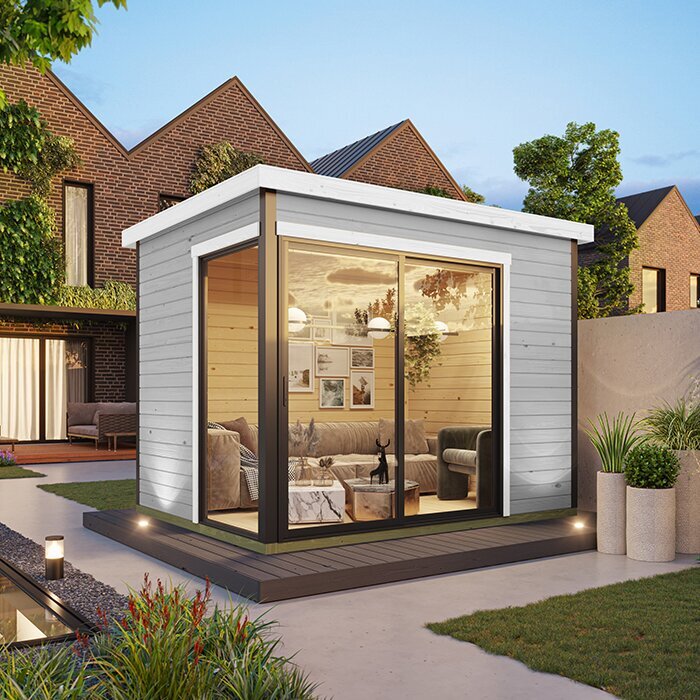
Check the route from the delivery point to the proposed build area: gates, narrow passages, turns, steps, and space for staging can all affect how you receive and handle a package. Ask about package dimensions and unloading arrangements if they are not documented. Identify where components could be set down temporarily without blocking access to the home, garage, or neighboring property. Plan to inspect the shipment according to the seller's directions before sorting parts for assembly. Do not assume the parts can pass through a tight route just because the assembled building would fit in the yard. The Durano garden house listing can be another entry in your comparison, but its name alone does not establish site or delivery requirements.
Materials, finish, and ongoing care
Compare materials by component rather than relying on a broad description. Check what the walls, roof, floor, doors, and windows are made of, and whether the finish is applied before delivery or left for you to provide. If a listing describes a wood structure, look for the stated wood and treatment details; if it names another material, check the specified surface finish and care guidance. Treat missing information as something to confirm, not as a feature you can infer from a photograph.
Think about maintenance as part of the purchase, not an afterthought. Read what the maker says about care, any finishing work after assembly, and products or processes that should be used or avoided. Consider whether you can reach the areas that require attention after the building is in place and whether surrounding vegetation or stored items would make routine care inconvenient. Those details help you judge whether the upkeep fits your plans and available time. For Veltor 1 garden house, as with any candidate, enter material and finish details only when they are explicitly stated; do not attribute specifications based on the model name or image.
Included components and exclusions
Read the package list item by item. Depending on the kit, questions may include whether wall and roof parts, a floor, door or window units, glazing, fasteners, trim, anchoring components, and assembly instructions are included. This is a checklist of items to verify, not a standard contents list. Look for a clear description of the selected configuration and ask the seller to explain any package terms that do not identify specific parts. A configuration name or product-family page may cover more than one version, so make sure the list applies to the exact option you intend to buy. Compare it with the parts shown in the instructions where possible. If an item is pictured but absent from the written contents list, treat it as unconfirmed rather than included.
Make a separate list of what you may need to provide, such as a base, tools, finishing materials, or other supplies named in the instructions. Check whether optional components are included in the configuration you are considering or would need to be ordered separately. Note the source of each answer: a package list, a configuration description, or a response from the seller. This makes it easier to compare offers on the same scope without assuming that the word kit means everything required for the build is in the package. The Orello 1 garden house can be checked against the same inventory; its name does not confirm which parts are included.
Assembly instructions and DIY skill
Try to review the assembly guide for the exact model and configuration before you commit. Check whether it identifies the parts, shows a clear sequence, lists required tools, and explains which site-preparation tasks fall outside the kit assembly. Make sure the guide matches the version you intend to order. A manual that is unavailable, incomplete, or difficult to follow is a reason to ask questions before buying, not a detail to resolve only after the package arrives.
Judge the work against your actual experience. Consider whether you are comfortable sorting and identifying components, following diagrams, measuring carefully, and using the listed tools safely. Previous DIY projects can help you assess your confidence, but they do not replace reading the instructions for this kit. Allow for the fact that unfamiliar parts, unclear drawings, or a correction to an early step can take longer than expected. Ask whether the manual calls for another person or a particular type of assistance; do not assume the building can be assembled solo. Consider the order in which the work must happen as well. Some tasks may be hard to revisit once later parts are installed, so identify any steps that require especially careful measurement or alignment. Decide in advance whether you can pause the project safely if weather, missing parts, or an unexpected site issue interrupts the work. Check that the guide corresponds to Modano 1 garden house if you are comparing that listing, rather than relying on a similar-sounding model name.
Tools, helpers, and workspace
Build a tool and supply list from the manual, then mark each item as included, already available, borrowed, or still to obtain. Check whether the instructions call for any tool you do not normally use and whether you can use it safely. Do not treat the product package as a source of tools or consumables unless the contents list says so. If the guide gives safety or protective-equipment advice, account for it when deciding whether the work is practical for you.
Plan for the full work area, not only the final footprint. You may need room to sort components and move between the package and the assembly location; the manual can help you understand the sequence. Decide where small hardware, drawings, and labeled parts will stay organized so they are easy to find when needed. Allow a realistic time window without treating any estimate as a guarantee, and arrange help if the instructions call for it. Keep the parts protected and stored as directed before assembly. Use Veltor 2 garden house as a comparison entry only after checking what its own instructions and listing state.
How to compare model variations
When several listings look related, compare their stated details rather than assuming they share the same dimensions, components, materials, or instructions. Record the exact model name and selected configuration, then check features that matter to your use, such as the layout of openings, floor or roof options, and any listed finish choices. A similar name, image, or product-family label is not enough to establish that two packages are interchangeable.
Before ordering, make sure the details you compared match the exact option in your cart or order summary, and that the assembly guide applies to it. If a variant or option is described vaguely, ask which parts or specifications change. Save the product description and the relevant configuration details with your comparison notes, since a general family page may not answer questions about a selected option. The Veltor 3 garden house can be entered alongside other candidates, but do not infer that a model number indicates a larger size or a particular feature. Compare only the information stated for each exact listing.
Delivery and support after ordering
Confirm how delivery works before you place the order. Ask what access the delivery service needs, whether unloading is part of the arrangement, and what you need to have ready at the drop-off point. If package sizes or delivery conditions are not given, request them so you can check the route and staging area. Keep delivery arrangements distinct from assembly: a kit arriving at your property does not by itself explain who will move or build it.
Find out how to report a missing or damaged component and where to get help if the instructions do not match the parts received. Review the seller's stated support and replacement-parts process rather than assuming a particular outcome or response time. When the package arrives, retain labels and documentation and compare the shipment with the package list in the manner the seller directs. Keep the order details, package list, and applicable manual together, and follow the seller's directions if you find a discrepancy. Knowing whom to contact and what information to provide makes it easier to address a problem before you continue assembly.
Confirm site, package, and build readiness before ordering
Bring your comparison into one table with the exact model, outside dimensions, usable interior space, materials, included parts, required base, instruction availability, tools, and delivery details. Mark each item as confirmed, optional, or unanswered. Give the most weight to requirements tied to your intended use and site; a preference can be flexible, but an unclear base requirement or missing component may change whether the kit is workable for you.
Before placing an order, resolve questions about the site, local permits or placement restrictions, utilities, and foundation work with the relevant local office or a qualified professional. Do not rely on a general online assumption for a property-specific issue. Set aside enough time to complete any site work and receive the kit before your intended build period, without assuming a delivery or assembly schedule that has not been confirmed. Also confirm that your plan is genuinely self-assembly: understand which work you will do and what the order includes. If an essential answer is still missing, pause until it is clear. That is a more reliable basis for choosing than trying to fill gaps with a model name or a photograph.
Frequently asked questions
How should I compare garden house kit sizes?
Check what each listed width, depth, and height measures, then compare the outside footprint with the usable space inside. Include the doorway and room to move the items you plan to store or use there. If a drawing does not make the measurements clear, ask before ordering.
Does a garden house kit include a floor or foundation?
Do not assume either is included. Check the itemized package list for a floor, then read the assembly guide for the required base or foundation. They are different parts of the decision: a floor may be a kit component, while the base may be something you arrange separately.
How can I tell whether I can assemble a kit myself?
Read the instructions for the exact model and configuration, including the tool list, sequence, and any guidance about help from another person. Compare those tasks with your experience and available tools. If the manual is unclear or calls for work outside your ability, ask the seller or consult a qualified professional before buying.
What should be ready before the kit arrives?
Confirm that the site and base meet the stated requirements, that the delivery route and unloading plan are workable, and that you have a clear place to stage the components. Gather the tools and supplies named in the instructions, and check how the seller says to handle missing or damaged parts.
Should I check local requirements before ordering?
Yes, if you are unsure about permits, placement, property restrictions, utility locations, or the base needed for your site. Requirements depend on the project and location, so check with the relevant local office or a qualified professional rather than relying on a general rule.
A good self-assembly choice is one whose documented dimensions, package contents, site requirements, and instructions all agree with your plans. Measure the space, account for the work and delivery route, and be honest about the tools and help you can arrange. When a key detail is absent, get an answer before ordering; a clear comparison is more useful than guessing what a kit includes.
