
Buying a Garden House With a Large Glass Front
Garden house buying guide
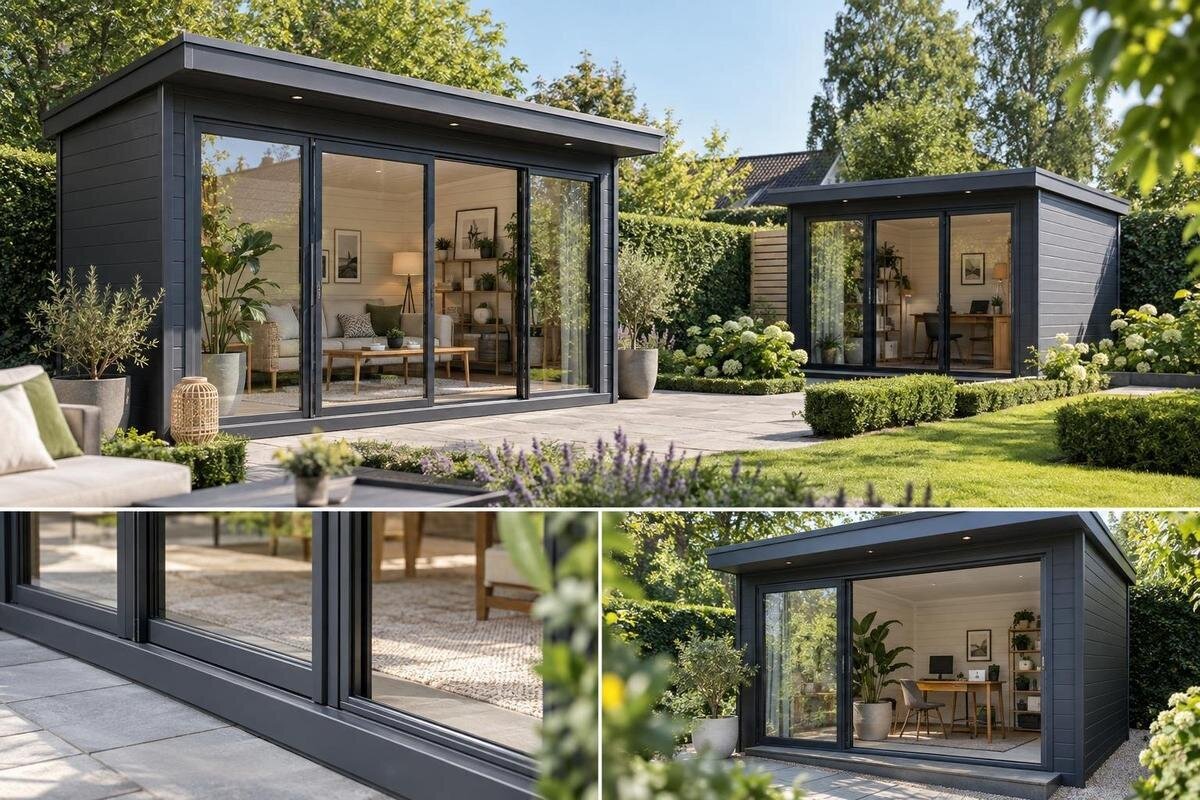
Buying a garden house with a large glass front means comparing more than the amount of visible glass. The front affects daylight, privacy, access, usable wall space, and the way the building relates to its setting. At the same time, a photo cannot confirm the glazing type, the frame construction, or how much of the front opens. This guide focuses on the specifications and site questions that help you assess a wooden garden house against your plans, without treating an attractive façade as proof of year-round comfort or a particular level of performance.
Buyer checklist 1
Decide what the glass front should do
Decide what you want the glass front to contribute before comparing models. It might be a clear view from a seating area, daylight for a hobby, or a visual connection to a patio. Those priorities affect where the garden house should sit and how much of its front needs to be glazed. A wide glass area can make an interior feel more open, but it does not establish how private, comfortable, or practical the room will be. The layout of fixed panes, windows, and the entrance matters too. Think of the façade as part of the floor plan, not just a design feature.
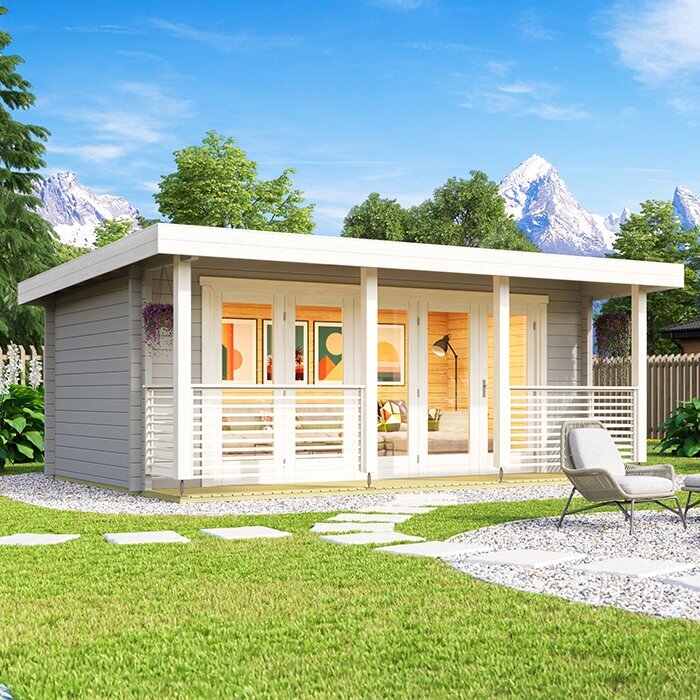
Write down your top priorities and rank them. If an unobstructed view matters more than privacy, plan the site and glazing around that preference; if you want space for shelving or furniture, consider how much uninterrupted wall remains. Use the same questions when reviewing individual listings, such as the Verdana 1 garden house. Check the product page for the exact front arrangement and stated dimensions rather than inferring either from the model name or a photograph. This keeps a visual preference connected to a practical purchase decision.
Compare the glazing specifications
Treat 'large glass front' as a description of appearance, not a complete glazing specification. Ask which portions are fixed, which open, and whether the entrance is included in the glazed width. Then look for the stated glass construction and any performance information the seller provides. If the page lists U-factor or solar heat gain coefficient (SHGC), ask what the ratings cover and compare like with like: U-factor describes heat transfer, while SHGC describes solar heat admitted. Neither number alone describes the whole room. Do not assume every panel uses the same glass, or that a wide view means the whole front opens.
Safety deserves separate confirmation. Ask whether panes in doors or other impact-prone locations use glass suited to their position, and check applicable local requirements with a qualified professional or local authority. The answer can depend on where and how the building will be installed; a product photo cannot settle it. You can also ask how the glass is held in the frame and whether replacement components can be identified if a pane is damaged. When reviewing the Verdana 2 garden house or another listing, record only glazing details that are actually stated. That makes comparisons useful even when product pages use different descriptions.
Buyer checklist 2
Check the wooden frame and finish
Because you are choosing a wooden garden house, ask what material is used for the wall sections, the frame around the glazing, and any trim. Do not assume every visible part has the same construction. A broad opening also makes the surrounding frame and the way it holds the panes important points to understand. Look for clear information about how the frame is assembled and sealed, as well as any stated finish or treatment. A photograph cannot tell you the wood species, whether a surface treatment is included, or what upkeep the manufacturer expects. If these details are missing, ask before ordering and keep the answer with the product information.
Compare care requirements as part of the purchase, not as a later surprise. Ask whether the wood arrives unfinished or with a stated finish, which surfaces need attention after assembly, and what maintenance schedule the manufacturer recommends. Consider the building’s exposure to rain, sun, and splashback at your chosen site, but do not apply a generic coating schedule without checking the instructions. You can review the page for the Durano wooden garden house alongside other listings without assuming its name reveals timber, finish, or construction details. If the frame or glazing interface is unclear, request a diagram or written explanation rather than guessing.
Measure the footprint and usable interior
Separate the outside footprint from the usable floor area and the width of the glazed front. An outside dimension may include wall thickness or projections, while interior clearance depends on the layout; check the drawing and notes to see what each number measures. Mark the intended site on the ground, including room for the entrance to open, a path to reach it, and space to assemble or maintain the building. Leave clearance for the opening arrangement shown in the product information. A wide façade can still leave less uninterrupted wall inside, which matters if you have furniture, work surfaces, or storage planned.
Check the dimensions that affect everyday use, not only the largest advertised number: interior depth, clear entry width and height, opening positions, and any low or sloping areas shown in the drawings. Mark a full-size outline with tape, then place simple outlines where chairs, shelves, or equipment would go. Check that they do not block the entry or cover a pane you want to keep clear. When reviewing the Veltor 1 garden house, use its stated specifications and any plan provided to confirm the exact variant and measurements. Do not estimate scale from an image, since camera angles and landscaping can distort it.
Buyer checklist 3
Check how the front opens and how you enter
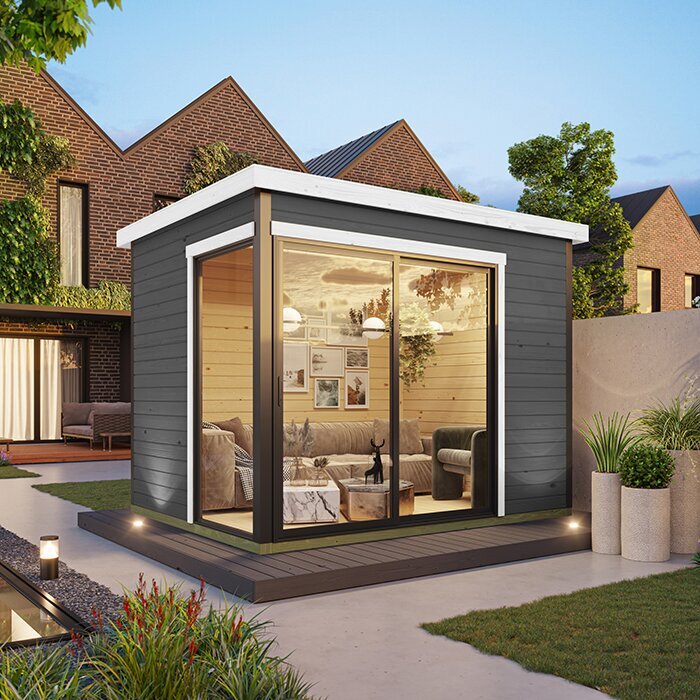
Do not equate a glass front with a fully openable façade. A design can combine fixed panes with one or more opening elements, and the usable entrance may occupy only part of the glazed area. Find the stated opening layout and clear opening measurements, then check whether the door or window position suits the path you will use. If hinged panels are shown, consider their swing; for another specified opening system, check what space it needs and how it is secured. The aim is not to prefer one mechanism but to understand how people and objects will pass through the opening.
Think through ordinary access: carrying in a chair, moving a garden cart, entering with your hands occupied, and reaching handles or locks. Check the threshold, any step, the location of opening controls, and whether the door can be secured as you need. Ask whether screens, locks, or other fittings are included or optional; a drawing may show parts that are not part of the order. When reviewing the Orello 1 garden house, confirm the exact front configuration and included items before comparing it with another layout. The main question is whether the clear opening works for your route and furniture.
Choose a site for light, privacy, and access
Evaluate the intended spot at different times of day, not just from the view you get while planning. Notice where direct sun falls, how shade from trees or nearby structures shifts, what the glazed front would face, and whether people outside can see in. Exposure changes with season and surroundings, so one quick look may miss glare or privacy concerns. A glass-heavy façade can admit daylight, but the result depends on its orientation, obstructions, and glazing details; no single compass direction guarantees the same experience in every yard. If privacy matters, map sightlines from paths, windows, and neighboring outdoor areas before fixing the layout.
Check the physical approach as carefully as the view. The entrance should connect naturally to a path, and you should be able to reach the exterior for cleaning and upkeep. Note nearby branches, overhangs, runoff, and anything that could obstruct assembly or future access; ask the manufacturer or installer if a site condition raises a concern. Confirm any local siting or permit questions with the relevant local authority or a qualified professional rather than relying on a general product description. Assess a listing such as the Modano 1 garden house against your actual site plan, not as a guide to where the building belongs.
Buyer checklist 4
Confirm the base, assembly, and delivery plan
Site preparation and installation affect whether the chosen size can be placed as planned. Read the manufacturer’s base requirements and installation instructions for the exact model, and confirm the required footprint, surface, levelness, anchoring guidance, and clearances. Do not derive a foundation or anchoring method from a photograph or another building; ground conditions and product requirements vary. If the site is sloped, drains poorly, or has uncertain soil or utilities, ask a qualified installer or other appropriate professional to assess it. Before you order, make sure the building, base, and access route can work together without relying on a guessed solution.
Ask what assembly involves and who is responsible for it. Check whether the order is a kit or an assembled unit, what components and glazing are included, whether the instructions identify tools or extra materials, and what help or specialist skills the manufacturer recommends. Glass needs careful handling, so confirm the seller’s packaging, unloading, and damage-reporting process rather than assuming delivery includes installation or placement at the final site. Compare truck access, turning space, gates, and overhead obstructions with the delivery instructions. Use the Veltor 2 garden house page to identify the exact option, then verify assembly and site requirements in its documentation.
Match the building to its intended use
Choose the garden house for a defined use: occasional sitting, a hobby area, a place to enjoy the garden, or another purpose stated by the manufacturer. A large glazed area can help maintain a visual connection to the outdoors, but it does not prove that the interior is insulated, weather-tight for every season, ventilated, or suitable for extended occupancy. Check the stated intended use and look for explicit details on the roof, walls, glazing, seals, and ventilation. If those details are missing, ask directly. Do not treat the words 'garden house' or a comfortable-looking photo as evidence that the building functions like a permanent room.
Consider comfort on bright and cloudy days, including how you will manage glare, privacy, and airflow. Find out whether any window or door opens for ventilation, what fittings are included, and whether the product instructions describe the climate or season for which it is intended. If you plan to add heating or electrical equipment, check feasibility and applicable local requirements with qualified professionals before buying; do not assume the structure is prepared for those systems. Compare the Veltor 3 garden house with other options only after checking its stated intended use and construction, not as a promise about comfort.
Buyer checklist 5
Compare specifications across exact model variants
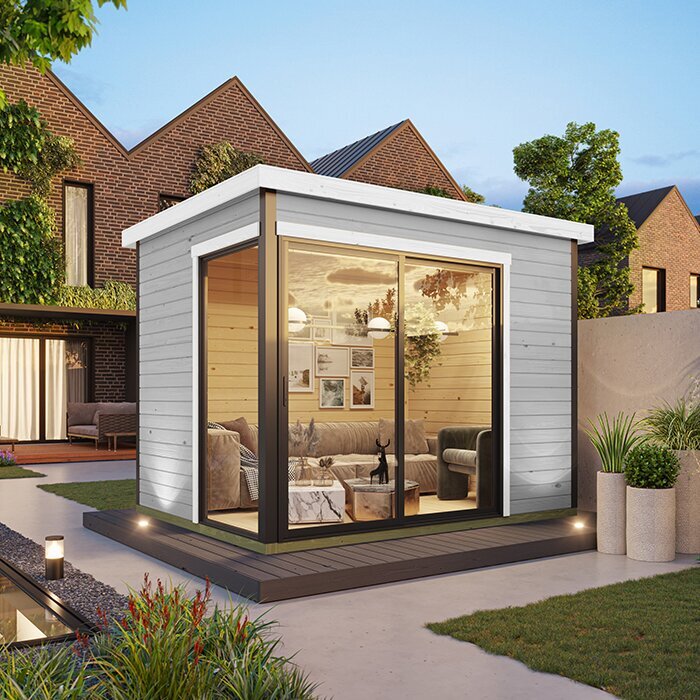
Create a side-by-side comparison for each model you are considering. Record the outside and interior dimensions, the glass area or front layout if stated, which panels open, frame and finish information, base requirements, and intended use. Put unlisted information in a separate column instead of filling gaps with assumptions. Use the same units and check whether dimensions refer to the building, floor, or opening. A model code or similar-looking photograph is not enough to establish that two versions share the same glass, dimensions, or included fittings. Comparing complete facts makes the trade-offs visible without overvaluing an attractive rendering.
Look for the exact selected variant on the product page and in any order summary. Check the product title, model identifier, drawings, and written description together, because a variant can be easy to confuse with another option in the same range. Clarify whether dimensions include projections or refer only to the main structure, and whether glazing, hardware, a floor, or finish products are included. If a detail conflicts across the page, pause and request written confirmation tied to the model you intend to buy. Keep that confirmation with your order paperwork so you can check the delivered components against what you selected.
Review the order terms before checkout
Read the order terms alongside the product specifications. Confirm the quoted total and any separately listed delivery, unloading, assembly, base, finishing, or accessory costs; the product price may not cover every part of a completed installation. Check delivery access and responsibilities, timing as stated by the seller, what to do if a package or pane arrives damaged, and the applicable cancellation, return, and warranty terms. Do not assume these conditions are identical across products or regions. If the listing does not make an item clear, get the answer before paying and save the final quote and terms for the exact model and variant you selected.
Finish by checking the route from purchase to a usable garden house: who will receive and inspect the shipment, where components can be stored if assembly is later, which preparatory work is yours, and whom to contact about missing or damaged parts. Compare the full project, not just the model price, with the space and budget you have set aside. A larger glazed front may be the right visual choice, but its value depends on whether the glass and wood are clearly specified, access works, and the site can accommodate it. When those points line up, you can order with a clear understanding of what is included and what remains to be arranged.
Frequently asked questions
Does a larger glass front always make the interior brighter?
Not necessarily. Daylight depends on the front’s orientation, nearby shade, obstructions, and glazing. Consider the building’s actual location and look for stated glazing details rather than judging brightness from a product photo.
Does a glass front mean the whole front opens?
No. The glazed area may include fixed panes as well as an entrance or opening windows. Check the layout and clear opening measurements for the exact model and variant.
What glazing details should I ask about?
Confirm the glass construction, which sections are fixed or operable, and any stated performance ratings. Ask whether panes in doors or other impact-prone locations are suitable for their position, and check applicable local requirements with a qualified professional.
Can I use a glass-front garden house year-round?
Do not assume so from the appearance. Check the manufacturer’s stated intended use and details for the walls, roof, glazing, seals, and ventilation. If your plans depend on heating or electrical equipment, consult a qualified professional before buying.
How can I tell whether the garden house will fit?
Check the outside footprint, usable interior dimensions, and clear entry measurements. Mark the footprint on the site and allow for the entrance, assembly, access, and any furniture or equipment you plan to place inside.
The right choice is not simply the garden house with the most glass. It is the one whose glazing, wooden frame, dimensions, access, and intended use suit the site and the way you plan to use the space. Confirm the details that matter most to you, especially where a photograph or general description leaves room for doubt. With the exact variant, site requirements, and order terms clear, you can make the purchase with realistic expectations about both the view and the building behind it.
