
How to Buy a Garden House on a Fixed Budget and Prioritize Essentials
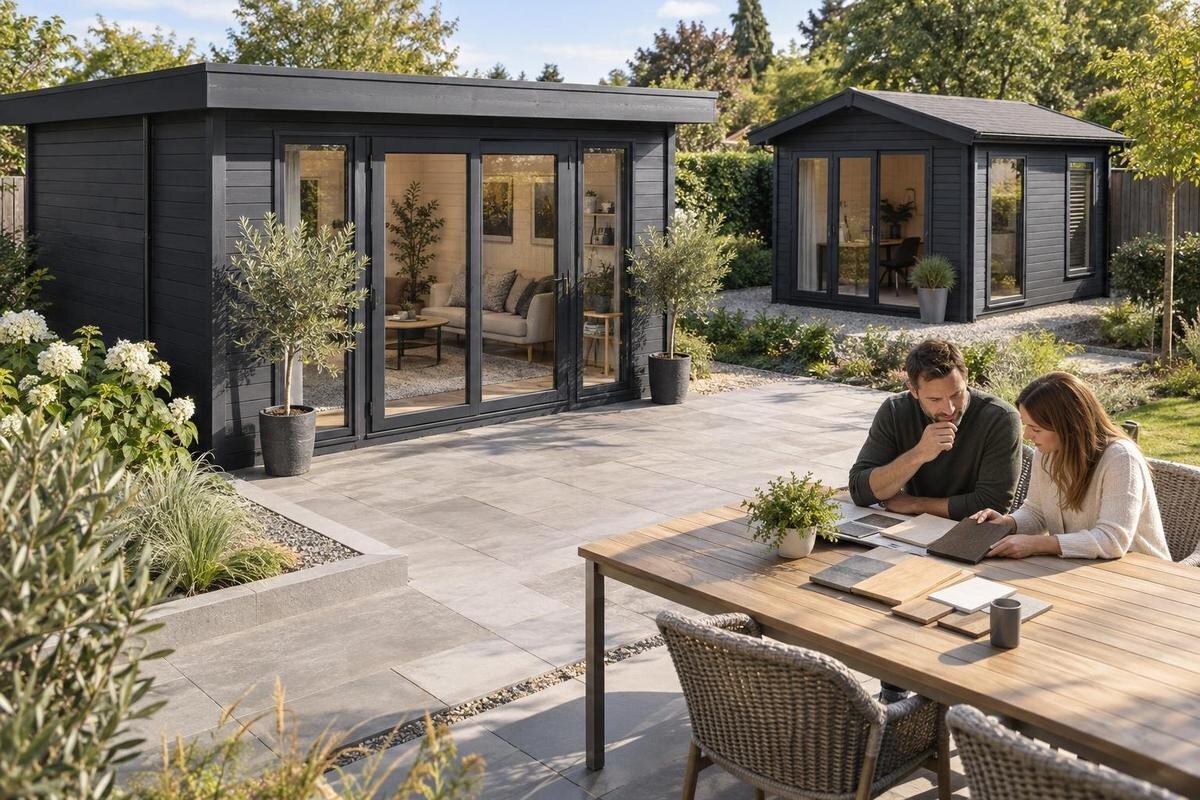
Garden house buying guide
When you’re buying a garden house on a fixed budget, the lowest listed price is only one part of the decision. The practical question is what the garden house needs to do and what it will cost to make that use possible. Set a spending ceiling, define the essentials, and compare the complete project rather than a headline figure. This approach helps you protect usable space, suitable construction, site preparation, and order details while treating appearance-led upgrades as optional unless they solve a real need.
Budget checklist 1
Set a project ceiling before comparing garden houses
Before browsing, decide whether your fixed budget is the maximum for the garden house alone or for the entire project. Those can be different numbers: the purchase may be only one part of site preparation, a base, delivery, assembly, finishing, and any professional work. Write down the amount you can spend without relying on later price reductions or assuming that add-ons will be free. If you need room for an unexpected cost, reserve it deliberately instead of spending the full ceiling on the first quote. Keep optional upgrades separate from your non-negotiable limit.
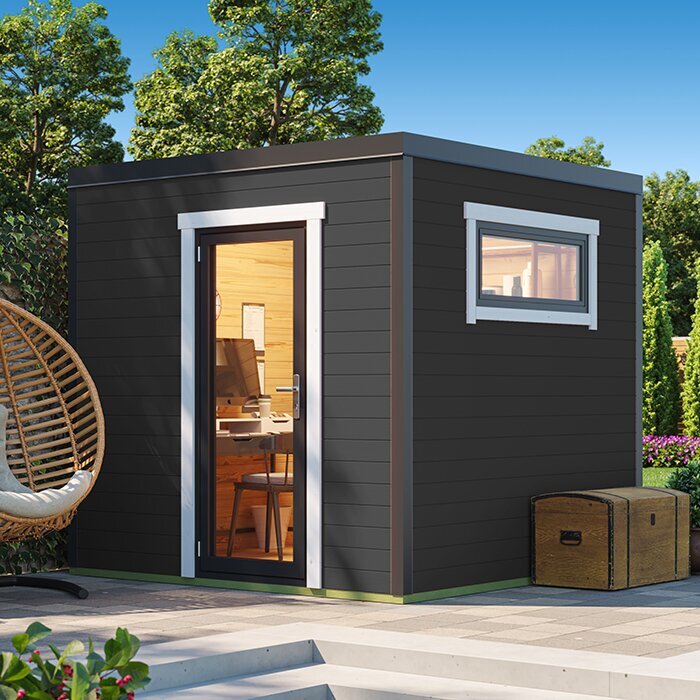
Build a budget sheet with separate lines for the garden house, required options, foundation or base, preparation, delivery and unloading, assembly, finishing, taxes, and any local approvals or professional advice you need to investigate. Mark each line as confirmed, estimated, or unknown; do not enter zero just because a price is not shown. A product page such as Garden House Verdana 1 can be one candidate in the sheet, but its name alone tells you nothing about what a package includes or what the completed project will cost. Request itemized details before comparing totals. This also makes it easier to see which missing figure could change your decision.
Define the garden house’s main job
Describe the main job in one sentence: for example, storing garden tools, keeping seasonal items together, or creating a place for a hobby. Then list what will actually go inside, how often you will use the building, and whether people need to sit, work, or move around among those items. A space used weekly may need a different balance of storage and access than one used only seasonally. This practical description helps distinguish genuinely useful space from a feature that only sounds attractive. If you expect regular work or extended occupancy, identify requirements such as ventilation, power, or a different finish that must be verified rather than assumed from a product photo.
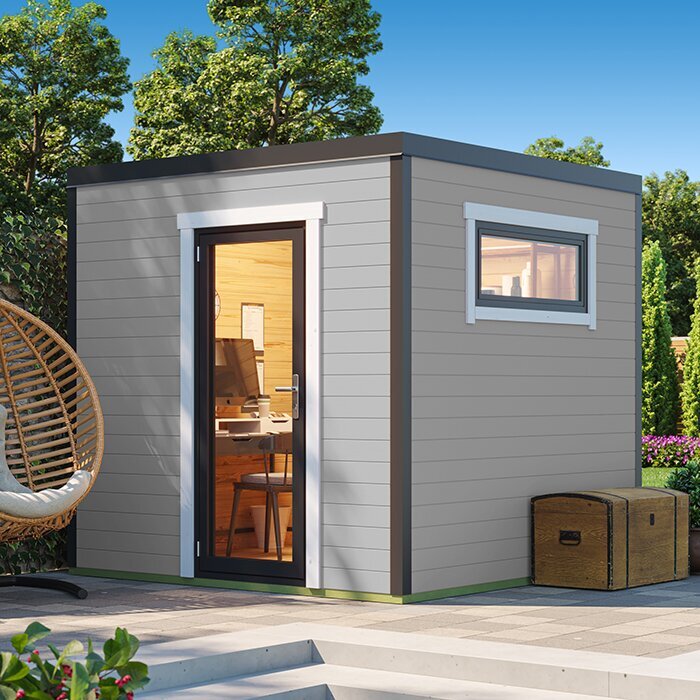
Turn the use statement into a short must-have list: enough internal space for named items, an opening that accommodates them, a layout that leaves necessary circulation, and construction details confirmed for the intended use. Add preferences separately, such as a particular look or extra daylight. Give each requirement a reason and a way to verify it, such as a dimension on a drawing or a written answer. Keep the list short enough to compare across listings rather than tailoring it to one attractive design. A listing such as Garden House Verdana 2 may serve as a candidate, but its title does not establish that it meets your requirements. Check the actual listing information and ask about anything missing.
Budget checklist 2
Choose dimensions from your intended use
Choose dimensions from the contents and layout, not from a vague impression that bigger is safer. Measure the largest object that must pass through the entrance, note the floor space it occupies, and add the room needed to retrieve or use it. For shelves, benches, or equipment, sketch their locations on graph paper or mark the proposed footprint outside. Include space for door operation and any activity area. Then compare your plan with the seller’s stated outside and inside measurements, openings, and drawings; do not estimate dimensions from a model name or image. Where a measurement is missing, mark it as unknown.
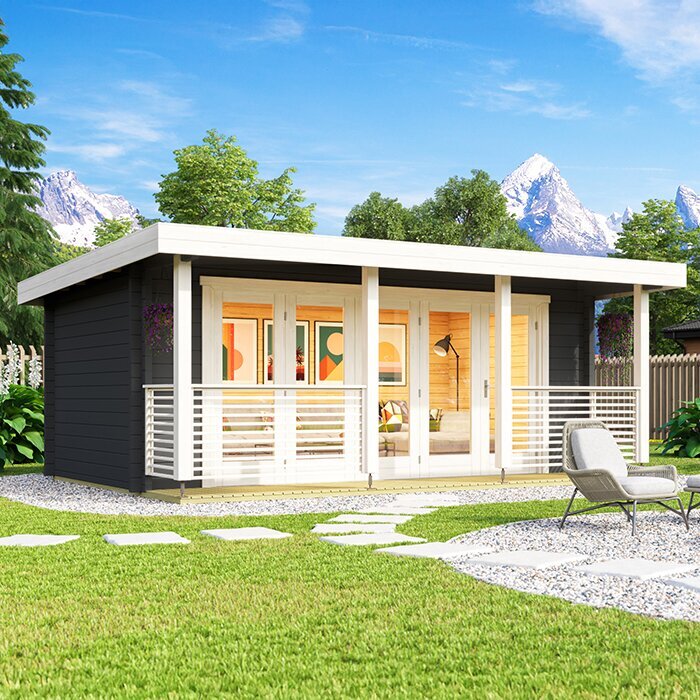
Size affects more than the building price: a larger footprint can change the base, site work, and the amount of yard committed to the project. At the same time, choosing the smallest option purely to meet the budget can leave essential items outdoors or force extra purchases. Decide which dimensions are non-negotiable and where a modest reduction would be workable. Keep a listing such as the Durano garden house on your shortlist only after comparing its published measurements with your layout; the product label is not a substitute for dimensions. If interior clear space matters, ask how the measurements are taken. Note any site constraints that could limit the footprint before comparing options.
Separate essential features from optional upgrades
Sort each desired feature into three tiers: required for the intended use, important if the price allows, and optional. The first tier might include adequate usable area, a door arrangement that fits stored items, construction details suitable for the planned setting, or a foundation requirement you can meet. Optional choices may include decorative upgrades, extra glazing, or a different door style, depending on the listing. None is automatically essential or unnecessary; classify it by the job you need done. A feature required for regular work may be optional for simple storage. Make the distinction testable: “I need to carry in this item” is clearer than “I want a larger-looking building.”
For every nonessential feature, check its added cost, whether it can be omitted from the order, and whether adding it later is practical. Do not assume an upgrade can be installed afterward: some changes affect the structure or layout, so verify the option before using future installation as a budget strategy. A shortlist entry such as the Veltor 1 garden house listing should be assessed against the same tiers as every other candidate. If a feature pushes the total above your ceiling, compare its value with the cost of a basic alternative, not just with its appeal in isolation. Compare the complete revised cost, not a starting price that no longer matches what you need.
Budget checklist 3
Compare the full project cost, not just the listed price
Look beyond the advertised building amount and price the complete path from purchase to usable space. Ask whether the quoted figure covers the parts shown, selected options, delivery, unloading, a suitable base, site preparation, assembly, and finishing; inclusions vary, so get them in writing. Add taxes and any fees or work that apply to your property, and check local rules before assuming a proposed size or use is permitted. If the plan requires utilities or specialized work, obtain a qualified professional’s estimate before treating that item as affordable. Where a quote is not itemized, ask which tasks you must arrange yourself and price them separately.
Compare two or three written estimates using identical categories. Put confirmed amounts in one column and estimates or unknowns in another; a lower building figure is not necessarily a lower total if its package leaves more tasks to you. Ask whether quoted work depends on site conditions and what could change the amount. For instance, the Orello garden house listing belongs on the same worksheet as alternatives, but a listing page alone does not establish final project cost. When quotes use different inclusions, normalize them—or keep them clearly marked as unlike—before ranking them. Save each quote with its date and scope so you can compare what was actually priced.
Check the site and base requirements before committing
The location matters to a fixed budget because a ready-to-use part of the yard and an unprepared area can involve different work. Identify the space available, the access needed for everyday use, nearby obstructions, drainage concerns, and how the new garden house relates to the home and other features. Check local requirements for placement, size, and intended use with the appropriate local authority; do not assume a small building is automatically exempt. A short site sketch with the proposed footprint can help reveal conflicts before you request a base estimate. The aim is to learn which constraints create costs before choosing a package that cannot be placed as planned.
Ask the seller what kind of base the selected design requires, what measurements or site conditions must be met, and whether the base is supplied or sold separately. If the yard needs clearing, leveling, drainage work, or a new foundation, have the work scoped and priced by someone qualified for it. Do not treat an existing patio or platform as suitable without checking the building’s requirements. For a candidate such as the Modano garden house listing, confirm those requirements before counting the project as within budget; its name does not specify the base. Ask what measurements are needed and who is responsible for confirming the prepared area. Keep the building and site-work figures separate so you can see what drives the total.
Budget checklist 4
Compare construction details and expected upkeep
Budget comparisons should include what the garden house is made of and how its components are specified, not just how it looks in a photograph. Ask for the stated material, wall, roof, and floor details; the finish or treatment provided; and information about doors, hardware, and suitability for the intended exposure. Verify the seller’s intended use and any limitations rather than treating a product label as proof of a particular level of protection. Request diagrams, care instructions, or product documentation that applies to the exact configuration you plan to buy. Compare candidates against the same questions so an option with unclear details does not appear equivalent to one with better documentation.
Consider upkeep across the period you expect to own the garden house. Ask what routine care the chosen materials and finish require, what products or labor may be needed, and whether repairs or replacement components are available; do not assume maintenance is minimal because the initial price is low. Check any warranty terms and exclusions offered with the specific purchase, without treating a general description as a guarantee. Record expected ongoing care separately, using the seller’s guidance and a realistic estimate of your own maintenance costs. If the extra work makes one choice less attractive, it may be worth considering another—but only if the written details support the difference.
Match doors and openings to the planned layout
Door and window choices affect whether a garden house works for your task. Measure the widest and tallest items that need to pass through each opening, and verify both the opening dimensions and the clear route inside. If you plan to use a workbench or shelving, place it on a sketch before selecting a window or doorway; a feature can change the wall space available, while the exact effect depends on the design. Check how doors open and whether there is room to use them in the intended position. A narrow opening can matter even when the stated floor area seems adequate, particularly for bulky storage.
Treat glazing, folding or sliding mechanisms, and decorative door choices as functional options with a price and a purpose. They may affect daylight, privacy, storage walls, maintenance, or access differently from one design to another, so verify the actual configuration instead of assuming from product imagery. Review a candidate such as the Veltor 2 garden house listing alongside its plans and option list, then note what is included and what raises the total. Do not pay for a specialized opening solely because its name sounds convenient; compare its measurements with your room layout. If an opening feature does not help with storage, movement, or your intended use, leave it off the must-have list.
Budget checklist 5
Review delivery, assembly, and order details
Before placing an order, confirm the exact model and configuration, dimensions, included parts, selected options, finish, and any exclusions on the quote. Check the stated delivery method, unloading responsibility, charges, and access assumptions, because an unclear delivery line can change the amount you need to set aside. Ask who assembles the garden house if you are not doing it yourself and whether labor, tools, or finishing materials are included. Write down any separate fees before finalizing the budget, even when they are billed outside the building purchase. Keep the final written description next to your budget sheet, and make sure the total matches the scope you intend to buy.
Read the seller’s current terms for payment, changes, cancellations, damage reporting, and any applicable return or warranty conditions before committing. Do not rely on a general page or verbal estimate to answer a detail that matters to your order. Confirm how optional items appear on the final invoice and when any balance is due. If a delivery or installation detail is still uncertain, ask for clarification in writing and leave the related amount uncommitted until you have a usable estimate. If the order is a package, check that each chosen option appears in the confirmation, not just in a conversation. Clear terms help keep an attractive initial figure from hiding an unplanned cost or responsibility.
Compare finalists with the same budget scorecard
Once two or three candidates remain, compare them line by line against your must-have list and the same total-project budget. Mark each requirement “confirmed,” “not met,” or “unknown,” and eliminate a candidate that fails a genuine non-negotiable. For the rest, compare usable dimensions, required site work, construction details, included items, maintenance questions, and the complete quote. Use “unknown” honestly: if an important point is unresolved, request information rather than awarding a pass. Keep the sheet to facts and open questions; a weighted score can help only if essentials remain pass-or-fail. This prevents an attractive photo or unusually low starting price from outweighing the costs that determine whether the purchase will work.
Use optional features as tie-breakers only after the essentials fit. Give each one a maximum amount you are willing to spend, then check whether it adds lasting utility or simply pushes the total toward the limit. Compare listing details rather than assuming similar model names imply a certain size, finish, or package difference: the Veltor 3 garden house listing should be checked against its own specifications, not judged from its number or another listing. Avoid spending to fill the full ceiling by default; an unused amount is preferable to buying a feature you do not need. If no option fits, revisit a preference or timing—not a requirement that makes the garden house suitable for your plan.
Frequently asked questions
Should my budget cover only the garden house package?
Usually, it is more useful to set a ceiling for the whole project. Include the package, base or foundation, site preparation, delivery, assembly, finishing, and any professional work or local requirements that apply. Keep unconfirmed costs visible rather than treating them as included.
How do I decide which garden house features are essential?
Start with the intended use and the items or activities the garden house must accommodate. Make each essential testable—for example, a required clear opening or enough measured space for specific items. Separate preferences from requirements, then verify the essentials against written specifications.
Is the smallest garden house always the most affordable choice?
No. A smaller option may have a lower building price, but it still needs to fit the items and activities you planned for. If it does not, extra purchases or a later replacement could outweigh the initial difference. Compare usable dimensions and complete project costs.
What should I verify in a quote before ordering?
Confirm the exact configuration, dimensions, included parts and options, delivery and unloading arrangements, base requirements, assembly responsibilities, and any excluded work. Ask for unclear details in writing, then compare the quote with the same cost categories used for other candidates.
Can I add optional features later to save money?
Possibly, but do not assume an option can be added afterward. Some changes may affect the layout or construction. Ask whether the feature can be omitted now and installed later, what that would involve, and what it costs before treating deferral as a saving.
A budget-first purchase works when the garden house fits its job, the site, and the total amount you can spend—not when the building price alone looks low. Keep measurements, requirements, quoted extras, and unresolved questions together as you compare. Spend on what makes the garden house usable for your intended purpose, and leave appearance-led options out unless they genuinely matter. A written, like-for-like comparison gives you a clear reason for the final choice and a more dependable picture of what ordering will involve.
