
Buying a Garden House for a Coastal Location
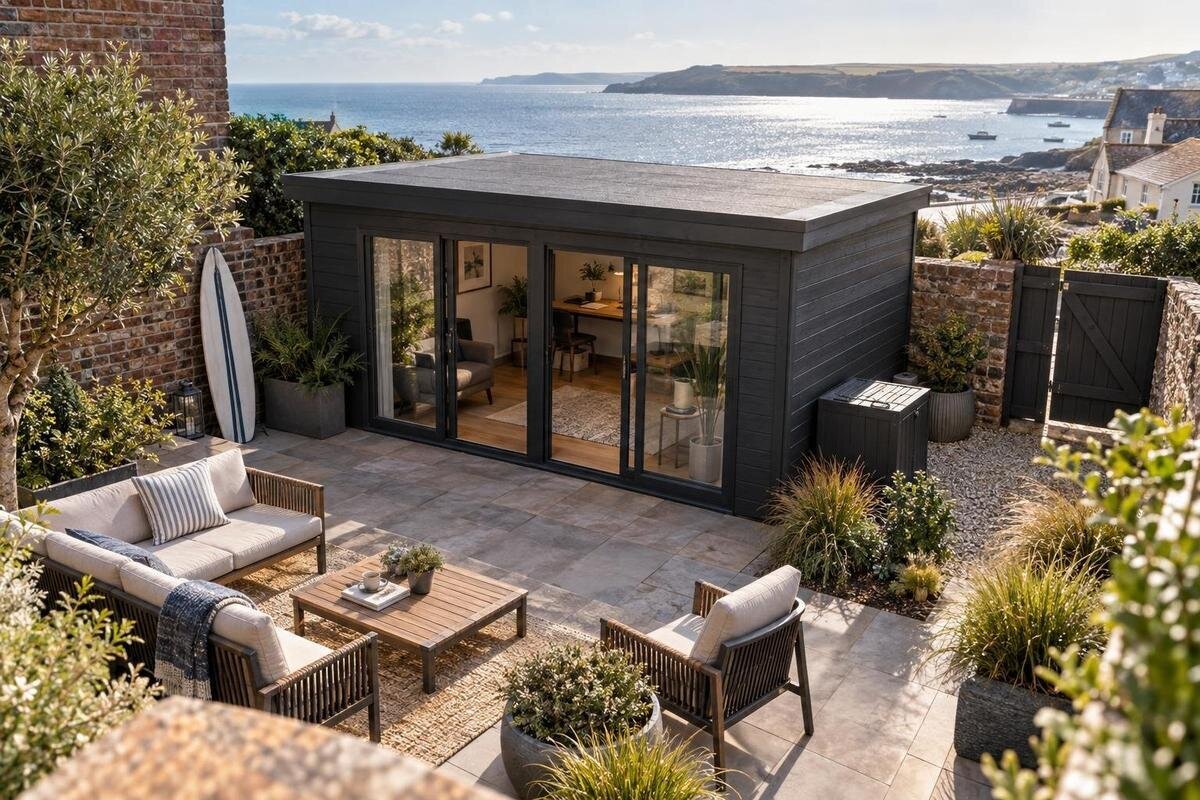
Garden house buying guide
Buying a garden house for a coastal location means matching a building and its support requirements to the conditions on your property. Coastal sites can differ in wind exposure, salt spray, rain, sun, drainage, and access, even within the same area. Begin with the planned use and the exact building site, then verify weather-related performance and installation requirements before ordering. This guide covers what to compare and which answers to get from the supplier or a qualified local professional.
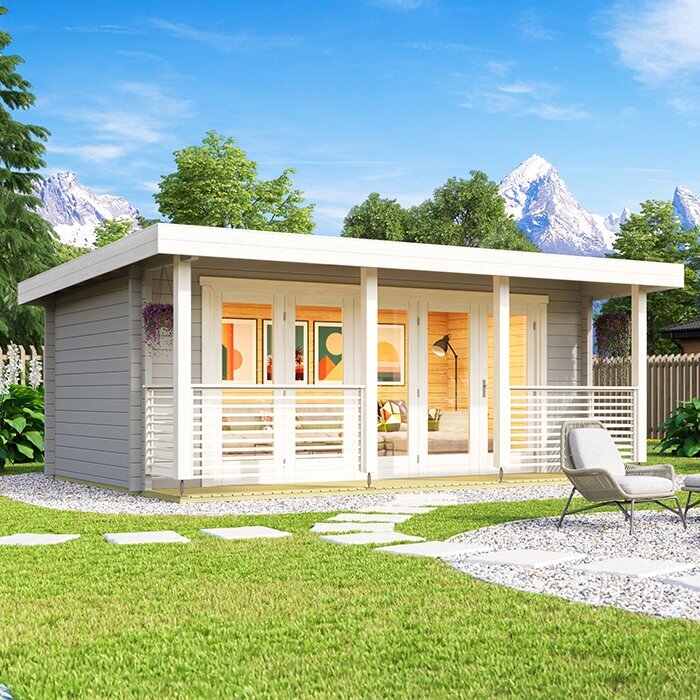
Coastal conditions vary from one lot to another
“Coastal” describes a broad setting, not one uniform set of conditions. A property beside a sheltered inlet may have a different wind pattern from an exposed shoreline; distance to water alone does not tell you how much salt spray reaches the yard, where wind-driven rain hits, or how much sun falls on the proposed footprint. Nearby buildings, trees, and terrain can change exposure, and conditions may vary within one lot. A corner that seems protected on a calm day may feel quite different during seasonal storms.
Before comparing products, make a site record: note which directions feel most open, where salt residue collects on existing outdoor items, whether wind-driven rain reaches the area, and where water lingers after a storm. Mark the proposed footprint and the route you would use to reach the door. If the property is new to you, ask someone familiar with its seasonal conditions rather than relying on a single visit. Photograph the area from several directions and note overhead branches, nearby fences, and changes in ground level that could affect access or drainage. A local professional can assess questions that observation cannot answer. These notes will also help you describe the site clearly when asking suppliers for product-specific information.
Match the garden house to its intended use
Write down what the garden house needs to hold or support before choosing its size and layout. Storage for garden tools, outdoor furniture, bicycles, or hobby supplies calls for different clearances and arrangements. On a coastal property, consider whether items will arrive wet or salty and whether you will need room to separate them from things that should stay clean and dry. Be realistic about how often you will use the space and whether you need an unobstructed area to move larger items in and out. List items that may be added later, too, rather than sizing the building only for what is currently in the yard. A clear purpose also makes it easier to decide which interior access and storage arrangement matters most.
Turn that list into measurements: note the largest item, the height it needs, and how much open floor space must remain for access. Compare those needs with the exact model’s stated dimensions and door opening; do not treat the exterior footprint as usable interior space. Look at the Verdana 1 listing as one candidate to investigate, then confirm its specific dimensions, configuration, and included components with the seller. If an important measurement is not stated, ask before deciding that the model will fit your belongings.
Choose the exact placement carefully
Assess the proposed position as carefully as the building itself. Consider how exposed it is to prevailing wind and blowing rain, how much sun or shade it receives, and whether the route to its entrance will remain convenient for regular use. A nearby wall or hedge may provide some shelter, but that alone does not establish that a garden house is suitable for local weather. Think about whether vegetation could obstruct access or whether the location would make routine inspection and maintenance difficult.
Sketch the footprint and its orientation on a simple site plan. Include paths, existing structures, trees, and places where water tends to collect; note where you would prefer the entrance to face for everyday access. Allow room around the proposed building for reaching exterior surfaces and for opening doors or windows as intended. Then compare the site plan with the exact drawings or opening information available for each candidate. The Verdana 2 listing can be included in that review, but use details confirmed for that specific model rather than assuming its layout from its name or from photographs of another garden house. Keep the sketch with your product questions so that placement decisions are based on the same plan throughout the purchase.
Verify wind performance and anchoring
Wind exposure is a central buying question for many coastal sites, but it cannot be answered by a general claim such as “weather resistant.” Ask the supplier what wind-related design information is available for the exact model and configuration you are considering. Also request its stated foundation and anchoring requirements. Tell the supplier about the intended location, rather than asking only whether the building is appropriate for a coastal area. Those details need to be assessed against the conditions at your property; a qualified local contractor or structural professional can help determine whether the proposed arrangement is appropriate. Resolve this before ordering, since changing the location or support plan later may affect the rest of the project.
Do not infer wind suitability from a building’s appearance, apparent weight, wall thickness, or the way a product photo is framed. The building, its connections, and its support requirements need to be considered together. For any shortlisted model, including the Durano listing, ask for product-specific documentation and written answers to your questions. If the information does not cover your site conditions, treat that as an unresolved purchase issue and seek a professional assessment rather than relying on a broad marketing description.
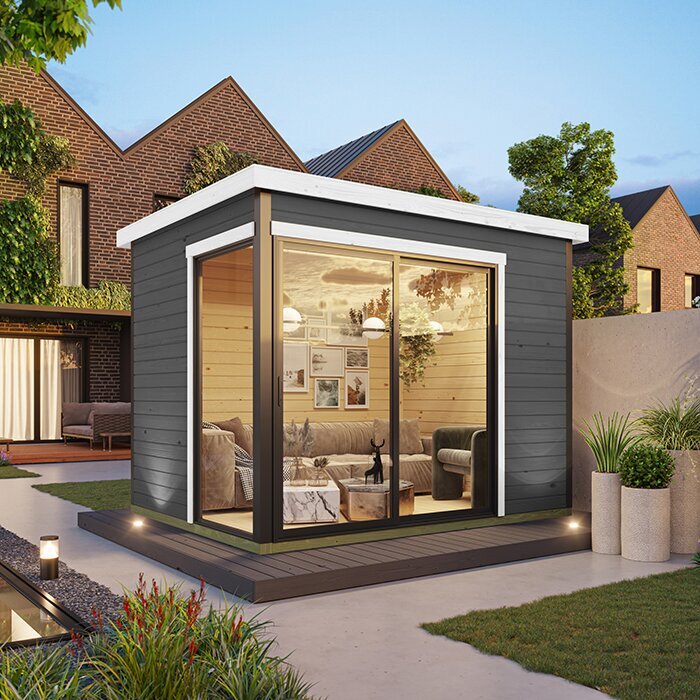
Compare materials and ongoing maintenance
Salt, sun, and moisture can affect exposed finishes and hardware, but the impact depends on the site and on the materials and protective treatments used. Ask what materials are used on weather-exposed parts, including fasteners and hardware where present, and what finish is supplied. A general description of the main structure does not necessarily explain the treatment of every component. If the supplier does not provide those details, request them instead of assuming that a material name alone describes its performance in salt air.
Ask for the manufacturer’s care guidance before comparing maintenance demands. Find out what needs routine inspection or cleaning, whether any surfaces require periodic treatment, and which products or replacement parts are appropriate. Ask how to recognize conditions that call for attention, such as damage to a finish or corrosion on exposed components, and keep the guidance with your order records. Use the instructions for the exact model rather than borrowing a schedule from another building. When reviewing the Veltor 1 listing, for example, look for model-specific material and care information; the name or appearance does not establish how much upkeep it will need. Consider that effort alongside the space and function you want.
Check drainage, flooding, and foundation requirements
Water exposure near the coast can take several forms: wind-driven rain, runoff across the yard, standing water after a storm, high groundwater, or broader flood exposure. These are different concerns, and a spot that looks dry during a viewing may not show how it behaves in wet weather. Check the proposed location after rain when possible and ask people familiar with the property about recurring water problems. Observe whether water moves toward the proposed footprint from roofs, paths, or higher ground, and whether the route to the building becomes muddy or difficult to use. For flood concerns, consult relevant local information or a qualified professional rather than relying on a quick visual check. A site plan should identify water issues separately from ordinary surface drainage.
Ask the supplier for the exact model’s foundation requirements and clarify what is, and is not, included in the order. A qualified local professional can assess whether the site and proposed support arrangement suit the property; do not assume an existing surface or a dry-looking patch is adequate. For a candidate such as the Orello 1 listing, verify the requirements for that exact configuration before purchasing. If the proposed location has recurring water issues, resolve the placement and support questions before you commit.
Ask how the building manages rain and moisture
A garden house is not automatically watertight, insulated, or humidity-controlled. If you plan to store textiles, paper, equipment, or other items that are sensitive to moisture, ask what weather-protection details the exact model provides. Check the available information about the roof, floor, joints, doors, and windows, and ask whether performance has been documented for any of them. Do not assume that an enclosed space will keep every item dry through coastal weather.
Rain protection and interior humidity are separate questions. Damp air or condensation may still affect belongings even when water does not visibly enter, so ask what interior conditions the manufacturer expects and whether additional storage protection is advisable for your intended use. Consider how you will bring damp equipment inside and where it can be set down without affecting more sensitive belongings. If you want a hobby area, also consider the available light, ventilation, and room to work, based only on details confirmed for the model. The Modano 1 listing is one page you can review, but confirm its specific features and limitations with the seller rather than inferring them from its name. This distinction helps prevent storage expectations from being based on enclosure alone.
Review openings, access, and usable dimensions
Doors and windows can affect access, daylight, and exposure, so compare their actual configuration rather than judging a photo alone. Check the stated opening dimensions, any available information about glazing and weather seals, and how the openings are intended to be operated and maintained. Ask whether the supplier has guidance for the site’s wind and rain exposure. The presence of an opening does not by itself establish its weather performance, security, or suitability for your planned use.
Measure the approach to the entrance as well as the space inside. Consider whether you can bring in the largest item you plan to store, turn it as needed, and reach other belongings without rearranging everything. Include the width of gates, path turns, steps, and any low branches along the route from the place where items are unloaded. Check the drawings for the exact model and variant; do not assume two similarly named products share the same openings. When reviewing the Veltor 2 listing, confirm the supplied configuration and dimensions with the seller before comparing it with your site plan. This check is especially useful when the building will serve several functions rather than simple seasonal storage.
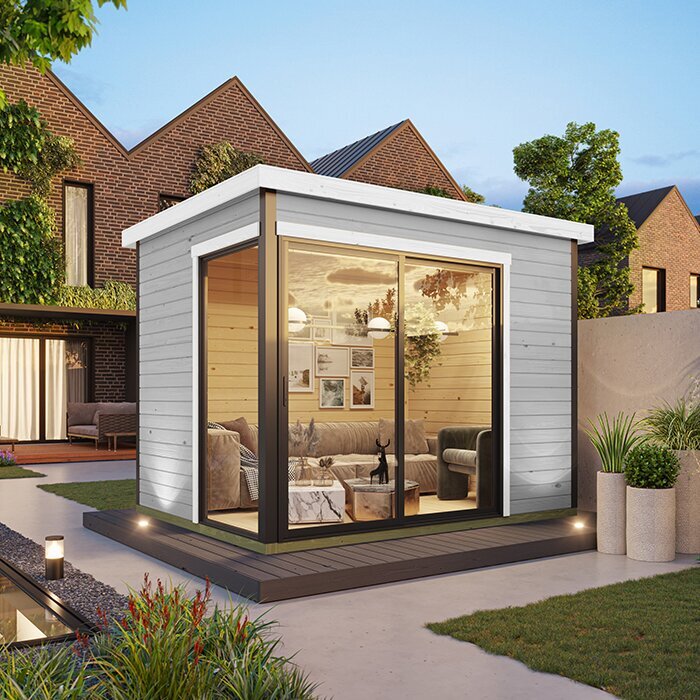
Compare total project cost and order scope
The purchase price is only one part of the decision. Depending on the property and the chosen model, you may also need to account for a site assessment, an appropriate foundation, installation, finishing, maintenance, or locally required reviews. These are planning categories, not a prediction of what your project will cost. Make a separate list of work that must happen before the building can be used, so preparation is not confused with the contents of the product order. Ask which items are included in the quoted order and which are separate, and compare candidates on the same basis so that an apparently simple price comparison does not omit necessary work. Written notes make it easier to compare answers received at different times.
Before ordering, request a written summary for the exact model and configuration. Confirm the included components, dimensions, finish, support requirements, and any responsibilities for preparation or assembly; ask what information is available about handling the components between delivery and assembly if that timing matters to your plans. Use a candidate such as the Veltor 3 listing as a reference for checking the chosen model against the written order, not as a substitute for those details. Resolve uncertainties before you commit.
Confirm local requirements before ordering
Requirements can vary by location and property, so check before committing to a size or placement. Ask the relevant local building department whether rules affecting structures, land use, coastal areas, or flood exposure may apply to your project. If your property is subject to an association or other recorded restrictions, check those as well. The details can depend on the parcel and intended use; a product page, a neighbor’s garden house, or a supplier’s general advice cannot establish what is allowed at your address.
Bring your site notes, planned use, product information, and foundation questions into one final comparison. A useful shortlist records what is confirmed, what still needs an answer, and who can provide it. Include the exact model and configuration beside each answer, since information that applies to one option may not apply to another. Do not let an attractive design or an appealing footprint obscure unanswered questions about wind, water, maintenance, support, or local requirements. The best choice is the one whose verified details fit both the way you will use it and the conditions of the specific coastal site. Taking time to close those gaps before ordering can make the final decision easier to explain and carry forward.
Frequently asked questions
Are all garden houses suitable for coastal winds?
No. A coastal location or a sturdy appearance does not establish that a particular model is designed for your site. Ask the supplier for wind-related design information and the model’s foundation and anchoring requirements, then have a qualified local professional assess whether they fit your property.
Does salt air rule out metal hardware?
Not necessarily, but salt exposure can contribute to corrosion, and performance depends on the metal, protective finish, exposure, and maintenance. Ask what is used for exposed hardware and what care the manufacturer recommends rather than assuming every component is protected equally.
Can I place a garden house on an existing patio?
There is no universal answer. The surface, its condition, and the garden house’s own support requirements all matter. Confirm the exact model’s requirements with the supplier and ask a qualified professional to assess whether the existing base is appropriate for the site.
Will a garden house keep stored items dry?
Do not assume it will. Verify the model’s roof, floor, joints, door and window details, and any stated weather-performance information. Even when rain is kept out, humidity and condensation can still affect some belongings, so ask about expected interior conditions.
Do I need approval before ordering?
Requirements vary by location and property. Check with the relevant local building department and, if applicable, your property association before committing. Ask specifically about the proposed size, placement, intended use, and any coastal or flood-related considerations that apply to your parcel.
A coastal location is not a specification, and no single feature settles the buying decision. Compare the garden house against your intended use, the exposure at its exact position, the care it will need, and the requirements for its support and placement. When the important details are confirmed for both the model and the property, you can choose with a clearer understanding of how the building will fit your plans.
