
How to Buy a Garden House for a Hobby Room
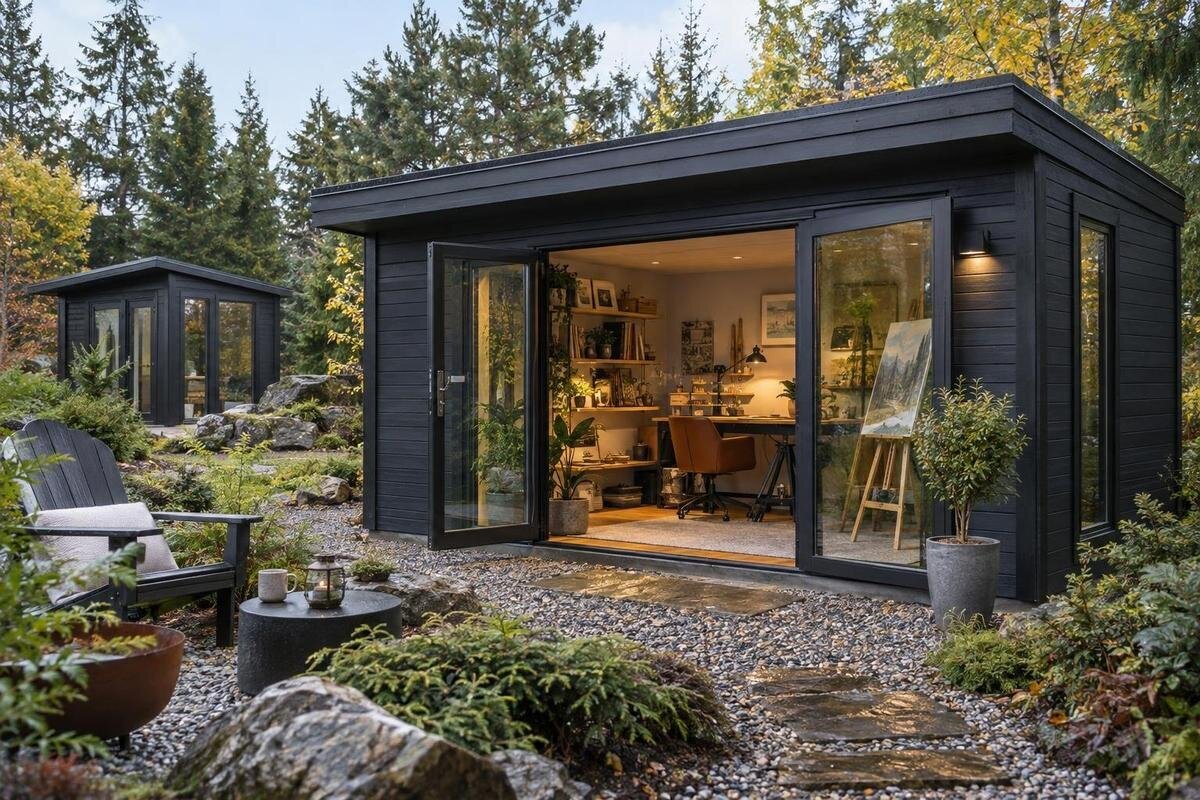
Garden house buying guide
Buying a garden house for a hobby room is less about finding a building that looks creative and more about making sure the work fits once tools, materials, storage, and people are inside. A small craft may need little floor space; a bench-based or messy project may need room to move, good task lighting, and a plan for air movement. Begin with your projects and garden, then compare usable dimensions, openings, included features, site requirements, and ordering terms. Treat photos as a visual aid, not a specification, and do not assume a garden house has the insulation, ventilation, or services a particular hobby requires.
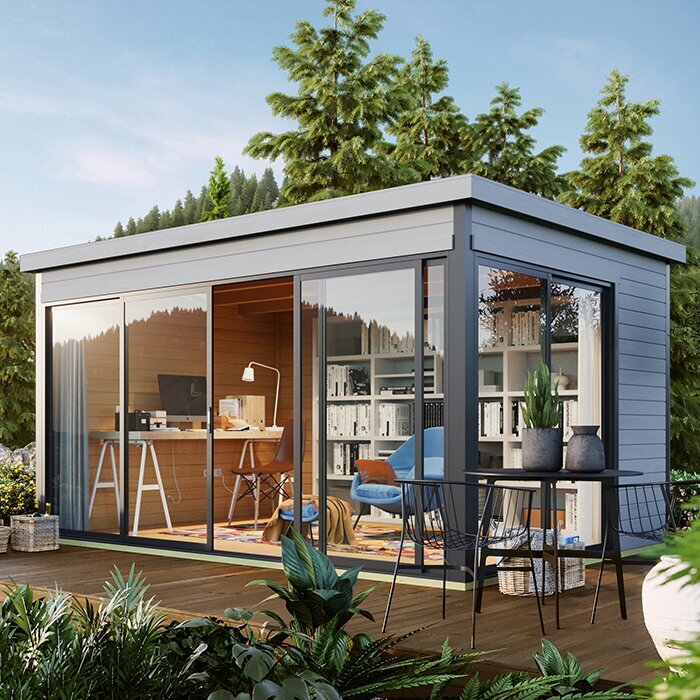
Buying checklist 1
Define the hobby before comparing buildings
Write down what happens during a typical session, from setting up to putting things away. Note the largest tool or project you bring inside, whether you need a permanent bench, how much open surface you use, and whether work must sit undisturbed between visits. Include the steps around the hobby: sorting parts, laying out fabric, cleaning brushes, or storing a project in progress. A seated craft and a project involving long materials or several people create different space needs. This list is a more useful starting point than choosing a building because it looks like a studio in a photograph.
Separate firm requirements from features you would enjoy but could do without. A must-have might be room to use a particular machine safely, a wide enough doorway for equipment, or a place to keep materials out of the weather. Preferences might include extra space for a second hobby or a particular exterior style. If you have several activities, decide which one sets the minimum size and which can share a surface or storage area. If the Verdana 1 garden house listing is on your shortlist, compare the details stated there with this written brief; do not treat the model name or images as a specification.
Calculate usable space, not just the footprint
The advertised footprint is only a starting point for planning the room. Exterior measurements do not necessarily show how much clear floor area remains inside, so check stated interior dimensions as well. Compare those figures with the largest piece of equipment you need to move in, the dimensions of your bench, and the room required to sit or stand comfortably at it. Check the doorway’s clear opening and the interior height where tall equipment or shelving will go. Measure furniture including handles or protruding parts that affect how it passes through the entrance.
Sketch the floor plan on graph paper or mark the proposed building’s dimensions on a level area with a tape measure. Add the bench, cabinets, chairs, and the path between them; show door movement and any drawers or cupboard doors when open. That extra outline often reveals a pinch point that a simple room measurement misses. If a workpiece needs to turn or be carried through the room, include the space to maneuver it. When reviewing the Verdana 2 garden house listing, use its stated measurements, if provided, to check both the room and the access route rather than estimating from an image.
Buying checklist 2
Arrange the work zones around your process
Think through the order of tasks and place the main work area accordingly. A model-making project might move from parts storage to a bench and then to a protected drying spot; sewing may need room to cut, stitch, and press. Keep the most-used supplies close to the task they support, and avoid making the natural route from the entrance to the bench run through a crowded storage area. If one hobby creates dust or debris while another needs a clean surface, decide whether they can share the room at different times or need separate zones.
Check how fixed workbenches, freestanding tables, and storage will relate to openings and each other. A large surface may be useful for spreading out a project but leave too little room to move if placed across the main route. If a bench has to stay in one position, confirm that you can still reach the rest of the room and bring materials to it. If you are considering the Durano wooden garden house listing, compare its stated layout or dimensions, when available, with your sketched zones; the product name alone cannot tell you whether your arrangement will fit.
Plan storage for tools and materials
List what must stay in the room and sort it by how often you use it. Keep frequently handled tools and supplies close to the work surface; items used only occasionally can go farther away, as long as they remain accessible. Note the dimensions of bins, drawers, and larger materials before choosing shelving. Deep storage can take up more floor area than expected, while wall-mounted storage may help leave the center of the room clear. If you plan to add shelves, verify suitable fixing points and any relevant load guidance rather than assuming every wall can support them.
Consider how your materials need to be stored, not only how much room they occupy. Paper, fabric, paints, and components may have different handling or storage instructions, so check the product labels and plan a suitable place for each. Keep work-in-progress separate from everyday supplies if it needs to remain undisturbed. Compare written inclusions with anything shown in a staged image: a shelf or cabinet visible in a picture is not necessarily part of the building. For example, use the Veltor 1 garden house listing to check which storage features, if any, are actually specified before counting them in your plan.
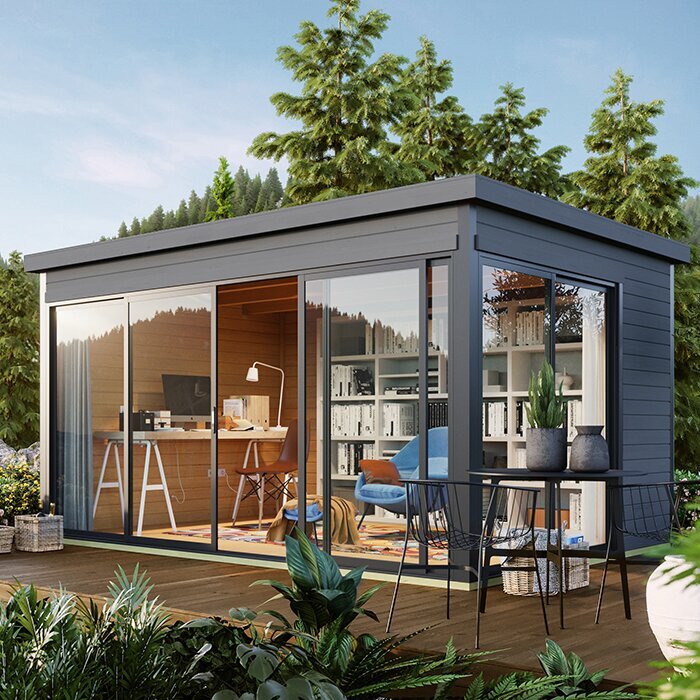
Buying checklist 3
Use daylight without overlooking glare
The amount and direction of daylight affect how a hobby room feels and how well you can see detail. Consider when you usually work and observe the proposed location at those times. Nearby trees or buildings can cast shade, and that pattern may change as the sun moves or foliage changes. Painting, drawing, sewing, or other color-sensitive work may benefit from a consistent work light as well as daylight, since natural light varies. Decide whether the main bench should sit near an opening or whether even, controllable light matters more than a bright patch of sun.
Think about where window openings would sit in relation to your bench, storage, and the garden. Light from one direction can create glare on a work surface or make a screen difficult to see, while a window behind shelving may not help much with the task. Check any stated opening positions and dimensions in product information or drawings; do not estimate them from a single photograph. When comparing the Orello 1 garden house listing, use the written details that are available to assess openings and their placement against your layout, not as proof of how bright the finished room will be.
Match ventilation to the materials and work
Ventilation needs depend on what happens in the room. A quiet handcraft may have different requirements from painting, sanding, gluing, or a project that creates dust or strong odors. Make a list of the materials and processes involved, then check their labels and handling guidance to understand what controls are needed. A window that can be opened may help with fresh air, but it is not automatically equivalent to a suitable ventilation or dust-control system. Consider the room layout too: stored supplies should not block openings or the work area.
Check whether the product details specify openings or ventilation features, and distinguish those stated features from assumptions based on appearance. If you use solvents, spray products, fine dust, or materials with specific ventilation instructions, ask a qualified specialist whether the proposed building and ventilation plan are appropriate for that work. Do not rely on a general-purpose garden house description to answer a hobby-specific safety question. When reading the Modano 1 garden house listing, record only the opening or ventilation details that are actually stated; ask for clarification if the information you need is missing.
Buying checklist 4
Check comfort for the seasons you plan to use it
Decide whether the room is for occasional warm-weather projects or regular use across more of the year. Your answer affects which building details deserve close attention. Check the product information for features relevant to comfort, such as insulation, the floor, windows, and weather protection, rather than assuming they come with every garden house. Also think about direct sun, cold surfaces, and the amount of time you expect to spend working there. A building that suits a short craft session may not provide the conditions you want for a long, detailed project.
Make a separate list of changes or services you may need beyond the building itself. This could include task lighting, an electrical supply for equipment, heating, or a particular interior finish, depending on the hobby. Confirm what is included and what would require additional work; do not infer services or performance from a design label or an attractive image. If your plans involve wiring, electrical equipment, or heating, discuss them with a qualified professional before ordering. For a candidate such as the Veltor 2 garden house, count comfort features only when they are explicitly described.
Plan the garden location and access
Measure the proposed location and the route to it, not just the area where the building would stand. Check the space needed for doors to open, movement around the exterior, and access for the activities you have planned. Consider the relationship to paths, trees, fences, and the parts of the garden you use regularly. A location that looks open in a photograph may have practical constraints on the ground. Check applicable local requirements with the relevant authority before choosing a final position; do not assume that fitting the building into the yard is the only siting consideration.
Before placing an order, find out what site preparation the selected building requires and how it will be brought to the intended location. Confirm access constraints, the dimensions of any supplied components where available, and who is responsible for assembly or other work. Ask what sort of base is required for the specific product and consult a qualified installer if the ground or proposed base raises questions. Read any site-preparation information supplied with the Veltor 3 garden house listing alongside its stated dimensions; resolve unclear requirements before scheduling the project.
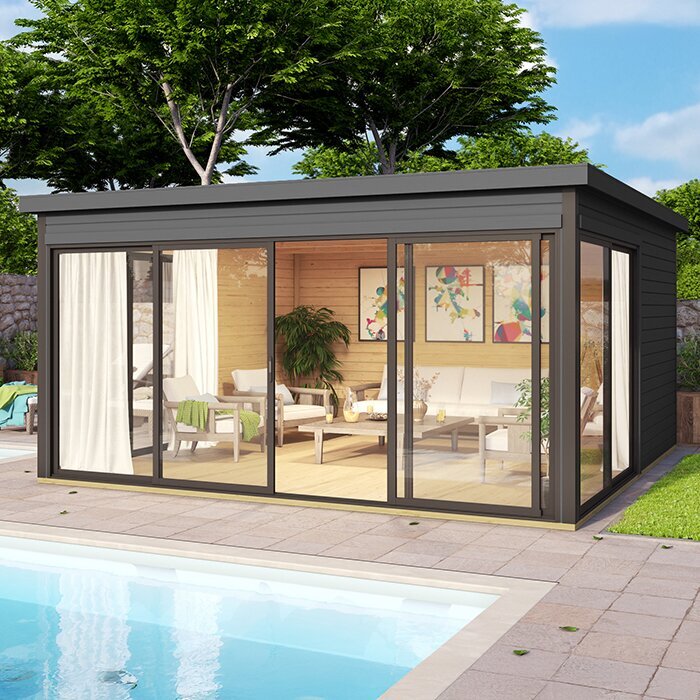
Buying checklist 5
Budget for the complete hobby-room project
Compare the cost of the whole project, not only the building. Depending on your plans, you may need to account for site preparation, a base, interior finishes, workbenches, shelving, lighting, ventilation, or professional services. Delivery and assembly may also affect the total, so confirm what is included rather than assuming either is covered. Ask for current details for any work or items that are priced separately, then compare candidates using the same list. This makes it easier to see whether a lower initial price still suits the complete project or leaves important requirements unresolved.
Separate essentials from upgrades before deciding where to spend. A useful work surface and storage arrangement may matter more to your hobby than decorative extras, while a light-sensitive task may justify prioritizing planned lighting. Review the written description for included components and optional accessories, and note any finishing or upkeep requirements that are specified. Check the applicable purchase, delivery, assembly, warranty, and return terms before paying. Do not assume that similar-looking listings include the same parts or conditions; compare the details for the exact model and configuration you intend to order.
Verify the exact choice before ordering
Make one final plan using the measurements and openings stated for the specific product you have chosen. Place the bench, equipment, storage, and access route on that plan, including the clearance needed to open doors and use drawers. Check that the largest item can pass through the entrance and that the layout still works when a chair is pulled out or a project is left in place. If the arrangement only fits by blocking the doorway or leaving no usable work area, return to your shortlist rather than hoping the room will feel larger once built.
Then compare the exact product name and configuration in the listing with the details in your order summary. Confirm which components and accessories are included, what preparation is required, and which delivery or assembly responsibilities apply. Resolve unanswered questions about dimensions, openings, or construction before committing, and keep the written information you used to make the decision. If the hobby involves specialist materials, services, or ventilation, settle those requirements separately with the appropriate professional. A careful final check turns your project brief into a purchase that matches the room you intend to use.
Frequently asked questions
How much space does a garden house hobby room need?
There is no single right size. Plan around the largest item you will bring inside, the work surface and storage you need, and enough clear space to use the room without blocking the entrance. Check interior dimensions and the door opening, not just the exterior footprint.
Can I use a garden house as a hobby room year-round?
That depends on the building’s specified features, your local conditions, and the work you plan to do. Check details such as insulation, floor, windows, and weather protection rather than assuming they are included. If you need electrical service or heating, discuss the plan with a qualified professional.
Do I need windows in a hobby room garden house?
Windows can bring in daylight and may help with fresh air, but the right openings depend on your work and room layout. Consider glare, privacy, and where your bench will sit. Confirm the position and type of openings in the product details instead of relying on a photo.
What if my hobby involves paint, adhesives, or dust?
Check the handling instructions for the materials you use and determine what ventilation or dust control the work requires. Do not assume that opening a window is sufficient. For solvents, spray products, or fine dust, ask a qualified specialist whether the planned space and ventilation approach are appropriate.
What should I confirm before ordering?
Verify the exact model and its stated dimensions, openings, included components, and any optional items. Also confirm site preparation, delivery access, assembly responsibilities, and the applicable purchase and return terms. Check local requirements for the planned location before committing to a building.
A hobby room works best when the building supports the full process, from bringing materials in to putting finished work away. Let your projects set the requirements, then test a realistic floor plan against the stated interior dimensions, access, storage, light, and ventilation. Finally, account for site preparation and any features or services that are not included. Comparing those details before ordering helps you choose a garden house that fits both your hobby and the space available in your garden.
