
Buying a Garden House for Occasional Guests: What to Check Before Ordering
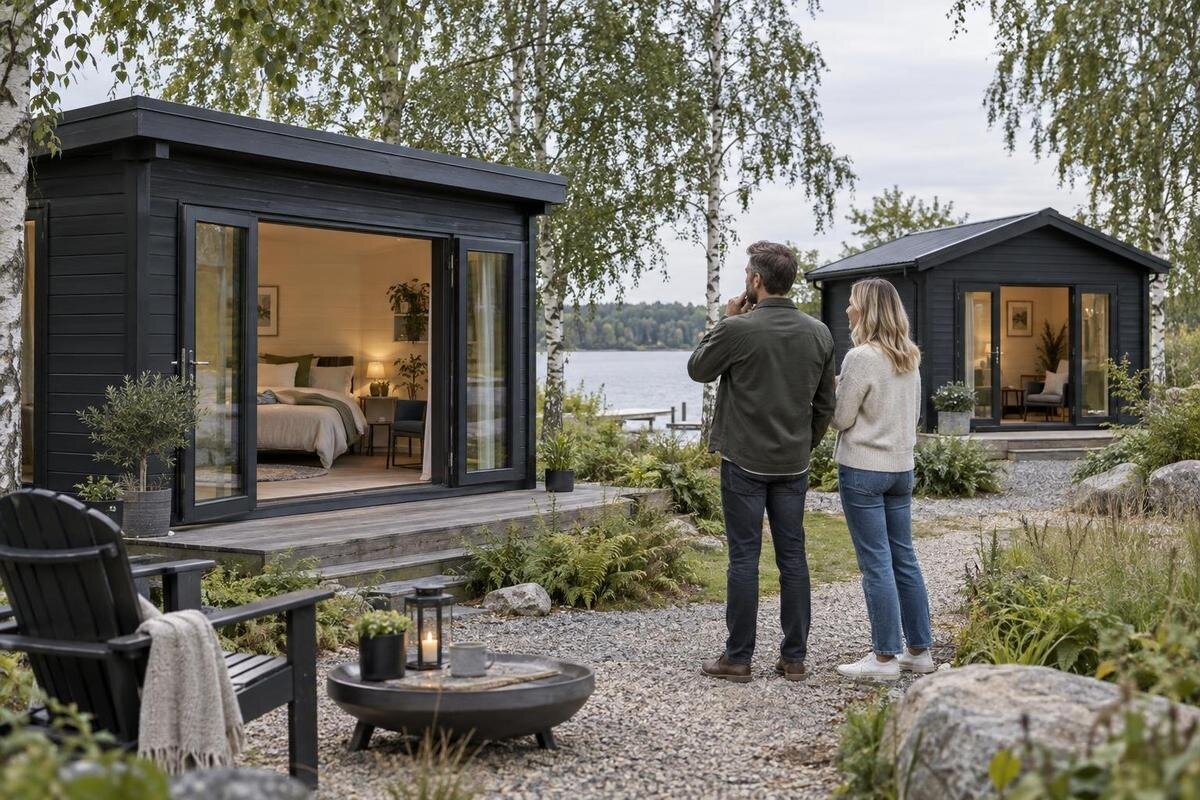
Garden house buying guide
An overnight stay asks more of a garden house than storing tools or relaxing for an afternoon. Guests need a workable bed layout, a route they can manage, privacy, and indoor conditions suited to the season. Before comparing styles, decide how long people will stay, what they will need from the main home, and what your site can accommodate. Then check the exact model documents, intended use, preparation requirements, and delivery terms. These checks help you buy a garden house for occasional guest stays without assuming that every garden building is guest-ready.
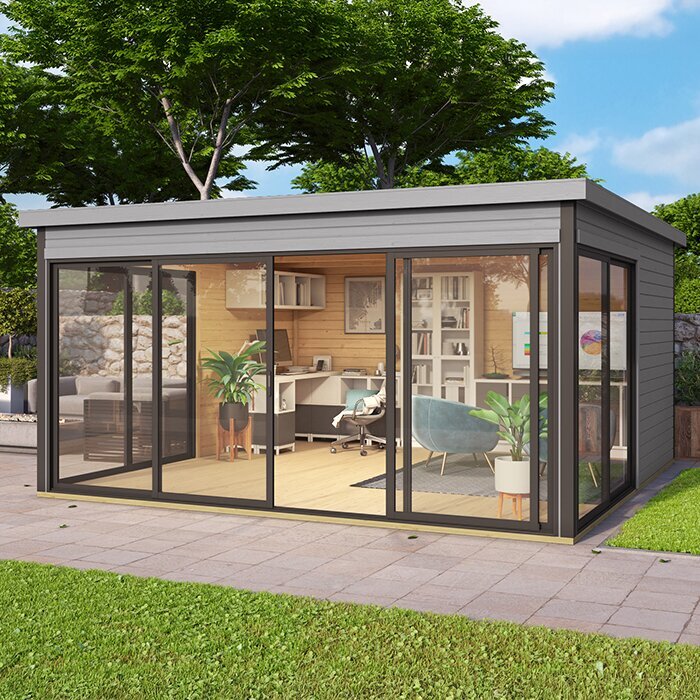
Buyer checklist 1
Decide what occasional guest use involves
Occasional can mean one night every few months or a week in the same season each year. Write down how many people you expect, how long they may stay, and the likely season. Consider their mobility and whether they will only sleep there or also get dressed, read, and keep luggage inside. Decide which facilities remain in the main house, such as a bathroom or laundry, and how guests will reach them after dark or in poor weather. Two short visits with easy access to the house may call for a different arrangement from a longer stay by two people. Also decide whether children, older relatives, or guests unfamiliar with the property may use the space, because their needs can change the importance of lighting, wayfinding, and proximity to the main home.
Clarify whether guests will be able to enter the main home independently and what supplies they can use. That helps define the building’s role: a place to sleep, or a space people may expect to use more independently. Do not rely on the word occasional or a product label to settle whether overnight use is allowed. Rules vary by location, so ask your local building or planning office about the proposed use and site; review any relevant insurance conditions before committing. You can add the Verdana 1 garden house to a comparison sheet, but its name and photos alone do not establish its size, comfort, or suitability for guests.
Measure the usable interior around a real bed
Start with the interior measurements, not only the footprint on a yard sketch. Exterior dimensions may include wall thickness and do not show how much clear floor space remains. Confirm the measurements and the positions of doors, windows, and other fixed elements for the exact model and configuration. Measure the bed frame and mattress you plan to use; a familiar mattress label is not a substitute for the dimensions of your actual bed. Mark the bed on a simple plan, then allow space to get in and out, walk past it, and open the door without a collision.
Check the shape of the usable area as well as its total size. A long, narrow room can place the bed, luggage, and entry differently from a squarer one with a similar floor area. Note ceiling height where it affects furniture placement, and allow room to make the bed, not just squeeze past it. Think about where a guest can set down a suitcase on arrival and whether the bed can be remade without moving furniture. Do not infer interior space from a photo, exterior measurement, or model name. For the Verdana 2 garden house, record the stated interior dimensions and openings; ask for a dimensioned plan if an essential measurement is missing.
Buyer checklist 2
Plan for luggage, clothing, and bedding
Draw the full overnight setup rather than a bed-shaped rectangle alone. Include the frame and mattress, a place for a bag, a bedside surface for small belongings, clothing storage, and any lamp or charging arrangement you intend to provide. Consider whether guests can reach their belongings without stepping over another person or blocking the door. A wardrobe, chair, or table can take up more usable space than its outline suggests when a guest needs to open it or move around it. Planning these pieces together helps reveal a layout that may look adequate on paper but feel awkward in use.
Think about preparing the space between visits, too. Decide where clean bedding, towels, and basic supplies will stay, and where used linens will go. Those items need storage even if they are not in the room during every stay. Check the written listing or quote before assuming furniture, lighting, or other accessories shown in a photo are included. For the Durano garden house listing, note any stated inclusions and optional items separately. That gives you a clearer picture of what must be bought, stored, or carried in from the main house.
Check the route and entrance guests will use
Walk the route from the driveway or main-house door to the proposed entrance with a guest in mind. Check the distance, surface, turns, gates, changes in level, and places where water collects. Think about carrying luggage along the route when it is dark or wet, and whether guests can find the entrance easily. Consider where visitors will park and whether they must pass through a household area to reach the building. At the building, compare the clear doorway opening and threshold with your plan. Check which way the door moves and how much space it uses when open; a bed or suitcase should not block the entrance or leave a guest with nowhere to stand.
If access for someone with limited mobility is important, assess the whole route, entry, circulation space, and path to facilities in the main home. A stated door width by itself cannot show that the arrangement will work for a particular person. Ask a qualified accessibility professional to review the plan when needed, and confirm applicable local requirements with the relevant authority. Review the entry details for the Veltor 1 listing and request missing measurements rather than guessing from its appearance. If new lighting or other electrical work is part of the plan, have a qualified professional assess it.
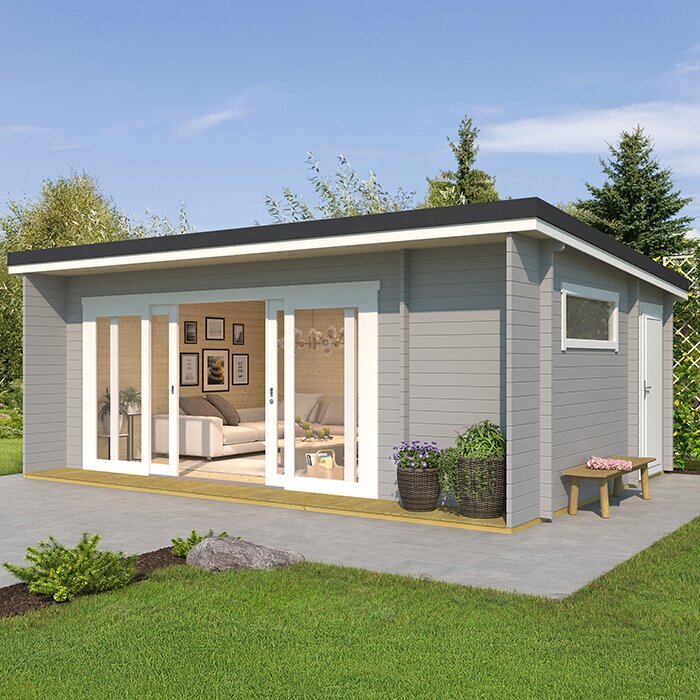
Buyer checklist 3
Plan privacy around windows and sightlines
Consider what guests will see and who may see inside. Look toward the proposed position from windows in the main house, neighboring properties, and the yard’s usual gathering areas. Check sightlines from the bed as well as from the entrance; the view from a standing position may be different. Window position, the bed layout, and any coverings you plan to use all affect privacy. Walk the area at the times guests are likely to be there, and do not count on foliage as a year-round screen if it changes with the seasons.
Ask whether any window coverings are included, offered separately, or left for you to arrange. Do not assume that a styled photo shows the configuration in the quote. Consider sound and daily routines as well: guests may want a place to change and sleep without feeling exposed, while the household may prefer a route that does not cross a private patio. Screens or planting need to suit the site and your maintenance plans. For the Orello 1 page, use written information about the openings as your starting point, not the appearance of a photo, when considering privacy.
Verify comfort for the seasons guests will stay
A space used for sleeping raises different questions from one used for a few hours on a mild day. Ask what conditions the exact model is intended to handle and what written information is available about insulation, glazing, ventilation, weather protection, and the floor. Which details matter most depends on your climate and the months you expect to host. Spring and fall nights may raise different questions from a summer visit. Consider how the space will be closed, aired out, and checked between stays, particularly if it may stand empty for long periods. Confirm what the quoted configuration includes and what is optional; do not assume that adding a fan or portable heater makes the building appropriate for overnight use.
Talk through plans for heating, cooling, electricity, or plumbing with qualified professionals and local officials before ordering. Ask who should assess the proposed work and what information they need about the structure. Consider how ventilation and moisture will be managed when people are inside for several hours, and have the proposed arrangement assessed for the actual building. For the Modano 1 listing, record only the building details stated in the listing or supplied by the seller, and ask about any missing fact that affects your intended use. A model name is not a performance rating.
Buyer checklist 4
Check the site and base requirements
Check where the building can actually sit, not just whether its outline fits inside the fence. Measure the proposed area and leave room for the guest route, opening doors, access for assembly, and future maintenance. Look for low branches, established roots, drainage paths, slopes, buried utilities, and nearby structures. If possible, observe the area after rain and note where water collects, but do not try to resolve a grading or foundation question by guesswork. Consider privacy and exposure to sun as part of the location plan, since placement affects how guests use the space.
Obtain the site-preparation and base requirements for the exact model, and confirm whether the floor or foundation is included or arranged separately. The building’s stated dimensions are not a foundation plan, and a generic base should not be assumed to fit. Have ground or structural questions assessed by an appropriate local professional, and check boundary and permit requirements with local authorities. Use the Veltor 2 page to identify the model you are considering, then request its installation documents and compare those requirements with the site before arranging delivery.
Compare materials, package contents, and upkeep
Ask what materials and finish are supplied, which parts require assembly, and whether any additional treatment or finishing is your responsibility. Check the written specification for components you expect to receive, such as the floor, roof covering, windows, doors, glazing, fasteners, and finishing materials. A photo may show an option or an arrangement that differs from the package, so use an itemized list or specification to establish what arrives. Read the care instructions and consider whether the recommended upkeep fits your schedule and access to the building.
Clarify who assembles the building, what site preparation is expected, and what the assembly service includes or excludes, if one is offered. Do not assume that assembly covers a foundation, utility work, or furnishings. Review any available assembly, maintenance, and warranty terms before purchase; note the conditions and who is responsible for each task. Add the Veltor 3 listing to the same review and compare its documented configuration with the others. Include any required preparation, finishing, or upkeep in your ownership estimate rather than comparing headline details alone.
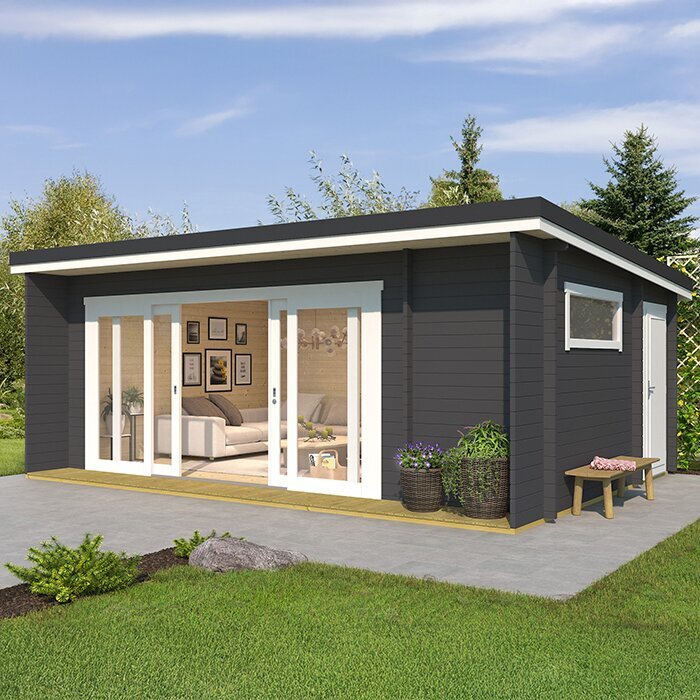
Buyer checklist 5
Confirm delivery and order terms
Before checkout, make sure the quote identifies the exact model, configuration, selected options, and delivery address. Ask for a written breakdown of the building, optional items, shipping, applicable taxes or other charges, site preparation, assembly, and separately arranged work. Keep a copy of the specification you relied on when comparing models, so the final order can be checked against it. Delivery needs practical planning: where the vehicle can stop, whether unloading is included, what access the package requires, and what happens if a vehicle cannot reach the site. Confirm the expected delivery window with the seller rather than planning around an estimate you have not verified.
Read the terms for cancellations, order changes, damage reports, and missing parts before paying, and keep the product description and agreed configuration with your records. Find out who to contact and how soon to report a problem, following the written terms. If the site is not ready, ask how rescheduling or storage is handled instead of assuming the delivery can wait. Compare the total purchase and setup costs, keeping optional upgrades distinct from required items. A complete quote makes it easier to understand the commitment before you place the order.
Make a final comparison using the overnight routine
Make a written set of go-or-pause checks for each candidate. Include a bed layout that fits verified interior dimensions, a usable guest route and entrance, the privacy you expect, conditions suitable for the intended season, confirmation of local requirements for overnight use, and a site-preparation plan. Add responsibilities that may affect time and cost, including delivery access, assembly, finishing, utility assessment, and maintenance. Mark each item confirmed, not applicable, or unresolved. If an essential fact is still unknown, pause the purchase and get the information rather than treating it as a minor detail to settle later.
Walk through a realistic visit from arrival to departure: carrying bags, entering in low light, changing, sleeping, reaching facilities in the main home, and leaving in the morning. Ask someone who will use the space to review the layout, not just the person placing the order. Consider whether the plan still works with luggage and bedding in place and during the weather expected for guest visits. This routine can expose constraints that a floor-area figure will not show. Choose when the documented building, site plan, and order terms all match the stay you intend to host.
Frequently asked questions
Can any garden house be used for overnight guests?
No. A garden house’s name or appearance does not confirm that it is suitable for sleeping or permitted for that use on your site. Ask the seller about the exact model and check local requirements with the appropriate building or planning office. Consult qualified professionals about any structural or utility questions.
How can I tell whether a guest bed will fit?
Measure the bed frame and mattress you plan to use, then compare them with verified interior dimensions. Include room to get in and out of bed, open the door, reach belongings, and move around any other furniture. Exterior measurements and photos cannot confirm that this layout will work.
Should I compare exterior or interior dimensions?
Use both for different purposes. Exterior dimensions help you check the site and delivery access; interior dimensions help you plan the bed and circulation. Ask for a dimensioned plan for the exact model and configuration if the listing does not show the measurements you need.
What should I verify for stays outside the summer months?
Ask what the specific model is intended to handle and request written details about relevant features such as insulation, ventilation, glazing, and weather protection. Do not assume a portable heater or fan makes a building suitable for sleeping. Discuss utility or temperature-control plans with qualified professionals.
What belongs in a complete garden house quote?
Confirm the exact model and options, what is included or excluded, delivery and unloading arrangements, site-preparation responsibilities, assembly scope, applicable charges, and the seller’s order-change and damage-reporting terms. Get the agreed configuration and important arrangements in writing before you pay.
A suitable choice is one whose verified interior supports the stay you have planned and whose requirements match your site and order arrangements. Bed space, access, privacy, season, local requirements, preparation, and delivery all shape the purchase. Once those details are confirmed, comparing models becomes a practical choice about how you want to host occasional guests, rather than a guess based on appearance.
