
Buying a Sauna Kit: Assembly Requirements and Common Omissions

SAUNA BUYING GUIDE
If you plan to buy a sauna kit, the box label tells you less than the parts list and assembly plan. The enclosure, heater, tools, site work, electrical connection, delivery, and labor may be handled by different parties. Before comparing options, find out what arrives, what must be prepared, and who will do each task. This guide focuses on those setup boundaries so you can judge a kit by the complete job it requires, not by the word “kit” or a staged photo.
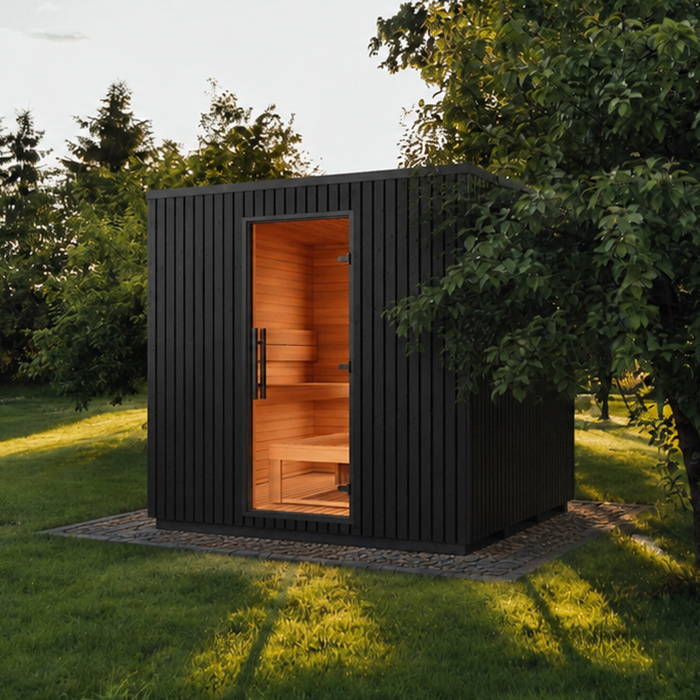
Start with the kit’s exact scope
The term “sauna kit” does not describe one fixed package. Depending on the model, it may mean wall and ceiling sections, a cabin package with selected fittings, or a broader collection of parts intended for on-site assembly. Items shown as options may be sold separately, and the word “kit” does not imply that assembly service is included. Two packages with similar listing photos can therefore leave very different amounts of work and extra buying to the customer. Treat the listing summary as an introduction, not an inventory: a photo can illustrate an intended setup without confirming which pictured components arrive. Before comparing finishes or prices, establish what level of completeness the seller is describing.
Ask for the exact package name or model variation and an itemized contents list. For each major part, record whether it is included, optional, sold separately, or not applicable. Depending on the configuration, questions might cover enclosure panels, a floor or base element, a door, benches, a heater, controls, and accessories. Request quantities as well as item names, and check whether the list identifies the hardware needed to join the supplied parts. If an offer is a bundle, ask which items belong to the standard kit and which are additions. Use documents for the version you intend to order, and resolve any conflict between the listing and the contents list before paying.
Decide who will assemble it
Choose who will handle assembly before deciding whether the kit is a practical purchase. A do-it-yourself plan depends on more than owning basic tools: consider your experience following assembly diagrams, measuring and aligning components, identifying parts, and coordinating help at the installation site. Some stages may require another person to help handle or position components, so check the manual rather than assuming one person can complete the work. Be realistic about the time available and the tasks you are comfortable taking on. If the instructions or expected labor are not available before purchase, a simple-looking product photo is not enough to judge the workload.
If you plan to hire an installer, request a quote based on the exact manual and contents list, not just a general description of the sauna. Clarify whether the quote covers unpacking, assembly, fitting supplied components, cleanup, and handling missing or damaged parts, or only some of those tasks. Ask who prepares the room or base and whether electrical work is outside the assembly scope. Confirm which party will contact the seller if parts are missing, and get responsibilities in writing before scheduling other work. Do not assume labor is part of the kit price or that a contractor will accept a package without reviewing its instructions.
Read the model-specific instructions before ordering
Request the current assembly manual and technical information for the exact sauna kit before you order. These documents can help reveal whether the package fits your plan and whether its work requirements are manageable. Review how parts are identified, what preparation is assigned to the buyer, and which tasks call for a qualified trade. Look for model-specific information about the intended location, working space, clearances, and equipment compatibility. The purpose is not to install a sauna from a sales page; it is to find project requirements early enough to assign them and include them in your budget. A brochure or listing description may not provide the detail needed to plan the work.
Check that the manual applies to the exact model and configuration, not simply to a similar sauna in the same range. Compare its parts list with the seller’s list, and ask about any mismatch, optional component, or reference to materials that are not itemized. If the manual is unavailable, request specific written answers and ask to see the full document before committing. Find out whether the manufacturer states conditions for assembly or installation that could affect your plan, including any warranty terms tied to the assembly method. Keep a record of the manual version and the answers you receive so they can be compared with the order confirmation.
Check tools, helpers, and workspace
Inventory the tools and work space you already have, then compare them with the manual. Instructions may call for measuring equipment, hand tools, a level, or powered tools, but the precise types, bits, and fasteners depend on the design. Treat generic tool examples as prompts to check the instructions, not as a shopping list for every kit. Ask whether specified hardware and consumables are supplied or buyer-provided. If you will borrow or rent a tool, coordinate that with the assembly plan rather than guessing from a photograph. A requirement for specialized equipment can affect both the cost and who is suitably equipped to do the work.
Allow room to unpack, sort, and temporarily lay out components without blocking the assembly area or access needed for other work. Check how parts should be stored if delivery comes before the installer or site preparation is complete. Keep labels and packing information with the corresponding pieces, and ask whether small hardware is itemized separately. The manual may also indicate whether help is needed for particular stages; plan that help rather than trying to manage awkward components alone. If instructions call for equipment you cannot use safely or confidently, factor a qualified assembler into your plan before ordering.
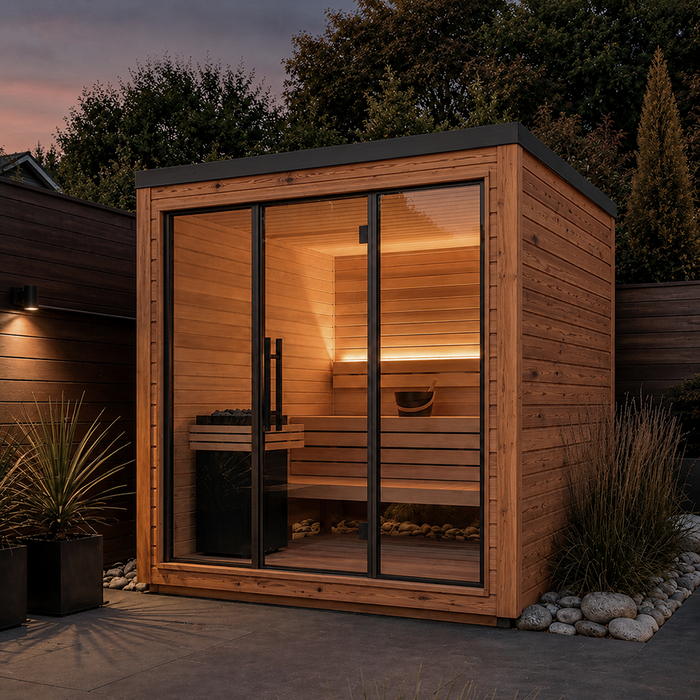
Prepare the sauna’s location
Use the installation drawing for the exact kit to compare its finished footprint with the planned indoor or outdoor location. Then account for the working space and clearances specified by the manufacturer. The outside dimensions alone do not show whether installers can position components or complete the assembly in the chosen spot. Check the doorway and planned flooring or wall finishes so the layout reflects the surfaces that will actually be there. A sauna’s packed parts and assembly needs may also affect the available staging area, so use the documented package information when planning where work can take place.
Site preparation is part of the buying decision, not something every kit necessarily supplies. For an indoor installation, ask which floor, wall, ventilation, moisture, and clearance conditions apply to the chosen model and which are outside the cabin package. For an outdoor sauna, clarify whether the buyer must arrange a suitable base, exterior finishing, weather protection, or drainage, where applicable. These requirements depend on the product and location; do not assume they are included or needed in the same way for every setup. If support capacity or building work is uncertain, ask an appropriate qualified professional to assess the plan before ordering.
Confirm heater and electrical responsibilities
Confirm whether the heater is part of the kit or a separate purchase, and get its exact model and the manufacturer’s compatibility information. If it is included, ask which related items arrive with it, such as controls, sauna stones, a guard, sensors, lighting, or other accessories. This is a set of questions, not a universal list of parts every sauna needs; package scope and configuration vary. If the heater is not included, identify a compatible option using the manufacturers’ information before you budget for an unspecified substitute. Do not infer the equipment from a photograph or from the description of a different bundle.
Have a qualified electrician review the requirements for the exact heater and sauna configuration before you finalize the site and electrical scope. Confirm the required supply and control arrangement, which electrical work the kit or assembly quote actually covers, and who will complete the remaining work. An enclosure assembly quote may not include electrical services, while a heater listing may describe the equipment without including connection work. Keep the electrician’s responsibilities distinct from the enclosure installer’s, and resolve questions about compatibility or the property’s electrical service with those professionals rather than estimating from a similar product.
Check common package exclusions
Use a separate exclusions check for cabin and building components. Depending on the design, questions might cover a floor panel, base, roof components, exterior finish, insulation, trim, door hardware, benches, or backrests. This is not a claim that a particular kit leaves these items out or that every item applies. It helps distinguish the cabin package from work needed around it. Ask whether the kit assumes a prepared room or base, and whether the seller supplies any surface, weather-facing layer, or finishing part specified for your setup. Mark each item as included, optional, buyer-supplied, or not relevant to your plan.
Make the same distinction for equipment and finishing items, including heater accessories, controls, lighting, fasteners, and any consumables named in the manual. Ask which items are required for your chosen configuration and whether the included quantity is enough for that configuration. If something is sold separately, record its compatible version and who will source it; do not assume a generic substitute will meet the manufacturer’s instructions. Separate physical components from services such as assembly, electrical work, unloading, and site preparation. This turns a vague “not included” note into a specific purchasing or scheduling task.
Plan delivery and assembly day
Find out how the kit will be packaged and what handling the delivery plan requires. Ask for the package count and, when available, the dimensions and weights of pieces that need to be moved. Confirm whether unloading or placement is part of the order, and match the documented information to the people and staging space available at the property. A kit may arrive as separate components rather than one assembled cabin, but packaging and handling still vary. Ask how parts should be protected and stored if assembly cannot begin immediately, and choose a staging area that will not block the work zone or other scheduled trades.
Coordinate the sequence with whoever prepares the site, assembles the cabin, and completes electrical work. The location should meet the manual’s stated requirements before the installer arrives, and each person should know which parts or services someone else is expected to provide. On delivery, compare the shipment with the packing list and follow the seller’s stated process for reporting a shortage or damage. Keep the order details and relevant packaging until you understand that process. Schedule dependent work using dates and responsibilities confirmed for your specific order rather than relying on an unconfirmed estimate.
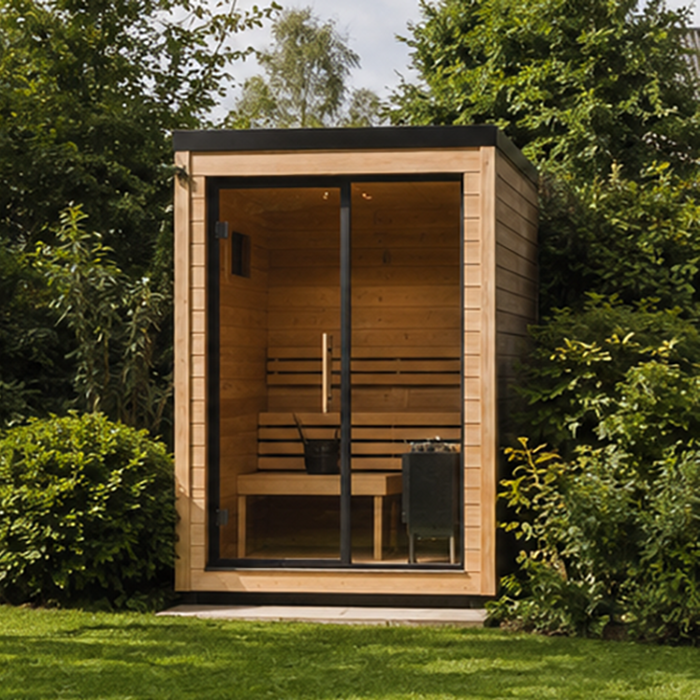
Compare the complete setup cost
Estimate the full setup cost by listing the kit and each separate responsibility: assembly labor, tools or rentals, missing components, delivery and unloading, site preparation, building work, and electrical services where required. Ask for quotes based on the same model and written scope, and keep one-time purchases distinct from professional labor. A kit price is not a like-for-like comparison if one package leaves more tasks outside the box. At the same time, do not count optional upgrades as required expenses if they are not part of your plan. Leave room for costs that depend on the manual or a contractor’s assessment instead of guessing at them before you have the information.
Compare the documents as well as the totals. Review the seller’s terms for delivery responsibilities, component shortages or damage, returns, and any conditions tied to assembly. Read the warranty terms instead of assuming they cover every assembly approach. Ask the installer to state what is excluded and what could change the quote. Keep optional upgrades separate from the required setup so you can see whether a bundle is more complete for your needs. The goal is not to buy every accessory; it is to understand which costs and responsibilities remain yours after the order is placed.
Make the order decision from a written checklist
Put shortlisted sauna kits into a side-by-side comparison using the same questions for each one. Record the exact model and package variation, matching manual, listed contents, separate parts, tools, site preparation, heater and electrical scope, delivery handling, and planned assembler. For each unresolved task, name an owner: you, the seller, the installer, an electrician, or a site contractor. Note whether the answer comes from a manual, an itemized quote, or a written reply. This keeps a basic package from being compared with a broader bundle as if they had the same scope.
Before placing the order, confirm that the selected variation and any separately purchased items match those written answers. Save the contents list, assembly instructions, quote, and agreed service scope together. Resolve conflicts between a listing and a manual before payment. If an essential component, site requirement, or trade responsibility is unclear, ask the relevant party to define it before proceeding. A sound purchase does not require every possible accessory in one box; it requires a clear plan for the parts, preparation, labor, and professional work your chosen setup actually needs.
Frequently asked questions
Can I assemble a sauna kit myself?
Possibly, if the manufacturer’s instructions match your experience, tools, available help, and site. Review the current manual before deciding. If the work involves tasks you are not equipped to handle, get an installer’s opinion and quote before you order.
Does a sauna kit include a heater?
Package contents vary, so do not assume the heater is included. Check the itemized list for the exact kit and ask whether controls, sauna stones, and other related items are part of the package or sold separately.
What tools will I need to assemble a sauna kit?
Use the tool list in the current manual for the exact model. General examples such as a level, measuring tape, or drill do not confirm what your kit requires. Check whether specified hardware and consumables are included, too.
What should be ready before the kit arrives?
Confirm the location, site preparation, staging space, and any trade work against the manufacturer’s requirements. Decide who will assemble the sauna and where the components can be stored if assembly cannot begin immediately.
When should I talk to an electrician?
Before finalizing the site and purchase, have a qualified electrician review the requirements for the exact heater and sauna configuration. Confirm what electrical work is included in any quote and what remains your responsibility.
Treat a sauna kit as one part of a project, not as proof that every setup task is covered. When the contents, site requirements, assembly plan, electrical scope, and separate costs are clear, you can compare packages on the work they actually require. That makes it easier to choose a kit that fits your location, available help, and budget before you place the order.
