
Buying a Sauna With a Panoramic Window: What to Consider
SAUNA BUYING GUIDE
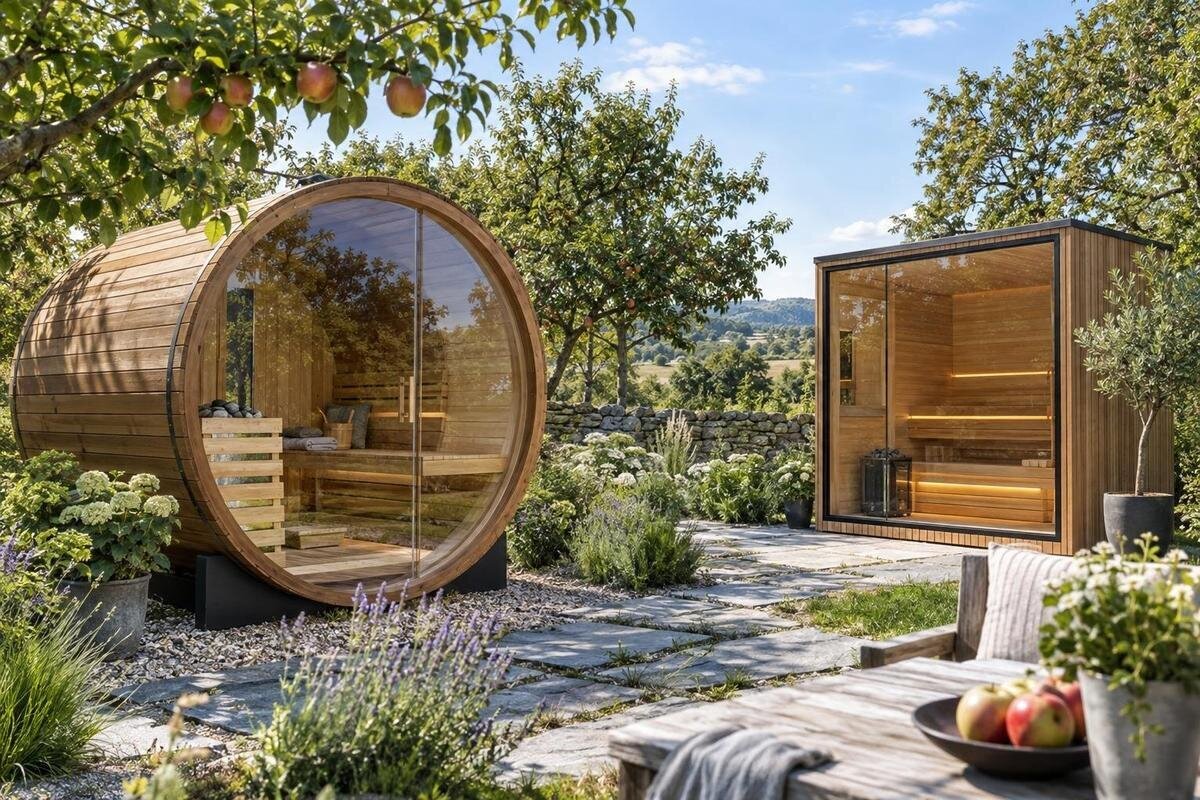
A panoramic window can make the view a defining part of a sauna, but a wide pane alone does not tell you whether the model will suit its location or how private it will feel. Before comparing models, connect three details: the exact window dimensions, the view from the intended seating position, and sightlines into the cabin from outside. Then review the glazing information, care requirements, privacy options, and order terms for that specific model. This gives you a practical basis for weighing the outlook against everyday considerations, without assuming that every product labeled “panoramic” uses the same design.
Buyer checklist 1
Treat “panoramic” as a description, not a dimension
The word “panoramic” signals a broad outlook, but it is not a standard measurement. One sauna may use a wide horizontal pane; another may have a taller opening or a different arrangement. The label does not promise floor-to-ceiling glass, a corner window, or an uninterrupted view from every seat. Product photos can exaggerate apparent size through lens, angle, crop, and landscape. Treat an image as an illustration, and look for dimensions and a drawing tied to the exact model you are considering.
Check whether a stated measurement refers to the glass itself, the visible area, or the full framed opening. Ask which wall contains the window, using a clear inside-or-outside viewpoint, and whether the pane is fixed or operable. These details affect how the window reads in the room and what you can see from a seat. If there are different layouts or glazing options, confirm which one the drawing shows. Note the document date and revision where available, especially if photos, drawings, and quotations appear to show different versions. When a listing provides only a general image or brief feature label, request current model-specific information before comparing it with another sauna.
Check the view from the sauna and the sightlines into it
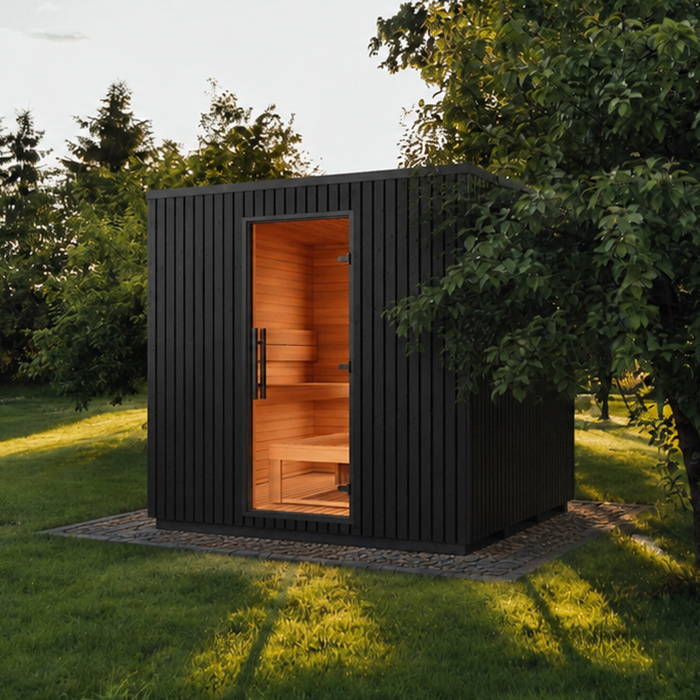
Consider the view from the position where the sauna will stand, not just from the property entrance. Note what is visible from the main bench and the approach to the door, then look outward from likely sightlines: neighboring windows, shared paths, a driveway, or nearby public-facing areas. If the sauna will be indoors, include rooms and circulation spaces that look toward the window. A simple site sketch marked with the sauna outline and viewing directions can reveal a privacy issue that a product image cannot show. Check more than one angle; a window can be visible from one approach and screened from another.
Think about privacy at the times you expect to use the sauna. Daylight, exterior darkness, and interior lights can change how clearly the room is seen through glass; a reflective appearance in a daytime photo is no guarantee of privacy after dark. Unless the manufacturer specifies the glazing and you have checked it in relevant conditions, treat a clear-looking window as potentially visible from outside. Photographing or marking the relevant viewpoints on a simple site plan can make discussions with the seller more precise. Consider whether a different position, a privacy-oriented glazing option, or an exterior screen would preserve enough of the view. Confirm that any added feature is compatible with the sauna and its intended location.
Buyer checklist 2
Compare light, reflections, and the view at different times
At the proposed location, note what the window would face and how light moves across the view during the hours you are likely to use the sauna. Direct sun can create glare or reflections at certain times, while fences, neighboring buildings, trees, and other structures may block part of the outlook. The effect depends on the actual site and window angle, so compass direction alone cannot settle the question. If possible, visit the location at different times. If you cannot, use a site plan to compare the window position with nearby structures and the direction of the view.
Compare the view from the bench with the one visible from outside. A landscape that looks attractive from the yard may be obscured from a low seated position, while a nearby boundary may make a large pane feel exposed. Consider seasonal changes as well: foliage can alter screening, and nearby surroundings may change. Include practical details such as vehicles, outdoor lighting, and frequently used paths, which may matter more than the distant view. If the outlook varies during the day, decide which conditions matter most to you. Avoid choosing an orientation from a rule such as one compass direction always being best; the window angle, light, privacy, and your routine all shape the result.
Ask how the glazing is specified for sauna use
Treat glazing as a specific part of the sauna’s specification, not a decorative detail you can judge by pane size. Ask what glass, frame, and sealing components the exact model uses and whether the complete assembly is intended for the sauna’s operating environment. Ask the manufacturer to clarify any stated safety-glazing description and provide relevant model documentation. A marketing adjective or a general claim about a window does not explain every aspect of the assembly. A larger pane, by itself, does not establish its insulation, durability, impact characteristics, or resistance to moisture.
Look for written guidance on cleaning, inspection, maintenance, and warranty coverage for both the glass and surrounding components. Find out whether the manufacturer sets limits on cleaners, surface treatments, or modifications, and how to handle a component that needs adjustment or replacement. Ask whether the instructions distinguish between routine owner care and work that should be performed by an approved service provider. If the product information does not explain how the glazing is suited to its setting, ask the seller to obtain the manufacturer’s answer. Where installation involves integrating the window into the cabin or a building, follow the supplied guidance and consult a qualified installer if any requirement is unclear.
Buyer checklist 3
Match the window position to the interior layout
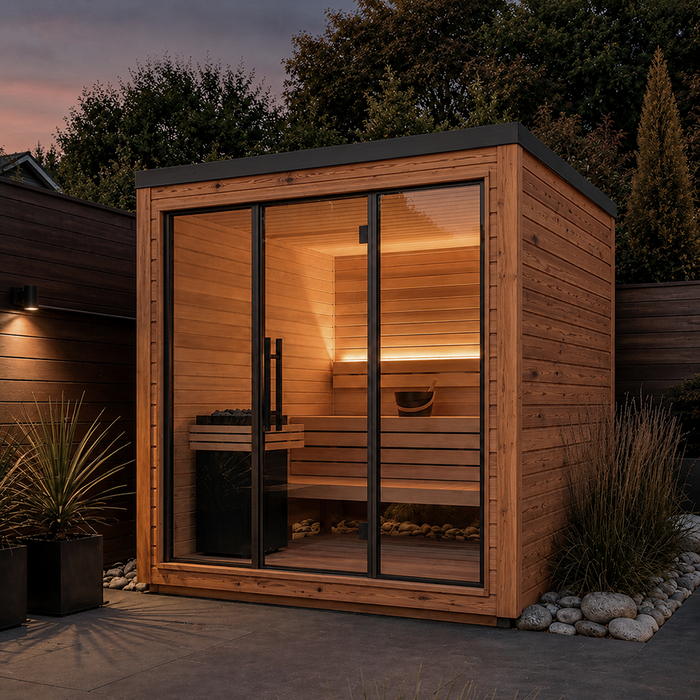
Review the window’s location alongside the interior plan rather than judging it from the exterior. On a dimensioned drawing, find the benches, door, and any heater position shown, then compare them with the window. Picture the view from the seat you expect to use most: is the opening where you would naturally look, and can you see the view from a seated position? These are questions for the model-specific plan, not assumptions based on a product photograph. If the listing lacks interior details, ask for an interior view or clarification of the intended seating arrangement.
Glass can take up wall area that might otherwise be available for benches or other interior components, so check whether the pictured layout matches the version being quoted. Do not assume a bench can be shifted, reversed, or extended to improve the sightline; the design may specify a particular arrangement. Compare usable interior dimensions and the position of each seat, not only the sauna’s outside footprint. Also consider whether the door position interrupts the route to the seat with the best view. If the drawing provides enough information, sketch the window and bench positions to scale. A different window placement may give a more natural view from your preferred seat, even if it looks less prominent from outside.
Choose a privacy approach before ordering
Privacy is partly a site decision and partly a glazing decision. If the view is appealing but exposes the cabin to neighbors or a shared path, first consider whether a different position or window-facing direction would resolve the issue. If you need glazing that obscures the view, ask which privacy option is available for the exact sauna and how it looks from both sides. Terms such as “tinted,” “frosted,” and “privacy” do not describe the same appearance. Request a sample or a clear image in comparable lighting where possible, and find out whether an option changes the view from the bench.
An exterior fence, screen, or planting may help manage sightlines, but it also changes what the window frames and may not block every angle. Decide whether privacy is needed all the time or only from a particular approach. Consider the future growth and upkeep of planting rather than treating it as permanent screening on the day of installation. Be cautious with aftermarket film, blinds, curtains, or attachments inside a sauna; do not assume ordinary household products are suitable. Use only a treatment the manufacturer expressly confirms for the exact model and its operating conditions. If privacy depends on a particular accessory, confirm whether it is included or separately specified on the order.
Buyer checklist 4
Consider cleaning, access, and future maintenance
Check how you will clean and maintain both sides of the window after the sauna is in place. On a drawing, a pane that looks easy to reach may end up close to a fence, wall, planting, or another obstacle. Consider access from inside and outside before confirming the position. Ask which cleaning products and methods the manufacturer allows for the glass, frame, and seals, and whether guidance differs across those surfaces. Do not assume a household glass cleaner or coating is suitable just because it is common for other windows. Written care instructions make long-term upkeep easier to assess.
Ask what routine inspection the supplier recommends and how issues such as a damaged seal, loose trim, or a pane that needs replacement are handled. Clarify how replacement parts are obtained, whether the warranty covers the glass and surrounding components, and what conditions may affect coverage. Keep copies of the care instructions and any service contact details with the order documents so they are available after installation. If condensation, fogging, or marks come up in product information or reviews, ask the manufacturer what to expect for this model instead of guessing from another sauna. Maintenance is easier to evaluate before purchase, when you can compare the instructions and access needs for each option.
Compare model-specific drawings and specifications
Compare candidate saunas using documents for the exact models. A plan and exterior elevation can show the cabin’s overall size, window wall, door position, and proportions; interior views can show how the glass relates to the seating. Record the stated window measurement, whether it describes glass or framed opening, and its position relative to other features where dimensions are provided. Check that each document corresponds to the version in the quote, including any left-or-right layout or glazing option. A generic catalog image cannot establish that two models have the same opening.
Distinguish the sauna’s overall footprint from the usable space inside. A visually large window does not tell you how much room the benches leave or how the view aligns with them. If an option changes the window wall or size, request an updated drawing rather than mentally adapting a photo. Save the relevant drawing alongside the quote so the configuration can be checked again before payment or delivery. Ask the seller to clarify any difference between an advertised feature and the written specification. A comparison sheet with separate entries for dimensions, placement, privacy, seating view, care, and included options can keep the decision focused on details that affect your use.
Buyer checklist 5
Clarify delivery and installation responsibilities
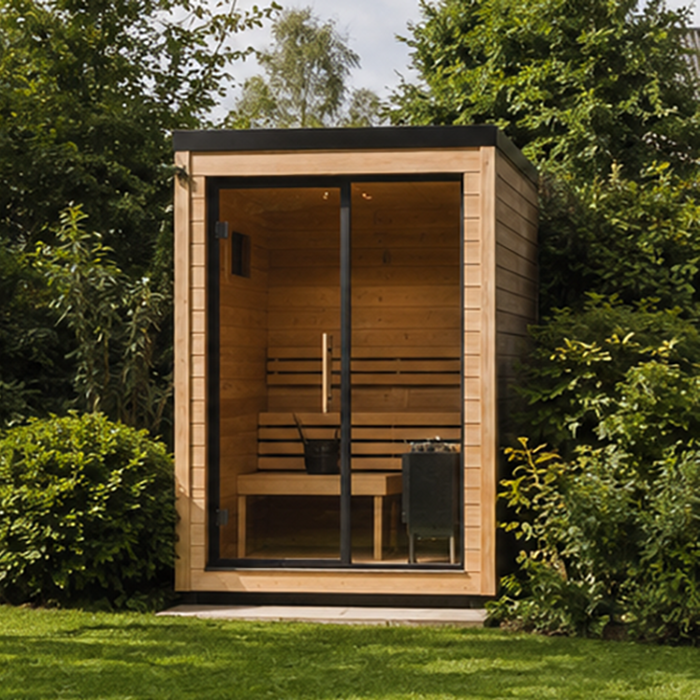
Window design can affect delivery and assembly planning, so establish what arrives and how the model is put together. Do not assume from a photo that the glass is shipped separately, installed at the factory, or handled in a particular way. Ask the seller or manufacturer about package dimensions, the route needed to get components to the site, and whether the quoted delivery or assembly service includes window-related work. Include gates, stairs, overhead obstructions, and the final approach to the proposed location when describing access. If access is narrow or includes turns, share those details early and ask which measurements the supplier needs to confirm feasibility. This is a practical ordering question, not something to guess from the cabin’s dimensions alone.
Before placing the order, identify who is responsible for assembly, window installation, and any required finishing or inspection. Follow the model’s installation instructions; where the window’s fit or integration with another structure is uncertain, have a qualified installer review the requirements. Do not plan to cut an opening, alter the frame, or swap the pane after delivery unless the manufacturer approves the change in writing. A modification may change the design or affect support coverage, so it is better to resolve the question before the sauna is on site.
Make the window configuration clear on the order
Before checkout, make the chosen configuration unambiguous. The order or quote should identify the exact model, window size or option, wall location, glazing choice, interior layout, and any included privacy component. If the specification uses “left” or “right,” ask whether direction is defined from inside or outside; a small ambiguity could put the view on the wrong side of the cabin. Review the written total and separate any add-ons, delivery, or assembly charges so you know what is and is not part of the purchase. Keep the matching drawing and written answers with the order.
Then weigh the view you want against the privacy, seating angle, and upkeep you need. If a candidate’s window looks impressive in photos but its location or glazing remains unclear, compare another configuration rather than treating the label as proof. Make a final check that the configuration named in the order matches the drawing you used to assess the site. If no option balances your priorities, ask whether an approved alternative exists; do not assume a custom pane or retrofit can be added later. A strong choice is a model whose documented window and interior layout make sense for the exact place you plan to use it.
Frequently asked questions
Does “panoramic window” mean floor-to-ceiling glass?
No. The term describes a view-oriented design, not a standard size or shape. Check the model-specific drawing for the glass dimensions, framed opening, and wall location. If those details are missing, ask for them rather than estimating from a photograph.
Can people see into a sauna through its panoramic window?
That depends on the glazing, lighting, angles, and surroundings. A reflective appearance in a daytime image does not guarantee privacy when the cabin is lit after dark. Check the glazing information and assess sightlines from the places people could approach or look from.
Can I add a film, blind, or curtain for privacy?
Do not assume that a standard household window treatment is suitable for a sauna. Ask the manufacturer to confirm in writing whether a particular film, blind, curtain, or attachment is compatible with the exact model and its operating conditions. Also confirm whether the treatment is included or an optional purchase.
Which direction should the window face?
There is no universally best direction. Consider the view from the bench, nearby sightlines, and how sunlight or reflections affect the window at the times you expect to use the sauna. The actual site and window angle matter more than a general rule about compass direction.
What should I confirm before placing an order?
Confirm the exact model, window dimensions and wall position, glazing option, and interior layout. Ask for a matching plan, care and warranty information, and clear details about included accessories, delivery, and assembly. Make sure the written order reflects the configuration you chose.
The best panoramic window is not automatically the largest one. It is the window whose position gives you the view you want from the bench while fitting the privacy and maintenance needs of the location. Use the exact drawing, glazing information, and written order details to make that judgment. If those documents leave a key point unanswered, resolve it before choosing; the word “panoramic” is not a substitute for knowing what will arrive and where the window will be.
