
Buying a Wooden Garden House: A First-Time Buyer’s Guide
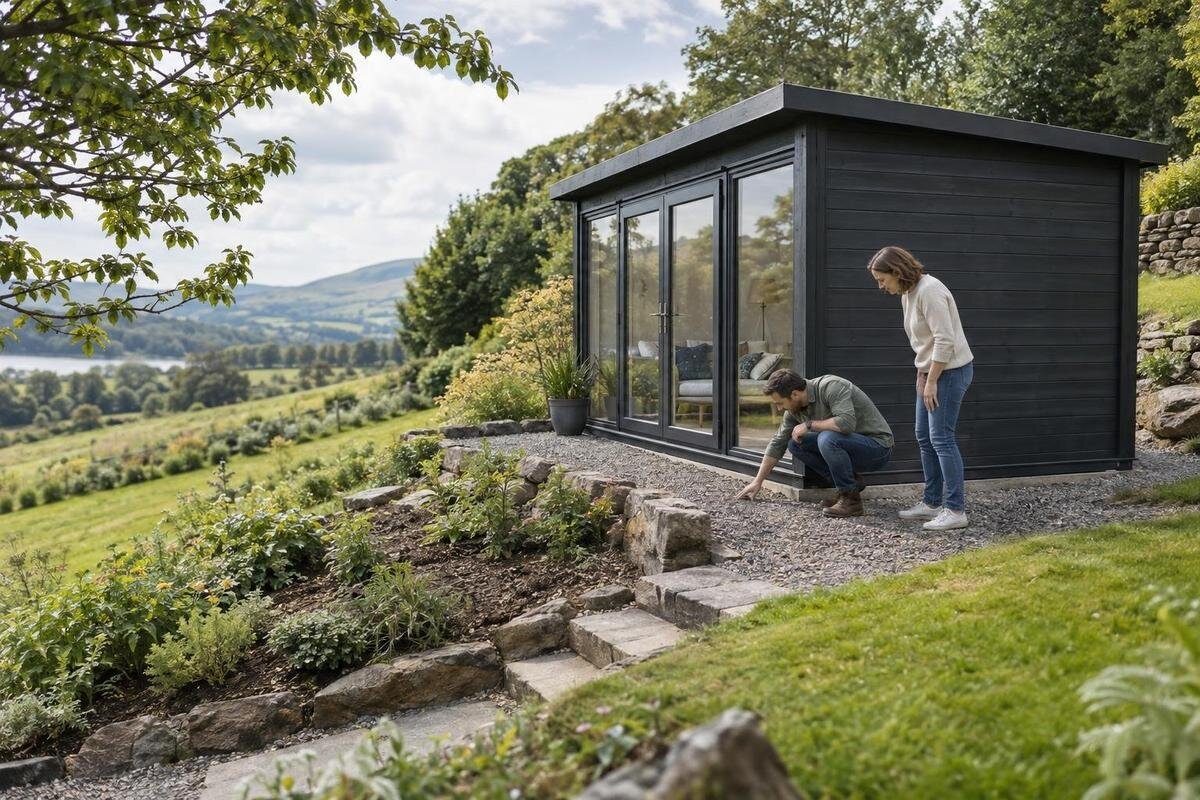
Garden house buying guide
Buying your first wooden garden house is less about spotting a style you like than confirming that a real structure can serve a clear purpose in your yard. Room to move, a suitable base, wood and finish details, access for assembly, and long-term care all affect the choice. This guide helps you compare those decisions in order, separating requirements that rule a model out from preferences that can narrow a shortlist. Use product information as evidence, and treat missing details as questions to resolve rather than assumptions.
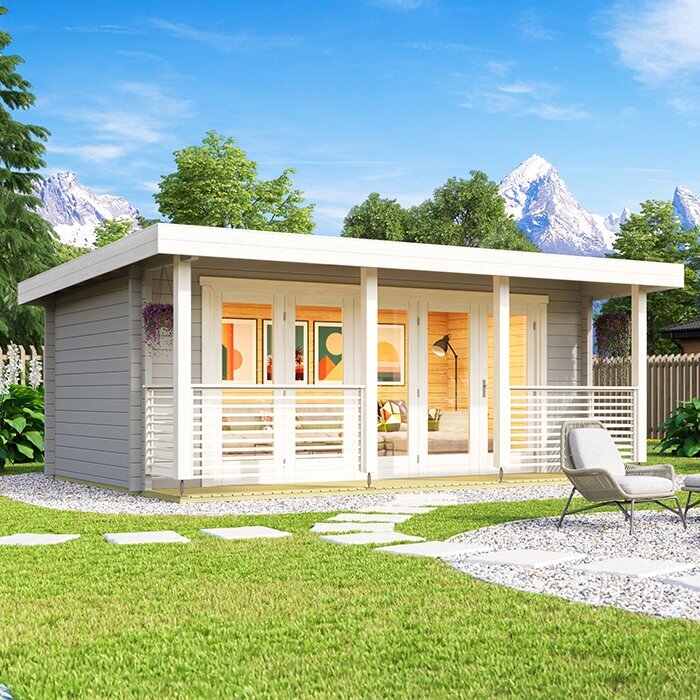
Define what the garden house needs to do
Begin by listing the jobs the garden house must handle. For storage, write down the largest items, how they enter, and the space you need to reach them without unloading everything else. Measure objects at their widest and tallest points, including handles or projecting parts, and note which ones must stay accessible. For a potting or hobby area, include a work surface, chair, supplies, and room to move around them. If it is meant for sitting, account for how many people may use it and whether they need an unobstructed path to the door. A simple inventory turns an impression such as spacious into practical tests: can the main item pass through the opening, can you stand where work happens, and will supplies have a place?
Separate essential use from occasional use. A house intended for seasonal storage has different priorities from one where you plan to spend regular time; the latter makes daylight, privacy, ventilation, and the feel of the interior more relevant, but those features must be confirmed in the product information. Do not assume a garden house is insulated, heated, wired, or designed for year-round occupancy. Record when you expect to use it and whether two activities need to happen at the same time; a shared space may not suit both without a clear layout. Note special requirements to discuss with the seller or a qualified professional. When comparing a candidate such as the Verdana 1 garden house listing, evaluate its documented features against your list instead of reading capabilities into its name or photograph.
Measure the usable room, not just the footprint
Do not treat the advertised outside footprint as the room you will have inside. Walls take up space, and a listing may give several measurements for the building, roof overhang, foundation footprint, or clear floor area. Confirm what each dimension refers to, including whether the stated footprint includes eaves or trim, before sketching the layout. Mark the proposed exterior outline in the yard and the interior dimensions on a separate plan, then place the largest contents and any work surface to scale. This exposes a common first-time mistake: choosing a structure that looks large enough from outside but leaves too little usable room once walls, stored items, and movement space are accounted for. If only exterior dimensions are published, request the interior measurements instead of estimating.
Check the entry as part of the size calculation. Record the clear opening dimensions, the direction a hinged door swings if applicable, any threshold, and the room needed to carry bulky objects through. Leave practical access around the outside for routine care and opening doors, not just enough space to set the walls down. If you might add shelves, a bench, or a chair, sketch those in before deciding: storage capacity and comfortable movement compete for the same floor area. Compare your measurements with the published details on the Verdana 2 garden house page, and ask for clarification when the listing does not distinguish internal from external dimensions.
Compare wood species, treatment, and finish
Wood is not one uniform specification. Ask which species or wood group is used, whether the material is treated, and which parts of the structure the description covers. A model may use different components for its walls, frame, or floor, so check whether the stated wood applies to all of them. Species, grain, knots, moisture content, and manufacturing choices can affect appearance and the care a buyer should expect; a generic wooden label cannot answer those questions. Check whether the product is supplied unfinished, pretreated, or coated, and whether that description applies to interior and exterior surfaces. Do not use a photograph or color sample to infer species, treatment, or coating. A written specification or care document is more useful than a broad marketing phrase.
Find out what care is expected after assembly and what products, if any, are compatible with the supplied finish. Ask when the first protective treatment is recommended, whether it needs to be applied before or after assembly, and how often the manufacturer advises inspecting or renewing it. The answers may depend on the exact product and local exposure, so avoid relying on a generic schedule for all garden houses. Also distinguish upkeep of the wood from other maintenance, such as checking roof and door components under the maker’s instructions. A listing such as the Durano garden house listing is a comparison point, not evidence of a particular species or finish; verify those items in its published documents.
Match the base to the model and the site
A garden house needs a base that matches the manufacturer’s requirements and the conditions at the chosen spot. Those requirements may differ by design and ground conditions, so do not assume that bare soil, paving, a deck, or a concrete pad is suitable without written guidance. Look for the recommended base dimensions, levelness, support points, and any stated need to keep the structure clear of standing water. If the site slopes, feels soft, drains poorly, or has buried services, pause before ordering and get advice from the manufacturer or a qualified local foundation professional. This is a site-specific decision, not a place to improvise a structural design from a product photo.
Think about the interface between the base and the house, not just the material of the base. Ask whether the floor is included, whether the base must match the wall outline or another footprint, and how the entry sits relative to the finished ground. A mismatch can affect access, water management, and the assembly plan. Review the documented site notes for a candidate such as Veltor 1 without assuming that similarly named models have identical requirements. If the manufacturer does not publish clear base specifications, request them before arranging site work; a qualified installer can assess ground conditions and explain what is appropriate. The goal is to verify compatibility before materials or labor are committed, not to calculate a foundation without the needed design information.
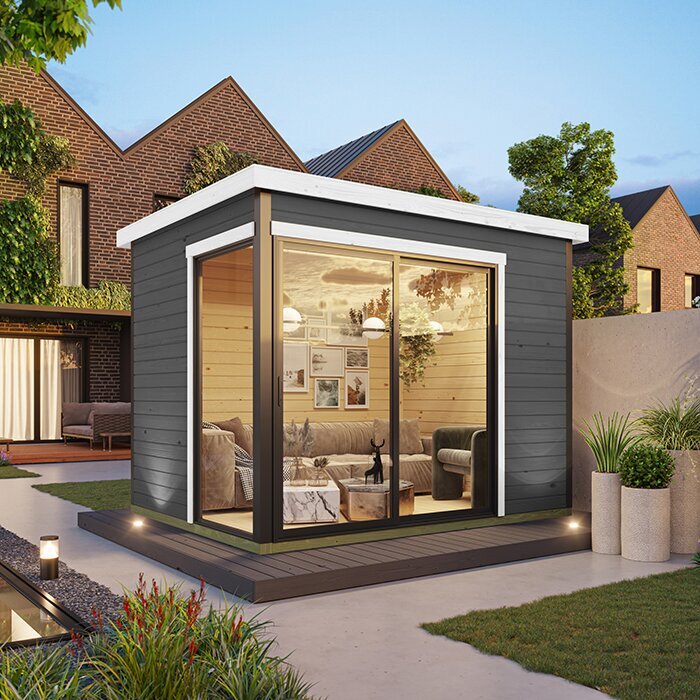
Choose a location that works in the yard
Judge the proposed location with the building’s use and the yard’s changing conditions in mind. Check where rainwater flows, whether low spots stay wet, how sunlight and shade move during the day, and whether nearby trees or planting may restrict access as they grow. Consider the route from the house to the garden house, the turns needed to carry stored items, and whether a door can open without hitting a fence, wall, or planting bed. A site that works on a sketch may be awkward once paths, garden beds, outdoor seating, and maintenance access are included. Mark these features on the same plan you used to measure the footprint.
Look beyond the footprint as well. Keep access to utility equipment and service routes in view, and identify underground lines before any digging; use the appropriate local utility-marking service or a qualified professional. Check local planning requirements, property boundaries, easements, and any applicable neighborhood or association rules rather than assuming a small structure is exempt. Requirements vary with location and project details, so consult the relevant local office or adviser. A listing such as Orello 1 should be compared against the actual plot plan, not against a staged image; product photos rarely show the clearances, drainage, or delivery route your yard requires.
Check the openings and the route into the house
Doors and windows shape how the space works, so compare their details as part of the floor plan. Confirm the clear width and height of the entrance, opening direction and swing, threshold, lock or handle position, and whether doors or windows open, if that matters for your use. Measurements can be more useful than labels such as wide or panoramic, which do not tell you whether a mower, cabinet, or worktable will pass through. If glazing is important, ask what is included and whether the panels are fixed or operable; do not assume that a window provides ventilation just because it admits light. Check whether the opening position works with any shelves or furniture you plan to place nearby.
Plan the everyday approach as well as the opening itself. A path may need room for two people to carry a component, and regular use is easier when you can approach the door without stepping over stored equipment or a garden bed. Consider privacy, glare, and how much outside visibility you want, especially if the house will be used for a hobby or quiet sitting. Those are preferences, but they should be tied to the actual position of openings on the chosen model. On the Modano 1 product page, check the stated configuration and dimensions rather than inferring them from the model name. If an opening detail is missing, ask before deciding it is suitable.
Plan assembly before choosing a kit
Clarify the assembly plan before treating a quoted structure price as the whole project. If the building arrives as a kit, read the assembly documentation or request it, then check the stated skill level, number of helpers, tools, time estimate, and any site-preparation tasks. These are not details to infer from the word kit. Ask whether the package includes the floor, roof covering, fasteners, glazing, door hardware, or other components shown in the product description, and note which optional extras are separate. Keep a copy of the written contents list so you can compare models on the same basis. Also check how much clear space is needed to work around the structure during assembly.
Be realistic about the work you want to take on. If the instructions assume experience you do not have, if components are difficult to handle safely, or if your schedule cannot absorb delays, price a qualified assembly service and confirm what it covers. Check who is responsible for unloading, protecting the materials before assembly, and resolving missing or damaged parts under the seller’s terms. Compare those obligations in writing; a contractor’s quote and a kit’s stated scope may not include the same tasks. The Veltor 2 listing can be one entry on a shortlist, but its assembly requirements must come from its own documentation, not from a different model or a general assumption about wooden kits.
Compare the full project cost
Build a realistic project budget around more than the structure itself. Depending on the product and your site, separate line items may include the base, site preparation, delivery, unloading, assembly, tools, finish or treatment, and later maintenance. Some may already be included and others may not; verify each item rather than adding or omitting it by assumption. Get amounts from the relevant supplier or contractor and compare the same scope across candidates. A low headline price is not a useful comparison if it leaves major required work uncounted, just as a higher package total may include work you would otherwise arrange separately. Keep optional upgrades separate from items needed for the planned use.
Also consider ongoing effort as part of value. A finish that needs scheduled attention may fit you well if you are willing to maintain it, while a buyer who wants less routine work should investigate alternatives and compare manufacturers’ written care guidance; do not assume a material is maintenance-free. Review the written terms for warranty coverage, exclusions, claim procedure, and responsibilities, without treating a warranty as proof of construction quality. Use one consistent comparison sheet for the listing, base, labor, delivery, and care. The Veltor 3 garden house listing belongs in that comparison only after you know what its stated price and package include; the product name does not reveal either.
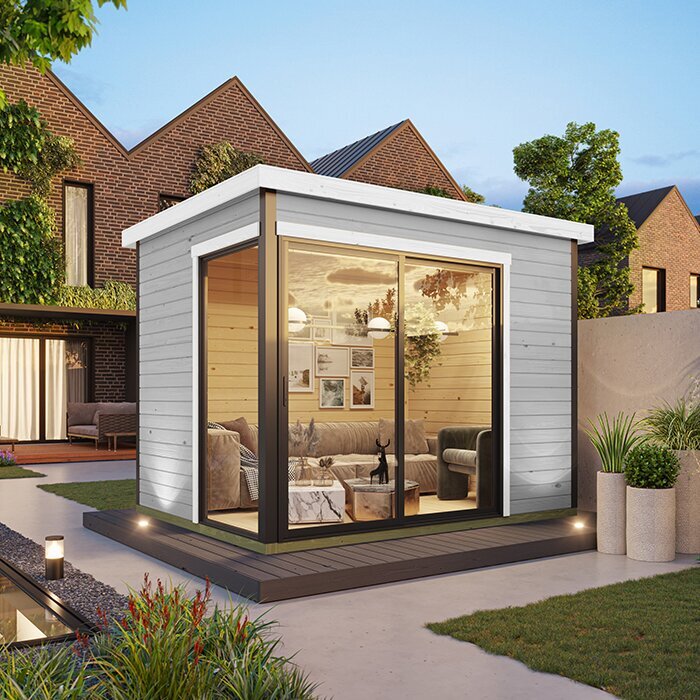
Check weather exposure and maintenance
Match the product’s stated exposure limits and care guidance to the weather at your address. Rain, long damp periods, strong sun, and seasonal temperature changes can influence the care a wooden structure needs, but the exact implications depend on species, finish, design, and installation. Ask the manufacturer which conditions the model is intended for and what maintenance it requires. Do not infer wind, snow, or other weather capacity from appearance or from the fact that the structure is made of wood. If the site experiences demanding conditions, have the manufacturer or a qualified professional confirm the relevant specifications for the exact model and setup.
Think through recurring care before buying, not only after the first season. Identify the instructions for checking the exterior finish, keeping water from collecting against the structure, and maintaining doors, glazing, and roof components, where applicable. Ask how the building should be protected during assembly and what changes if it is in shade, exposed to sun, or near vegetation. Maintenance needs are product-specific; do not apply a coating or alter a component based only on advice for another structure. Choose a garden house whose documented upkeep fits the time, access, and budget you can realistically provide.
Build a shortlist from confirmed facts
Once the shortlist is small, make a side-by-side table with the facts that can change the decision: external and internal dimensions, usable floor area, opening sizes, wood and finish, base requirements, assembly scope, what is included, care, and intended conditions. Mark each cell as documented, still to confirm, or not applicable. This simple distinction prevents a missing specification from being mistaken for a favorable one. Keep the product pages or written replies with the table so that a later change to a listing does not erase the details you relied on. Use the same categories for each model, even if their descriptions use different wording.
Set firm pass-or-fail conditions before comparing preferred styles. A model that cannot fit the site, meet the documented foundation needs, or support the actual use should leave the list even if its appearance is appealing. Among candidates that meet those requirements, weigh the remaining preferences, such as appearance, openness, storage arrangement, and maintenance effort. If two choices are close, settle the one question most likely to change your plan, whether that is a missing dimension, a package exclusion, or a site requirement, before you commit. This turns the first purchase into a reasoned choice rather than a guess.
Frequently asked questions
What size wooden garden house should I buy?
Start with the largest items or activities the space must accommodate. Measure those items, then compare them with the house’s interior dimensions and clear door opening. Sketch furniture, shelving, and room to move before deciding; the exterior footprint alone does not tell you how much usable space is inside.
Does a wooden garden house always need a concrete base?
No single base suits every design and site. Follow the manufacturer’s requirements for the exact model, and ask a qualified local professional to assess ground conditions if needed. Do not assume soil, paving, a deck, or concrete is suitable without confirming the product’s specifications.
Which wood is best for a garden house?
There is no universal best choice for every yard and owner. Compare the stated species, where each type of wood is used, any treatment or finish, and the care instructions. Consider your local exposure and how much maintenance you are willing to do, rather than relying on appearance alone.
Can I assemble a garden house myself?
Possibly, if the manufacturer’s instructions, required tools, helpers, and your experience align. Review the assembly documentation and package contents first. If the work or handling is beyond your comfort level, get a quote for qualified help and confirm what the service includes.
Should I choose pretreated or unfinished wood?
Compare what treatment or finish has been applied, which surfaces it covers, and whether additional care is recommended before or after assembly. Check which maintenance products are compatible and how often the manufacturer advises inspecting the finish. Do not infer treatment from the wood’s color or a photograph.
A good first garden house is the one that fits both your intended use and the conditions of your yard, with no important part of the project left to guesswork. Define your must-haves, compare usable space and materials, and account for the base, assembly, and care before choosing a style. When two options seem equally appealing, give priority to the one whose documented details best answer the practical questions that matter to you.
