
Buying Windows Online: How to Check the Supplier Before You Order

Online window buying guide
An online window order can look straightforward until the opening operation and project scope are put on paper. A fixed picture window, an outward-opening casement, and a patio door may share a color palette, yet they raise different questions about measuring, access, hardware, installation sequencing, and responsibility for errors. Before comparing finishes or adding units to a cart, check the supplier behind the product page. You need to know who will receive your money, what information defines the made-to-order item, how changes are handled, what arrives with the order, and how support works when a detail is unclear. The goal is not to find a supplier that agrees to every request. It is to find a process that makes consequential choices visible before you approve an order that may be difficult to alter later.

01 / Define the openings
Start with the opening plan, not the storefront
First define what every opening must do. Mark which units are fixed, which must ventilate, which need to be reachable for operation or cleaning, and where an open sash could conflict with a walkway or landscaping. A listing for a fixed window establishes a non-opening configuration; it does not answer questions about glass, frame depth, installation, or available options unless those details are documented. For an opening unit, ask which side is hinged, whether direction is viewed from inside or outside, what clearance the sash needs, and whether handles or screens affect use. A credible supplier should translate room-by-room intent into an identifiable configuration instead of merely repeating a product name.
Unusual shapes deserve the same functional review as standard rectangles. A round fixed window identifies a round, non-opening design, but the buyer still needs an exact ordered size, a clear dimensional reference, finish selections, and an installation plan appropriate to the opening. Ask how the shape and dimensions will appear on the quote or drawing, especially if your contractor must frame a new opening rather than measure an existing one. Group the project by operation and complexity: standard fixed units, operating windows, special shapes, and doors. This makes it easier to see whether the supplier has addressed each category instead of carrying assumptions from one product into another.
Verify the business before evaluating the brochure
A polished website is not a substitute for a traceable seller. Look for the legal business name, physical business address, working telephone and email contacts, and a consistent identity across the contact page, quotation, invoice, and payment request. If a representative contacts you, confirm that the email domain and payment instructions match the supplier’s published details. Ask who is contracting with you and which team handles product questions, order administration, delivery concerns, and post-delivery support. Record the name and contact route of the person who responds. That basic record matters if the project spans several conversations or an installer later needs clarification.
Test the contact process before sending money. Ask specific questions that require someone to review the proposed item: Which measurement reference governs the order? What does an outswing label mean in the supplier’s documents? Does the selected color apply to both sides? Judge the substance of the response rather than speed alone. A useful answer identifies what is known, what remains undecided, and which document will govern the final order. Save product pages, quotes, drawings, emails, and file revision dates. These records help distinguish exploratory discussions from approved instructions and reveal when information in a new document differs from an earlier proposal.
02 / Verify the supplier
Make the product page pass a configuration test
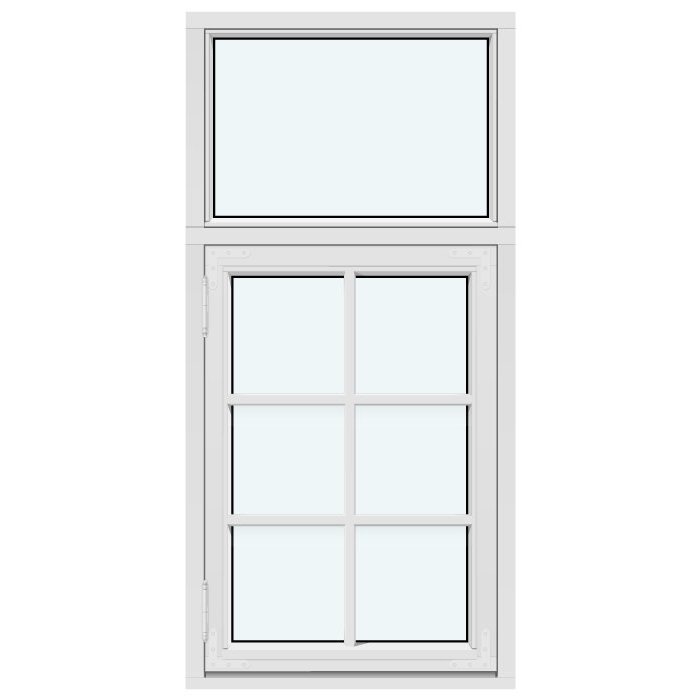
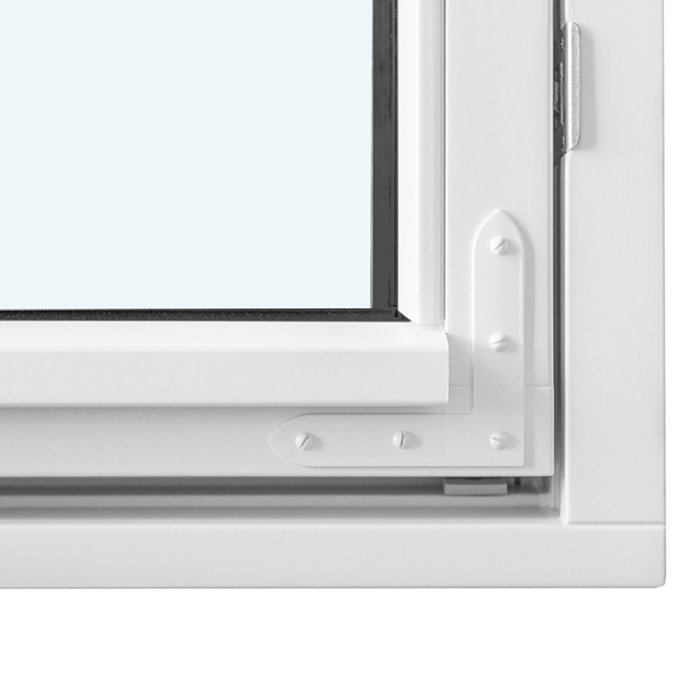
An online catalog is useful for narrowing choices, but its product page is only the beginning of the order definition. A single-sash outward-opening casement window identifies the basic operating configuration, but the order still needs its width, height, hinge side, viewing convention, color, glass selection, decorative treatment, hardware finish, and selected accessories recorded formally. Save any configurator summary or request a written schedule. Never fill gaps from photography alone. An image may depict one option, sample proportion, or installation setting rather than the exact item included in your price.
Compare labels across every document. The product named on the quote should correspond to the design selected, and each line should be identifiable by room, elevation, or opening number. Similar units are easy to reverse when one is left-hinged and another is right-hinged. Ask whether dimensions represent the unit’s outside size, the framed opening, or another reference; a rough opening and ordered unit size are not interchangeable terms. For replacement work, photograph each location and provide a keyed opening schedule instead of a loose group of measurements. Have the person responsible for field measurements state who will verify the final values before approval.
Ask for drawings that can be checked before release
For a configured order, an approved drawing or detailed order confirmation is often the most useful supplier document. It should let you compare the proposed unit with your opening schedule before production or release. Look for overall dimensions, operation, handing, fixed and opening areas, mullions where applicable, decorative bars if selected, and related components. A single-panel sidelight may sit beside an entry door in the design, but it should not be treated as included unless the order identifies it. Ask what the drawing omits and where non-graphic options are listed. The purpose is to expose omissions while they can still be corrected.
Read every revision as a new document, even when the supplier says only one detail changed. An altered dimension can affect trim, siding, interior returns, flashing planning, and adjacent components. Have the installer review the information needed for the site, particularly during remodeling where existing conditions influence the plan. Ask how approval is given, what event makes the specification final, and how a later change is requested, priced, and recorded. Never assume a phone conversation automatically updates a released order. A structured approval step gives the homeowner, installer, and seller a shared checkpoint before a documentation mistake becomes a delivered-product problem.
03 / Review the order
Separate visual choices from build-critical choices
Color, grille pattern, profile, and glass appearance matter, but rank choices by how difficult they would be to correct. Settle operating type, size, handing, and wall interface first, then complete the visual package. For divided-light styling, ask whether the order specifies decorative bars or glass-dividing bars and where the selection appears in the paperwork. A historic-style two-sash outward-opening casement window may support a traditional design direction, but its title alone does not establish the decorative-bar layout, finish, glass, or hardware selected. Require a written description of every visible feature that materially affects your decision.
Review physical samples when available, but treat them as decision aids rather than substitutes for the signed specification. Compare finishes in the intended daylight and beside siding, masonry, interior paint, or existing trim. Confirm whether the same color applies to both faces or whether separate interior and exterior choices are available. Ask how the selection is named on the quote; informal terms such as “black” or “bronze” may not identify a specific finish. Keep the elevation visually coordinated without assuming every opening must operate identically. A supplier’s documents should make deliberate differences easy to recognize, not hide them among nearly identical line items.
Read price and payment terms as order controls
A quote is useful only when its scope is clear. Check that it identifies units, quantities, selected options, applicable charges, delivery or freight scope if stated, and express exclusions. Ask what can change the price, such as revised drawings, different options, altered quantities, or a newly identified configuration need. Match each payment request to a quote or order number and verify the payee before transferring funds. Do not treat a shopping-cart total as the completed project price if important selections remain unreviewed. A lower total is not comparable when another proposal includes components, documentation, or services that the first has left unresolved.
Ask when the order becomes binding and whether there is an approval stage between quote acceptance and release. Review cancellation and change terms before paying, including the process for reporting an error discovered after submission. Bloomcabin’s windows and doors have a 5-year warranty; request the terms applying to the purchase and note the records that may be required for a claim. A warranty is not a substitute for confirming product suitability, dimensions, or installation planning. Written boundaries are valuable because they distinguish what the supplier addresses from decisions and site work that remain with the buyer, installer, or another project professional.
04 / Coordinate installation
Test technical support with installer-level questions
Your installer needs more than inspirational images. Ask what technical information is available for the exact product family and configuration, including dimensions, operation, interface details, care guidance, hardware information, and installation-related documents the supplier provides. A sliding patio door calls for questions different from a hinged door: panel arrangement, direction of travel, threshold coordination, finished-floor relationship, and the route for bringing the unit to the opening all require attention. Send available documents to the installer early and ask what is missing. Supplier support does not replace a site assessment; it supplies product information that makes the assessment more useful.
Keep responsibilities explicit. The supplier can explain the ordered product and its documents. The installer evaluates the existing opening, removal work, wall conditions, weather-management approach, and installation sequence. A designer may coordinate appearance, while an appropriate qualified professional can address project-specific compliance. This separation avoids the common mistake of expecting one participant to silently assume another’s work. Ask who the installer can contact if a drawing needs interpretation and what reference should accompany the question, such as an order number, product line, or revision. A dependable support route should not require the homeowner to relay technical messages from memory.
Treat delivery planning as supplier due diligence
Delivery involves more than an estimated arrival date. Ask what address details are required, how arrangements are confirmed, what unloading assumptions apply, who should inspect the shipment, and how visible damage or shortages must be reported. Bloomcabin states delivery is 4–6 weeks subject to order confirmation. Use that as planning information, not as a reason to schedule demolition before the order and delivery arrangements are confirmed. Verify the timing for your purchase in writing, then give the installer flexibility to plan removal, weather protection, and installation. An early discussion or general catalog statement should not be mistaken for an order-specific delivery commitment.
Map the physical route from the delivery vehicle to storage and each opening. Measure gates, stairways, hallways, and tight turns, and decide who will be present to receive the shipment. Larger assemblies require different handling discussions from compact windows. If considering outswing bifold doors, ask the supplier and installer what configuration information they need to coordinate access and handling. At arrival, compare labels and package counts with the final paperwork before items are distributed around the job. Photograph packaging condition and report discrepancies promptly through the stated process. A planned receiving check is easier than reconstructing events after unpacking or installation begins.
05 / Approve the final details
Check policies for moments when something changes
A supplier’s process becomes especially important when a detail is questioned, an order changes, or a delivery issue appears. Read policies covering cancellations, revisions, returns, damage reports, missing items, and warranty requests before committing. Configured goods may be treated differently from stock goods, so ask which terms govern your purchase rather than relying on general retail expectations. Identify the evidence the supplier requests, such as the order number, photographs, packaging details, drawings, or a written account. A defined procedure cannot prevent every issue, but it tells you how a concern must be submitted and how the supplier expects to assess it.
Pay attention to stage words such as “received,” “approved,” “released,” “shipped,” and “delivered.” They may trigger different actions, and you should understand which party must act at each stage. Ask whether a discrepancy should go to customer service, the sales representative, or another support channel. Keep the final confirmation, revisions, payment records, photographs, and delivery notes in one project folder. If a representative’s answer appears to conflict with a published policy, request written clarification identifying the terms applicable to your order. That record is more dependable than a verbal exception that may not be visible to the person handling a later question.
Compare suppliers using the same evidence pack
A fair comparison is not a contest between attractive websites. Give each shortlisted supplier the same opening schedule and request the same information: product identification, configuration assumptions, dimension references, drawing and approval process, payment terms, delivery approach, warranty terms, exclusions, and support contacts. Compare completeness as well as price. A supplier that flags an unresolved hinge direction or requests measurement verification may be offering more useful control than one that converts an incomplete request into an immediate total. Use one row per opening in your comparison sheet so omitted units, differing options, and unresolved assumptions remain visible.
Finish by asking what could make the order wrong. Likely answers are concrete: reversed handing, unclear dimensions, an omitted fixed area, an unconfirmed finish, inadequate delivery access, or selection without installer review. If the project includes a pivoting roof window, treat roof conditions and installation planning as a separate workstream rather than assuming it follows the same process as a wall window. Confirm project-specific requirements with the appropriate qualified professional and locally relevant authority because rules and conditions vary by location and project. Approve the purchase only when the seller’s documents, your opening schedule, and the installer’s plan describe the same work.
Frequently asked questions
What information should I ask an online window supplier for first?
Ask for the legal business identity, direct contact details, a quote tied to your opening schedule, the dimension reference, operating and handing definitions, the drawing or confirmation process, payment terms, delivery procedure, warranty terms, and the process for reporting problems. Have your installer review relevant product information before you approve the order.
Is a product title enough to confirm what I am buying?
No. A title identifies a basic configuration such as fixed, casement, sliding, or pivoting. It does not establish final dimensions, handing, color, glass, decorative bars, hardware, accessories, or installation interfaces. Those selections should appear in a quote, drawing, configuration summary, or final order confirmation that you can verify.
Should I approve drawings before paying for windows online?
Ask when drawings are issued, which payment is required first, and what approval means in the supplier’s process. Review the final drawing or confirmation against your opening schedule. Check every unit’s size, operation, handing, fixed areas, and visible options, and let the installer review information needed to plan the work.
How do I compare two online window quotes?
Compare them opening by opening. Check quantities, dimension references, operation, handing, finishes, glass choices, decorative treatment, hardware, accessories, delivery scope, payment stages, warranty terms, and exclusions. A total becomes meaningful only after both suppliers have priced equivalent configurations and clearly identified unresolved choices or assumptions.
What should I do when the delivery arrives?
Use the final order confirmation as a receiving checklist. Verify labels and package counts, inspect accessible packaging, photograph visible damage, and report shortages or concerns through the supplier’s stated process. Retain delivery notes and correspondence, and coordinate with the installer so the products can be received, protected, and checked before installation.
Next step
Buying windows online becomes a more controlled decision when the supplier, product documents, and installation plan agree. Begin with the function of every opening, verify the seller’s identity and support route, and require a written configuration that separates assumptions from confirmed selections. Let your installer review information affecting the site, access, and sequence. Read payment, warranty, delivery, and issue-reporting terms before you need them. Rather than rushing to checkout, prepare an opening schedule, request the relevant documents, and resolve every material question in writing before approving the final order.
