
Casement Windows: Clearance, Hinges and Buying Checks
BLOOMCABIN • WINDOWS & DOORS • US BUYER GUIDE
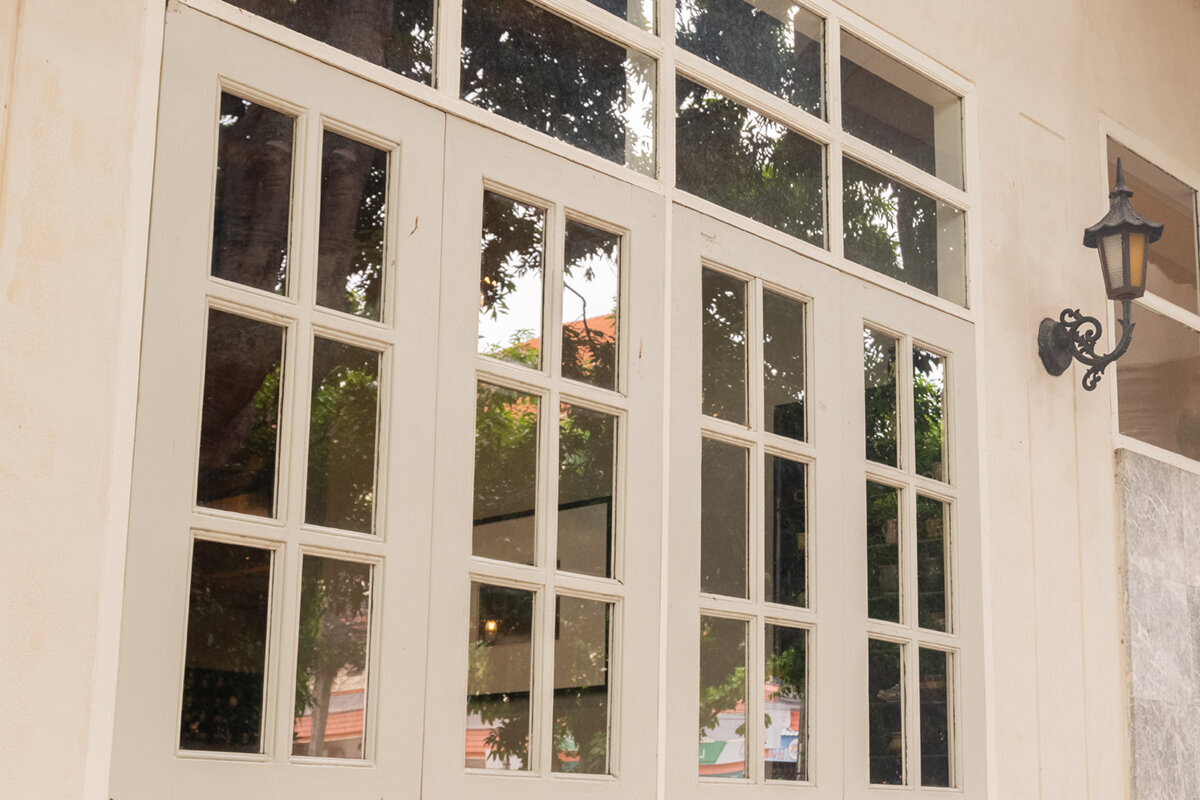
Casement windows can be a smart choice when you want an operable sash rather than a fixed pane, but their swing is the planning issue homeowners most often underestimate. Unlike a window that slides within its frame, a casement sash moves into either the exterior or interior space, depending on its configuration. That movement affects walkways, decks, landscaping, shutters, screens, kitchen fixtures, furniture, and how easily you can reach the handle. Before requesting a quote, decide where the sash needs to go, which side should be hinged, how far the opening can project, and whether the window will remain practical to use after the room is furnished. The best buying decision is usually the one that resolves those everyday details on paper before sizes, divisions, color, and decorative features are finalized.
BUYER CHECK 1
Begin With the Full Sash Swing, Not the Window Opening
A casement window needs clearance for its sash to rotate around a side hinge. The usable opening area is therefore larger than the frame visible in the wall. For an outward-opening configuration, picture the sash moving through the space outside the house from closed to its intended open position. Its edge may project toward a porch, a narrow side yard, a railing, a path, outdoor seating, a grill location, or planted beds. The possible conflict is not limited to a fully open sash: an obstruction can make opening or closing inconvenient long before the sash reaches its intended position.
Measure the exterior space from the plane of the wall and also along the wall on both sides of the opening. Note fixed elements as well as items that move seasonally, such as furniture and planters. An outward-opening single-sash casement window is a relevant option to review when one clear swing zone can be reserved. Do not assume a narrower frame automatically solves a clearance concern. Sash width, opening angle, hinge position, and the exact placement of obstructions all matter, so supply a dimensioned sketch and site photos with your inquiry.
Choose Hinge Side From Daily Use Inside the Room
Hinge side determines where the sash pivots and where its free edge travels. Describe it consistently by standing inside the room and facing the window: specify whether you want the hinges on the left or the right from that viewpoint. This avoids the common error of describing the same hand from the exterior, where left and right reverse. Include that viewpoint in drawings and quote notes rather than relying only on terms such as “left hand,” which can be interpreted differently by different people.
Select the hand that leaves the clearest operating zone at the handle and the least troublesome swing outdoors. At a kitchen counter, think about the faucet, backsplash, shelf, and small appliances below and beside the window. At a desk or bedside, consider whether the sash and handle will be easy to reach without moving everyday items. Where an elevation uses more than one operable sash, compare the intended hinge layout of a historic-style two-sash outward-opening casement window against your actual sightlines and exterior clearances. Symmetry in the drawing does not automatically mean equal convenience at both openings.
BUYER CHECK 2
Check How Far the Open Sash Reaches Outside
Clearance planning should be physical rather than visual. Mark the wall line, window location, and nearby fixed objects on a simple overhead sketch. Then mark an approximate arc for the free edge of each sash based on the dimensions you are considering. This does not replace manufacturer drawings, but it identifies questions to resolve before the order stage. A sash near a walkway may be unobtrusive when barely open yet occupy the route when opened wider. That is especially important beside gates, steps, low walls, and outdoor seating areas.
Think through real routines rather than a one-time opening test. Will someone pass beneath the window while it is open? Could a gardener, delivery, or routine exterior work require the same space? Are there shrubs likely to grow into the swing path, or a hose bib, light, downspout, or exterior outlet nearby? Keep the configuration decision separate from exterior styling decisions. Decorative grilles create a visual pattern within or across the glazing area; they are not structural divisions and do not reduce the outdoor swing area. Ask for the actual sash layout before treating a grille pattern as evidence of separate operating panels.
Account for Paths, Patios, Decks, and Exterior Features
A casement location can be workable on a broad lawn-facing wall and problematic inches away on a heavily used patio wall. Map the route people naturally take rather than only the property line. For example, the clearance issue may be a chair pulled away from a table, a step from a door, or a narrow pass between the house and a railing. A window above a deck can also be difficult to operate if the available standing area is interrupted by furniture. Include railings, stairs, fencing, exterior lighting, and roof supports in your planning photos.
When a swing would interfere with a regular outdoor route, do not force a casement merely to preserve a repeated visual look. A fixed unit can retain glazing in a location that does not need to open. Review a fixed window as a non-operable alternative for the conflicted opening, then decide whether nearby operable windows can provide the ventilation pattern you want. This is not a judgment that fixed windows are better generally; it is a practical tradeoff between an unobstructed exterior zone and a sash that needs operating clearance.
BUYER CHECK 3
Plan Interior Clearance and Reach Before Furnishing
Outward-opening casements generally place most of the sash movement outside, but interior usability still deserves attention. The handle, latches, and any screen-related operations need a person to approach the window comfortably. Check the depth and height of counters, window seats, desks, headboards, shelves, and curtains. A window located behind a sofa may look balanced in an elevation but be irritating to open every day. In a bathroom, consider the final mirror, countertop accessories, and privacy treatment rather than an empty room at rough-in.
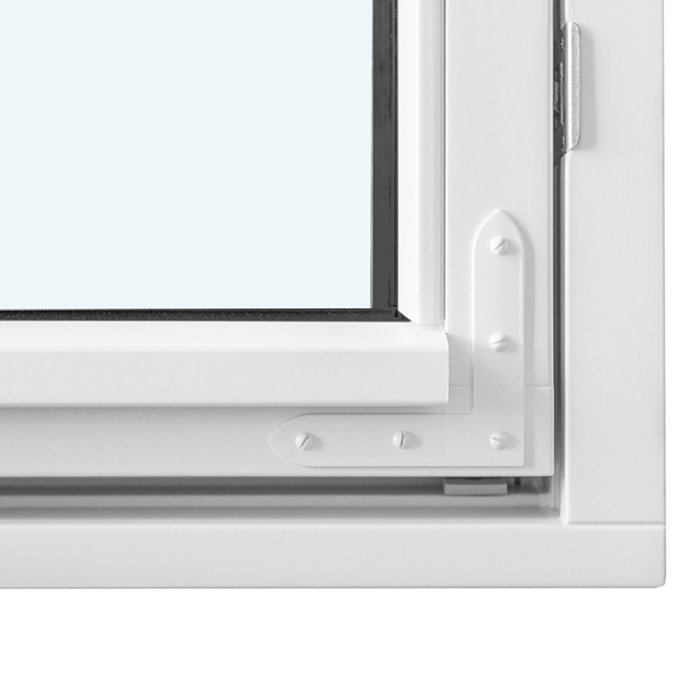
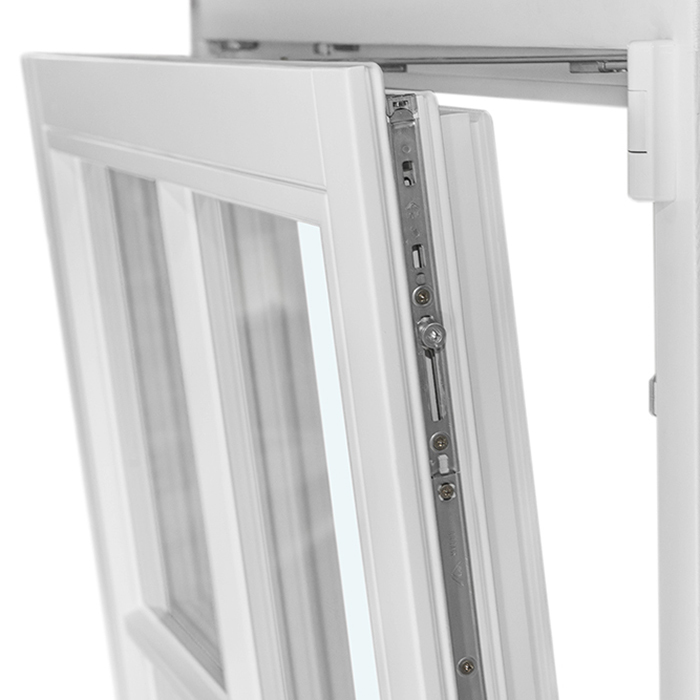
The most useful test is to mimic use at the anticipated finished-floor height. Can the intended user reach the operating point without climbing, leaning across a hot cooking surface, or constantly moving furniture? Can the window be closed quickly from the normal standing position? Record any accessibility or household-specific needs early so the provider can address the actual layout. A casement selected only around the exterior view may leave the interior handle in the wrong place. Window width, hinge side, sill height, and adjacent furnishings should be considered together, not as isolated selections. Include the insect screen and window treatment in this operating check. Ask whether either must be moved or removed to reach the handle, and where removable parts will be stored. A showroom demonstration can help you compare the complete sequence: approach the window, release the latch, open the sash, and close it again. Check the proposed hardware rather than assuming every casement uses the same handle arrangement.
Match Single, Paired, and Combination Layouts to Clearance
More than one sash changes the clearance question. Two sashes can create separate swing zones, and their open positions may affect each other, nearby walls, or different parts of a patio. Decide whether both need to be operable and, if so, whether they should hinge toward or away from a central meeting area. A two-sash outward-opening casement window provides a comparison point when your design calls for paired operable sections, but its named product type does not answer the exact handing, dimensions, or opening arrangement for your project. Confirm those details directly.
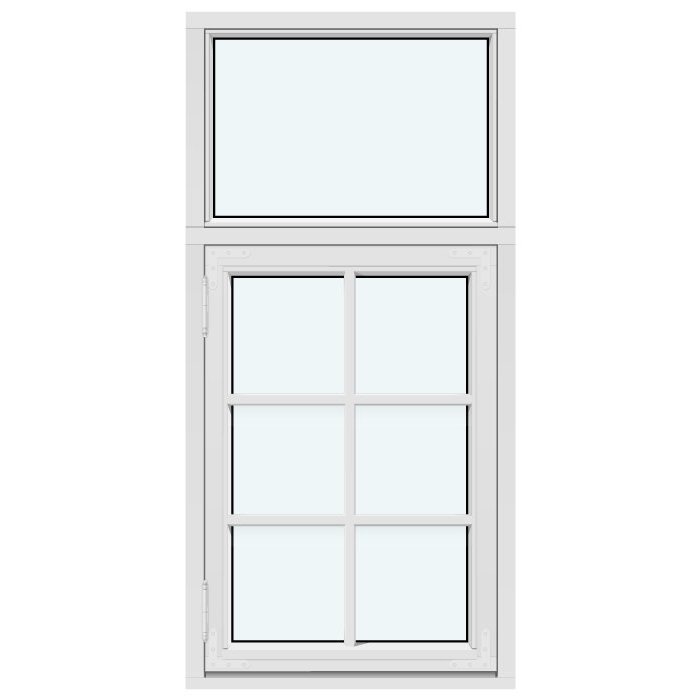
A combination layout may be useful when one part of the opening needs to operate and another part is intended primarily for light or view. The key is to assign each portion a job before choosing the composition. Review a kombi outward-opening casement window only in the context of the drawings and available configuration details, and ask which areas are operable, where hinges sit, and how the units are divided. Do not confuse visual vertical divisions with a promise that every section opens. Clear, labeled elevations prevent costly assumptions about the number of sashes and the exterior clearance each requires.
BUYER CHECK 4
Consider Cleaning and Exterior Access at the Same Time
A window can have unobstructed swing clearance and still be difficult to maintain if its exterior face is beyond safe, ordinary reach. Consider where you will stand when cleaning or inspecting the outside surface, hardware, and perimeter. Ground-level windows may be accessible from the yard, but plantings, retaining walls, and tight side passages can still make access awkward. Upper-level windows require a separate plan based on the property and the window’s actual operation. Do not assume that an outward swing alone gives the interior occupant access to every exterior surface.
Ask focused questions before purchase: what parts can be accessed from inside when the sash is open, what cleaning guidance applies to the selected unit, and what routine maintenance access is expected? Keep manufacturer documentation with your order records. If exterior access is limited, consider whether an alternate window type or a revised location better fits the household’s realistic maintenance routine. This is a usability discussion, not a substitute for project-specific safety planning. The goal is to avoid placing an operable window where simple long-term care becomes unnecessarily difficult.
Compare Inward, Top-Hinged, Pivot, and Fixed Alternatives Honestly
An inward-opening option changes the conflict from the exterior to the room. It may be worth comparing where an outside walkway is too tight but the interior has clear space in front of the opening. A single-sash inward-opening window is an alternative product type to examine for that scenario. Before switching, map its interior swing against cabinet doors, seating, window treatments, and traffic. The fact that an alternative removes one problem does not mean it removes all clearance concerns; it simply relocates the moving sash.
Top-hinged and pivoting types can offer different movement patterns, while fixed windows eliminate sash swing because they do not open. These are alternatives, not interchangeable versions of a side-hinged casement. A top-hinged outward-opening window may suit a different clearance concept, but homeowners should obtain the relevant operating details rather than infer behavior from a broad category. Choose based on the opening you need, the space available throughout the sash movement, handle access, cleaning considerations, and the appearance you want across the full elevation.
BUYER CHECK 5
Request Drawings That Show Operation, Not Just Appearance
A clean exterior rendering is useful, but it is not enough for an operable-window decision. Request an elevation that identifies each sash, hinge side, direction of opening, fixed sections, handle location where relevant, and the dimensions being quoted. Then compare it against your site sketch. If there are multiple windows, label them by room and wall, such as “kitchen patio wall” or “upstairs side yard,” rather than relying on a generic size list. This makes it easier to catch a reversed hand or an incorrect operable section before confirmation.
Also ask what information is still undecided. Product names and display images should not be treated as a complete specification for materials, glazing, hardware, grilles, dimensions, or configuration. If decorative grilles are under consideration, ask how they are represented in the drawing and make sure they are not mistaken for structural divisions. Save the approved drawing, color selection, and written scope with the order paperwork. Bloomcabin states a five-year warranty for windows and doors. Delivery is stated as four to six weeks, subject to order confirmation, so verify the timing that applies to your specific order.
Use a Final Room-by-Room Buying Check Before Ordering
Before you finalize a casement order, walk each location with a checklist: identify the operating direction; state hinge side from inside the room; measure the clear space within the sash path; locate paths, railings, plants, outdoor furniture, and exterior fixtures; check interior handle reach; and decide who will need to clean or manage the window. Repeat the review for every opening, even where windows look identical. A small difference in a patio route, counter layout, or neighboring wall can call for a different hand or a different window type.
Finally, distinguish decisions that are aesthetic from those that control usability. Color, grille pattern, and overall composition matter, but they should follow the operating plan rather than conceal an unresolved clearance issue. For a more traditional outward-opening configuration, an historic-style single-sash outward-opening casement window can be reviewed alongside the same room-specific questions about swing and handing. Provide the seller with measurements, photos, and marked drawings, ask for confirmation of the selected operation, and review the final order details line by line. That discipline is the practical buying check that protects the daily experience of the window.
Frequently asked questions
How much clearance does an outward-opening casement window need?
There is no one clearance measurement that applies to every casement. It depends on the selected sash size, hinge placement, intended opening angle, and nearby objects. Use the actual product drawing to map the sash path, then check that arc against walkways, railings, furniture, landscaping, and exterior fixtures.
How do I specify left-hand or right-hand hinges correctly?
Stand inside the room facing the window and state which side you want the hinges on from that viewpoint. Put the same wording on your marked drawing. Avoid relying on “left-hand” alone without the viewing direction, because the description reverses when viewed from outdoors.
Will decorative grilles affect casement window clearance?
Decorative grilles affect the visual pattern of the window, not the space needed for an operable sash to swing. They should not be confused with structural divisions or separate operating sections. Ask for a drawing that clearly identifies actual sash boundaries, fixed areas, and operable areas.
Can a casement window work beside a patio or walkway?
It can, provided the sash path does not make the area inconvenient or obstruct a normal route when open. Mark the expected swing on a plan and consider how the space is used with furniture in place. If that area must stay clear, another window type may be more practical.
What should I send when asking for a casement window quote?
Send overall opening dimensions, room names, photos from inside and outside, desired opening direction, hinge side viewed from indoors, and notes on nearby obstacles. Include a simple sketch showing paths, counters, railings, furniture, or plantings. Ask for drawings that identify sash operation before confirming the order.
Your next step
Casement buying checks are fundamentally about movement and reach. Establish where each sash will travel, which side it should hinge from, and whether the handle and exterior face will remain practical after the home is furnished and landscaped. Compare alternatives when a swing conflicts with a path or interior layout instead of accepting a daily inconvenience. A clearly labeled drawing, a measured clearance sketch, and a final room-by-room review give you a stronger basis for choosing the right casement configuration before the order is confirmed.
