
Choosing a Family Hot Tub: Seating and Everyday Use
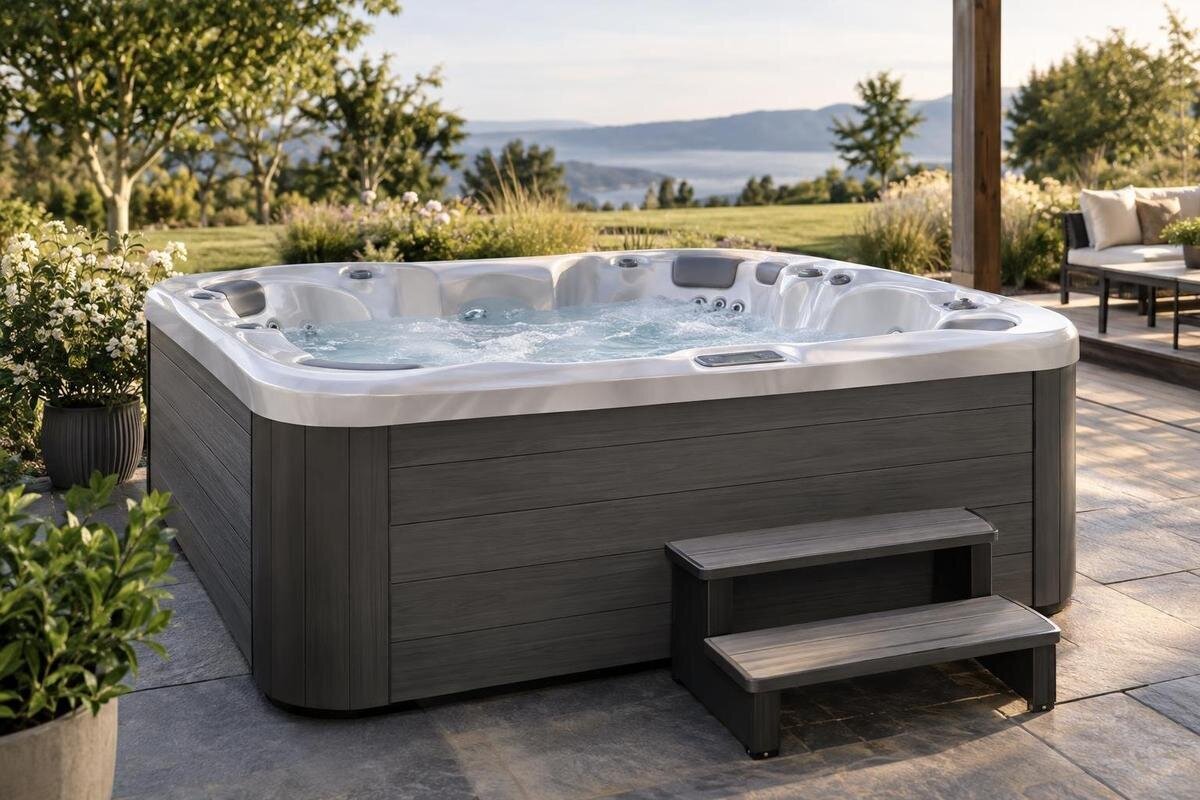
Family hot tub seating guide
Choosing a family hot tub is less about finding the largest number on a listing than about whether the seating works for the people who will use it regularly. A capacity figure cannot show whether positions leave enough personal space, whether users prefer the same seat style, or how people get in and out. Your household may also use the tub in several different combinations throughout the week. Compare the seating with those everyday patterns, giving the most frequent users and shared sessions more weight than an occasional full-household session.
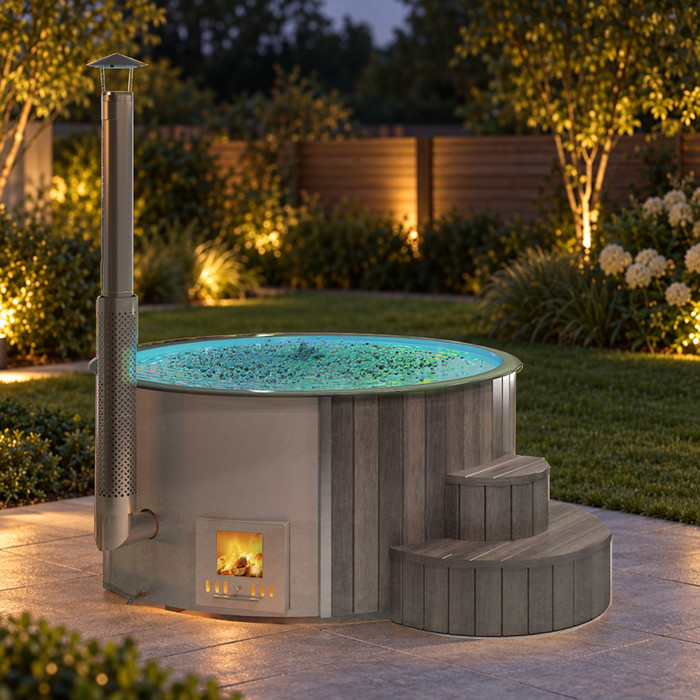
Who will use the hot tub together?
Before comparing products, identify who is likely to use the tub together in an ordinary week. The total number of people in a household is less useful than the combinations that recur: two adults after work, a parent with a child, or several family members on a weekend. Note how often each pattern happens, then separate routine overlap from a rare all-at-once occasion. If some household members usually use the tub separately, include solo and paired use too. Put the most common pattern first and the largest regular group second. This gives you a realistic brief without asking an advertised maximum to stand in for every possible gathering.
Next, note what each regular user prefers rather than assuming relatives want the same position. Some may favor upright seating; others may want a more reclined position or extra room to shift their legs. Record approximate height ranges and the features each person considers essential, such as a particular seat style or room to sit without feeling crowded. These notes do not prove that a specific tub will fit; they help you ask focused questions about its individual seats. They also distinguish a genuine household requirement from a preference that only one person has.
Treat advertised capacity as a starting point
An advertised seat count can help narrow a list, but it does not show whether the positions suit the people sitting side by side. Treat it as a stated occupancy figure, not a promise that every household will find that number comfortable. Ask how the figure is defined, whether it describes a maximum or suggested simultaneous use, and whether a seating diagram identifies every counted position. Compare like with like across models. If one listing gives a number while another also shows a seat plan, record that difference in the quality of the available information instead of assuming both figures describe the same experience.
When reviewing Bloomcabin Hot Tub Cove 2, record the exact capacity wording alongside your usual number of simultaneous users. The numeral in the model name is not evidence of a two-seat arrangement or an occupancy limit. Then separate two questions: does the stated capacity cover that group, and does the seating information explain where each person would sit? A capacity statement may answer the first without answering the second. For example, if three household members regularly use the tub together, identify three proposed positions on the plan rather than stopping at a matching advertised number. Leave comfort and access as separate comparison items. This keeps the capacity figure useful without asking it to answer questions about personal space that it cannot resolve on its own.
Compare the seating plan and seat styles
A seating plan can answer questions that a capacity figure cannot. Look for individual seat outlines, the direction each position faces, and whether the layout includes distinct seat shapes or a continuous bench-like area. Check what the diagram counts as a seat: a molded position, a reclined position, or space along shared seating may offer different amounts of room. Ask whether the drawing is current and whether its labels are explained. Product photographs can help you recognize a model, but perspective and water can obscure the shape and spacing of individual positions, so do not treat a photo as a substitute for a seating map.
For Bloomcabin Hot Tub Haven 6, use the documented seating plan to identify which positions could serve each regular user. Label the positions in your notes so everyone can discuss the same seat without relying on descriptions such as “the one at the back.” Then compare the combinations your household actually needs. If two people prefer a reclined position, for example, ask whether the documented arrangement offers a position each would choose when using the tub together. Do not count a preferred seat twice simply because different people would use it on different days. Conversely, a position that appeals to only one person may still be useful if that person is a regular user. The aim is to understand the whole arrangement, not to declare one seat style universally better.
Check personal space at each seat
A marked position does not tell you how much room a user has once seated. Where information is available, ask for a dimensioned interior layout and measurements relevant to individual seats, such as seat width, seat depth, spacing between positions, and room for knees and feet. If a published depth is mentioned, check whether it refers to the seat, the interior, or the water; those measurements answer different questions. Exterior dimensions alone cannot show how people fit side by side. If a useful measurement is not published, label it unknown instead of using the advertised capacity or a photograph as a substitute.
For Bloomcabin Hot Tub Fjord 8, organize any published interior measurements by the question they answer: room beside another user, room in front of a seat, or the dimensions of the seat itself. Compare the positions your household would occupy together, not just whichever position has the most generous measurement. If users have different height ranges, note whose fit remains uncertain at each proposed seat. Avoid treating one person’s assessment as a result for everyone else. Where a measurement is missing, write a specific question, such as whether two adjacent positions leave the room those users want for their legs. That is more useful than a general request for “more space.” Keep dimensions and personal comfort judgments in separate columns so neither is mistaken for the other.
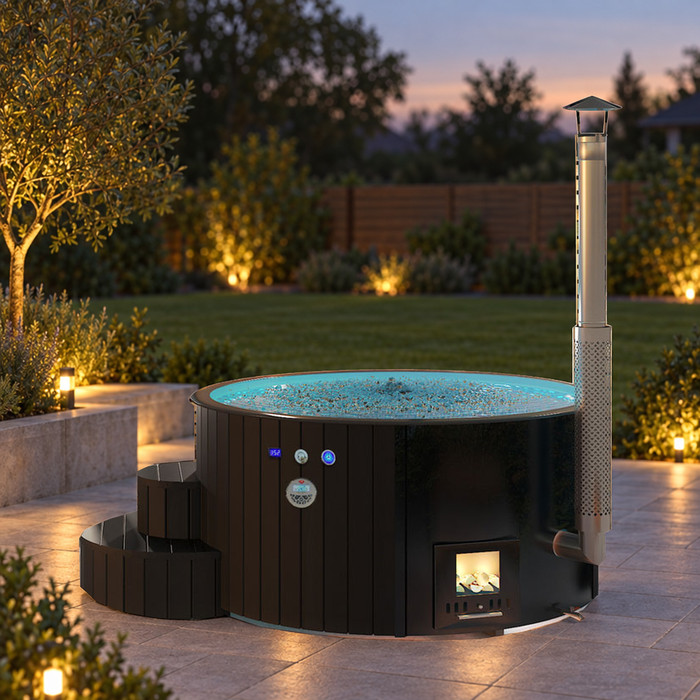
Account for different comfort preferences
Seat style matters because households do not share one definition of comfortable. Some people prefer an upright position; others may favor a more reclined seat, a different contour, or room to change position during a session. Ask each regular user what they would choose if given options, then decide which preferences need to be covered for the household rather than expecting everyone to accept the same shape. If several people will sit together, consider whether the layout offers meaningful variety or repeats similar positions. These are questions to verify about a model, not features to assume from its name or appearance.
When considering Bloomcabin Hot Tub Aurora 10, match its documented seat styles with the preferences each user considers essential. Distinguish a preferred position from a position someone would also be happy to use; that difference matters when several people want the same seat. Ask whether users would willingly alternate between positions or whether sharing the tub depends on each having a particular style available. Do not assume that taking turns solves a conflict if the point of buying is to spend time together. If an in-person demonstration is available, have users assess their likely positions rather than letting one person choose for the household. Record individual reactions in plain terms, such as liking the posture or wanting more room to shift, instead of reducing every response to a single comfort score.
Check how household members enter and exit
Seating comfort is only part of everyday use: each person also needs to approach the tub, get in, settle into a position, and leave. Ask where the described entry point is and how it relates to the seats. Consider whether a person entering would need to pass close to someone already seated or ask that person to move. Check whether the product information describes steps, handholds, or other access features, and whether any such item is included or must be arranged separately. Do not assume an access feature is present just because it appears in a photograph or seems typical of a hot tub.
For children, older adults, or anyone with an individual mobility or health concern, a counted seat does not establish that use is safe or appropriate. If children may use the tub, consult current manufacturer instructions and authoritative U.S. safety guidance before planning who will use it and when. For personal health or mobility questions, seek appropriate professional guidance rather than relying on a seat count or a product description. A family should not assume that every household member can safely use a hot tub.
Match the seating to your weekly routine
Think about how often household members expect to use the tub together, not just how many could fit on an occasional special day. A simple weekly calendar can show when shared sessions are likely, which users overlap, and whether people typically take turns. If a full-group session is rare but pairs use the tub regularly, weigh the paired arrangement carefully. If several people expect to use it together as part of a normal routine, give that pattern more importance than occasional solo use. The goal is not to maximize the number of occupied seats at every session; it is to understand the arrangement your household will use most often.
When revisiting the Cove 2 product page, compare its documented arrangement with two distinct routines: the most frequent shared session and the largest group that uses the tub regularly. Note whether the same positions would work for both or whether users would need to change seats. Also discuss whether separate sessions are something people genuinely prefer or merely a workaround for a layout they would otherwise reject. There is no need to give every possible household combination equal importance. A session that happens several times a week deserves more attention than one that is only an occasional possibility. If family members have different expectations about shared use, resolve that difference before using the seating plan to judge the model. Otherwise, they may be evaluating the same tub against entirely different routines.
Compare the four models with the same checklist
Put Cove 2, Haven 6, Fjord 8, and Aurora 10 into a comparison sheet, but treat those names as catalogue identities rather than seating specifications. For each, record the exact advertised-capacity statement, the current seating diagram, the seat styles, any published interior measurements or depth, and the access details the seller or manufacturer describes. Add the source page and the date you reviewed it. Mark information that is absent or ambiguous as unknown instead of filling gaps with estimates based on a number in the name, a product photo, or a seat count from a different model.
Use the Haven 6 listing as one entry in that comparison sheet, keeping published details separate from your household’s assessment. One column can contain the product’s exact wording; another can explain why the detail matters to a particular user or shared session. A third can hold a focused follow-up question. For example, a listed seat style may be clear while the space beside it remains uncertain. Record those as separate items rather than marking the entire seating arrangement either confirmed or unknown. Apply the same level of detail to all four models, even if one listing is easier to read than another. This helps prevent a well-presented page from appearing to offer a better household fit simply because its information is more complete or more prominently displayed.
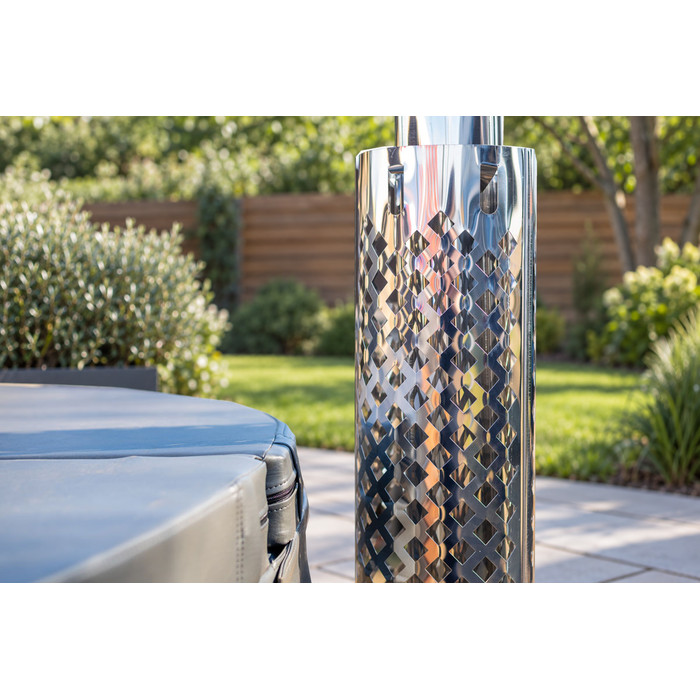
Test each layout against a typical session
Choose one of the household’s most common shared sessions and use it as a practical fit check. With a current, dimensioned seating plan, assign each person a proposed position and see whether the plan answers your questions about orientation, spacing, and access. Note if two users would prefer the same position or if a person’s preferred seat is hard to reach. A drawing can expose missing measurements or an awkward arrangement, but it cannot reproduce how a seat feels to a particular person. If an in-person demonstration is available, use it only to assess the features you can actually see or try.
With the Fjord 8 product page and its available seating information, walk through the session in order: who enters first, where each person settles, and who is likely to leave before the others. Ask whether someone would need to change position when another user arrives or exits. Then consider a simple change, such as one person choosing a different seat midway through the session. These questions make the layout comparison more realistic than assigning positions once and assuming everyone stays still. If a demonstration is available, take those specific questions with you and distinguish what you actually observe from what the plan merely suggests. A useful result may be a clearer preference, an identified compromise, or a precise unanswered question; it need not be an immediate yes-or-no verdict on the model.
Priorities for the final shortlist
Before selecting a favorite, divide your notes into three groups: essential for the household’s usual shared session, preferred but not required, and still unanswered. Essentials might include a documented arrangement for the people who regularly use the tub together, seat styles that match key preferences, and access information relevant to regular users. A preference can help distinguish otherwise comparable options, but it should not outweigh an unanswered essential. This simple order keeps a headline capacity from dominating the decision and makes it clear why one option remains on the list while another needs more information.
Use the Aurora 10 listing in the final review by writing a short reason for keeping it on the shortlist, followed by any unresolved essential. Do the same for the other candidates. Reasons should describe household use, such as an arrangement that accommodates the regular group’s preferred positions, rather than simply repeating an advertised capacity. Where two options meet the essentials, compare the compromises: which preferences would users give up, how often would that matter, and would the same person always be making the concession? If an essential remains unanswered, keep the candidate pending instead of ranking it above a model whose relevant details are known. The result should explain not only which options remain, but also why they deserve consideration for the people who will actually share the tub.
Frequently asked questions
How many seats should a family hot tub have?
Start with the number of people who routinely use it together, then compare the actual seating arrangement and personal space. Household size and advertised capacity alone do not show whether each regular user will have a suitable position.
Does the number in a model name tell me its capacity?
No. Treat a model number as part of the product’s identity, not as a verified seat count or occupancy limit. Use the current product information or manufacturer documentation for capacity and layout.
How can I compare seat comfort before choosing?
Request a current seating diagram and any published interior or seat measurements, then compare them with the positions your household prefers. If an in-person demonstration is available, use it to assess only what you can actually see or try; a photo cannot establish personal comfort.
Can I assume children can use any of the seats?
No. A listed seat or capacity does not establish that use is safe or appropriate for every child. Check current manufacturer instructions and authoritative U.S. safety guidance before planning children’s use.
Is a higher advertised capacity always better?
Not necessarily. A larger stated capacity may not answer whether the layout suits your household’s usual session, preferred seat styles, personal space, or entry and exit needs. Compare those details before treating capacity as a deciding factor.
The best family fit is an arrangement that works for the people who share the tub most often—not simply the one with the highest advertised seat count. Give each regular user a realistic place in the plan, consider how they enter and leave, and decide which comfort compromises are acceptable. Keep unanswered essentials visible. A useful shortlist should show how each candidate could support your household’s ordinary shared sessions, rather than just its largest possible gathering.
