
Choosing a Hot Tub for a Vacation Home
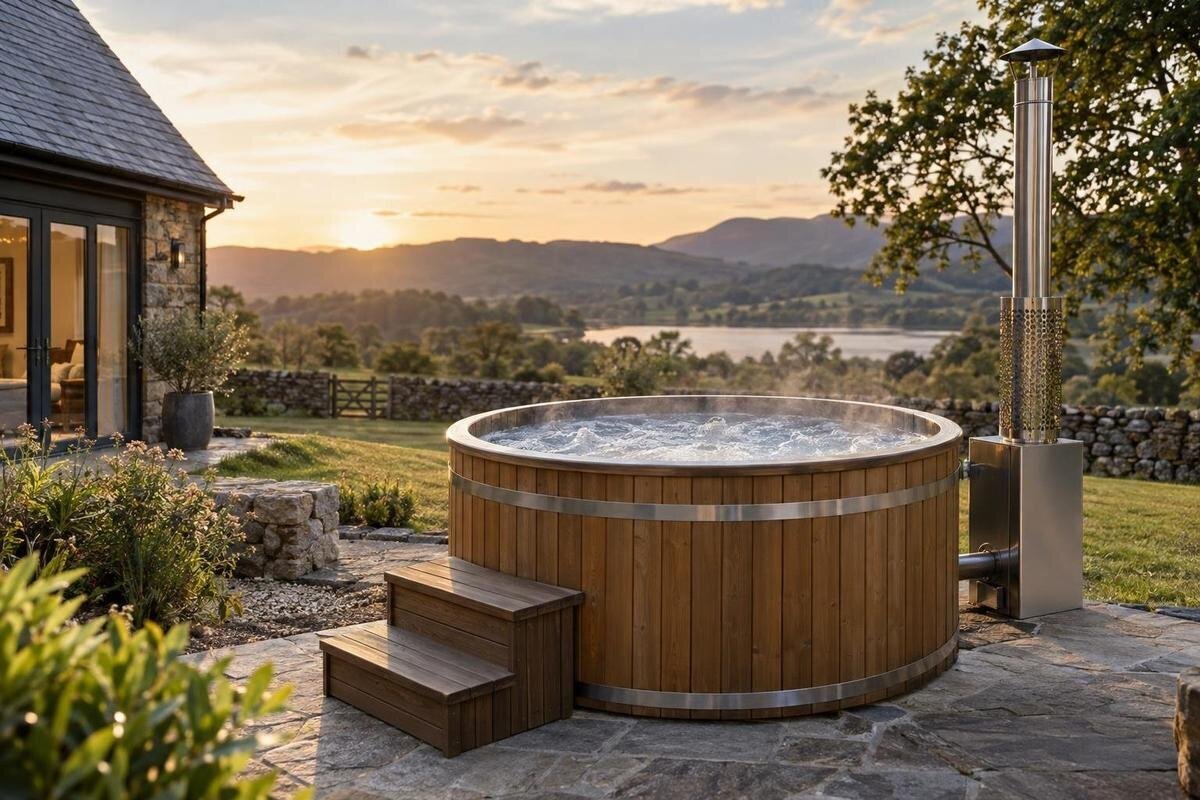
Vacation-home planning
A hot tub at a vacation home has to fit a calendar that may include long gaps, short stays, and changing weather. The choice depends not only on who will use it, but also on who can look after it while you are away and how soon you expect to use it after arriving. This guide is for personal use at a second home, not for short-term rental operations.
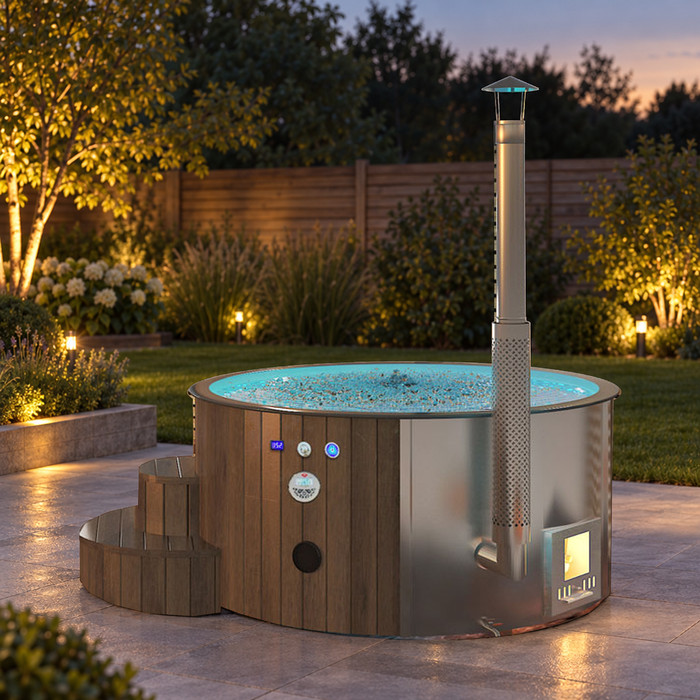
Use your visit calendar to define the need
Count visits across a full year rather than picturing one ideal weekend. A second home might see frequent two-night stays in one season and a long empty stretch in another; those patterns create different care and preparation needs. Note typical arrival and departure days, how long you stay, and whether you are willing to wait before using the tub. Two long stays can create different demands from monthly weekends, even if the total number of days is similar. When considering Bloomcabin Hot Tub Cove 2, compare its current operating guidance with that calendar. The useful question is whether its requirements fit the way you actually use the home.
Also distinguish a planned visit from a last-minute one. If trips are often spontaneous, an arrangement that requires someone to check the water or prepare equipment beforehand may be harder to coordinate than one planned weeks ahead. If visits are rare, ask whether the purchase and upkeep remain worthwhile when use is low. Record the longest likely gap as well as the average interval: an unusually long absence may shape the care plan even if most visits are frequent. Note realistic exceptions, such as family holidays, shoulder-season weekends, or trips canceled because travel becomes inconvenient. The aim is not to predict every stay, but to avoid choosing around a best-case schedule.
Arrange routine care for the weeks you are away
Water and equipment care do not automatically pause while the property is empty. Before choosing, decide who would be responsible for routine attention during longer gaps: you on each visit, a trusted nearby person, or a local service provider. Ask the manufacturer or a qualified service professional which tasks apply, how often they are due under your intended operating pattern, and what arrangements are appropriate during an absence. Ask who should act if a check finds a problem. Do not assume a hot tub is maintenance-free, or that a remote-control feature would remove the need for in-person attention. Those are product-specific questions, not conclusions to draw from a name.
Reliability matters as much as willingness. A person who can get to the property, follow the current manual, and report a problem is different from someone who is merely available by phone. Find out whether a local service provider covers the address, how visits are scheduled, what access is needed, and who can approve work while you are away. If Bloomcabin Hot Tub Haven 6 is on your list, request its current care guidance so you can discuss the work involved with prospective providers. Agree on a simple way to share observations with you so a problem is not discovered only on your next stay. If no one can take responsibility, treat that gap as part of the purchase decision.
Set a realistic expectation for arrival
Be explicit about what “ready” means for your trips. Some owners are content to arrive, settle in, and use the tub later; others expect to use it soon after unlocking the house. Preparation and heating times depend on the model and circumstances, so do not estimate them from a name, photo, or generic claim. For Bloomcabin Hot Tub Fjord 8, ask the manufacturer for written guidance covering the starting conditions, target setting, and assumptions behind any time estimate. Compare that guidance with the length of your usual stay. A wait you would accept during a weeklong vacation may be less appealing on a two-night visit.
Arrival plans also depend on whether someone can prepare the property before you get there. Confirm whether the product documentation supports any scheduling or remote functions you want, what those functions can and cannot control, and whether an on-site check is still needed. Do not build a plan around an app or automatic setting unless it is documented for the exact configuration and explained by the manufacturer. Think through a late arrival, a canceled trip, or a loss of connection: would someone be able to check the situation? If preparation cannot be arranged, decide whether waiting during the first part of a short stay is acceptable. That may matter more than a feature you would rarely use.
Seating and comfort for your usual group
Plan for the number of people who will use the tub at the same time on an ordinary visit, not everyone who might stay at the house over a year. Most visits may be just you and a partner or your immediate household, with larger family gatherings happening only occasionally. Never read seating capacity from a model suffix: the “10” in Bloomcabin Hot Tub Aurora 10 is part of the catalog name and does not confirm how many people fit. Check the manufacturer’s stated capacity, exact dimensions, and layout, and ask how any capacity figure is defined. The house’s bed count does not tell you how many people will want to use the tub together.
Capacity on paper is only one part of comfort. Compare the usable interior, seat arrangement, and entry and exit experience with the people who visit most often, using current drawings or an in-person demonstration where possible. Consider whether visitors tend to use the tub together or take turns, and whether conversation and easy movement matter more than accommodating a rare maximum. Ask regular users what matters to them rather than assuming everyone has the same preferences. Do not choose extra volume for one gathering without checking the implications for the site and ongoing care. If a larger group is the exception, another way to host may make more sense than choosing around that occasional visit.
Tie cool-season use to the home’s location
Use the home’s actual location and your own calendar to assess cool-season use. Weather at the address during the months you genuinely expect to visit matters more than a broad regional label. Consider cold spells, likely travel delays, and whether local services remain accessible; also note whether your visits fall on days when arranging help may be harder. Ask the manufacturer how the exact model is intended to operate in those conditions and what care it requires when visits are far apart. If winter use is only occasional, separate the practical demands of that one weekend from what the tub and site must accommodate throughout the empty months.
The plan must also cover the weeks between cold-weather visits. Think through who could respond if power, access, or weather disrupts your usual routine, and ask a local installer or service professional how those circumstances affect equipment choices. Do not assume that leaving the tub running, turning it off, or changing its water is universally appropriate; the right approach depends on manufacturer guidance and local conditions. Consider a canceled trip as well as a successful one: would the care arrangement still work if you could not reach the house? For a property that is difficult to access, dependable local help may matter more than a hoped-for winter soak.
Check the property before choosing a model
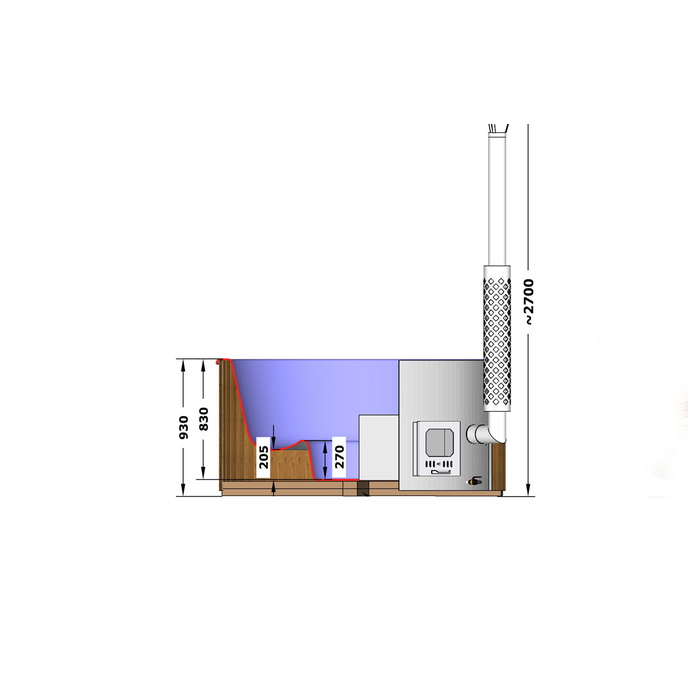
Confirm the site before settling on a model. The tub, water, occupants, and associated equipment need a suitable location, so have a qualified professional assess the supporting surface and installation plan; do not estimate structural suitability from a photo. Measure the complete route from delivery access to the intended spot, including gates, turns, steps, and obstacles that could affect placement. Include future servicing in the assessment: equipment that fits during installation may still be difficult to reach later. When reviewing the Cove 2 product page, request current product drawings and installation information before finalizing the site. Account for the space and access specified in those documents, not just the tub’s outline.
Include practical connections and surroundings in the same review. Ask the installer what utilities and service access the exact configuration needs, and clarify how water management, drainage, and routine maintenance fit the property. Consider privacy and the effect of the location on nearby people, as well as the route a caretaker or service provider would use when you are away. If the home is in a community with shared property or an association, read its current requirements and ask the relevant local office or a qualified professional about applicable approvals. Conditions vary by place and project, so verify them rather than relying on a neighbor’s installation. A location that remains accessible to the people who will install and service the equipment is especially useful when you are not on site often.
Build a budget around actual ownership
An occasional-use tub still has costs during the weeks you are not there. Separate the purchase price from site preparation, delivery, installation, utilities, water-care products, routine service, and repairs. The amounts depend on the exact configuration, the property, local labor and utility rates, and your care plan; the available product information does not provide a price basis for comparison. Request current written quotes for the actual address, and use local electricity rates and manufacturer operating estimates if you build a budget. Ask vendors to state assumptions and exclusions so that a preliminary allowance is not mistaken for a firm total. A national average or online estimate may not reflect the costs of your particular second home.
Distance can affect both the effort and the bill: routine service may be harder to arrange when the home is remote or used seasonally. Ask which visits are recommended under manufacturer guidance and which services are available at the address; do not assume infrequent use means infrequent care. As you review the Haven 6 product page, keep one-time costs separate from annual expenses and distinguish written quotes from assumptions. Include repair costs only when you have a reasonable basis from professional advice, rather than inventing a generic allowance. Cost per visit can help you assess how much use you expect to get from the purchase, but it should not replace a realistic annual budget.
Verify features for occasional use
The available catalog information identifies Cove 2, Haven 6, Fjord 8, and Aurora 10; it does not document capacity, dimensions, materials, heating performance, energy use, controls, or features for long absences. If you are reviewing the Fjord 8 listing, obtain current manufacturer documents for the exact configuration, just as you would for the other candidates. Check what is included, what site preparation is assumed, and what operating guidance applies when visits are far apart. Record the document date and configuration so that an older brochure or a different option package is not compared by mistake. This gives you a consistent basis for comparing models without relying on names or photographs.
Organize the comparison around the needs you have already identified: seating and dimensions for your usual group and site; operating guidance for the length of visits and absences; and control or scheduling functions for your arrival expectations. For each feature, note what it does, what it requires, and which question it helps answer. Ask what assumptions underlie any energy or heating estimates, and whether a function depends on separate equipment, a reliable connection, or human oversight. Keep unresolved questions visible rather than ranking a model on an assumed benefit. A feature is useful for this purchase only if it supports your actual visit pattern and care arrangements.
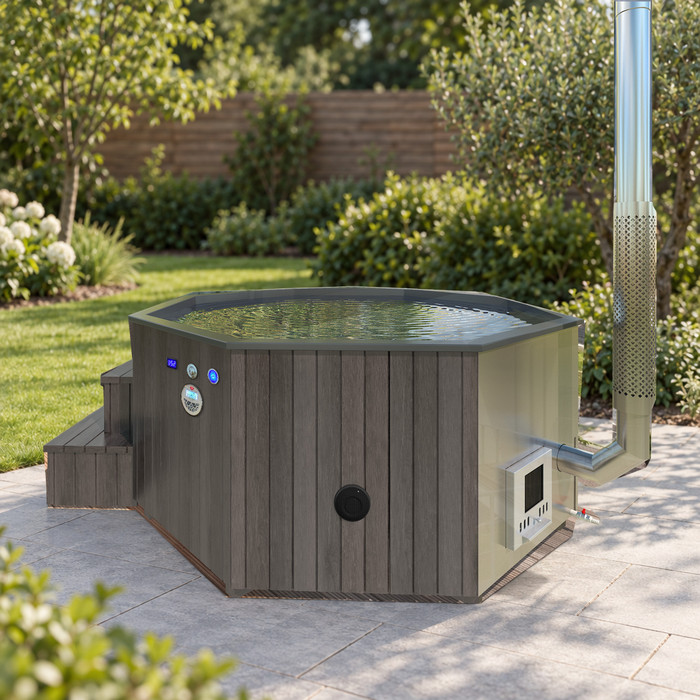
Confirm installation and water-care requirements
Before ordering, confirm applicable installation requirements for the exact property with relevant local authorities and qualified professionals. Electrical work, building or fire-safety conditions, site preparation, and permits may depend on the location and project; this guide does not establish which rules apply. Ask a qualified electrician and an experienced installer to review the plan, and check current state, county, and city information where relevant. If you are considering the Aurora 10 product page, have the installer review information for that exact configuration rather than a general hot tub description. Clarify who will confirm requirements before work begins, rather than waiting until equipment arrives.
Water-care guidance should be specific to the selected tub and your planned use. Ask the manufacturer or a qualified local water-care professional what attention is required, how to recognize when action is needed, and whether the advice changes with your seasonal pattern. Use the product’s current manual rather than copying a routine from another model or water source. Then make sure the person responsible for care has access to that guidance and knows whom to contact with questions. Clarify how service visits and parts are handled while the house is empty. The purpose is to establish a workable division of responsibility before purchase, not to devise a generic routine for leaving a tub unattended.
Recognize when a hot tub may not fit your visit pattern
A tub may be a poor fit if visits are too infrequent to justify the upkeep, nobody can provide care between them, or a usual stay is shorter than the time you are willing to allow for preparation. Those are not reasons to choose a particular model; they are reasons to reconsider what ownership would ask of you. Attractive features cannot solve a missing care plan or an unsuitable site. Be candid about who would handle routine tasks, how much coordination you accept, and whether the arrangement still works when plans change. Include a realistic version of your least convenient visit, not only the longest, most relaxing weekend.
If the answers are uncertain, postponing the purchase is a legitimate decision. You can first ask a local service provider whether it covers the address, have a professional assess the site, or gather manufacturer guidance for your actual visit calendar; then see whether a manageable option emerges. If the plan depends on an unverified assumption—such as the tub being ready instantly, needing no attention, or tolerating any winter absence—do not treat that assumption as a feature. Decide what would need to change: a dependable local caretaker, a longer stay, or a confirmed operating plan. A second home should make your visits more enjoyable, not turn each one into a repair or maintenance appointment.
Frequently asked questions
Can I leave a hot tub unattended between visits?
Do not assume that an operating tub can be left without oversight, or that a particular shutdown method is appropriate. Follow the selected model’s current manual and ask the manufacturer what care is required for the length of absence you expect. Arrange for a person or service to handle any necessary attention; if that cannot be done reliably, reconsider whether ownership fits.
How often should someone check a hot tub at a vacation home?
The schedule depends on the manufacturer’s care instructions, the intended operating pattern, water conditions, and how long the property is empty. Ask the manufacturer or a qualified local service provider for guidance that matches your plans, including what to do if a check finds a problem. Confirm who will handle those checks before committing to a model.
Will the hot tub be ready when we arrive?
Not necessarily. Readiness depends on the exact model, its starting conditions, settings, and any documented scheduling functions. Ask for model-specific guidance and clarify whether an on-site check is needed. If you expect to use the tub soon after arriving for a short stay, compare that expectation with the written preparation guidance rather than relying on a generic heating estimate.
How many people should I plan for?
Begin with the number of people likely to use the tub at the same time on an ordinary visit, not the number of people who might sleep at the house over a year. Check the manufacturer’s stated capacity, dimensions, and layout for the exact model. A number in a product name does not confirm seating capacity.
Should I turn the hot tub off in winter?
There is no universal answer for every model and property. The right approach depends on the manufacturer’s instructions, local conditions, and how long the home will be empty. Ask the manufacturer or a qualified local service professional how the chosen model should be managed during your expected absences; do not assume that leaving it running or turning it off is always appropriate.
Choosing a hot tub for a vacation home is ultimately a decision about the time between visits as well as the hours spent using it. Let your calendar, care arrangements, arrival expectations, usual group, and property set the criteria; then compare details confirmed for the exact model and site. If those pieces do not come together yet, waiting is a sound choice.
