
Choosing a Front Door: Wood, Aluminum and Other Materials Compared
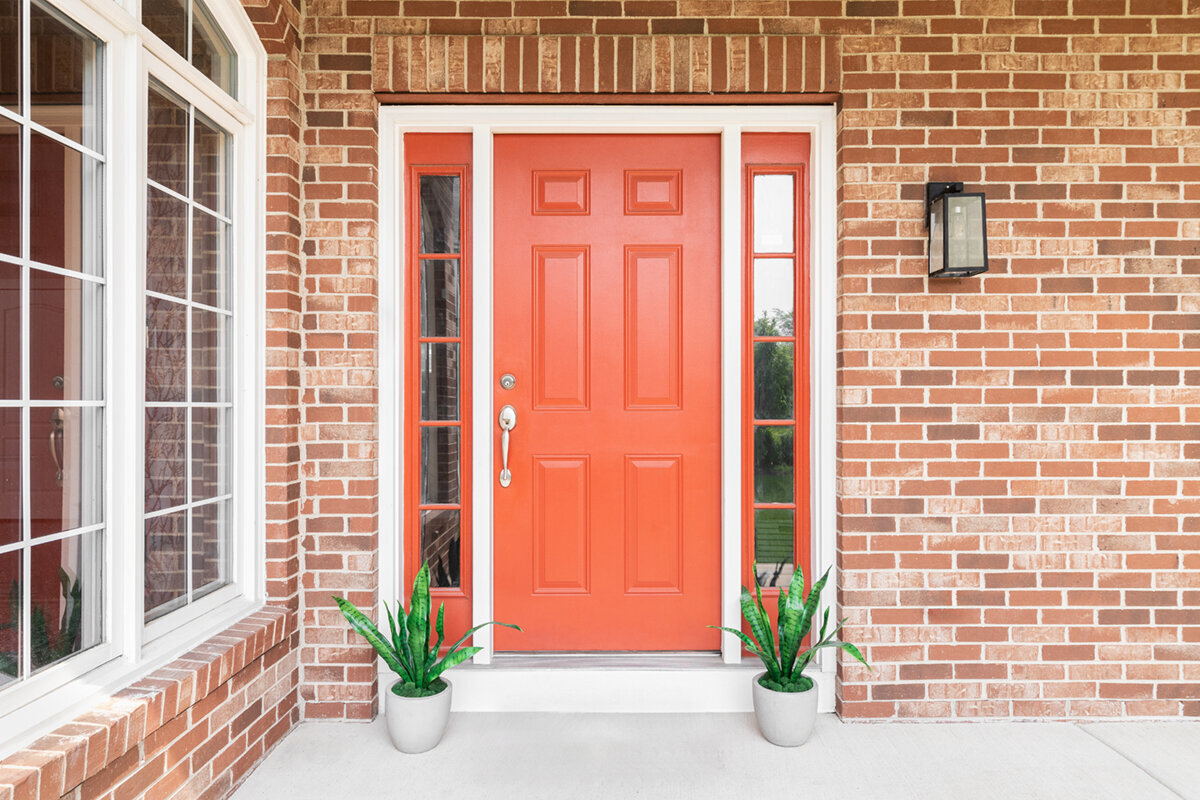
US front door buying guide
A front-door purchase can go wrong before anyone discusses wood, aluminum, fiberglass, or steel. Imagine choosing a beautiful door and then learning that its swing conflicts with the porch, the quote excludes the frame, or the finish is poorly matched to an uncovered west-facing entry. Avoid that sequence by defining the opening first. Decide whether you are replacing only the door slab, installing a complete door-and-frame assembly, adding sidelights, or rebuilding the surrounding wall and trim. Note the current swing, landing space, exposure, and desired amount of glass. Once those conditions are clear, material comparisons become practical rather than abstract. The best choice is not the material with the broadest reputation; it is the complete entry that fits the opening, architecture, maintenance plan, and purchasing priorities of your household.
Define the opening before comparing materials
Begin indoors and trace the full path of the operating door. An inswing leaf must clear furniture, rugs, light switches, closets, and nearby stairs. An outswing leaf needs usable exterior space and should not surprise someone waiting at the threshold. Record the handing as viewed from the side specified by the supplier rather than assuming everyone uses the same convention. Photograph the opening from both directions, note the location of the porch roof and steps, and identify anything that may restrict installation access. Approximate measurements are useful for an initial conversation, but the party responsible for the order should confirm final dimensions and site conditions before manufacturing begins.
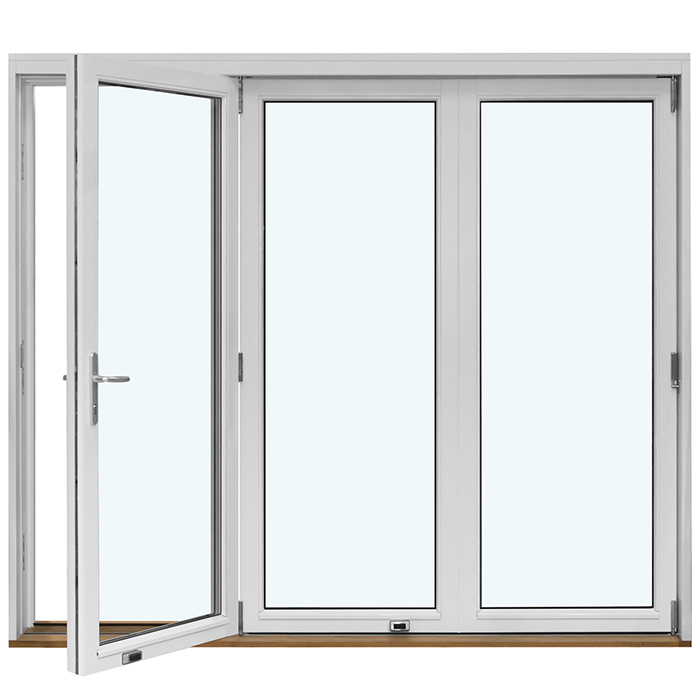
Next, separate a slab replacement from a complete entry project. A slab-only proposal may retain the existing frame, threshold, hinges, and much of the trim. A broader replacement can include a new frame, sill, weather seals, hardware preparation, casing, exterior trim, and repairs around the opening. outswing exterior doors illustrate one operating category, but that title does not establish material, size, glazing, hardware, or suitability for a particular entrance. Ask the seller to identify every included component in writing. Material comparisons are meaningful only when the competing quotes cover equivalent boundaries and when any work by a carpenter, painter, electrician, or other trade is clearly assigned.
Study the entry’s real exposure
A sheltered porch and an uncovered facade place different demands on the same finish. Observe the entry after rain and during the hours of strongest sun. Look for roof runoff, wind-driven moisture, sprinkler spray, snow piled near the threshold, wet planters, road salt, and soil splashed against the lower door. Note whether a dark surface would receive prolonged afternoon sun and whether a storm or screen door changes ventilation or heat around the entry. These observations do not automatically rule out a material. They help a supplier recommend an appropriate construction and finish while helping you decide how much cleaning, inspection, and renewal you will realistically perform.
Ask for care instructions before choosing a color. Find out how the exterior face, edges, glazing interfaces, hardware area, and threshold should be cleaned and inspected. Avoid treating “low maintenance” as “no maintenance”; even a durable factory finish needs suitable cleaning and attention to damage. If panels are central to the design, outswing panel entry doors can help frame a configuration discussion, but confirm available materials and finishes separately. Compare samples outdoors beside the siding, brick, stone, trim, and porch ceiling. View them in sun and shade because a color or wood tone that looks balanced under showroom lighting may appear much stronger on a full-size exterior door.
Choose wood for depth and adaptable character
Wood earns its place on a shortlist through grain, visual depth, joinery, and its ability to support traditional or handcrafted detailing. It can complement historic trim, a Craftsman-inspired porch, or a new home where the entrance is intended to be a warm focal point. Painted wood creates a different effect from a clear or stained finish, so do not evaluate them as one look. Ask what species, construction, panel profile, and finish system are being proposed. A small sample should be considered a color and grain reference, not a promise that every portion of the finished door will look identical. Natural variation is part of the choice.
The tradeoff is an ownership plan. Ask which signs indicate that the finish needs attention, what cleaning products to avoid, and whether localized touch-up or broader refinishing would be appropriate after wear. Pay particular attention to the bottom edge, panel joints, lock area, and locations around glass. A wood door can be a sensible purchase when its appearance matters enough to justify periodic inspection and finish care. It is less convincing when the buyer expects every surface to remain unchanged without attention. For an older-looking composition, historic-style single-panel outswing patio doors offer a related exterior-door design reference, but they are an alternative patio configuration rather than evidence about a front door’s material or performance.
Evaluate aluminum as a complete design system
Aluminum often enters the conversation when the desired entrance has clean lines, a defined color, or a more architectural relationship between frame, panel, and glass. Its value cannot be judged from a metal sample alone. Review the width and depth of visible profiles, panel layout, glass proportions, frame shape, threshold transition, and hardware together. Ask whether the interior and exterior faces can follow different color directions and how each selected finish will be identified on the order. A full-size profile corner or installed example is more informative than a small color chip because proportion strongly influences whether the entrance feels refined, heavy, open, or overly commercial.
Color consistency deserves careful review when the door sits near aluminum-clad windows, metal railings, lighting, or garage doors. Similar color names do not guarantee an identical appearance across products, gloss levels, textures, or viewing angles. Place physical samples together whenever coordination matters. Ask how surface marks should be handled and whether field touch-up is intended to blend or simply protect the affected area. A single-panel outswing patio door is another single-leaf exterior format that may help clarify operation elsewhere in a project, but it should not be treated as an automatic substitute for the front entrance. Keep front-door requirements—arrival, privacy, hardware, threshold, and facade presence—in their own written brief.
Compare fiberglass and steel without shortcuts
Fiberglass and steel can be strong alternatives when natural wood care or aluminum styling does not fit the project. Fiberglass is available in appearances that may be smooth or intended to evoke painted or stained wood, while steel is commonly considered for a straightforward painted expression. Category names do not reveal the exact face construction, edge treatment, panel definition, or finish. Request the specific model description and a representative sample. Examine it from the normal approach distance and at arm’s length. A texture that reads convincingly from the driveway may feel different close to the handle, which matters at a front entrance.
Use likely household events to test the choice. Think about keys near the lock, pets at the door, bicycles on the porch, moving furniture, packages, and shoes striking the lower panel. Ask how scratches, dents, chips, and color changes are addressed on the exact product rather than assuming every fiberglass or steel door responds alike. Confirm that the material is available with the glass, panel layout, hardware preparation, and frame you want. If the composition includes adjacent glass, a single-panel sidelight may be considered subject to system compatibility, dimensions, glazing, and installation details. An inexpensive slab that forces unwanted compromises elsewhere may not produce the best complete-entry value.
Plan glass from both sides of the door
Door glass affects daylight, privacy, cleaning, furniture placement, and the nighttime view into the house. Start inside the foyer. Identify where people pause, whether the sightline reaches a living room or staircase, and where direct sun might create glare. Then walk to the sidewalk, driveway, and porch to see what a visitor can observe. Repeat that assessment after dark with interior lights on. A narrow vertical lite, high glass panel, patterned treatment, transom, or sidelight will distribute light and views differently. More glass is not automatically better; the goal is the right balance for the way the entrance is approached and used.
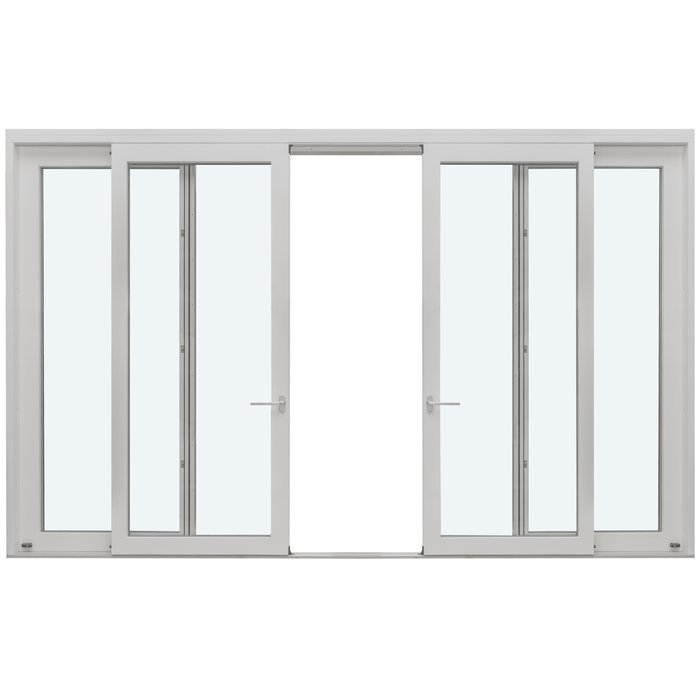
Ask to see the proposed glass treatment from both sides and against the selected door color. Clarify whether bars are decorative elements or glass-dividing bars that separate panes. If no bar pattern is wanted, specify glass without decorative bars rather than relying on a vague request for a “clean” design. Wider double-door compositions can change the balance of glass and solid panels; historic-style two-panel outswing patio doors provide an alternative exterior opening reference, not a default front-entry solution. Where privacy, security, impact resistance, or another performance concern is important, state the concern and request documentation for the exact proposed assembly from the supplier and appropriate project professional.
Match the door to the house without copying it
A successful door relates to the facade’s strongest lines without repeating every decorative detail. Look at window proportions, trim depth, porch columns, masonry joints, roof geometry, and the spacing of exterior lights. Decide whether the entrance should blend quietly or act as the primary accent. Traditional houses do not always require elaborate panels, and contemporary houses do not always need a blank slab. Make simple elevation mockups with different panel counts, glass areas, and colors. Viewing the whole facade helps reveal when a door appears too narrow, too busy, visually top-heavy, or disconnected from the windows around it.
Hardware completes that composition. Confirm the exterior handle shape, interior lever, lock preparation, finish, and location rather than selecting each item independently. A long pull can reinforce vertical geometry, while compact hardware may better preserve traditional panel proportions. Check comfortable operation with the chosen swing and consider how household members carry groceries, guide children, or use the entry while holding packages. A single-panel inswing patio door can be compared as an alternative operating format for another exterior opening, but front-door hardware and access needs should be specified independently. Hold actual hardware and color samples together when possible; online images can obscure differences in scale, sheen, and undertone.
Compare complete prices, not headline prices
Build a side-by-side worksheet for each proposal. Include the door material, construction description, finish, swing, handing, frame, threshold, glass, panels, decorative or glass-dividing bars, sidelights, transom, hinges, lock preparation, supplied hardware, interior trim, exterior trim, removal, disposal, finishing, and installation. Add columns for work specifically excluded and the person responsible for final measurement. This prevents a door-only price from appearing directly comparable to a complete installed entry. If the opening may contain concealed deterioration or unusual framing, ask how discovered conditions will be documented, priced, and approved before additional work proceeds.
Review the wider project so products are assigned to the correct openings. two-panel inswing patio doors may belong in a patio-access discussion, while the front entrance follows a separate brief. Do not infer shared materials, glass, hardware, or performance from their presence in one order. Bloomcabin states a 5-year warranty for windows and doors. Delivery is stated as 4–6 weeks, subject to order confirmation. Request the applicable warranty terms and confirmed order information for the selected configuration, and do not schedule removal merely from an initial estimate. The quote should also explain deposit stages, approval points, site responsibilities, and which party handles any trim or finish work after installation.
Replace material myths with ownership questions
No material wins every comparison because households value different outcomes. For wood, ask whether the desired natural appearance justifies finish monitoring. For aluminum, test whether profile proportions and coating color deliver the architectural result you expect. For fiberglass, examine whether the precise texture and panel definition look convincing at close range. For steel, discuss the surface appearance and the response to dents, scratches, and repainting. Across all four, examine the complete assembly: frame, threshold, seals, glazing, hinges, hardware, finishing, and installation boundary. A well-chosen face material cannot compensate for an unclear order or an entry configuration that conflicts with daily movement.
Create three rankings instead of one. First rank appearance: which option best fits the facade and interior foyer? Then rank ownership: which cleaning, inspection, and repair routine will actually be followed? Finally rank project fit: which proposal supplies the needed frame, glass, hardware, trim, and installation scope with the fewest unresolved assumptions? If one option leads all three lists, the decision is straightforward. If different materials lead each list, identify the compromise explicitly. This approach is more useful than claims such as “wood always warps,” “metal never needs care,” or “fiberglass always looks artificial.” Broad material stereotypes overlook exposure, construction, finish, installation, and the buyer’s own expectations.
Approve the exact door, not the general idea
Before ordering, prepare a one-page decision brief with facade and interior photos, approximate opening information, intended swing, frame scope, exposure notes, privacy goal, preferred material, interior and exterior color, panel design, glass layout, bar choice, hardware, and expected installation work. Separate must-have items from optional ones. Retaining interior casing may be essential, for example, while changing the exterior trim may be negotiable. Ask the supplier to identify conflicts and alternatives in writing. For structural changes, project compliance, or location-specific requirements, consult the appropriate qualified professional and the authority having jurisdiction because requirements vary by place and project conditions.
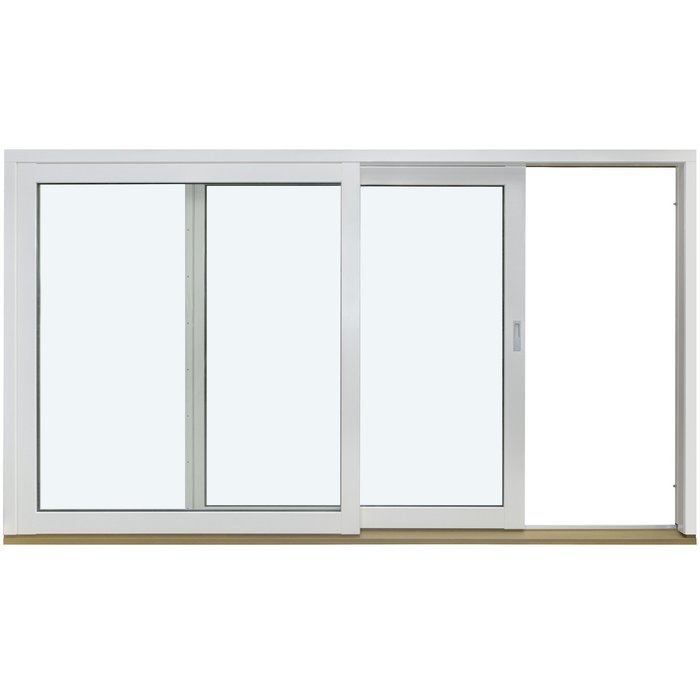
During final approval, have the configuration read back in plain language. Verify handing, operating direction, material, finish on both faces, frame, threshold, glass, panels, bar type, hinge and lock preparation, hardware, trim, and exclusions. Confirm which drawing or specification controls if a rendering conflicts with written details. Keep patio and front-entry decisions separate; Patio Life sliding patio doors are sliding patio designs and do not establish front-door material characteristics. Save the approved documents, care instructions, warranty information, and order confirmation together. That record gives the installer and household a shared reference and reduces the chance that an attractive door arrives with the wrong operation, finish, or surrounding scope.
Common questions
Is wood or aluminum better for a front door?
Neither is universally better. Wood suits buyers who value natural variation, traditional detail, and a finish they are willing to maintain. Aluminum may suit a crisp, color-led architectural design. Compare the precise construction, exposure, glass, frame, hardware, care instructions, and installation scope rather than choosing from the material name alone.
Are fiberglass and steel front doors worth considering?
Yes. They can be practical alternatives when their exact appearance and maintenance approach fit the project. Examine real samples and ask how the specific model handles scratches, dents, finish damage, repainting, and edge wear. Confirm that the desired glass, panels, frame, and hardware preparation are available in the same proposed configuration.
Should the frame be replaced with the door?
That depends on its condition, alignment, threshold, signs of moisture exposure, desired swing, and the intended remodeling scope. A sound compatible frame may sometimes remain; a deteriorated or unsuitable opening may require broader work. Have the complete opening assessed before ordering, and make the retained and replaced components explicit in the quote.
How can I choose front-door glass without losing privacy?
Check views from the sidewalk, driveway, porch, and foyer during the day and after dark with interior lights on. Compare high glass, narrow lites, patterned treatments, transoms, sidelights, and solid panels. State which interior areas should remain screened, then review an actual glass sample from both sides whenever possible.
What details should a front-door quote include?
It should identify material, finish, swing, handing, frame, threshold, glass, panel and bar layout, hinges, lock preparation, hardware, sidelights or transom, measurements, removal, installation, trim, finishing, exclusions, approvals, and responsibilities for unexpected site conditions. Compare proposals line by line; a lower total may simply cover less work.
Plan your next step
Choosing a front-door material is easier when the opening and project scope are settled first. Wood offers distinctive grain and detail with an ongoing care commitment. Aluminum supports a precise, color-focused design. Fiberglass and steel provide useful alternatives whose appearance and repair characteristics must be checked model by model. Evaluate each as part of a complete assembly that includes the frame, threshold, glass, hardware, finish, and installation work. Study the entry’s exposure, compare equivalent written proposals, and approve every configuration detail before ordering. The result should suit both the architecture seen from the street and the routines of the people who use the door every day.
