
Common Hot Tub Buying Mistakes and How to Avoid Them
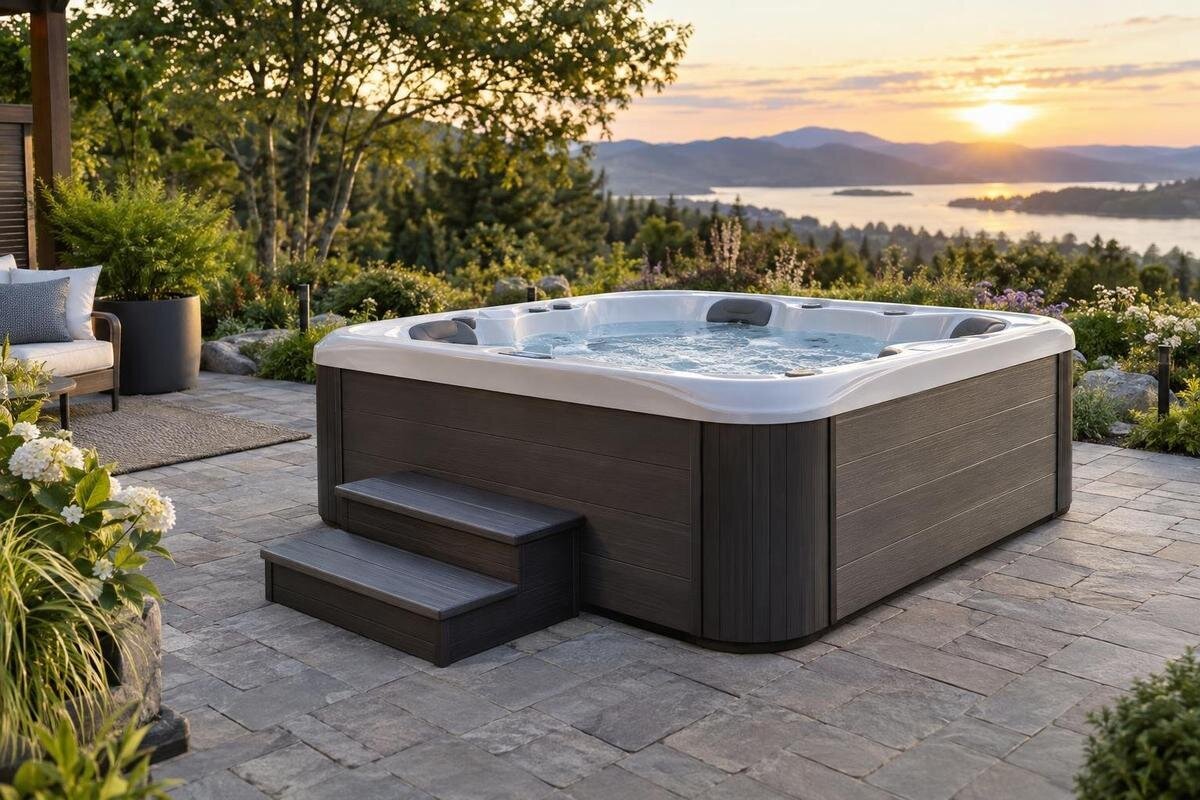
HOT TUB BUYING GUIDE
Hot tub shopping can go off course when a product’s presentation substitutes for answers about routine, exact contents, site fit, and the work of ownership. The most expensive mistakes often begin as assumptions: that a seat count guarantees comfort, similar-looking models share specifications, or a seller’s general description covers what will arrive. A useful shortlist separates verified facts from guesses and makes unresolved deal-breakers visible before you commit. This guide focuses on those purchase pitfalls, not on choosing a precise size or planning an installation.
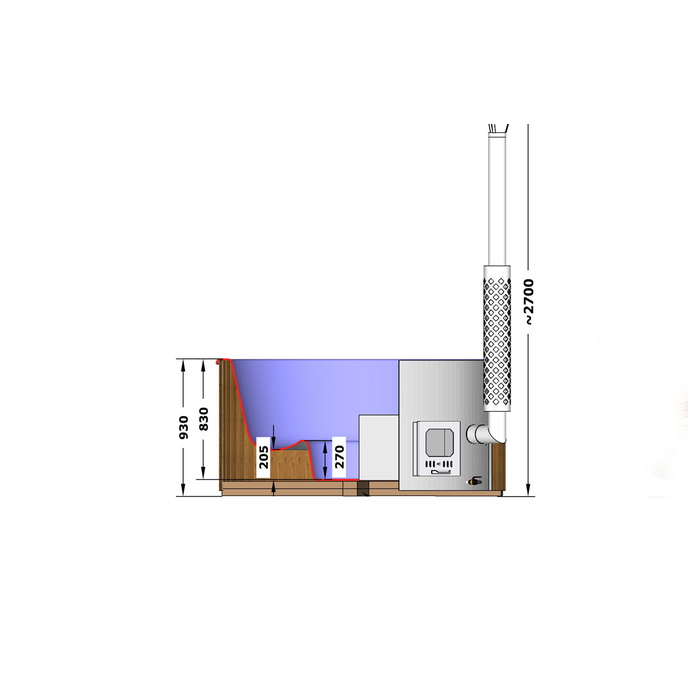
Buying Checklist 1
Shopping Without a Clear Plan for Everyday Use
Browsing before defining a routine makes almost any model look convincing. A quiet soak for one or two people, frequent use by several household members, and occasional visits from friends are different patterns; they place different weight on seating, access, privacy, care effort, and frequency of use. If those priorities are vague, shoppers can overvalue a promotional detail or choose for an imagined gathering rather than a normal week. The result can be a purchase that looks appealing but feels inconvenient, is used less than expected, or fails to suit the people who use it most. The issue is not a model’s general appeal; it is the fit with your ordinary routine and realistic expectations.
Before opening product pages, write down who will usually use the tub at once, how regularly, what comfort or access needs matter, and which trade-offs are unacceptable. Keep occasional guests separate from everyday requirements; they should not automatically determine the whole choice. When considering Bloomcabin Hot Tub Cove 2, use that plan to identify which published details matter to your household instead of giving every listed feature equal weight. Give each must-have a written answer, each preference a priority, and each unknown a question for the seller. If an unknown concerns a must-have, the model is not ready for a final comparison. A brief use plan also makes it easier to judge whether a promising feature matters in an ordinary week.
Treating Advertised Seating as Proof of Comfort
An advertised seat count is not a comfort test. It does not show how positions feel to the people in your household, whether they leave room to sit comfortably together, or whether getting in and out works for the intended users. Even a clearly stated capacity is only one piece of information: a number does not describe posture, legroom, variation between positions, or a user’s preference for open space. Treating it as proof creates false confidence: a tub may appear to meet an assumed head count on paper while the actual positions feel awkward or crowded. A digit in a model name is even less useful; it does not verify capacity. A staged photo will not answer those questions either.
Ask for a seating diagram and the capacity statement for the exact configuration, then seek interior measurements or a chance to see the product if comfort depends on fit. Look at how the positions are arranged, not just how many are marked, and have regular users assess access and posture where possible. For instance, judge Bloomcabin Hot Tub Haven 6 from its own documented layout; the numeral in its name does not confirm capacity or comfort. If an in-person view is not practical, ask what dimensions and layout materials are available. If reliable details are missing, record the fit as unknown rather than treating an advertised number as a promise that the experience will suit everyone.
Buying Checklist 2
Letting Optional Extras Drive the Decision
Optional extras can be easy to imagine using because they are visible in a demonstration: lighting, audio, connectivity, or upgraded controls may all sound appealing. If those options lead the decision, essentials can get less attention: whether the documented layout suits intended users, whether care instructions are clear, whether site requirements can be met, and what the quoted package includes. An add-on does not correct an unresolved limitation in the underlying model. It may also bring extra care or setup questions, so confirm any implications rather than assuming it will be effortless. The practical consequence is a shortlist driven by novelty, with little evidence that the product works for ordinary use or that you understand its ongoing demands.
Use a two-tier list before comparing packages. The first tier contains must-haves: a documented configuration that works for the intended users, clear product requirements, a feasible location, realistic upkeep, and terms you understand. The second holds preferences that would improve day-to-day use but can be dropped. When reviewing Bloomcabin Hot Tub Fjord 8, separate the features you would use regularly from those that simply catch your attention. Verify each priority against the information for the exact configuration before weighing options. Compare add-ons only after the must-haves pass, and leave an item unchecked until the seller confirms whether it is standard, optional, or unavailable. That sequence makes the trade-off explicit instead of letting an appealing extra determine the choice.
Assuming Similar-Looking Models Have Similar Specifications
Two hot tubs can look alike in a staged image or share a design language without having the same dimensions, capacity, equipment, energy requirements, care instructions, included accessories, or service needs. A photograph is weak evidence: perspective, surrounding furniture, and styling can hide scale or configuration, while a product-family name may suggest more similarity than the documents support. The consequence is a comparison built on guesswork. You may believe you are choosing between near-matches when important specifications are different, or when neither listing provides enough information to tell. Do not copy a value across just because the shell or page layout appears familiar.
Compare current official documents for the exact model and version, not a neighboring product or a page with a similar thumbnail. Put each relevant specification in its own row, note the document that supports it, and write “not stated” where a value is missing. Ask the seller to resolve any discrepancy in writing before you rank the options. When adding Bloomcabin Hot Tub Aurora 10 to the comparison, complete its entries independently rather than carrying over values from another listing. If a critical detail cannot be confirmed for the item actually offered, do not treat the models as equivalent. Leaving that entry visibly unresolved is more useful than filling the gap with an assumption.
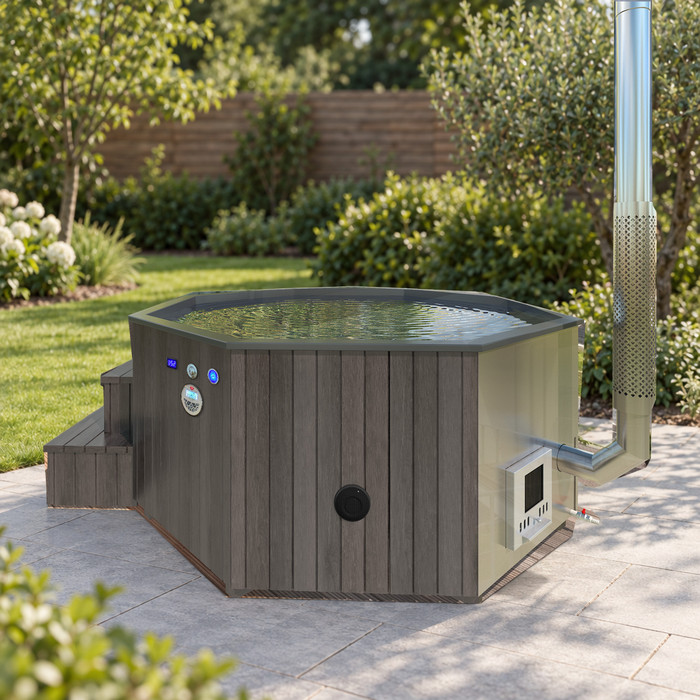
Buying Checklist 3
Assuming the Model Name Defines What Is Included
A model name identifies what you are considering; it does not, by itself, spell out the purchase package. Confusion can arise when a product description, photograph, options, delivery, or setup items are discussed together. A buyer may compare two headline offers as if they cover the same contents, then discover that an expected item or service was not included. The reverse can happen too: an add-on in a quote makes one package look more valuable even though it does not serve the buyer’s priorities. Vague claims such as “comes with everything” do not tell you what everything means, and photographs do not establish what will be supplied. A package mismatch can distort a comparison before you even consider whether the model fits.
Ask for an itemized statement tied to the exact model and configuration: what is included, what costs extra, what delivery or setup work is excluded, and what you must arrange separately. Read the final purchase documents against that list and resolve vague terms before paying. As you review the Cove 2 model page, note which items are explicitly included and which still need clarification; do not count an item as included merely because it appears in a photograph. Record any option you do not want as excluded, so it cannot quietly influence the comparison. This keeps packages comparable and gives you a clear basis for checking the seller’s written offer.
Leaving Site Checks Until After the Purchase
Choosing a model before checking where it will go reverses the order of a consequential decision. A location that looks spacious from across the yard may not fit the exact product, allow a workable delivery route, or leave access for setup and later care. A narrow gate, steps, turns, overhead obstacles, or a question about the surface can change feasibility. Discovering these issues after committing may require a revised plan, extra work, delay, or a change of model. A rough glance from the patio is not a site check, and measurements estimated from a photograph are not a reliable substitute.
Before purchase, compare the verified exterior dimensions and handling information for the exact model with both the intended spot and the entire access route. Ask the seller what delivery and setup require, and have an appropriate qualified professional assess site conditions or utility requirements that need technical judgment. Where local approvals may be relevant, ask the local authority or a qualified installer what applies rather than assuming a rule from a neighbor’s project. This is an early feasibility check, not a do-it-yourself installation plan. Put any unresolved access or technical issue on hold until the responsible person answers it. The Haven 6 listing belongs in the shortlist only after its own requirements can be evaluated against the actual site.
Buying Checklist 4
Overlooking the Work and Cost of Ownership
The quoted purchase amount can dominate a comparison because it is immediate and easy to see; ownership time and recurring costs are less visible. Depending on the exact model, use, site, and local rates, the budget may also need to account for energy, water-care supplies, routine cleaning, filters or replacement parts, service, and any separate work. Avoid treating a broad online estimate as if it applies to every model and household. A low initial figure can mislead if it excludes relevant items; a feature-rich package may add costs without serving your routine. Ownership is both a financial and a time commitment, and the likely costs are best assessed from model-specific information and your own plans.
Make a simple ownership inventory before ranking options: one-time items stated in the written quote, recurring items identified in the care documents, and tasks that require your time or outside service. Ask what assumptions support any operating estimate and what maintenance the owner is expected to perform; note where a figure or answer is missing. Use the Fjord 8 product listing to identify questions to follow up on, then review the care information for the exact configuration under consideration. Keep estimates and confirmed amounts separate so an uncertain figure does not look settled in your comparison. If the routine is not realistic for whoever will care for the tub, a persuasive purchase price does not make it a fit.
Assuming Warranty Coverage and Support Will Meet Your Needs
Buyers sometimes rely on a salesperson’s reassurance, a general promise of support, or a phrase such as “covered” without reading the actual terms. The problem appears when help is needed and responsibilities are unclear: who handles a question, whether a service visit or part is included, which conditions apply, and what the buyer must arrange. A listing or spoken assurance is not a substitute for the written warranty and service information that applies to the specific purchase. Do not assume one model carries another model’s terms, even when two products appear similar. That assumption can make an important risk invisible during the sale.
Before committing, request current written warranty and support details and identify who provides each kind of help. Check the coverage period, exclusions, claim process, service availability, costs, and any maintenance or setup conditions stated in the documents; these are questions to verify, not promises about a particular item. If you are considering the model on the Aurora 10 model page, make sure the terms you receive apply to that specific purchase. Keep the final terms with your order paperwork and ask for plain-language clarification of anything you cannot interpret. If you cannot get clear terms, record that uncertainty as a buying risk rather than treating reassurance as evidence.
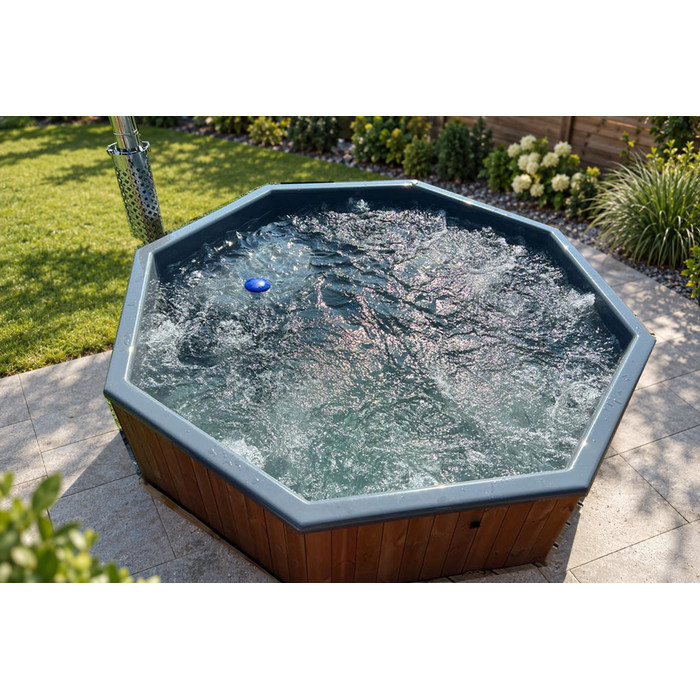
Buying Checklist 5
Forgetting the People Who Will Use the Hot Tub
A purchase can seem right to the person comparing products but feel wrong to household members who will use it. People may differ in comfort preferences, access needs, and willingness to handle routine care; none of those differences is captured by a broad capacity claim or a styled image. If only one person assesses the options, a layout or entry arrangement that seems acceptable in theory may not suit the regular users. This is not about buying for every hypothetical guest. It is about considering the people whose ordinary experience will decide whether the tub becomes part of the household routine.
Invite regular users to review the same facts and, where possible, assess the product in person. Ask each person to name one non-negotiable and one flexible preference, then discuss conflicts before ordering. If access or a planned modification matters, confirm it against the exact model with the seller and an appropriately qualified professional; do not assume an accessory, adaptation, or future workaround will be available. Agree, too, who will manage regular care and what support they may need to do it. A shared decision is less likely to fail because someone’s needs or the workload were discovered only after purchase.
Committing While Deal-Breaker Questions Remain
Not every unanswered detail needs to stop a purchase, but buyers sometimes treat a critical unknown as if a verbal guess were a confirmed fact. A missing dimension, ambiguous package item, unclear site requirement, or unexamined care obligation can overturn the whole choice. The risk is not just inconvenience: once you have paid money or scheduled work, it may feel harder to walk away from a model that no longer meets the original priorities. A few unanswered must-haves matter more than a long list of minor preferences. Decide which questions are deal-breakers before the sales conversation, not after it.
Before committing, make a one-page status list: confirmed in writing, still to verify, or not acceptable. Put exact identity and specifications, package contents, site feasibility, care expectations, and written support terms on it, then mark which items are true deal-breakers. Proceed only when each deal-breaker has an answer you can verify in the documents that apply; if it cannot be answered, pause, request clarification, or remove the model. Keep preferences separate, so one missing convenience option does not obscure a serious gap. The aim is not perfect certainty about every minor detail. It is to ensure the purchase does not depend on an assumption you already know could be wrong.
Frequently Asked Questions
What should I decide before comparing hot tubs?
Write down who will usually use the tub at once, how often you expect to use it, and which comfort, access, care, and site requirements are essential. This gives you a practical filter for product information and helps separate everyday needs from occasional preferences.
Does advertised seating tell me whether a hot tub will be comfortable?
No. A seat count does not describe how the positions feel, whether the layout suits your regular users, or how easy it is for them to get in and out. Ask for details about the exact configuration and assess it with the intended users where possible.
How should I compare two models that look alike?
Compare the current documents for each exact model and configuration. Check relevant specifications and included items side by side, record the source of each fact, and mark missing information as unknown. Do not transfer a specification from a similar-looking model.
Which ongoing expenses and tasks should I consider?
Check model-specific information about energy use, water-care supplies, routine cleaning, replacement items, and service. Also consider who will do the upkeep and how much time it requires. Use written assumptions for any estimate rather than relying on a general figure.
When should I pause a hot tub purchase?
Pause if a question that could change your choice is still unanswered—for example, whether the exact package includes an expected item, whether the site is feasible, or whether the written terms meet your needs. Request clarification or remove the model from your shortlist.
The strongest shortlist is not necessarily the one with the most appealing photographs or the longest feature list. It is the set of models whose documented details match your routine, whose site requirements can be assessed, and whose care and purchase terms are understood. Keep an unanswered deal-breaker visible until it is resolved; if it cannot be resolved, choosing another model is often the more practical decision.
