
Compare Black Friday Offers for 44 mm and 70 mm Garden Houses
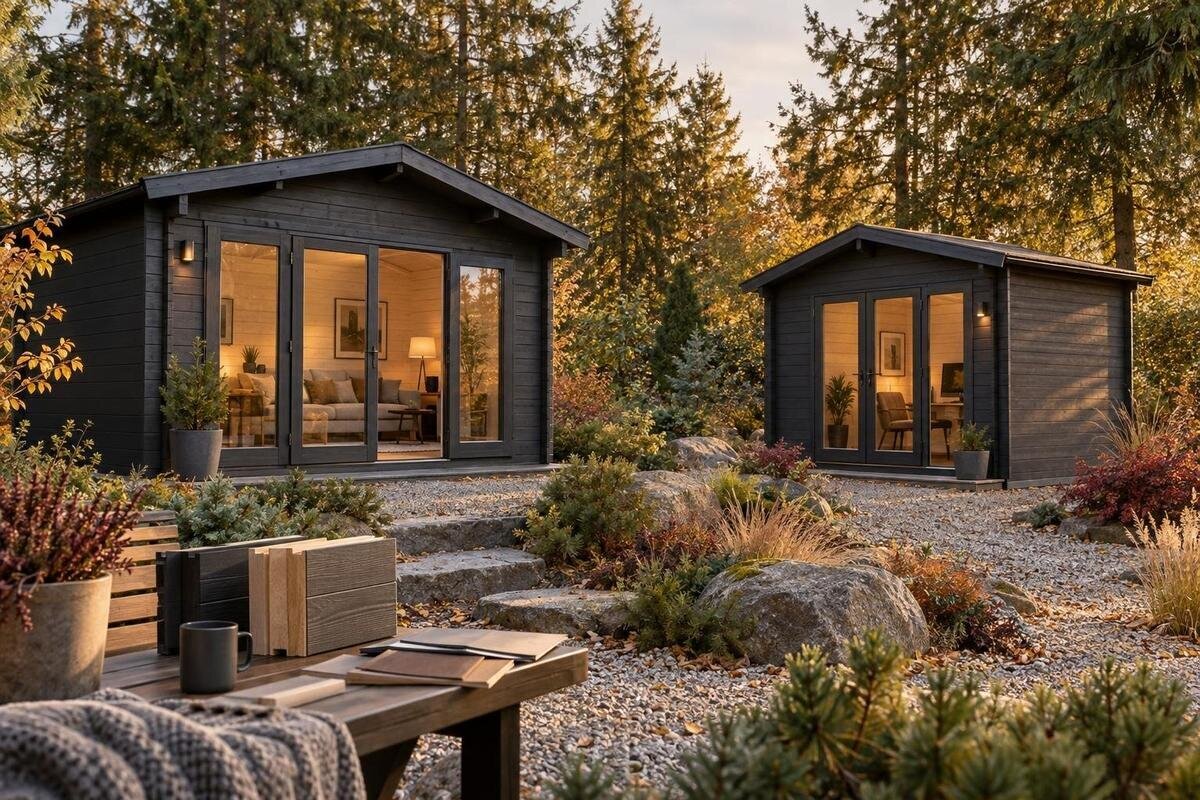
Black Friday buying guide
Comparing Black Friday offers for 44 mm and 70 mm Garden Houses is not simply a matter of choosing the larger number or the biggest advertised discount. First confirm what each wall measurement describes, then compare verified features and current terms against how you plan to use the space. Wall thickness alone does not establish insulation, structural performance, usable interior dimensions, included components, or value. Promotion conditions can differ by model and change over time, so assess the exact listing and checkout total rather than assuming a sale applies across the category. A like-for-like comparison can show whether either offer meets your needs without letting a banner substitute for evidence.
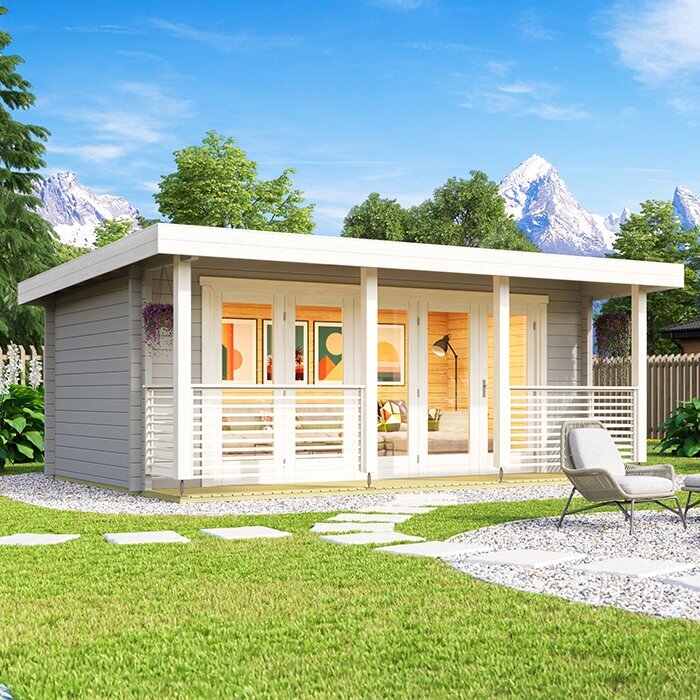
Read the Black Friday offer conditions
Separate product facts from promotion facts. The 44 mm and 70 mm labels are useful only if the listing clearly defines what is measured; a Black Friday badge does not describe construction or deal conditions. For each candidate, record the exact model and configuration, the stated wall thickness, the displayed price, and the date you viewed it. If a page shows a previous or reference price, log that separately from the current amount. Use the same price basis for both candidates—for example, compare sale prices with sale prices rather than one listing price with another cart total.
Read the terms attached to each offer. Confirm which exact model or version qualifies, whether a coupon, code, or minimum purchase applies, when the offer runs, and whether any order or delivery-area conditions are stated. Note mandatory charges shown and whether optional accessories or bundled items affect the deal. At checkout, check that the price and discount carry through to the selected item. Do not assume that a promotion applies to both thickness tiers because they share a category page. Keep the eligible price and its conditions together; if an important term is unclear, ask before counting the advertised amount as a saving.
Confirm what 44 mm and 70 mm describe
First establish what each number refers to. If 44 mm and 70 mm measure the same wall component using the same convention, 70 mm is 26 mm greater. That arithmetic does not explain how either wall is constructed or how the finished building performs. Look for the manufacturer’s explicit dimension, and note whether the documentation distinguishes nominal from actual measurements. Check that both listings use the same basis; one may describe an individual component while another describes a larger assembly. A search filter, photograph, URL, or model name is not reliable evidence of a specific wall thickness.
Keep wall thickness separate from footprint, internal width, other building components, frame size, and the rest of the material specification. If a listing uses a broad phrase such as thick wall without defining it, ask for clarification before placing the model in a 44 mm or 70 mm group. A listing such as Verdana 1 Garden House belongs in either column only when its current product information confirms the relevant measurement. Mark an unstated figure as unknown rather than inferring it. If one page uses different units, compare the figures only after confirming they describe the same feature.
Define the intended use and required space
Write down what the garden house needs to do before comparing wall options. It might be for storing garden tools, organizing seasonal supplies, keeping equipment, or creating a place for a particular gardening activity. List the items or tasks that matter, their dimensions where relevant, and any clearance needed to use them. Separate must-haves from preferences, such as room for a work surface or space to move stored items. This list describes your needs, not a particular model’s suitability; a 44 mm or 70 mm label does not tell you its floor plan or openings.
Measure the intended location and compare the available area with the selected model’s exterior dimensions and the internal measurements in its current product documents. Check length, width, usable height, and the openings relevant to your layout; do not use a styled image as a scale reference. For a candidate such as Verdana 2 Garden House, take dimensions from its own specifications rather than the product name or a similar listing. Put footprint and wall-thickness figures in separate fields. If the page does not distinguish interior from exterior measurements, ask which values apply before deciding whether the space will work.
Compare exterior dimensions with usable interior space
Exterior dimensions do not tell you exactly how much room remains inside. When two designs have the same outside footprint, greater wall depth can leave less clear interior width, but the amount depends on the construction and on how dimensions are measured. Do not estimate usable space by subtracting wall figures from a headline size unless the product documentation gives a basis for that calculation. Compare dimensioned plans and stated interior measurements where available. The difference matters if shelves, long-handled tools, a bench, or a clear work area must fit. Confirm whether a published area describes the footprint or usable space.
Compare exterior to exterior and interior to interior, and check whether the stated footprint includes any projecting parts. Consider where shelving or work surfaces would go and whether the remaining route through the space suits your layout. Check clear height for tall equipment and the opening dimensions stated for the selected design; nominal floor area alone can hide limits. For a listing such as Durano wooden Garden House, use its own drawing and measurements rather than transferring assumptions from another model. If only outside dimensions are available, treat usable interior capacity as unknown until confirmed. A thicker label cannot make an unsuitable layout more useful.
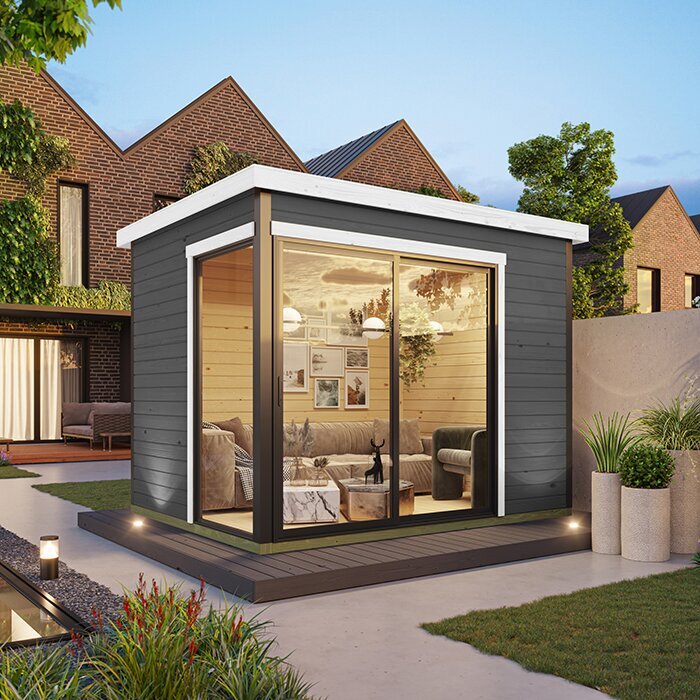
What wall thickness can and cannot tell you
A wall-thickness figure alone cannot confirm insulation, structural capacity, wind or snow resistance, weather tightness, lifespan, or suitability for continuous or overnight occupancy. Those outcomes depend on the full design, materials, connections, openings, and the uses and conditions the manufacturer specifies. Do not treat 70 mm as automatically superior in all these respects, or assume a 44 mm garden house is inadequate. Look for explicit claims tied to the exact product version, and check what information supports them. Terms such as all-season or insulated also need a clear definition; the thickness number by itself is not enough.
If you plan to heat the space, add services, or use it for something beyond garden storage or a hobby activity, ask the manufacturer whether the model is intended for that purpose and what its documentation covers. For building, electrical, or structural questions, consult a qualified local professional instead of inferring an answer from a wall measurement. Keep weather exposure and maintenance expectations tied to the supplier’s guidance for the selected construction. Apply the same questions to Veltor 1 Garden House only after confirming the exact model and version; its name does not establish a performance rating.
Compare the complete specifications
Once the wall measurement is clear, compare the rest of the product specification on the same basis. Check the stated material and finish, wall construction, listed doors and windows, overall dimensions, and maintenance guidance. Record which components or accessories are included in the selected configuration, which are optional, and which details are not stated. This is not a reason to rank every extra; it helps prevent comparing a sale price for one configuration with a different setup that contains something you need. Match exact model numbers and versions, not just a family name or thumbnail.
Use a simple record with fields for confirmed, optional, and not specified. Do not assume an item is included unless the offer says so, and do not assume an omission means it is absent until the seller clarifies. Rely on current product information for the exact configuration, not another model’s images or description. When reviewing Orello 1 Garden House, compare only information attached to the version under consideration and leave gaps visible instead of borrowing details from a similar-looking listing. That helps show whether the two choices are genuinely comparable.
Calculate the current order total
Calculate the amount you can actually order for the destination you have in mind, not only the headline product price. Use the current checkout to note shipping, tax, handling, or other mandatory charges displayed for that order. Separate required charges from optional choices so both candidates use the same basis. If one price covers a different configuration, align the contents where possible or clearly mark the difference; otherwise the totals do not answer which offer better fits your plan. Do not invent an allowance for a charge that has not been shown or assume every model has identical terms.
Compare that total with any previous or reference price shown, and calculate the actual difference rather than relying only on a percentage headline. A large percentage does not make a mismatched configuration a better buy, and a lower total may not cover a required feature. Confirm any code applies to the exact selected model before counting it. Repeat the worksheet for Modano 1 Garden House if it is a candidate, checking the live offer and total instead of assuming its name or category placement signals a discount. Record the date with the price because event terms can change.
Set priorities for choosing 44 mm or 70 mm
With reliable specifications and totals in hand, rank your priorities before choosing. Put must-have dimensions, confirmed intended-use claims, and the maximum amount you are willing to spend above preferences that would simply be nice to have. Then ask what specific, documented difference the 70 mm option offers for your use compared with the 44 mm option. If the product documents establish no relevant advantage, the larger number alone is not a reason to pay more. Conversely, do not choose 44 mm just because a candidate appears cheaper if its verified details fail a must-have.
Score both candidates against the same criteria, such as usable space, stated construction, care needs, included configuration, and delivered cost. Use evidence from the exact product pages, mark missing facts unknown, and do not award points for assumptions or general claims about thickness. For a listing such as Veltor 2 Garden House, first confirm the version and its stated wall measurement, then use the same scale as for the alternative. Decide which criteria are non-negotiable and which can be traded off. If neither offer clears the essentials, neither is a good match at that point.
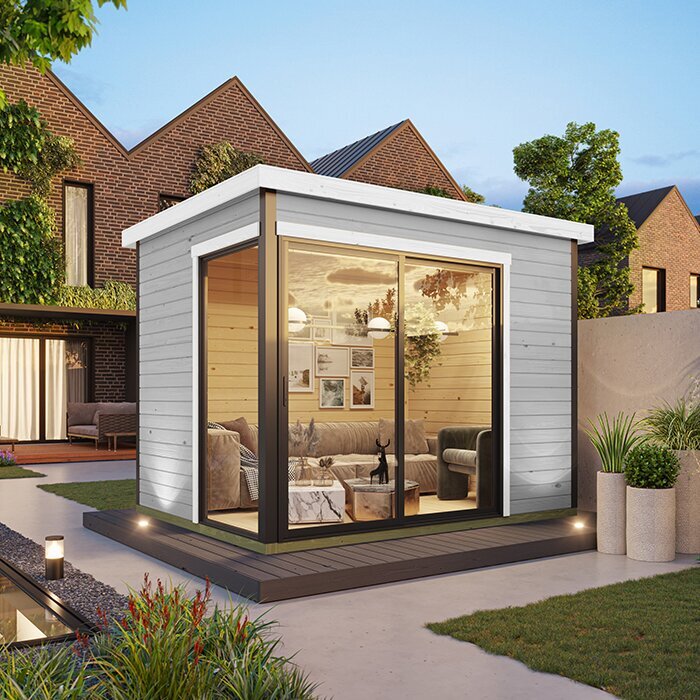
Questions to resolve before checkout
Collect unresolved questions and seek direct answers from the retailer or manufacturer before ordering. Ask what the stated 44 mm or 70 mm measures, whether it describes a component or an assembled wall, and which exact product version the offer covers. Request a dimensioned plan or specification if your choice depends on interior space or a particular use. Clarify promotional wording that could change the price or eligibility. A written product description or reply is easier to compare later than an informal promise or an assumption drawn from a photograph.
Check that each performance statement you rely on is specific to the model and explains conditions or limits relevant to your plan. If the seller cannot confirm an essential requirement, leave it unresolved rather than treating the thicker option as a safe default. A page for Veltor 3 Garden House identifies an individual listing but does not establish which thickness group it belongs to; use its current specification. Keep any reply with the model number so it cannot be confused with a nearby version. A useful answer should name the feature and measurement basis, not just say that models vary.
Make a like-for-like final comparison
Before checkout, make one side-by-side record for the exact models you are considering. Include the stated wall measurement and its definition, exterior and interior dimensions, intended-use information you verified, configuration, promotion conditions, and current total at the same point in time. Mark unknowns clearly. This prevents a 44 mm versus 70 mm comparison from quietly becoming a comparison of different footprints, versions, or inclusions. If terms or prices change while you decide, update the record instead of relying on an earlier page or cart amount.
Choose the option whose confirmed details meet your requirements at a total and set of terms you accept; no universal winner follows from wall thickness alone. If neither listing supplies enough information, wait for clarification or consider another clearly documented model. A Black Friday label does not make a poor fit worthwhile, and a discount is not necessary for a sound purchase. At the point of order, confirm that the selected model and configuration match the comparison you made. Either tier could be the right choice, depending on your priorities and the verified differences.
Frequently asked questions
How much thicker is 70 mm than 44 mm?
If both figures describe the same wall component using the same measurement convention, 70 mm is 26 mm greater than 44 mm. That difference alone does not show how either wall is built or how the finished garden house performs.
Does a 70 mm wall automatically make a better garden house?
No. Thickness is one dimension, not proof of insulation, structural capacity, weather performance, or intended use. Compare the exact model’s specifications and any supported claims that matter to your plans; a larger number is useful only if it corresponds to a benefit you need.
How can I tell whether a Black Friday offer applies to a 44 mm or 70 mm model?
Check the exact model and version named in the offer terms, then confirm the price or discount appears for that item in your cart. Do not assume a category-wide promotion applies to every thickness or configuration.
Should I rank Black Friday offers by discount percentage?
Use the current total for the exact configuration you would buy. A percentage does not show whether the offer includes what you need, and it may not make a differently configured item the better value. Compare the terms and totals on the same basis.
Can I identify a garden house’s wall thickness from its product name or photo?
No. A name or image may help identify a design, but it does not establish the wall measurement. Check the current product specification for the exact version and ask the seller or manufacturer if the measurement is unclear.
Treat wall thickness as one specification to verify and Black Friday pricing as a separate question to check. A useful choice rests on the exact model’s documented measurements, a layout that serves your plans, and offer terms you understand. When those details support the 44 mm or 70 mm option, compare its current total with the benefit it provides for your requirements. If a key specification remains unclear, do not let a larger number or discount headline make the decision for you.
