
Condensation in a Garden House: Causes and Practical Remedies
Garden house care
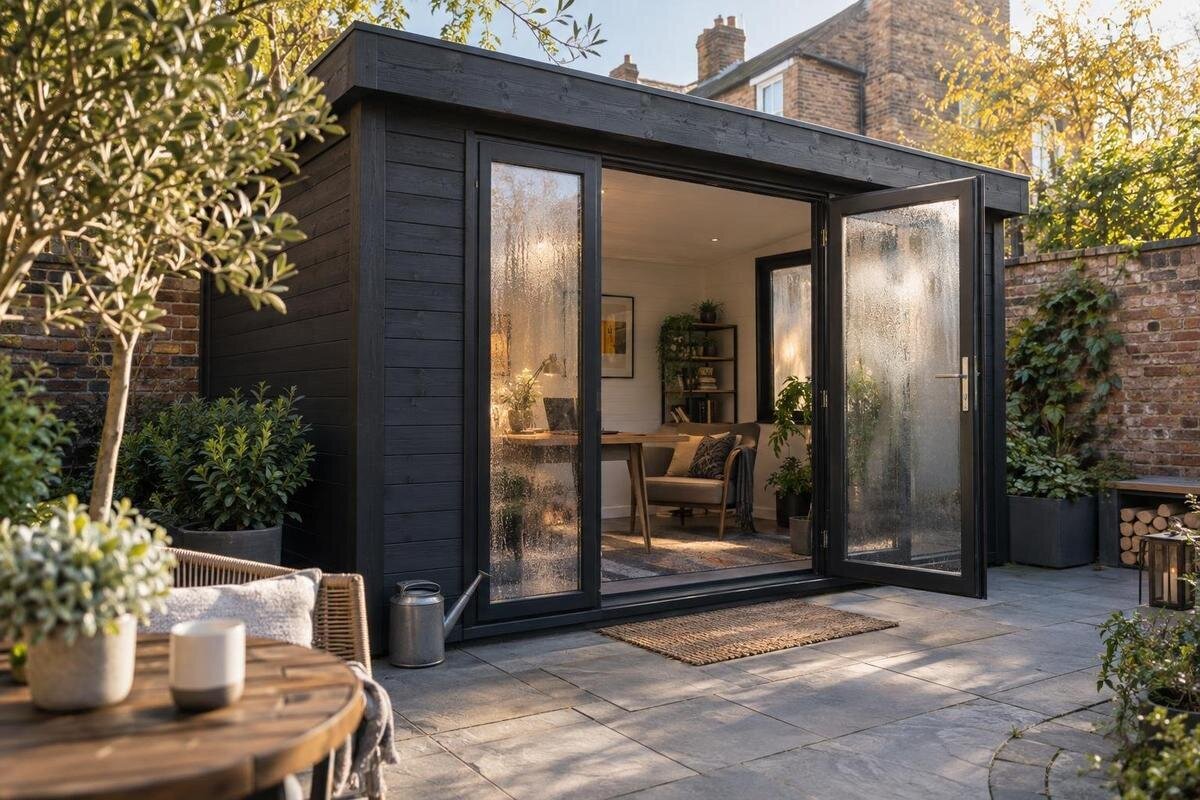
Condensation in a garden house can look like a roof leak, especially when droplets appear on windows, walls, or the roof underside after a cool night. Often, moist indoor air meeting a colder surface is the immediate cause; wet gear, plants, outdoor air, or limited air exchange can add to the moisture. Identify the pattern first, then improve ventilation or moisture handling without overlooking water entering from outside.
01
How condensation forms inside a garden house
Air contains water vapor even when a space does not feel humid. As air cools, its relative humidity rises; when it reaches saturation at a sufficiently cool surface, vapor turns into liquid droplets. That is condensation. In a garden house, glass, metal fittings, and parts of the roof or walls may cool faster than the air, so they can show moisture first. The same indoor air may leave one surface dry and another wet because surface temperatures differ. Droplets alone do not prove that water is entering from outdoors or show how much moisture is elsewhere in the building.
Temperature swings can make the effect more noticeable in a garden house that is not kept at a steady indoor temperature. A cool night may chill the roof or a window, while moisture from people, plants, damp soil, wet tools, or outside air remains in the space. That combination can leave droplets on cold surfaces even without a spill or a defect. Condensation may vary from one day to another as weather and use change, so the timing and location matter as much as the amount of water you see. A clear morning after a damp evening can produce a different result from a dry, breezy day at the same outdoor temperature. Notice whether droplets disappear as surfaces warm; that pattern is consistent with condensation, although it does not rule out another moisture source.
Tell condensation apart from water intrusion
Condensation often shows up as fine droplets or fog across more than one cool surface, such as a window and the underside of a roof. It may be most obvious after a cool night or after the space has been closed while damp items were inside. Water entering from outdoors is more likely to leave a localized wet area, a mark near a joint or opening, or moisture that appears after rain. These are useful clues rather than a definitive test: water can travel before it becomes visible, and condensation can collect in just one cold spot.
Record what the weather was like and where the moisture appeared before you wipe it away. Note whether it followed rain, overnight cooling, watering plants, or bringing in wet gear. Compare the same area on another day and take a photo if that will help you spot a pattern. A basic humidity meter can help track indoor relative humidity over time, but it cannot identify the source of water by itself. If one patch persists, spreads, or repeatedly follows rain, look for a possible entry point rather than treating it as ordinary condensation. Also check whether moisture begins high on a wall, around an opening, or at floor level, since its position can help organize a conversation with a professional.
02
Track when and where the dampness appears
A short log can prevent guesswork. Note the time of day, recent weather, whether the garden house was occupied, and any activity that brought in moisture. Record whether the droplets are on several surfaces or only in one place, and whether they appear after a temperature change. If the floor or stored items are damp, write down where they were and whether they were wet beforehand. These details help separate an occasional cold-surface problem from moisture that may be coming from outside or from a repeated indoor source. Include whether doors and windows were closed, whether the space had recently been aired, and whether nearby ground remained wet after rain. A few comparable observations are more useful than trying to diagnose the issue from one wet morning.
If you are choosing a garden house, use these observations to shape your questions instead of relying on a product photo. Review the Verdana 1 garden house listing for any explicitly published information about ventilation, care, and intended use; the model name or image cannot tell you how moisture will behave at your site. Make a note of unanswered questions and request the relevant product or assembly guidance before ordering. That way, your choice reflects the way you plan to use the space, not an assumption that one design will automatically prevent condensation.
Remove moisture brought in by everyday use
Wet tools, muddy footwear, damp gloves, freshly watered pots, and spilled water all add moisture to the air as they dry. If practical, let wet equipment dry outside before storing it, empty containers that hold water, and wipe up spills rather than leaving them to evaporate indoors. Check whether damp cardboard, fabric, or other absorbent items are being stored in the garden house. Moving a few recurring sources can be more effective than trying to deal with condensation only after droplets have formed. Separate wet items from dry supplies until they have dried, and inspect trays, buckets, and plant saucers that may hold unnoticed water. A storage routine that deals with moisture at the door reduces the amount released into the enclosed space.
For a storage-focused purchase, be clear about what you intend to keep inside and how you will handle wet items. The Verdana 2 product page is one listing to compare for any stated openings, included items, or care instructions. Use written product details, not the appearance of a photograph, when planning what will fit or how it can be aired. If the listing does not answer a question that affects your routine, ask before ordering rather than assuming that storage accessories or a particular ventilation feature are included.

03
Ventilate when outside air can help
Ventilation exchanges indoor air for outdoor air, which can remove some indoor moisture when the incoming air contains less water vapor. It is not a simple matter of opening up whenever the outdoor relative humidity looks low: relative humidity changes with temperature, so a reading alone may not show which air is actually wetter. Airing the space after wet activities can help, while warm, humid outdoor conditions may offer less benefit. Use the weather, the conditions inside, and any available humidity readings as context rather than relying on one number. Brief checks at different times can reveal when the indoor air feels stale or when surfaces are cooling. The goal is to replace moisture-laden indoor air when conditions are favorable, not to keep openings open regardless of rain, humidity, or security.
Keep intended ventilation openings clear so air can move through the space, and consider whether the layout allows air to pass beyond the doorway rather than stopping at the entrance. Before buying, check whether the product information explicitly describes vents or other openings, how they operate, and what is included. The Durano garden house listing is a page to review for details that are actually stated; do not infer a ventilation arrangement from a product name or image. Ask about any missing information that matters to your plans.
Use the openings you have effectively
A deliberate airing period after bringing in wet gear or working with plants can help clear moist indoor air. If the garden house has suitable openings on more than one side, using them together may allow air to pass through more of the space. Avoid blocking openings with stored items, and close doors or windows when conditions outside would bring in rain or unwanted moisture. There is no single airing schedule that fits every building and climate; the useful routine depends on the weather, how the space is used, and the openings provided. Keep a clear route to the openings so they are easy to use rather than becoming inaccessible behind seasonal storage. After airing, check whether droplets return in the same place; that observation helps show whether the routine is addressing the likely cause.
A fan that only recirculates indoor air may move stagnant air around, but it does not remove water vapor from the building unless air is exchanged with the outdoors. If you are comparing models, check the written details about openings and their operation against the way you expect to air the space. For example, consult the Veltor 1 product page for any explicitly listed information, and confirm what is included before ordering. Do not assume that a particular cross-flow arrangement is available unless the product documentation says so.
04
Keep stored items and surfaces dry
Wipe visible droplets from surfaces when practical, then look for the reason they formed. Dry wet tools and containers before putting them away, and avoid packing belongings tightly against a cold wall or beneath a damp roof area. Leaving stored items accessible for inspection makes it easier to notice whether moisture is returning and whether the problem is limited to one surface. If the floor itself is wet, do not treat it as a storage issue until you have considered whether water is entering from outside or collecting at the base. Use shelves, bins, or other storage arrangements only in ways that still let you see the surrounding surfaces and remove items for cleaning. Periodically inspect rarely used belongings, because absorbent materials can retain moisture without obvious droplets nearby.
Before choosing a garden house for storage, check the written description for dimensions and any included storage components rather than judging capacity from a photograph. The Orello 1 garden house listing can be reviewed for whatever details are published, but the model name does not establish what will fit or which accessories are supplied. Plan where wet equipment will dry and where items will be stored, and ask about any intended-use or care guidance that is important for keeping the contents dry.
Check the exterior, base, and surrounding site
Look for water-entry clues after rain, such as a damp area near a roof edge, joint, door, window, or the base. From a safe, accessible position, check whether the exterior looks damaged or whether runoff is collecting close to the building. Do not climb onto the roof or dismantle parts to investigate. A garden house can have condensation and an exterior water problem at the same time, so a wet patch should be assessed in context instead of being assigned to one cause automatically. Note whether the area around the building stays wet longer than the rest of the yard and whether water is visibly directed toward the base. Observations made from the ground can be useful without attempting repairs that require specialist assessment.
Site preparation and drainage details depend on the building and its setting. Before placing an order, find out what the selected model's assembly and siting instructions require, and ask about the appropriate base or runoff arrangements if they are unclear. The Modano 1 product page can identify the listing you are considering, but its name or image cannot confirm site requirements, seals, or water resistance. Use the supplied product documents and qualified advice for questions the listing does not resolve.

05
Choose a garden house with documented ventilation details
When comparing garden houses, look for clear written information about openings, how they operate, maintenance, intended use, and assembly. Think about whether you can carry out a realistic airing routine and whether the stated features suit the way you will use the space. Do not assume that a larger-looking image means more usable room, or that a particular material or design will prevent condensation. If moisture control is a priority, ask specific questions about ventilation and care before deciding between products. Consider how frequently the building will be occupied, whether wet equipment will be brought inside, and how easily you can inspect surfaces after periods of closure. These practical habits affect condensation alongside any documented product feature.
Keep a simple comparison of the details that affect your plans, including which openings are stated, which components are included, and where to find the assembly and care guidance. Check whether any feature you rely on is part of the listed product or would need to be arranged separately. The Veltor 2 listing is one page you can review for published information; compare only what it actually says with other products. Confirm important points in writing before ordering, especially if an unanswered detail could change how you use the building.
Know when recurring condensation needs a closer inspection
If condensation continues after you have reduced avoidable moisture and improved appropriate air exchange, revisit the pattern. Repeated dampness in the same location, moisture that follows rain, a persistent musty odor, or visible changes to a surface warrant closer investigation. Check whether the problem is limited to one cold surface or appears more widely, and consider whether the building's exterior, base, or assembly may be involved. A qualified builder or other suitable professional can assess conditions that are difficult to diagnose from inside the garden house. Bring the dates, photos, and notes you have collected, since they can show whether moisture is linked to weather, storage, or a specific location. Avoid covering up recurring signs with stored items or surface treatments before the underlying cause has been assessed.
Replacing a building will not necessarily solve a moisture problem if the same site conditions or indoor routine remain. If you are considering another garden house, bring your observations and intended use into the product discussion, and request guidance on ventilation, care, and siting for the exact model. The Veltor 3 product page is a listing to review for explicitly stated information, not a diagnosis of the current problem or a guarantee of suitability. Resolve the cause as far as possible before treating a new purchase as the remedy.
Frequently asked questions
Why does condensation often appear in the morning?
Surfaces can cool overnight while moisture remains in the air. By morning, the roof, glass, or fittings may be cold enough for water vapor to condense on them. If droplets fade as the day warms, that timing is a useful clue, though it does not rule out a separate leak.
Does condensation mean my garden house is leaking?
No. Condensation often appears on several cool surfaces, especially after a temperature change, while a leak may leave a more localized wet patch or show a connection with rain. Those patterns are clues, not proof. If one area stays damp or the wetness follows rainfall, check for water entry.
Should I ventilate when it is humid outside?
Not automatically. Relative humidity alone can be misleading because it changes with temperature; the important question is whether outdoor air contains less water vapor than the air inside. Airing out after damp activities can help, but during warm, humid weather, ventilation may not reduce indoor moisture. Choose a suitable airing period when conditions allow.
Will a dehumidifier stop condensation?
It may reduce moisture in the air when the equipment is appropriate for the space and used as directed, but it will not repair a leak or guarantee that cold surfaces stay dry. Garden houses vary in how they are built and intended to be used, so check the equipment and building instructions before relying on one.
When should I ask someone to inspect the garden house?
Get a qualified builder or other appropriate professional to assess recurring wet patches, moisture that appears after rain, signs of water entry, or dampness that continues despite changes to storage and ventilation. A persistent problem may involve the exterior, base, or building assembly, and its source can be difficult to confirm from the inside alone.
Condensation is a clue about moisture in the air and the temperature of the surfaces it meets, but not every damp patch has the same cause. Track when and where it appears, limit avoidable indoor moisture, and air out the garden house when outdoor conditions can help. If wetness is localized, follows rain, or keeps returning, investigate water entry or seek an appropriate inspection. When choosing a building, rely on stated product and care information rather than assuming a design will prevent the problem.
