
Double- vs Triple-Pane Glass for Windows and Doors
Windows and doors buying guide
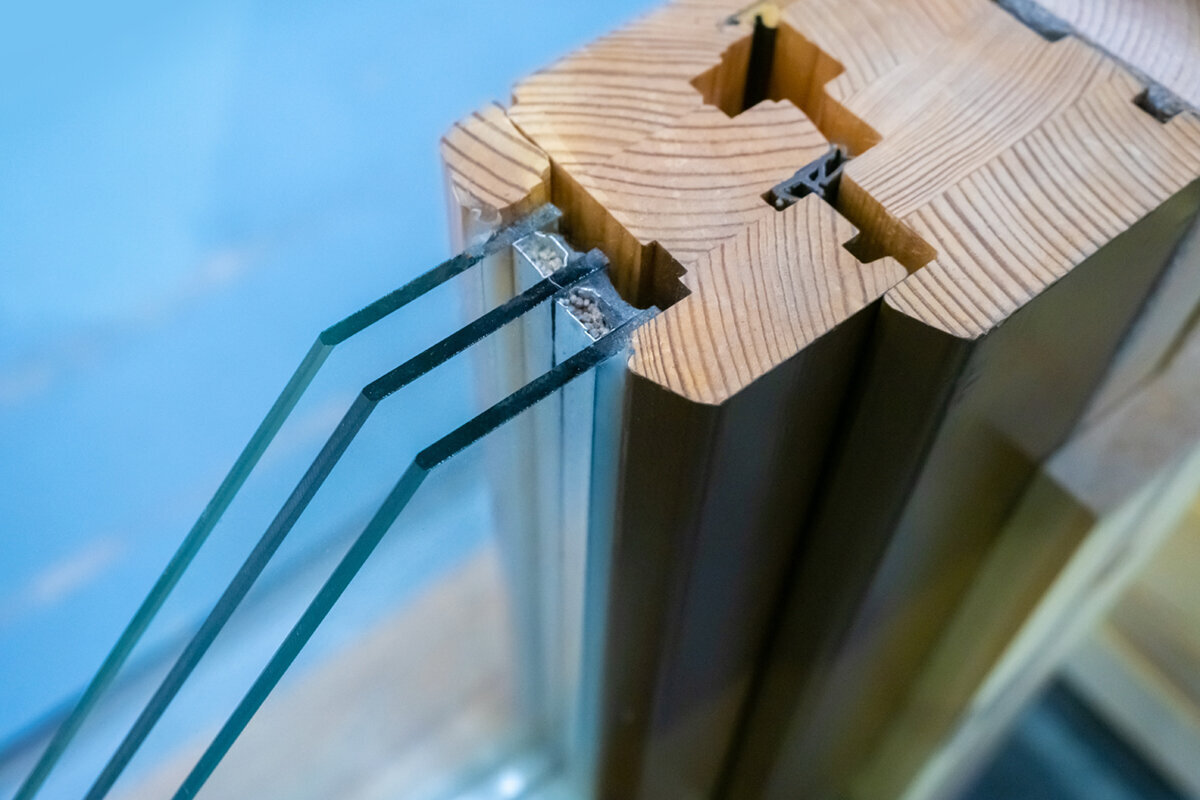
Start with how each opening must work, not with the number of glass panes. A fixed picture window, outward-opening casement, sliding patio door, and entry door do different jobs, so the best glazing choice can vary within one project. Double-pane glass is often a sensible baseline when the complete design suits the home and site. Triple-pane glass adds another pane and sealed space, which can improve insulating behavior, but it also adds weight, changes thickness, and may affect how a large operable unit is configured. Compare complete, like-for-like assemblies instead of assuming that three panes automatically make every window or door better. The practical decision combines climate exposure, room comfort, daylight, opening size, frame design, glass options, operation, and overall project priorities.
Begin with the openings you are actually buying
Divide the order by function: fixed windows, ventilating windows, patio doors, entry doors, and unusual shapes. Added glass weight has different consequences for a stationary unit than for a sash opened daily. A fixed window may be judged mainly on comfort near the glass, daylight, view, and proportions. A bedroom window also raises questions about ventilation, furniture placement, cleaning access, and operation. One pane-count decision for every opening can obscure the features that determine daily use.
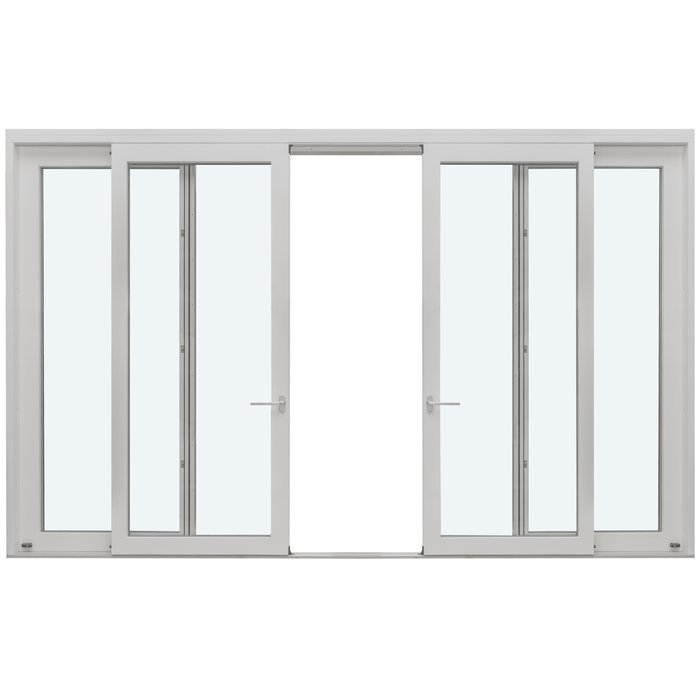
For doors, begin with movement and traffic. Sliding, inswing, outswing, and folding systems require different floor clearance, screens, hardware, and circulation patterns. A triple-pane request for a broad glazed door should prompt a configuration review rather than copy the specification of a small window. Ask which glass options are available for each size and operation. Then record exposure, room use, privacy, ventilation, and whether each opening is fixed or operable. This turns a vague whole-house question into purposeful individual decisions.
What the extra pane changes—and what it does not
Double-pane insulated glass has two panes separated by a sealed space; triple-pane insulated glass has three panes and two spaces. That added layer can reduce heat flow through the glass unit under comparable conditions. It can also change interior-glass comfort when outdoor conditions are cold. Yet glazing is only one part of the assembly. Frame sections, edge areas around the glass, sash design, weatherseals, installation detailing, and the size of the glass area all influence the result experienced in the room. A strong comparison asks for whole-product values and stated test conditions where those are available, not a pane-count label alone.
The extra pane also introduces tradeoffs. More glass generally means a heavier insulating glass unit, which is especially relevant to large panels that slide, swing, fold, or pivot. Thickness can affect the product configuration that is possible. Additional layers may also change visible light and solar heat entering the room, depending on the coatings and glass selections offered. None of these effects should be assumed from the word triple alone. Ask for a side-by-side proposal that holds the frame, opening dimensions, color, grilles, and glass features as constant as feasible. If those elements differ, note the differences before crediting an outcome to the third pane.
Read climate through rooms and exposures
A home does not have one uniform climate at every opening. A north-facing study, a west-facing family room, a sheltered courtyard door, and a window facing persistent winter winds can create distinct comfort questions. In a heating-focused project, triple-pane glass may deserve close consideration for rooms where occupants sit near large glazed areas in colder periods. In a bright room with long afternoon sun, controlling glare and solar gain may be as important as reducing conductive heat transfer. The useful question is not simply whether the state is “cold” or “hot,” but which seasonal and daily condition is causing discomfort in each room.
A mixed strategy can be coherent when it follows those conditions rather than marketing labels. For example, a homeowner might compare triple-pane options at exposed living-room windows while reviewing double-pane alternatives for smaller utility-room openings. That is not a claim that one arrangement fits every home; it is a way to direct attention where it matters. Keep the comparison honest by recording orientation, overhangs, nearby shade, window area, and how the room is used. Discuss local project requirements and site exposure with the appropriate qualified professional rather than relying on a national rule of thumb. A design that looks consistent from outside can still use carefully considered glass packages.
Separate thermal comfort from sunlight and view
Insulating performance and sunlight management are related but different buying questions. A room can feel chilly beside glass in winter, uncomfortably bright during part of the day, or both. Glass coatings and other glass selections can influence how much solar energy and visible light pass through the glazing. A choice that prioritizes reduced solar gain may not produce the same daylight character as another choice. Ask the supplier to explain the available glass options in plain language and to provide the relevant product information for each proposed combination. Do not accept a generic statement about “energy-efficient glass” as a substitute for that comparison.
View quality deserves equal attention. Three panes, coatings, decorative bars, screen choices, and reflections can all affect what a homeowner notices when looking outward. Consider the view from seated positions as well as when standing. In a dining room, a modest change in daylight may be acceptable for improved comfort; in an art studio or a stair landing, daylight may carry more weight. Make samples or documentation part of the decision where possible, and evaluate the proposed glass under the intended orientation. Choosing glazing is not merely an efficiency upgrade. It is a lasting decision about the room’s light, visual connection, and seasonal experience.
Large operable panels require a configuration review
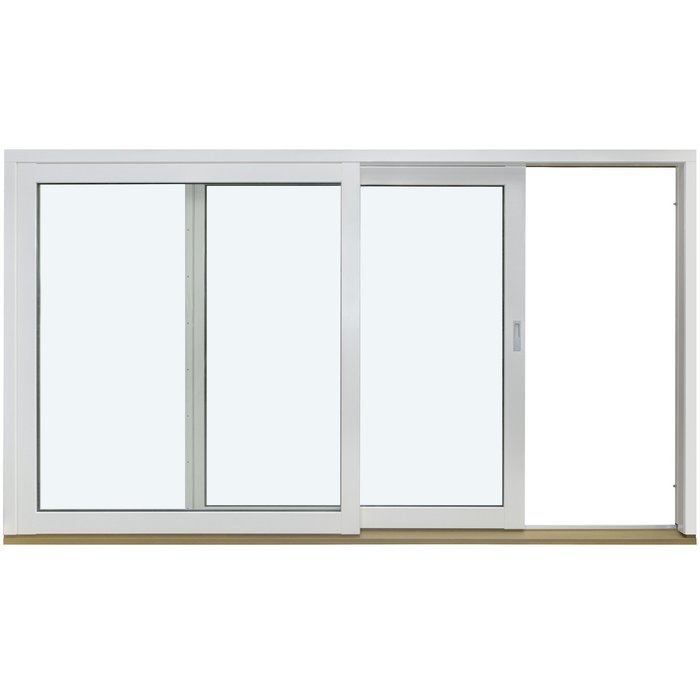
The bigger and more mobile the panel, the more important it is to discuss the complete system. Triple-pane glass can add significant mass compared with a similar double-pane unit, so opening mechanism and panel dimensions should be reviewed early. This does not mean triple-pane glass is unsuitable for an operable opening. It means the supplier should confirm the actual configuration rather than offer a conceptual answer. For a wide opening to a deck or garden, compare a Patio Life sliding patio door in the exact panel arrangement under consideration, not only a small glass sample or a different door style. Ask how the glass choice interacts with the proposed operation and layout.
The same principle applies to outswing bifold doors and other swinging arrangements. Threshold preferences, screen strategy, furniture clearance, prevailing weather, and everyday traffic are separate decisions from glazing. A household that frequently carries food, bikes, or garden equipment through the opening may value a simple movement pattern more than a different glass package. Conversely, a rarely opened glazed wall may justify another balance. Provide rough opening dimensions, panel count, and handedness before requesting a recommendation. Confirm whether the quoted glass option applies to the complete door assembly at that size. A practical door is one whose insulation, operation, and use pattern are resolved together.
Do not overlook frames, edges, and installation scope
Two assemblies with the same glass makeup can perform and feel different because their frames and glass edges differ. The frame occupies part of the opening, connects the glass to the wall, and carries the operating hardware in an operable unit. Edge areas around insulated glass are also not the same as the center of the glass. That is why a whole-window or whole-door comparison is more useful than a center-of-glass claim. Request documentation that clearly identifies the product, size, opening style, and selected glass package. If one quote uses different dimensions or a different frame system, it is not a direct double-versus-triple comparison.
Installation belongs in the buying conversation, even though glass selection does not determine installation quality. The opening must be measured, prepared, flashed, sealed, and integrated with the surrounding wall or roof by the project team according to the applicable project conditions. A premium glass unit cannot compensate for unsuitable site detailing. Clarify who verifies measurements, who defines the installation scope, and what is included or excluded from the proposal. For roof applications such as a pivoting roof window, also ensure that the glazing discussion is coordinated with the roof opening and the installer’s planned system. Keep the roles clear: product supplier, installer, designer, and any required local professional each answer different questions.
Use sound as a separate comparison
Many buyers hope that triple-pane glass will automatically solve outdoor noise. It may change acoustic behavior, but pane count alone does not establish a noise outcome. Glass thicknesses, spacing, asymmetry between panes, seals, frames, vents, and installation gaps all matter. A sound concern is often a system concern: a weak point around an otherwise substantial window can be noticeable. If traffic, aircraft, neighbors, or a busy outdoor space is the motivating issue, describe the noise source, when it is most intrusive, and which rooms need attention. Then request acoustical information for the actual product configuration if it is available.
Avoid conflating quietness with the thermal decision. A home may need a glass choice that addresses both winter comfort and a particular sound concern, but the chosen configuration should be checked for each objective. A large sliding door facing a patio, for example, should be discussed as a complete sliding assembly with its intended glass selection, rather than presumed comparable to a fixed window elsewhere. Ask whether the proposal is designed to prioritize any acoustic characteristic and what documentation supports that statement. If no project-specific information is available, do not turn a general expectation into a promised result. This approach prevents paying for an extra pane while leaving the actual disturbance unexamined.
Plan the visual design around the glass package
Glazing decisions can influence the appearance of a façade and the atmosphere indoors. Dark aluminum frames can create a crisp outline around a large glass area; lighter colors can reduce visual contrast. Decorative bars change the perceived scale of the glass and can make a contemporary opening feel more traditional. If the design calls for glass-dividing bars rather than decorative bars, that should be specified accurately because the visual and construction implications are not interchangeable. Establish the intended sightlines and divisions before finalizing glass choices, particularly across a group of adjacent windows and doors.
Historic-inspired openings require the same discipline. A historic-style two-sash outward-opening casement window should be selected for its named operating and visual configuration, while its available glazing must be confirmed separately. Do not infer glass performance, coatings, or bar construction from the product title. Compare sample elevations showing sash divisions, proposed color, and whether decorative bars are included, then verify how those choices pair with the selected glass. This is especially valuable when triple-pane glass changes the apparent depth of the glazing or the dimensions of a profile. The aim is not to avoid triple-pane glass for aesthetic reasons; it is to ensure the finished opening looks deliberate rather than assembled from unrelated upgrades.
Build a quote comparison that exposes real differences
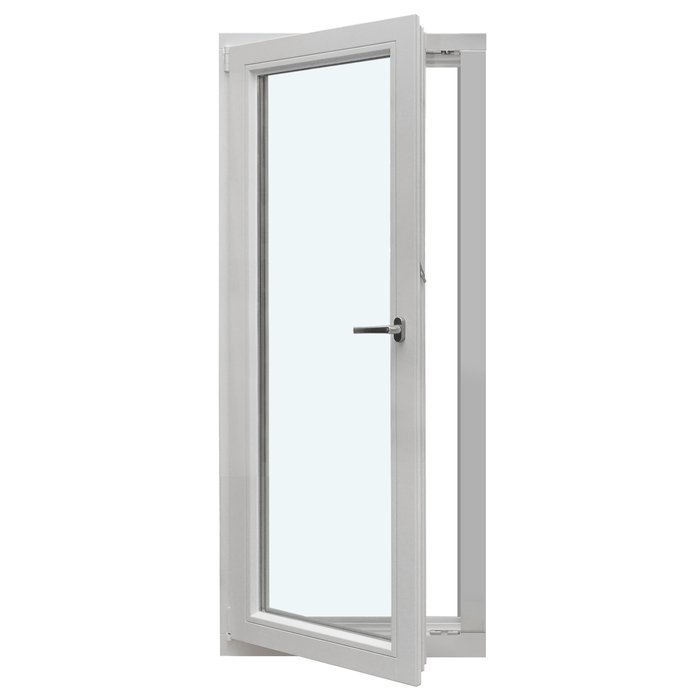
Ask each supplier to quote an identifiable product configuration, not a broad category. The request should state opening type, rough dimensions, fixed or operable status, panel count, swing direction where relevant, frame color, grille or decorative-bar intent, glass package, and desired hardware or screen questions. Request separate lines for double-pane and triple-pane alternatives when both are viable. For an entry opening, an outswing panel entry door is a starting configuration, not evidence of a particular glazing package. Confirm the exact panel, glass area, and proposed options before comparing it with another quote. The purpose is to prevent hidden substitutions from appearing as a simple pane-count difference.
Review exclusions as carefully as the product description. Does the proposal distinguish product supply from removal, site preparation, installation, trim, disposal, and finish work? Are measurements preliminary or final? Are color, glass, and hardware selections identified? A quote that appears lower may be describing fewer services or a different assembly. Bloomcabin windows and doors carry a 5-year warranty. Delivery is typically 4–6 weeks, subject to order confirmation. Those business terms do not answer whether double- or triple-pane glass suits the project, but they help establish the ordering discussion. Final timing and scope should be confirmed against the actual order rather than assumed from an early estimate.
Make the final choice room by room, then order carefully
A good final decision can be stated in one sentence per opening group. For instance: fixed living-room glazing prioritizes cold-weather comfort and a clear view; kitchen windows prioritize frequent ventilation; the patio opening prioritizes smooth daily circulation; upper-level windows prioritize safe, practical operation and daylight. If triple-pane glass supports the highest-priority need in a group and is available in the chosen assembly, it may be the right choice. If double-pane glass meets the project’s goals while preserving another priority, it may be the more balanced choice. Neither option is automatically the “upgrade” in every location.
Before approval, request a final configuration review. Check quantities, dimensions, operation, frame color, glass selection, decorative bars or glass-dividing bars, hardware, screens, and opening direction against drawings and room notes. For a compact ventilation opening, verify the actual use case of an outward-opening top-hinged window rather than selecting it solely because its glazing option resembles another window. Save the written quote, drawings, and any product documentation with the order record. If project compliance, structural conditions, or local requirements affect the work, have the appropriate qualified professional verify them for the actual address and scope. A deliberate sign-off protects the design intent long after the double-versus-triple debate is over.
Common questions
Is triple-pane glass always better than double-pane glass?
No. Triple-pane glass can be a strong choice where improved insulating behavior and cold-weather comfort are central goals, but it is not automatically best for every opening. Compare the complete assembly, glass options, operable-panel size, daylight needs, solar exposure, budget priorities, and intended use. A well-matched double-pane configuration can be the more appropriate purchase.
Can I use triple-pane glass on patio doors?
Possibly, but availability should be confirmed for the exact door type, size, panel arrangement, and opening operation. Because extra glass adds weight, a broad sliding, folding, swinging, or pivoting panel deserves a complete configuration review. Ask for the actual proposed assembly, not a general statement about whether triple-pane glass can be used on doors.
Will triple-pane glass make my home quieter?
It may alter acoustic behavior, but three panes alone do not establish a sound result. Glass construction, spacing, frame and seal design, vents, and installation details also matter. Describe the noise source and affected rooms, then request information for the specific proposed configuration. Treat thermal and acoustic goals as related but separate checks.
Should every window in the house have the same glazing?
Not necessarily. A consistent exterior appearance can coexist with different glass choices when room use and exposure differ. Fixed windows, frequently opened kitchen windows, shaded bedrooms, and large sun-facing glass areas may have different priorities. Keep the design coordinated, but decide from a documented room-by-room schedule rather than a one-size-fits-all rule.
What should I ask for when comparing double-pane and triple-pane quotes?
Ask for matched product configurations with opening type, size, frame, color, operation, glass package, decorative bars or glass-dividing bars, and included scope clearly identified. Request whole-product information where available, not only glass claims. Also confirm measurements, installation responsibilities, exclusions, warranty terms, and delivery timing subject to order confirmation before making a final comparison.
Next step
Double-pane versus triple-pane glass is not a contest decided by pane count. Start with opening operation and project scope, then assess comfort, sunlight, view, panel size, frame design, sound concerns, and installation responsibilities. Triple-pane glass can address particular priorities, especially in selected locations; double-pane glass can remain an effective, balanced choice when it aligns with the complete assembly and room needs. The most useful next step is a matched, written comparison for the actual windows and doors you intend to order. Verify every configuration before approval, and involve the appropriate qualified professional when project conditions or local requirements need review.
