
Fixed vs. Operable Windows: Where Each Works Best
BLOOMCABIN • WINDOWS & DOORS • US BUYER GUIDE
Windows shape how a room looks, feels, and functions, but fixed and operable units divide those responsibilities differently. A fixed window, often called a picture window when it frames a view, stays closed and emphasizes daylight and visual connection. An operable window includes a sash or panel that opens, adding ventilation while introducing questions about reach, hardware, furniture, screens, cleaning, and clearance. Neither type is the right answer everywhere. A broad fixed window may be ideal across from a favorite view, while an opening window may be more useful beside a desk or near an active kitchen workspace. The strongest home plans assign a clear purpose to every opening, then balance that interior purpose with the exterior composition. Compare each location by view, airflow, access, room layout, and expected daily use before deciding what should open.
Define the purpose of every window location
Begin with the job of the individual opening rather than selecting one window type for the entire house. A living room window facing a landscaped yard may mainly frame a view. A window beside a home-office desk may be expected to provide occasional outdoor air. A high opening over a stair landing may contribute daylight but offer little practical value as a manually operated window. Even windows in the same room can have different purposes. Label each location for view, daylight, ventilation, architectural emphasis, or a combination of those priorities before comparing products.
A fixed window for a view-focused location is the direct category to consider when the opening does not need to provide ventilation. An operable unit adds another function, but that function is useful only when the window remains accessible and convenient. Consider who will open it, where that person will stand, and what furniture or fixtures will be nearby. Avoid paying for operation simply because opening windows seem more versatile in theory. Conversely, do not specify fixed glass in a place where household members expect to open a window regularly. A purposeful room-by-room plan is more practical than automatically repeating the same type across every elevation.
Use fixed picture windows where the view leads
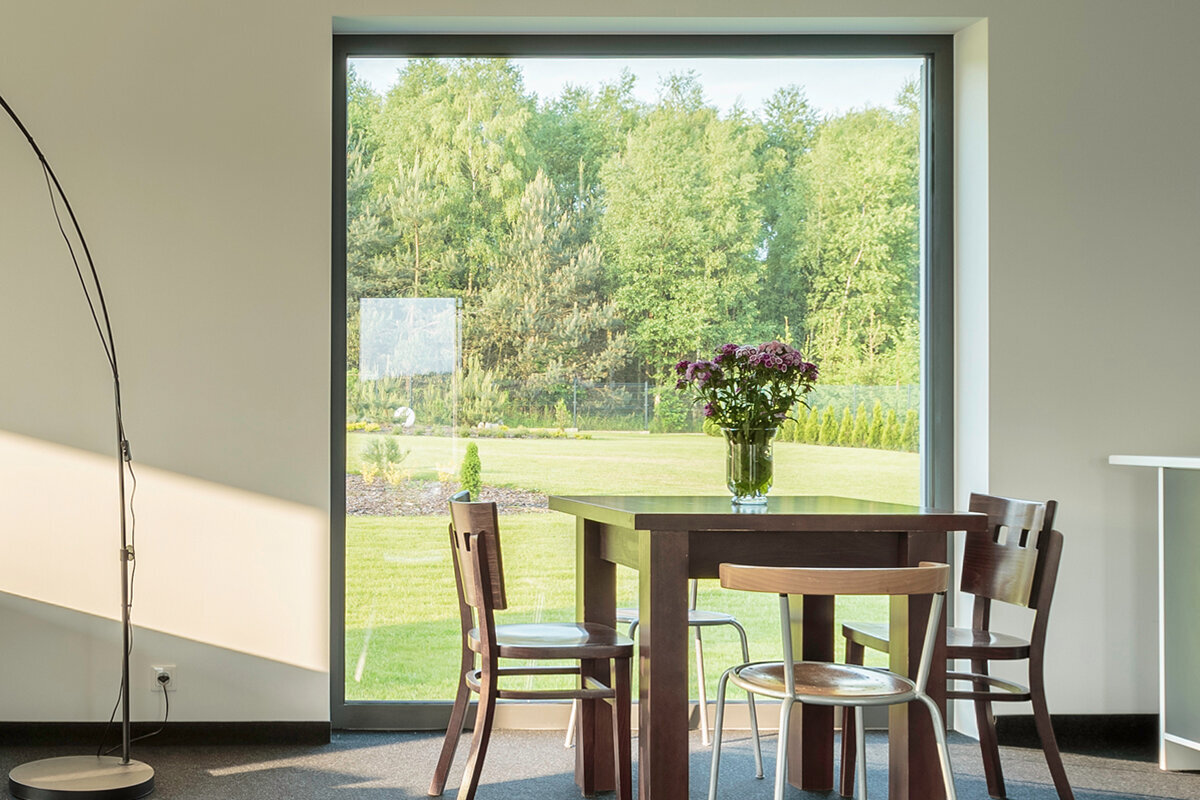
Fixed picture windows work especially well when the outdoor scene is an important part of the room. The subject may be a garden, mature tree, courtyard, skyline, or carefully screened side yard. Because the window does not need an opening sash, its visual role can remain focused on the outlook. This can make sense behind a dining table, across from a sofa, or at the end of a hallway where the glass acts as a destination in the interior. Evaluate the view from seated and standing positions rather than judging it only from a floor plan.
A large view is not automatically a good view, and fixed glass should not be chosen solely to maximize the opening. Look at what will be visible throughout the year, including neighboring properties, utility areas, bare winter landscaping, and outdoor lighting after dark. Think about privacy, direct sun, reflections, and the window coverings you are likely to use. A beautiful fixed window that stays covered much of the day may not fulfill its intended role. If the outlook is secondary and ventilation is more important, an operable window may deserve priority. If both matter, reserve the most valuable sightline for fixed glass and place an opening section beside it.
Put operable windows where ventilation is usable
An operable window is most successful when opening it fits naturally into the room’s routine. Kitchens, bedrooms, bathrooms, laundry areas, and home offices often benefit from access to outdoor air, but the room name alone should not determine the selection. A window beyond a deep counter, behind a headboard, or above a large desk may technically open while remaining inconvenient in practice. Check the handle position, standing space, and likely obstructions. Window treatments, countertop appliances, faucets, lamps, and monitors can all interfere with access if they are considered only after installation.
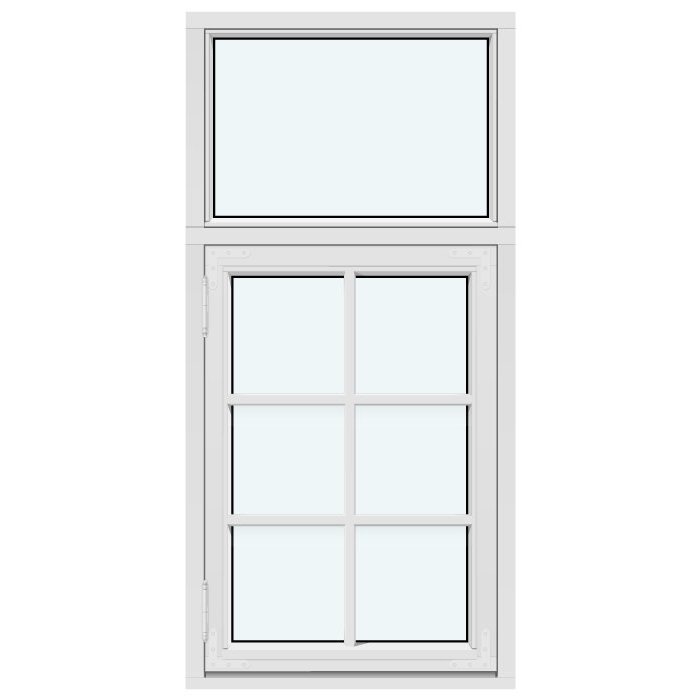
Opening style also affects how the window relates to its surroundings. A single-sash outward-opening casement window is one alternative when comparing side-hinged operation, but its exact dimensions, hardware, and available configurations must be confirmed. For any outward-opening selection, study the area outside the wall as carefully as the room itself. Nearby paths, patios, doors, planting areas, and outdoor furniture may affect convenience. Inward-opening options shift the clearance question into the room. The best choice is not simply a window capable of opening; it is a window that occupants can operate without moving furniture, reaching awkwardly, or repeatedly disrupting activity inside or outside.
Combine fixed and opening sections for balance
Many rooms do not require an all-fixed or all-operable answer. A fixed center section can preserve the main view while operable units at one or both sides provide ventilation. This arrangement can suit a living room, dining area, bedroom, or office where the wall needs both a visual focal point and a practical opening. It also allows opening hardware to be positioned closer to an accessible edge instead of placing it within the broadest part of the composition. The proportions should respond to the actual view and the way the room will be furnished.
A combination window with fixed and opening portions is a relevant category to explore when both functions need to be planned together. Confirm which portions operate, how they open, and what dimensions and configurations are offered for the specific order. Do not assume every combination follows the familiar pattern of one large fixed center with matching side units. An asymmetrical layout may work better when a desk occupies one side or the best view is off-center. Review the composition from indoors first, then check how its frame lines relate to neighboring windows and exterior features. Symmetry can be appealing, but it should not force an operating sash into a location where nobody can use it comfortably.
Coordinate opening direction with furniture and circulation
Furniture plans reveal conflicts that simple window elevations do not. Draw the full depth of sofas, beds, desks, kitchen counters, vanities, and storage pieces, then mark the standing area needed to reach each operable window. Consider whether a person must lean over furniture or move an object to reach the handle. Inward-opening windows require interior clearance for their movement, while outward-opening windows move that consideration outside. Neither direction is universally preferable. The practical choice depends on the room arrangement, the exterior setting, and how frequently the window is likely to be used.
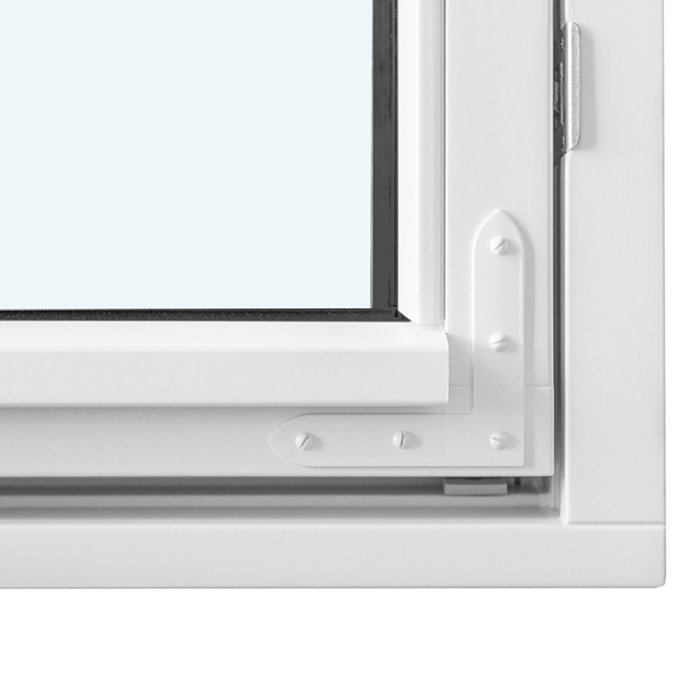
A single-sash inward-opening window provides an alternative when inward operation suits the location, subject to confirmation of its specific product details. Imagine opening it while curtains or blinds are in place and while the room is being used normally. A sash that interferes with a faucet, chair, computer screen, or walking route can become frustrating. The same exercise applies outdoors: consider adjacent doors, seating, narrow passages, and frequently maintained planting. Also account for future flexibility. If a bedroom could later become an office, or a dining area might receive a larger table, avoid locating the only operable window where one predictable furniture change would block it.
Evaluate cleaning access from both sides
Cleaning access can change the practical value of fixed and operable windows. A fixed window may be straightforward when its interior and exterior surfaces are readily accessible. It requires more planning when installed high on a wall, above a stairwell, beyond a lower roof area, or behind dense landscaping. Before choosing a dramatic fixed opening, identify how its exterior surface would be reached for routine cleaning. The answer may affect window size, placement, landscaping, or the decision to use several sections rather than one uninterrupted area. Do not assume that installation access will remain available later.
Some operable windows may provide different access depending on their opening method, but cleaning convenience cannot be inferred from a product category alone. A window with outward-opening pivot operation is one comparison option if pivoting action interests you; confirm exactly how the specific unit moves and how each surface is intended to be accessed. Screens, shades, curtains, grilles, and nearby fixtures can affect the process as well. Ask for operating and care information before ordering, particularly for upper-floor or otherwise difficult locations. The right plan considers normal ownership, not just the appearance of new glass. If exterior access will routinely be challenging, include that limitation in the fixed-versus-operable decision from the beginning.
Use fixed shapes for deliberate architectural emphasis
Fixed windows are not limited to standard rectangles. Curved, round, triangular, and angled forms can follow a roofline, brighten a gable, emphasize ceiling height, or give an entry composition a distinctive focal point. These locations are often better suited to architectural light than to routine ventilation, especially when they are high or difficult to reach. Nearby operable windows can handle the opening function while the shaped unit completes the design. Use unusual geometry selectively: a shape should relate to the home’s architecture rather than appear as an isolated decoration with no connection to surrounding lines.
A half-round fixed window is relevant where a curved opening fits the composition, while triangular and angled fixed windows offer alternatives for sloped or nonrectangular areas. Product names establish the general types only, so verify dimensions, materials, glazing, colors, and configuration choices directly. Also distinguish decorative grilles from structural divisions when developing the pattern. Decorative grilles create the appearance of smaller panes across glass; structural divisions separate an assembly into distinct window sections. They are not interchangeable concepts. Either treatment can change sightlines and the exterior rhythm, so decide whether the goal is an uninterrupted view, a traditional divided appearance, or a composition made from genuinely separate fixed and operable units.
Plan daylight, privacy, and window coverings together
Fixed windows are frequently selected for daylight, but size alone does not determine whether that daylight will be useful. Consider where light is needed during the hours the room is occupied: across a work surface, near a reading chair, along a hallway, or deeper within an open-plan living area. A well-positioned opening can be more valuable than a larger window that creates brightness in an unused corner. Review orientation and likely direct sun at different times, but avoid assuming that fixed or operable status alone determines room comfort. Glass selection, placement, coverings, and surrounding conditions all contribute.
Privacy and window treatments should be part of the original layout. A picture window facing a close neighbor may require frequent covering, which can reduce the visual benefit that justified the fixed glass. Operable windows need coverings that allow access to handles and do not interfere with sash movement. Note where curtains will stack, how shades will be raised, and whether a screen is desired for routine opening. High fixed glass can sometimes admit daylight while keeping the primary sightline more private, whereas an accessible opening below or beside it can provide ventilation. Treat daylight, privacy, view, and operation as connected decisions rather than resolving each with a separate layer added later.
Make kitchens, bathrooms, and bedrooms practical
Function-heavy rooms expose weak window placement quickly. In a kitchen, counter depth, faucets, backsplashes, appliances, and upper cabinets can make an opening window difficult to use. In a bathroom, balance the desire for daylight and ventilation with privacy and convenient access. In a bedroom, test the window arrangement against the bed, nightstands, dressers, and intended coverings. An operable window is not automatically useful merely because the sash moves. If occupants cannot reach it comfortably during ordinary use, a different position, size, or operating approach may be more appropriate.
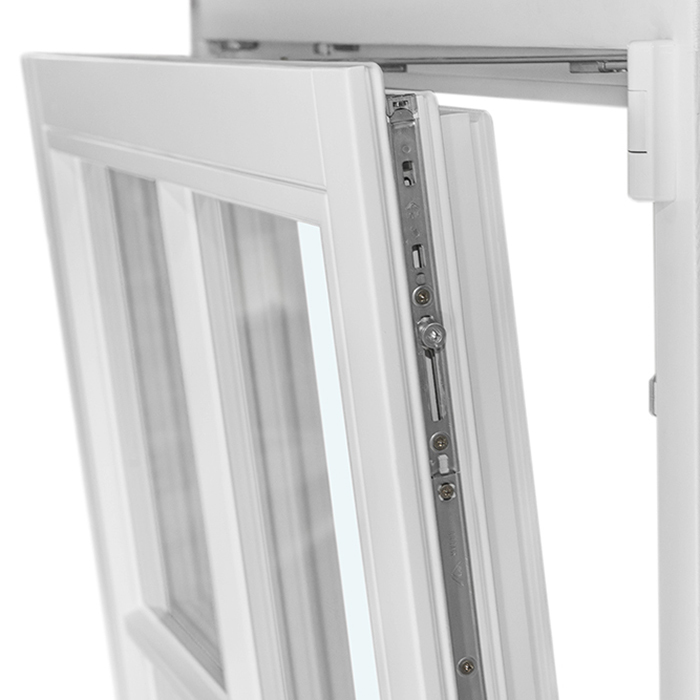
Operation can also be divided between units. A high fixed section may contribute daylight while a lower or adjacent opening window handles ventilation. Where an outward top-hinged format is being compared, an outward-opening top-hinged window is an available product type to investigate without assuming its dimensions, hardware, or other specifications. Keep the practical purpose clear: select the opening location people are most likely to use, then arrange fixed glass around it if more light or visual emphasis is desired. Do not place fixed glass in the only convenient ventilation position simply to perfect an exterior pattern. Equally, do not add an operable sash high above a vanity or kitchen counter if its everyday accessibility has not been tested.
Audit the complete plan before placing an order
Create a room-by-room window schedule before finalizing the order. For every opening, record its primary purpose, expected frequency of operation, interior reach, exterior clearance, view, privacy needs, window covering, and cleaning access. This exercise makes mismatches visible. A formal room may have several operable windows that are unlikely to be opened, while a frequently occupied office may have no convenient opening at all. A wall of fixed glass may capture the best outlook but leave no nearby ventilation. Revise these functional conflicts first, then refine proportions, alignment, grille patterns, and exterior appearance.
For each selected product, request confirmation of dimensions, opening direction, handing where applicable, hardware location, colors, glazing choices, screens, and other relevant accessories. Similar product names do not establish identical features, and an operable category does not confirm a particular cleaning method or clearance requirement. Bloom Cabin states a five-year warranty for windows and doors. Delivery is typically four to six weeks, subject to order confirmation, so verify timing after the order details are settled. A final walkthrough using the furniture plan and exterior layout can prevent avoidable conflicts. The goal is a coordinated mix in which every fixed section earns its place through view or light and every operable section remains genuinely usable.
Frequently asked questions
Is a picture window the same as a fixed window?
A picture window is generally a fixed window chosen to emphasize a view or daylight. “Fixed” describes the fact that the window does not open, while “picture window” commonly describes its role in the room. Confirm the exact size, shape, frame, glass, and available options for the particular product.
Can fixed and operable windows be used together?
Yes. A fixed section can preserve the main view or provide architectural emphasis, while an operable section nearby handles ventilation. Plan the proportions around the view, furniture, and reach rather than assuming every section must match. Confirm which sections open and how they operate before ordering.
Where does a fixed window usually work best?
Fixed windows often work well on view-focused walls, in high daylight locations, or in shaped architectural openings where routine ventilation is unnecessary. They are less suitable when occupants expect that exact opening to provide fresh air. Cleaning access, privacy, direct sun, and window coverings should also influence placement.
Where should I avoid relying on an operable window?
Avoid relying on one where furniture, cabinetry, fixtures, or height will make the handle difficult to reach. Also check whether the open sash would conflict with an interior route, exterior walkway, door, patio seat, or planting area. A different location or opening direction may solve the problem.
Do decorative grilles divide a window structurally?
Not necessarily. Decorative grilles create a visual divided-light pattern across the glass. Structural divisions separate a window assembly into distinct sections or units. Ask how the specific configuration is constructed rather than judging from a rendering or general description, especially when combining fixed and operable portions.
Your next step
Fixed and operable windows are complementary planning tools. Use fixed glass where an uninterrupted view, architectural shape, or daylight is the leading purpose. Place operable windows where household members can reach them easily and where ventilation will be used in everyday life. In many rooms, combining the two provides the most practical result. Before ordering, review furniture, circulation, exterior clearance, privacy, coverings, and cleaning access for every opening. That location-by-location approach creates a window plan that looks coherent while supporting how each room actually functions.
