
Can You Stay Overnight in a Garden House? What to Check First
Garden house planning
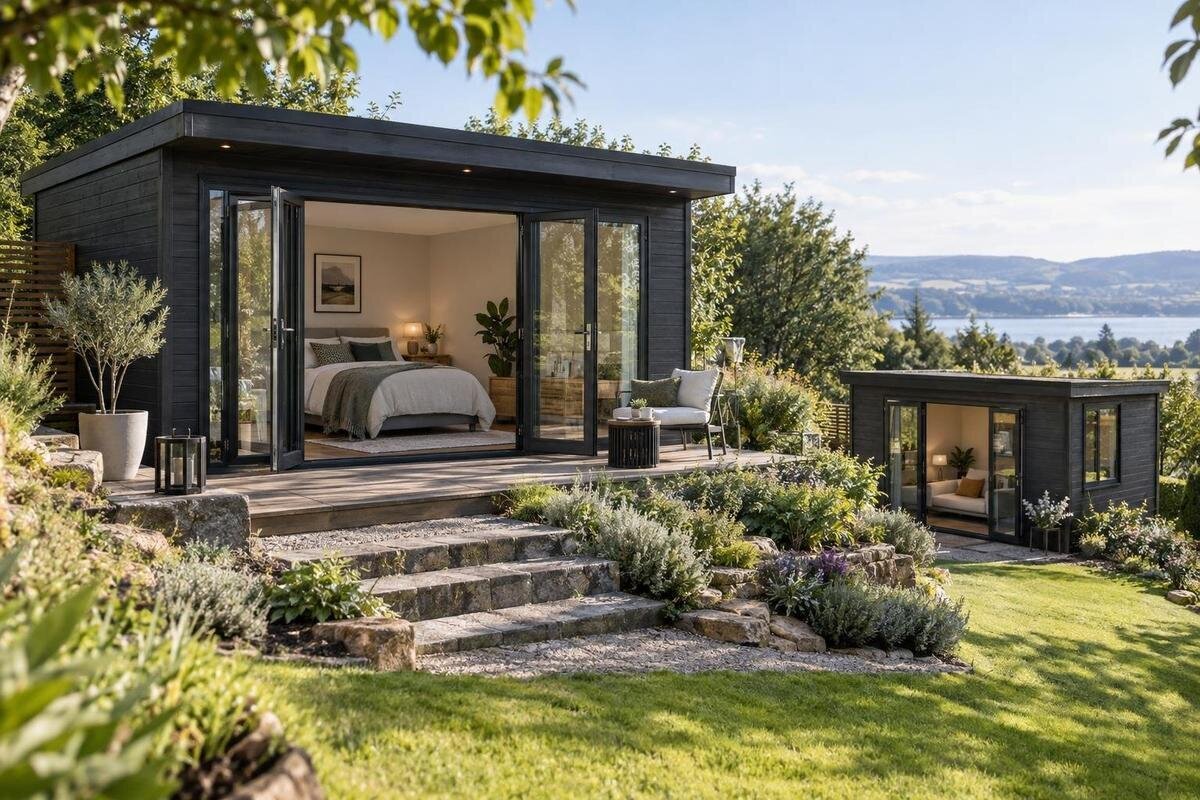
An overnight stay in a garden house is not simply a question of whether a mattress fits. A structure sold for garden use may have a different permitted use, design basis, or level of service than a space intended for people to sleep in. Rules for the property and the building itself both matter, as do safe access, weather protection, ventilation, utilities, and practical arrangements after dark. Resolve these questions before ordering or planning a stay. A product photograph, model name, or one-night plan cannot answer them.
Describe the overnight use accurately
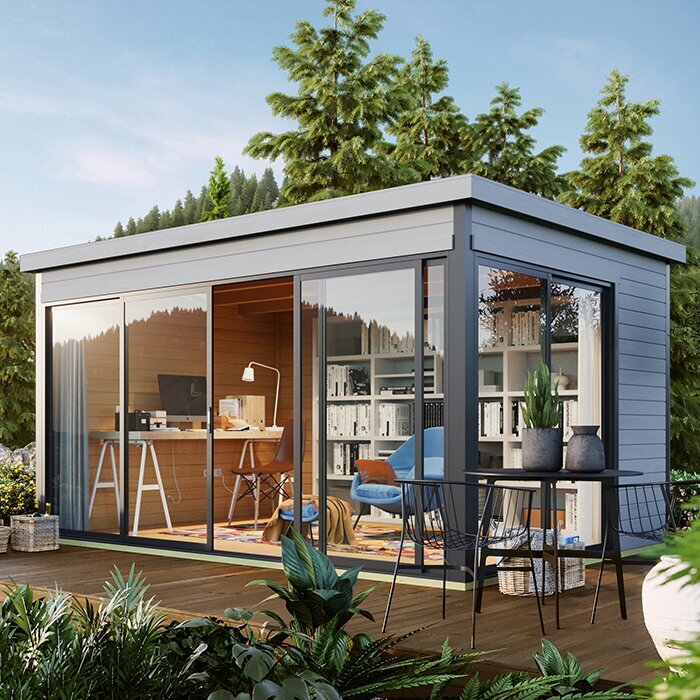
Begin by describing the real use rather than calling the building a shed, studio, or guest space if people will sleep there. Tell the relevant local office whether stays would be occasional or recurring, how many people may sleep there, and whether you expect use in one season or throughout the year. Frequency and duration are useful context, but do not assume that a single night automatically falls outside applicable rules. Authorities may classify uses differently, and the building’s original label does not settle what happens on your property. Being precise now also helps you avoid asking a question that receives only a broad answer about ordinary garden storage.
Separate permission from suitability. Permission asks whether sleeping use is allowed at that location under applicable public rules and private property restrictions. Suitability asks whether the exact structure, foundation, service arrangements, and emergency provisions can support people sleeping there. Comfort is another question: a building can be allowed and still be unpleasant during cold, hot, damp, or noisy conditions. An affirmative answer to one question does not establish the others. Keep these decisions distinct in notes and conversations, so a low-cost purchase or appealing product description does not become an expensive retrofit plan. State the proposed use consistently to the seller, authorities, and professionals you consult.
Confirm what use is allowed on your property
Ask the planning or building authority that serves the property how it classifies your specific overnight plan. Give the exact address and a plain-language description: a detached garden building, who would sleep there, how often and for how long, and whether electricity, heating, water, or wastewater are planned. Ask which office addresses land-use questions and which handles building, fire, health, or utility requirements; you may need answers from several departments. Ask what definition applies, what information the office needs, and whether any conditions would affect the use you described. A general answer about garden structures, a listing’s category, or a neighbor’s experience is not necessarily an answer about your property.
Check private restrictions separately, including HOA governing documents, lease conditions, or other property agreements where applicable. Determine whether they address overnight guests, detached buildings, utility connections, or construction changes; public approval and private permission are not interchangeable. Keep a dated record of your questions, responses, documents, and any conditions attached to a decision. If guidance is unclear, describe the plan again in writing and ask which office can give an authoritative interpretation. Do not treat an informal conversation, a small building footprint, or the absence of plumbing as proof that sleeping is permitted. Making this decision before ordering is easier to plan around than requesting a change after installation.
Ask what the exact building is designed to support
Read the product description for what it actually establishes, then look for manufacturer documentation about intended use. A listing may identify a garden house without saying it is designed or documented for sleeping accommodation, and images cannot fill that gap. Ask directly whether the exact model and configuration support the occupancy and seasons you have described, what conditions or adaptations are required, and which uses are excluded. For example, Verdana 1 garden house is a product identity to investigate, not evidence of residential or overnight suitability. Get answers tied to the precise model, selected options, and assembly instructions rather than relying on a broad verbal assurance or an undocumented feature description.
Request the information needed to assess the building: relevant structural design details, foundation and anchoring requirements, weather-performance information, door and window details, and any insulation or ventilation data that is available. Ask which information applies to every configuration and which depends on the components you select. The goal is not to judge a wall or roof by appearance, but to compare documented limits with local conditions and intended use. If the manufacturer cannot provide a detail, ask a qualified building professional what can be assessed independently and whether planned modifications would change the assessment. Do not infer ratings, construction layers, or year-round capability from photographs, model numbers, or a category name.
Check the site, foundation, and weather exposure
Even a suitable product needs an appropriate site. Check whether runoff collects where the building will stand, whether the ground stays wet, how drainage is directed, and whether nearby trees, neighboring structures, or open exposure affect wind, falling branches, or safe access. Record conditions in different seasons rather than judging the spot on one dry afternoon. Moisture, movement, and exposure can affect the building’s condition and the reliable operation of doors, windows, and services. Ask the manufacturer or installer which site conditions the building is intended to accommodate, and compare that guidance with the findings of a site assessment.
Obtain the exact foundation and anchoring requirements and have a qualified installer or engineer assess whether the proposed base is suitable for the site and local loads. Do not choose supports by copying a neighbor’s shed or guessing from dimensions; soil and exposure vary. Compare the documented requirements with the site assessment before ordering, and account for the finished floor level at the entrance. A page such as Verdana 2 garden house identifies a catalog model but does not, by itself, provide a foundation design, wind or snow limits, or approval for overnight use. If a required assessment or manufacturer detail is missing, pause the purchase rather than filling the gap with an assumption.
Plan safe access and emergency exits
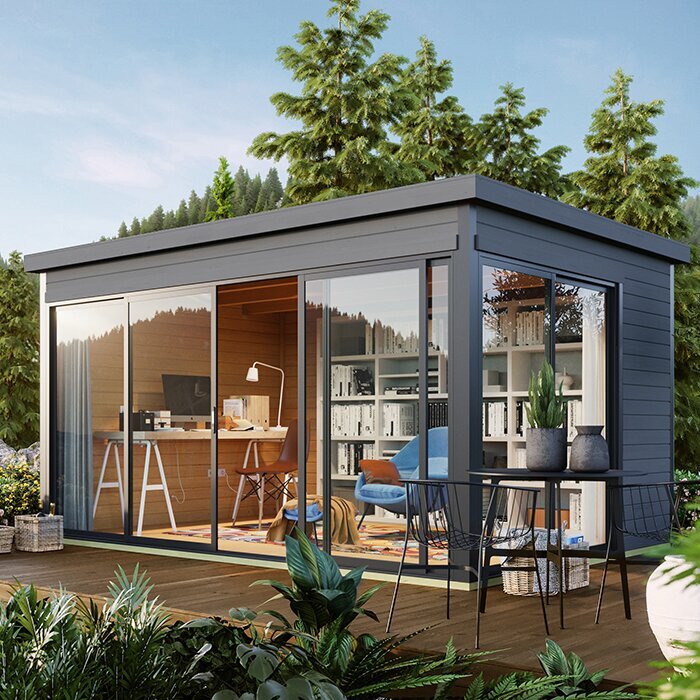
Think through a person’s route at night: from the home or parking area to the entrance, across any steps or uneven ground, and back out in an emergency. The path should remain usable in expected weather, with any lighting, handrails, or other access features planned by a qualified professional where needed. Inside, consider whether an exit can be reached from the sleeping area without moving furniture and whether a door can be opened from inside as intended. Ask the relevant local building or fire official what openings and escape provisions must meet. Do not assume that a window, sliding panel, or large glass area is an acceptable emergency exit simply because it looks wide.
Review smoke and carbon-monoxide alarm needs, fire separation, emergency lighting, and evacuation arrangements with local officials and qualified professionals, especially if heating or cooking appliances are planned. Exact requirements depend on the building, equipment, and local rules, so avoid borrowing a checklist made for another property. Explain how many people may sleep there and how they will be alerted and reach help. A model page such as Durano garden house can identify a building to discuss, but neither a product picture nor an opening shown in it confirms whether an exit, alarm, or assembly meets a safety requirement. If a route or requirement is uncertain, resolve it before anyone sleeps there.
Treat utilities and heating as separate projects
List each service you expect to use: electricity for lighting or charging, a form of heat if needed, potable water, wastewater handling, and communications. None is automatically included just because a building is used overnight. Ask what the product can accommodate, what changes are allowed, and whether routing a service affects the structure or its documentation. Have electrical, plumbing, and heating work designed and completed by appropriately qualified professionals, with any required review handled through the relevant local process. A page for Veltor 1 garden house is a product reference, not proof that a particular connection is supported. Confirm where each service would come from and who would be responsible for its ongoing maintenance.
Heating needs particular caution: a heater, fuel source, flue, or extension lead cannot be selected safely by judging available floor space. Have a qualified professional assess the proposed equipment, ventilation, clearances, and controls, and follow applicable official requirements. Do not improvise a connection or introduce an appliance without that assessment. Consider what happens if power fails and whether the building can remain dry and secure without unsafe workarounds. If there is no convenient water or toilet access at night, decide whether a lawful and practical arrangement exists before treating the building as guest accommodation. Put these service questions in the design and budget rather than leaving them as late additions.
Assess seasonal comfort and ventilation
Comfort in more than one season depends on the complete enclosure, not on a single advertised feature. Ask for documented information about the roof, floor, walls, glazing, seals, insulation, and ventilation, including any stated limits on exposure or temperature. Determine whether those details apply to the exact configuration you would order and whether finishes or retrofits are additional. The Orello 1 garden house product name alone cannot establish insulation, weather tightness, or suitability for year-round sleeping. If the seller cannot confirm a required performance point, have a building professional review the available information before comparing the building with a purpose-designed sleeping space.
Ventilation belongs in the assessment, especially if a small enclosed room will be occupied overnight. Ask how fresh air is provided in the intended configuration and how moisture is managed; a window that opens may help with airing but does not automatically demonstrate a designed ventilation solution. Check privacy from neighboring windows, streetlights, and views, as well as summer sun and noise, because curtains or blinds can affect light and airflow. Think through ordinary routines such as changing clothes and keeping bedding dry. If comfort depends on additions, include their cost and compatibility in the purchase decision rather than assuming they can be fitted later.
Plan the sleeping layout around usable space
Measure the usable interior area from manufacturer drawings, not only the outside footprint. A sleeping arrangement must leave practical access to the entrance and any required exit, as well as room for bedding, luggage, and essential furniture. Account for roof slopes, posts, door swings, window openings, and any lining or insulation that would reduce interior space. Check the dimensions of the actual bed or mattress before choosing furniture, then draw a simple layout showing clear routes. A listing such as Modano 1 garden house can help identify the model under consideration, but its name is no substitute for a dimensioned plan or confirmation that sleeping use is allowed.
Consider the full night, not just bedtime. Where will guests store coats and shoes, change, use a bathroom, wash their hands, and refill water? Is the route to those facilities clear, private, and manageable after dark or in poor weather? Consider who will use the room and whether steps, thresholds, or narrow passages are workable for those people; no single layout serves every guest. Decide whether you need indoor seating or can dedicate the floor area to a sleeping setup. These details can make a building practical for occasional use—or show that the arrangement is too inconvenient, even if the structure meets its other requirements.
Review the full project before ordering
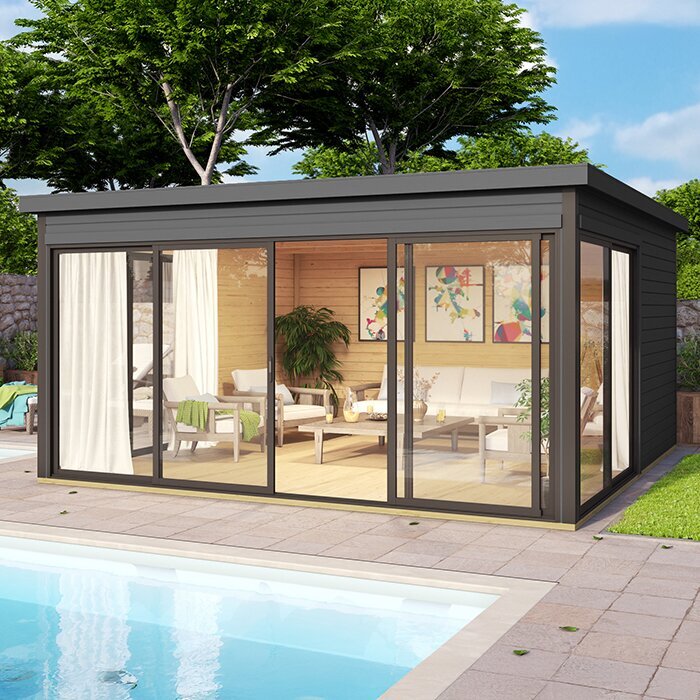
Before placing an order, assemble one file for the exact model and configuration: product documents, manufacturer answers, local responses, site assessment, professional advice, and a list of changes needed. Confirm what the purchase includes and excludes, how assembly is handled, what site preparation is required, and whether installation or finishing is a separate task. Ask in writing whether the stated configuration can be used for the purpose you described and whether later additions affect that answer. A Veltor 2 garden house listing may be one item in that review, but the key is evidence for the actual structure you will receive, not the name alone.
Price the complete project, not just the building: site preparation, foundation, professional review, assembly, weather protection, services, safety equipment, furniture, and access to sanitation may all require separate decisions. Request written estimates for work instead of assuming a basic order covers it. Check delivery access, unloading, storage, timing, and assembly arrangements in the retailer’s current terms; details can vary and should not be inferred from a photograph. Review applicable terms for changes, cancellation, or a delayed project before committing. This is not a prediction of extra charges; it is a way to understand what still needs to be arranged and budgeted.
Decide only when the evidence matches your plan
Write a brief use plan before deciding: who will sleep there, how frequently, in which seasons, what services are essential, and what the property authority and product documentation have confirmed. Compare each proposed building with that plan and mark every unanswered point, noting who can answer it. The Veltor 3 garden house is another named product page to assess in the same way; no model identifier or styling detail should be treated as approval for overnight occupancy. If your plan changes—for example, from occasional warm-weather guests to regular or cold-season use—repeat the relevant checks rather than assuming an earlier answer still applies.
Proceed only when the intended use is allowed, the building is documented and reviewed for the conditions it will face, and safety, services, access, and comfort have workable answers. If an essential point remains open, pause: choose a different permitted use, obtain further professional review, or consider a sleeping space designed for that purpose and allowed at your property. A garden house can be an appealing part of a yard without being a suitable place to sleep. It is more prudent to resolve unanswered questions before buying than to rely on a trial night to reveal what documents or officials could have clarified beforehand.
Frequently asked questions
Can I sleep in a garden house for just one night?
There is no universal answer. A one-night stay does not automatically fall outside local rules, and a short stay says nothing about whether the structure is suitable. Confirm the intended use with the authority for your property and check the exact building’s documentation before anyone sleeps there.
Does calling it a guest house make overnight use permissible?
No. A product label or informal name does not determine what uses are allowed. Describe the actual plan to the relevant local authority, and check any applicable HOA, lease, or property restrictions separately. Keep the answer tied to your address and the use you described.
What should I ask the manufacturer before ordering?
Ask whether the exact model and configuration are documented for your intended occupancy and seasons, what limits apply, and what information is available about the structure, foundation, weather protection, ventilation, and services. Request written answers, then have a qualified professional assess any gaps.
Can I add a heater, wiring, or plumbing later?
Do not assume that modifications are permitted or straightforward. Ask whether the structure can accommodate them, and have the relevant qualified electrical, heating, or plumbing professional assess the plan and any required local review before work or overnight use.
What if the garden house feels comfortable on a test night?
Comfort on one visit does not establish permitted use, safe access, weather performance, or suitability in another season. Resolve those questions through the relevant authority, building documentation, and qualified professional review; a trial night is not a substitute for those checks.
Use the answers about permitted use, the documented building, safe operation, and comfort to make the purchase decision. An unresolved permission or safety question is a reason to pause, not something to test with an overnight stay. If the property and building do not support the plan, revise the intended use before ordering or consider a sleeping space with the appropriate documentation and approvals.
