
How to Create Privacy in a Garden House Without Losing Natural Light
Garden house planning
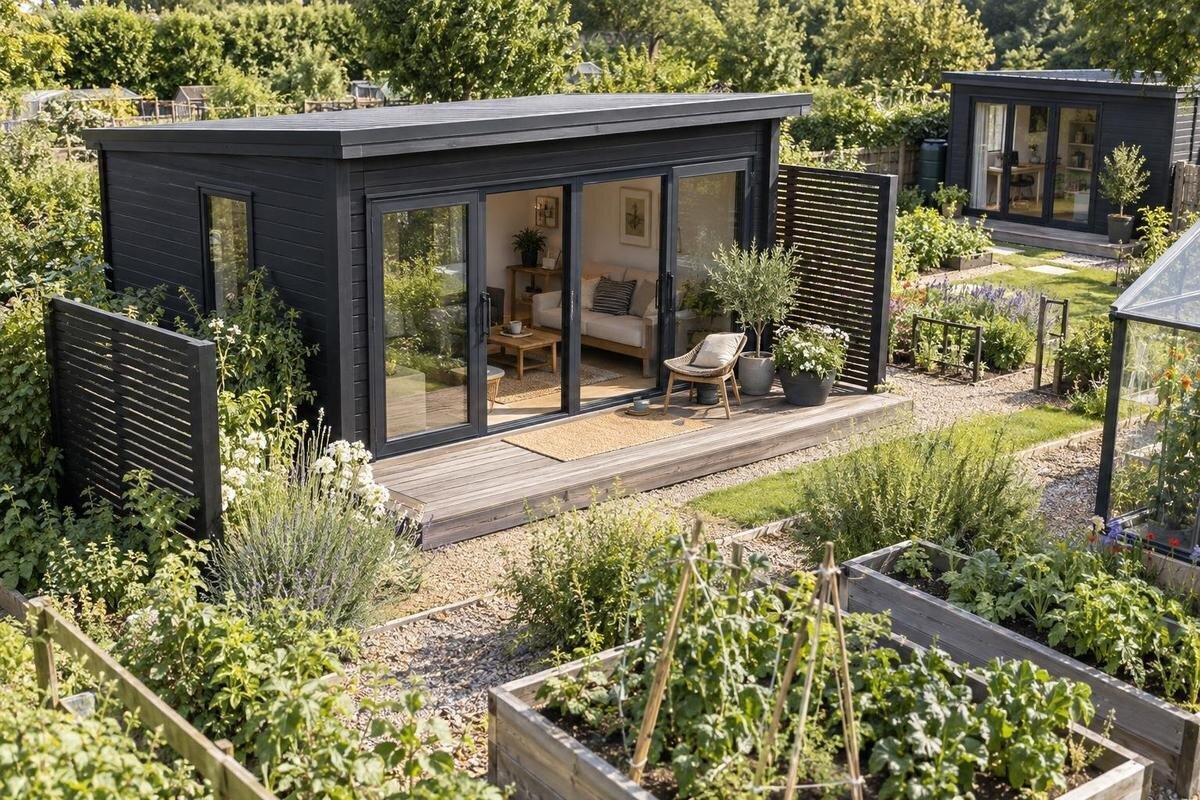
Creating privacy in a garden house is mainly a matter of controlling sightlines while deciding where clear glass, diffusing glazing and movable screens belong. A bright room does not require every wall to be transparent, and a screened window does not have to stay covered at all times. First map who can see in, from where and when; then compare window positions and glazing options against that map. Fixed choices made before ordering can be harder to change than curtains or a freestanding screen, so separate the design decisions that shape the structure from treatments you can adjust later.
Before you order 1
Map sightlines before comparing garden houses
Begin with the places from which someone might look toward the building: neighboring windows, a shared path, the street, a gate, or a raised part of the yard. Walk the proposed footprint rather than judging privacy from the spot where the structure would look most attractive. Check views from a seated chair or desk and from standing eye level; a low fence may block one view but leave another open. Mark the entry route and likely seating or work areas on a simple site sketch, then draw arrows for exposed directions and views worth preserving. Include diagonal angles from corners, since someone passing along a path may see through a side window that feels screened from the center of the yard.
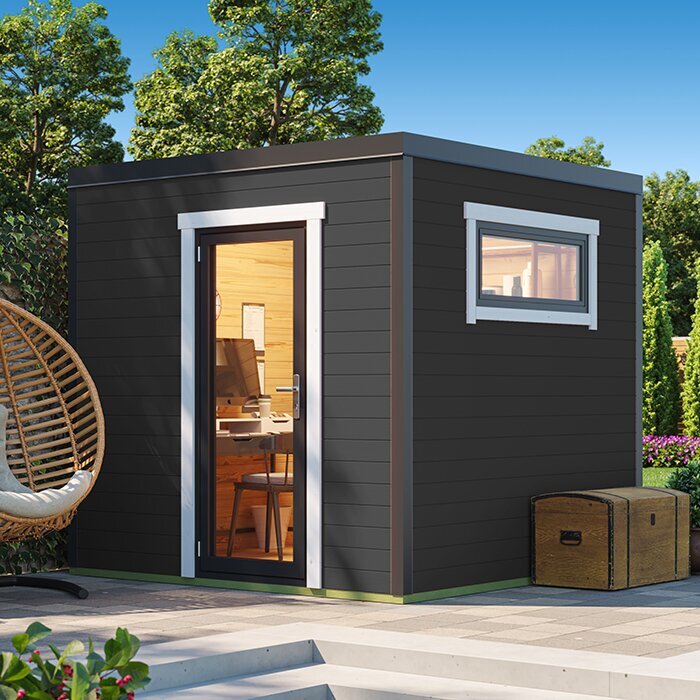
Repeat the walk at different times, and note seasonal changes such as thinner foliage, an open gate, or exterior lights that reveal the room after dark. Separate an occasional passing glimpse from a direct, persistent view into a work or relaxation area; each calls for a different level of screening. Add the Verdana 1 garden house page to your comparison only after matching its current plan to your sightline sketch. A model name or product photo does not confirm window positions, so keep unanswered layout questions on the list instead of assuming a convenient arrangement. This can help show whether you need a glazing change, a movable shade, or no extra barrier at all.
Observe daylight at the actual location
Natural light changes through the day, and nearby trees, fences, walls and buildings affect it as much as the window choice. Visit the proposed location in the morning, around midday and later in the afternoon if practical. Record where direct sun reaches, where the area stays bright without direct sun, and when shade moves across the footprint. If leaf cover changes substantially, consider how the site looks in a season when branches are bare as well as when they are full. A cloudy-day observation can help show how much light is available without direct sun. Notes on time and conditions are more reliable than memory of one sunny visit.
Use that record when comparing window layouts. A larger glass area is not automatically the best response if it faces a close walkway, while a small opening on a shaded wall may not distribute daylight where you need it. For the Verdana 2 listing, put documented opening positions alongside the times you want to use the room; check the exact configuration rather than inferring it from another model’s images. Ask which walls can have windows, whether placement varies by option, and what is included in the configuration you are considering. The useful comparison is the balance of privacy, view and light at your site, not a guess based on glass area.
Before you order 2
Place windows toward useful views
Window placement shapes both what you can see from inside and what others can see from outside. A window facing a distant tree line or an enclosed part of the yard may give a useful outlook; one facing a neighbor’s patio can create a direct sightline even when the rest of the room feels secluded. Consider the height and width of transparent glazing, the angle of the approach, and whether the room is used while seated. Raising a window can reduce some eye-level views, but it may also remove a useful outlook or daylight from a desk. Assess both effects rather than treating height as a universal fix.
If product plans offer alternatives, compare the same room with glass on different walls and sketch the view from a seat as well as from the path outside. Preserve clear glazing where the view is worth keeping; use solid wall area for shelving or storage when that better suits the layout. For the Durano garden house page, use current drawings or ask the seller to confirm opening positions before assigning furniture or screens. Do not infer a window arrangement from a product photo, title or the layout of a similarly named model. Record the configuration you are comparing so the privacy plan matches the right set of openings.
Choose glazing for the privacy you need
Clear glazing gives an unobstructed view but offers little visual separation when the room is lit and it is dark outside. Frosted, patterned or otherwise obscured glazing can admit daylight while softening shapes and blocking a sharp view; the result depends on the specific product, viewing angle, distance and lighting on each side. It also replaces a clear outlook with a blurred one. Decide whether you only want to soften a passing view or need to prevent a clear view into a particular area, then look for information about that exact effect rather than relying on a general label such as privacy glass. That distinction matters when you want to preserve a view from part of the same wall.
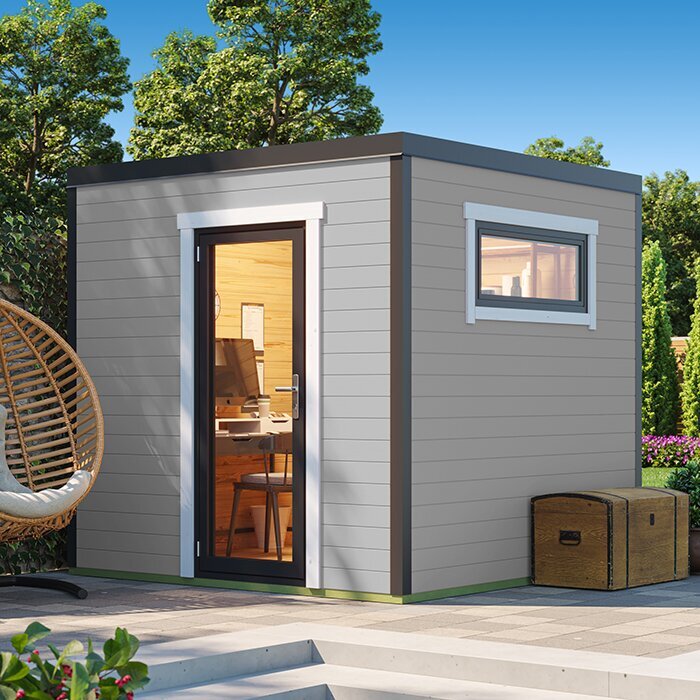
Whenever possible, assess a sample from both sides in daylight and after dark with the interior lit, at the height and angle that concern you. A catalog image cannot reliably show how much detail remains visible, and a privacy claim does not specify the amount of daylight or clarity you will retain. Some designs may combine clear and obscured sections, but do not assume that mix is available. Check the actual glazing details for the Veltor 1 product page or ask the seller to identify the exact option before building the rest of your privacy plan around it.
Before you order 3
Use adjustable window coverings where needs change
Adjustable window coverings suit spaces where privacy needs change during the day. A roller shade or blind can cover a direct sightline during a meeting or when the room is lit after sunset, then open to restore a clear view. Curtains can soften a room without changing the glass itself; a sheer layer may reduce visibility in daylight but usually is not a dependable night-time privacy barrier. A top-down/bottom-up shade, if available and compatible with the window, can cover the lower view while leaving upper glazing open. Treat each option as a tradeoff between light, view, coverage and ease of opening. If you expect to adjust it often, consider how easily it can be raised or drawn.
Before choosing a treatment, identify the window type and how its sash or door moves; a covering must not obstruct the opening or make a handle difficult to reach. Consider where a track or shade would sit, whether full-width coverage is needed, and how the room will look when the treatment is drawn. Use the Orello 1 listing only after confirming its actual opening layout in the current product information; then compare suitable coverings by how much clear glass they leave exposed. If details are not shown, ask for them rather than guessing from the image. This makes it easier to choose a treatment that fits both the opening and the way you use the room.
Screen outdoor views without shading the whole window
Outdoor screening can block a particular line of sight while leaving other windows open to daylight. A slatted panel, trellis, hedge or carefully placed planting may work better than covering the entire glazed wall, but each has a different light effect. Slats can admit light and air yet leave diagonal views through gaps; a dense screen can cast shade, especially when close to a window. Walk the observer’s likely route and check angles from standing and seated positions before deciding how much of the opening needs screening. Consider how far a screen will sit from the glass and whether you want to preserve an outlook through it.
Plants take time to fill in, and their screening changes with growth, pruning and leaf cover; their eventual height and spread matter more than the size of a young plant. A trellis or screen can provide a more immediate boundary, but its placement and appearance should fit the garden house and leave window access practical. Compare the Modano 1 product page with your site sketch to identify which exterior views would need a separate screen, using the confirmed window plan rather than assumptions from the photograph. If a screen attaches to a structure or requires specialized work, have a qualified professional assess the design.
Before you order 4
Arrange the interior around exposed sightlines
Furniture layout can reduce exposure without changing the garden house itself. Place a desk, reading chair or work surface so that the person using it is not directly framed by a window facing a path or neighboring seating area. Try the arrangement on paper and check it from the same outside viewpoints mapped earlier; a small shift in angle can change what is visible. For a shared room, note which activity needs the most visual privacy and whether it happens at a particular time. Keep clear access to the entry and windows, and avoid solving one sightline by placing a tall cabinet where it blocks the daylight you were trying to keep.
Use solid wall sections for storage or equipment and reserve clear glazing for views that add value. If activities need different privacy levels, zone the room rather than applying the same opaque covering to every window: an exposed desk can have a partial screen, while a chair facing the garden keeps the brighter view. Consider the Veltor 2 listing alongside your furniture sketch, but rely on current measurements and drawings to establish what wall space is available. Do not assign a specific use to a model until its floor plan and openings are confirmed. This helps you judge whether the selected layout can support both the work area and the more open part of the room.
Plan privacy for glazed doors and entry views
Glazed doors and broad window openings deserve a separate sightline check because people may look straight through them from an entrance, path or sitting area. Trace the view from the approach to the deepest visible point indoors, not just the strip immediately beside the door. If the opening faces a private side of the yard, clear glass may serve the view well; if the entrance faces neighbors, consider an angled route, a movable covering or screening outside the direct axis. Check that a proposed screen will not make the entry awkward or interfere with the opening’s use.
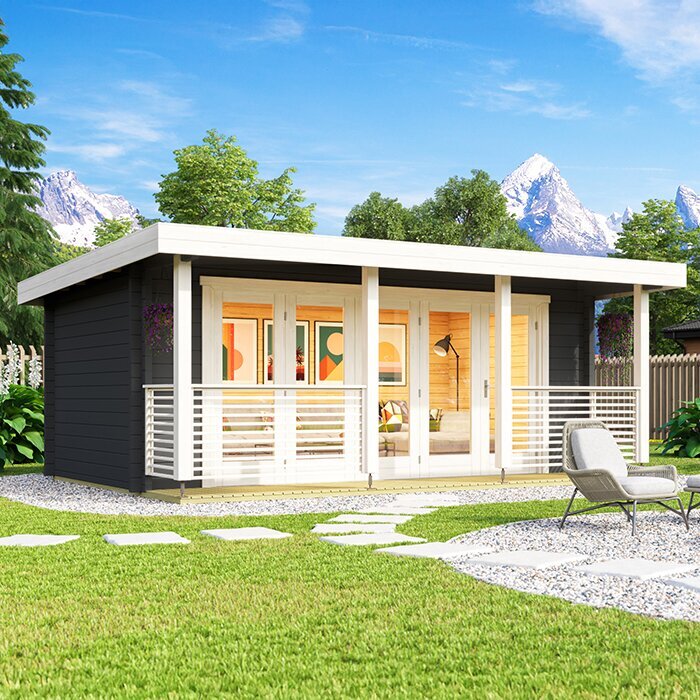
Large glazed areas can bring daylight into the room but make the interior more visible at night when lights are on. Plan a treatment that can cover the exposed area fully when needed, and decide whether it needs to be closed daily or only occasionally; that affects whether a simple curtain or a more convenient adjustable system makes sense. On the Veltor 3 page, confirm whether the configuration you are considering includes doors, windows or other glazed openings and where they appear in the drawings. Product names and photographs alone are not enough to plan privacy around.
Before you order 5
Check the exact configuration before ordering
Before ordering, compare the exact model and configuration rather than treating a family name or product image as a complete specification. Make a short table with window locations, glazing type, door or opening positions, and any optional privacy-related choices stated in the current listing or product documents. Note which details are confirmed, which are described as optional, and which are not provided. The drawing should match the model you intend to purchase; if a page uses a representative image, do not assume every pictured element belongs to the selected configuration. This comparison helps show whether your light and privacy needs can be met without post-purchase changes.
Ask the seller targeted questions before placing the order: Can the window layout face a different side? Is an obscured pane available? Are screens or coverings included, or are they separate purchases? Which document describes the chosen configuration? Keep the answers with your purchase notes and make sure the order identifies the same options you reviewed. Read the item descriptions so a suggested treatment is not mistaken for something supplied with the garden house. If a change involves the building’s structure or a nonstandard opening, ask what professional input is required rather than improvising a modification.
Test the layout before committing
Before committing, make a simple mock-up of the planned footprint and test the important views. Mark corners on the ground with string or temporary markers, then stand and sit where the windows and main activities are planned. Hold a translucent sample or temporary screen at approximate opening positions to judge how much view remains and where daylight reaches; this will not replicate the finished glazing exactly, but it can expose an obvious sightline problem before ordering. Repeat the check from the path, neighboring boundary and entry approach rather than judging only from indoors. Note the time and weather so you can compare observations fairly.
Repeat the check at different times of day and, if night-time privacy matters, with the room lit and someone looking in from the exposed direction. Record the choices you prefer: clear glass toward a useful view, obscured glazing or a shade at a direct sightline, and exterior screening only where it intercepts that view. Take the list back to the product drawings and confirm each feature for the exact model and configuration. If the layout does not meet your needs, revisit the window placement or screening plan before ordering. The result is a buying brief that protects daylight deliberately instead of covering every window by default.
Frequently asked questions
Will frosted glazing keep a garden house bright?
It can admit daylight while obscuring a clear view, but the amount of light and privacy depends on the specific product and viewing conditions. Check a sample or product details from both sides, including after dark with the interior lit.
Does reflective window film provide privacy at night?
Reflective films often rely on one side being brighter than the other. When it is dark outside and the interior is lit, the effect can diminish or reverse. Follow the film maker’s guidance and consider a shade or curtain if you need privacy after dark.
Are sheer curtains enough to block outside views?
Sheers can soften views while letting in some light, but they may not conceal a room reliably, especially when the interior is brighter than the outdoors. Test them in the conditions when you need privacy most.
Can plants create privacy without making the room darker?
They can screen selected views, but the result depends on their placement, growth and seasonal foliage. Consider their eventual size and the shadows they may cast, and avoid relying on young plants for immediate coverage.
What should I confirm before ordering a garden house?
Check the window and door positions, glazing details, available options and the exact configuration shown in the product documents. Ask which privacy-related items are included and get clarification on any detail that is not provided.
The strongest privacy plan is selective: keep transparent windows where a view adds value, soften only the exposed sightlines, and use adjustable coverings for changing conditions. Once the layout works at the actual site in daylight and after dark, choose the garden house configuration that supports that plan—not the one with the most glass or the most screening.
