
Hot Tub Covers: What to Check Before You Buy
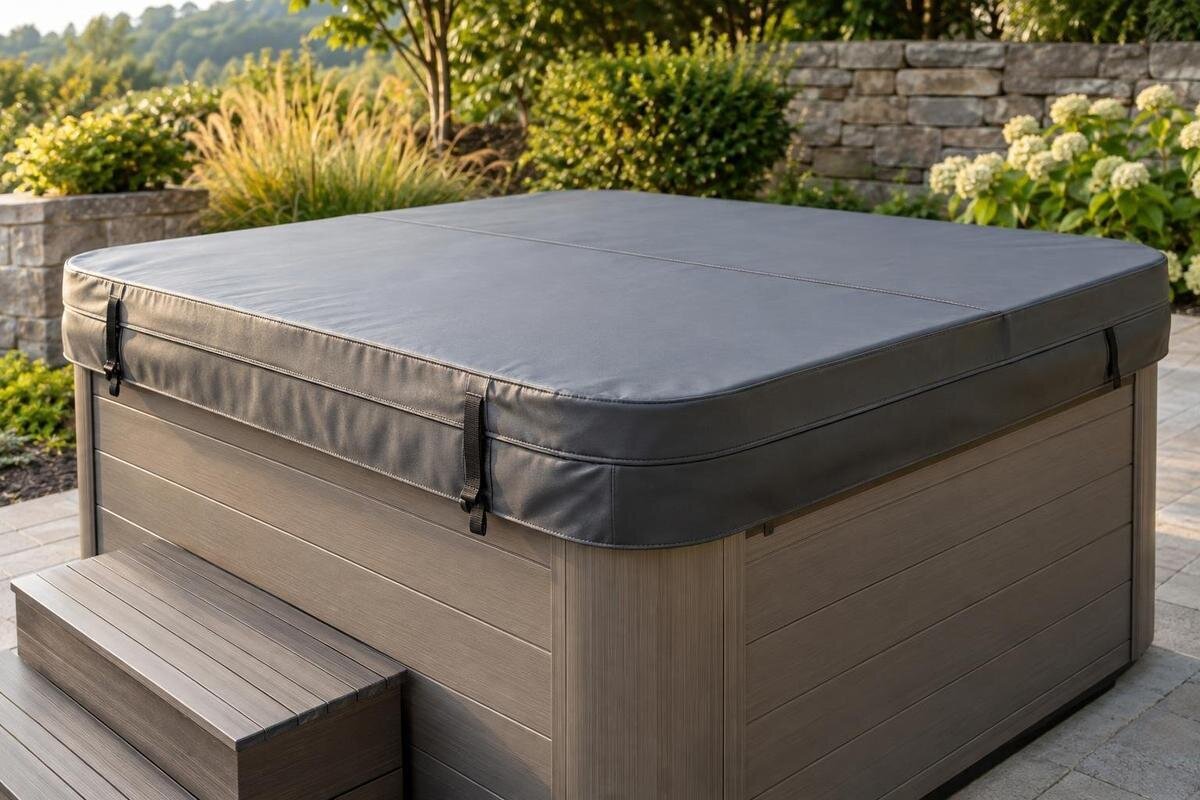
HOT TUB COVER BUYING GUIDE
Choosing a hot tub cover is a fit and use decision, not a matter of matching a rough outline. The cover must correspond to the surface it rests on, the tub’s shape and orientation, and the fastening arrangement; it also needs construction and handling details that make sense for the location and the people who open it. Before ordering, collect model-specific documentation, measurements, and photos, then ask the supplier to confirm the exact cover being quoted. A tub name or image alone cannot establish dimensions, compatibility, included accessories, or warranty terms.
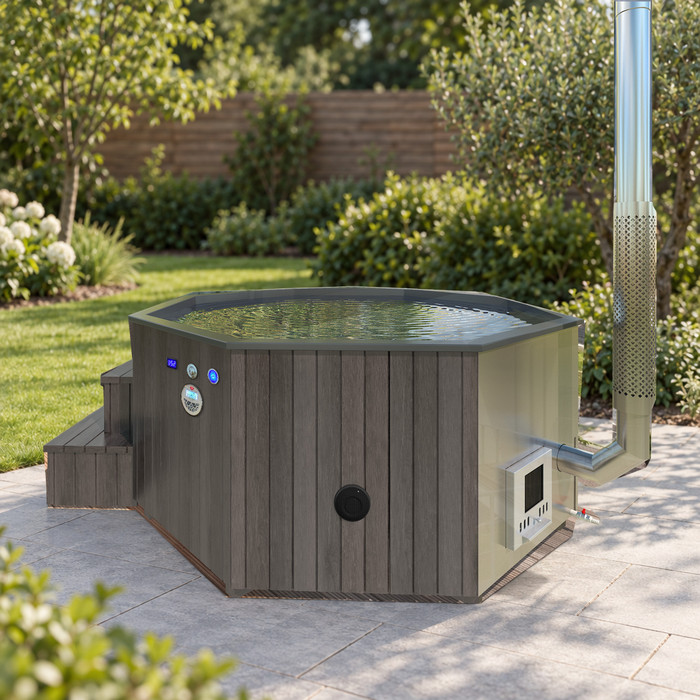
Pre-purchase checklist 1
Identify where the cover rests
Start by identifying the surface the cover is designed to rest on. That may not be the same as the water opening or the tub’s widest outside dimension. Ask the supplier for its measurement diagram and confirm the reference points: for example, whether the requested measurements run across the rim or another specified part of the tub. Also check whether the supplier wants tub measurements or finished cover dimensions. The numbers can look reasonable and still produce a mismatch if they refer to different edges. Label these reference points on your sketch so anyone reviewing the order can tell exactly what you measured.
Length and width alone may not describe the fit. The outline, corner shape, hinge position, taper, and any overhang or skirt can affect how a cover sits and opens. Two tubs with similar-looking footprints may have different details, so avoid ordering based on a rough visual match or a guessed allowance. Follow the supplier’s measurement method exactly. If its instructions do not make clear where to measure, get that clarified before sending dimensions or placing an order.
Measure from the supplier’s reference points
Use the cover maker’s measurement guide rather than copying dimensions from a photograph or estimating from the tub’s general description. If you are identifying a tub such as Bloomcabin Hot Tub Cove 2, include its exact product name in your inquiry, but do not treat the name as a measurement. Ask the supplier to state which parts of the tub the requested numbers describe and how those numbers will be used to determine the cover size.
Record each dimension in the units the supplier requests, and label what it measures on a simple sketch. For a shape with more than two straight sides, curves, or an uneven outline, ask whether the supplier needs additional measurements, a template, or specific photographs. Do not round measurements or add extra space unless the supplier’s instructions say to do so. Include a clear view of the tub and the surface supporting the cover if requested, but use the written dimensions and the supplier’s method as the basis for the order. Before submitting the record, check each number against its label and unit. If you send a correction later, clearly identify the revised measurement and ask the supplier to use the updated record rather than leaving two conflicting versions in the order.
Pre-purchase checklist 2
Record the shape and orientation
A useful measurement record shows more than the overall footprint. Mark the front or another agreed reference side, the hinge line, and the location of any straps or clips already in place. Note whether the outline is rectangular, round, oval, polygonal, or irregular; for corners and curved sections, ask how the supplier wants those details documented rather than estimating a radius. A plan-view sketch with each side labeled can prevent left-right or front-back confusion when a tub is not symmetrical. Use the same reference side in every photograph and drawing. If you want a different opening direction from the existing cover, distinguish that preference from the current arrangement and ask the supplier whether the proposed cover can accommodate it.
An existing cover can help you explain the hinge direction or unusual shape, but do not use it as the only template. It may have changed shape, or it may not match the new supplier’s measurement conventions. Take photographs from directly above and from the sides if they help show the outline, then label the views and orientation. When discussing a tub such as Bloomcabin Hot Tub Haven 6, use the model name to identify it, while supplying the requested shape and orientation details separately.
Get model-specific compatibility in writing
Ask for confirmation that the proposed cover fits the exact tub model and version you own or intend to buy. If available, provide the model identifier from your order confirmation or product label, along with the relevant manufacturer drawing or manual. A generic description such as round or rectangular is not enough to establish compatibility. Request the cover’s product identifier and ask which tub outline, hinge arrangement, and measurement reference support the claimed fit. The response should identify the cover being offered, not simply say that the seller supplies covers for that brand. If the quote offers alternative covers, ask for each option to be identified separately so a fit confirmation for one is not mistaken for confirmation of all of them.
For a tub identified as Bloomcabin Hot Tub Fjord 8, the product name helps the seller identify the tub, but it does not verify cover dimensions or included accessories. Ask whether a cover is included in the tub order or is a separate purchase, and get the answer in writing. For a replacement, ask whether the proposed cover is confirmed for your exact version, rather than assuming a model name or an older cover guarantees a match. If the supplier cannot confirm compatibility, resolve that point before ordering.
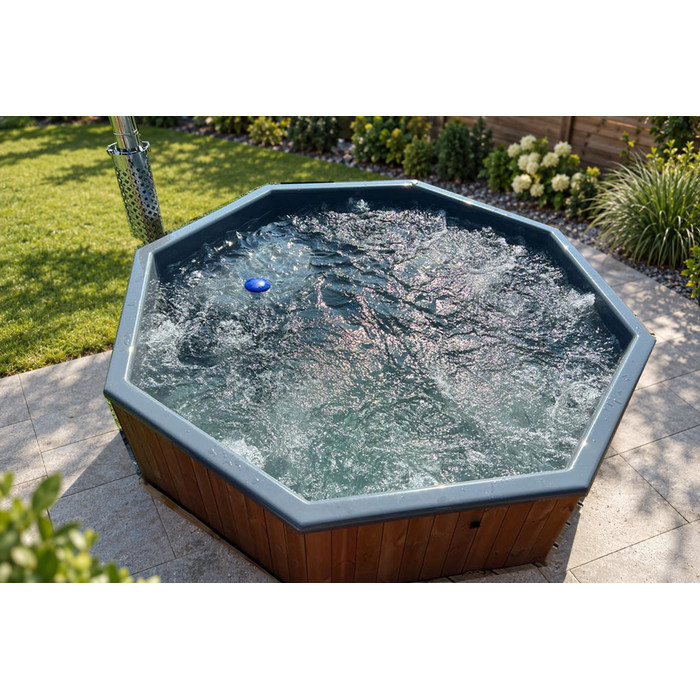
Pre-purchase checklist 3
Check fasteners and attachment options
Fastening arrangements differ, so ask what the quoted cover uses and what comes with it. Confirm the type and position of straps, clips, or other attachment pieces; whether they adjust; and whether compatible receiving hardware is included or must be supplied separately. If the tub already has attachment points, photograph and label their locations relative to a fixed side. Do not assume that replacement straps will line up with existing hardware, or that hardware for one cover design will work with another.
Consider how exposed the tub is to wind and how you expect to secure the cover when it is closed. Ask the seller for the attachment instructions and any limitations for the specific cover, rather than adapting fasteners or mounting points by guesswork. When asking about Bloomcabin Hot Tub Aurora 10, or any other tub, identify the exact model and request confirmation of the appropriate arrangement. Lockable fasteners do not automatically make a cover a safety barrier; check site-specific access needs separately.
Compare materials and construction details
Ask for a description of the exact cover being quoted, including the exterior material and any stated information about its internal construction, seams, hinge, edges, or reinforced areas. These details can help you compare two offers without assuming that similar appearance means similar construction. Find out whether a listed feature applies to the whole cover or only one component. If the description uses broad terms such as heavy-duty, ask what specific material or construction detail the term refers to. Organize your comparison by component: exterior, interior, hinge, edges, and attachments. Record the supplier’s description for each, leaving an unanswered item marked as unknown rather than treating it as equivalent to another offer. This keeps a detailed specification from being compared with a marketing label as though both provide the same information.
A label such as weather-resistant does not explain which conditions or parts it covers. Ask what written performance information is available, what limitations apply, and whether the warranty treats the exterior, seams, hinge, or fasteners differently. Keep the tub listing separate from the cover’s specification: the Cove 2 model page identifies a tub, not the materials or construction of a separate cover. Compare documented details for the actual cover you may buy, not assumptions based on a model name or product photograph.
Pre-purchase checklist 4
Check cover handling and lifter clearance
Think about who will open and close the cover most often, and ask for the weight and handling information for the specific cover design. Do not infer weight from the tub’s name, dimensions, or number in its model name. Find out how the cover folds, where it can be gripped, and how much room is needed to move it aside. Ask the supplier to explain the full opening and closing sequence, including how the cover reaches its storage position. Consider whether the person using it will have to reach across the tub, move around steps, or pass through a narrow space. These are questions about your layout, not just the cover’s weight. If help is required, decide whether another person will reliably be available whenever you use the tub.
If you are considering a cover lifter, check it as a separate compatibility question. Ask whether the lifter is designed for the exact cover and tub arrangement, what clearance its operation needs, and where it attaches. A tub’s product identity does not establish the dimensions or clearances required for a lifter. When discussing the Haven 6 hot tub with a supplier, provide the precise model information, then ask them to confirm the fit and operating space for the cover and any proposed handling accessory. Include nearby walls, railings, steps, or other obstructions in your layout sketch. Check both the space needed while the cover moves and the space it occupies once fully open.
Consider the weather where the tub will sit
Describe the exposure at the tub’s actual location: direct sun, wind, rain, falling leaves, snow, ice, or other conditions that may matter there. The same general area can have sheltered and exposed spots, so a broad description of your region may not tell the supplier enough. Ask which conditions the quoted cover is intended for and whether there are documented limits or care instructions for the weather you expect. Do not treat a general all-weather description as a substitute for specific guidance.
Ask what the manufacturer recommends after snow, ice, or standing water, and whether any conditions require special care. Do not infer that a cover can bear a person or a particular load from its appearance, thickness, or a marketing phrase. When seeking a cover for the Fjord 8 hot tub, describe the exposure at its planned location and ask for guidance for the specific cover offered. Make the question practical: what would you need to do before opening it after the conditions you commonly experience? If the supplier has no written guidance for a condition that matters at your site, factor that uncertainty into your choice. Also consider whether you can carry out the stated care routine when the tub is not in regular use.
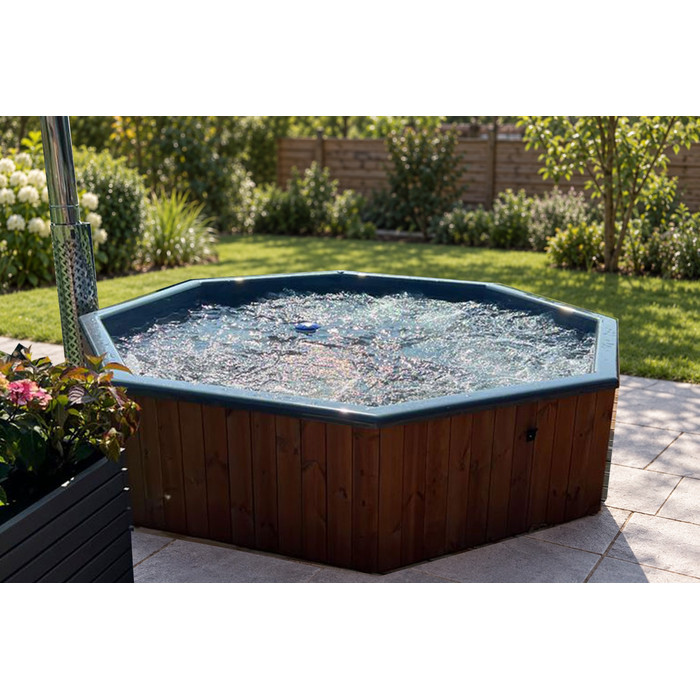
Pre-purchase checklist 5
Ask about care, repairs, replacement, and warranty
Request care instructions for the exact cover material before buying. Ask which cleaning methods and products are permitted, how the cover should be stored when it is off the tub, and what areas the manufacturer recommends checking over time. Do not assume that advice for a previous cover applies to a new one. It is useful to know whether the instructions address the exterior, hinge, seams, and fasteners separately, so routine care does not rely on guesswork. Choose a proposed storage spot before ordering, then ask whether that position and method are suitable for the cover. Consider access as well: the stored cover should not make it difficult to reach the tub or use the surrounding area. If the prescribed storage method does not work in your space, include that in your comparison of options.
Find out what repair options are available if a seam, strap, hinge, or other component needs attention, and whether replacement components can be ordered for the cover design. Ask about the written warranty: what parts it covers, how long coverage lasts, what exclusions apply, and whether labor or shipping is included. Do not assume replacement availability or warranty terms from the tub model name. Ask whom you would contact with a problem and what order information they would need to identify the cover. Also ask how to distinguish an issue that can be repaired from one that calls for replacement; do not assume every damaged component is separately replaceable. Keep these answers with the cover specification so you can compare the actual support offered for each option.
Pre-purchase checklist
Before ordering, gather the exact tub model and version; the supplier’s measurement diagram; labeled dimensions and reference points; a sketch or requested photographs; the shape and hinge orientation; and the locations of existing attachment points. Then add the proposed cover’s product identifier, written compatibility confirmation, fastening details, included hardware, construction description, handling information, and any weather guidance you need. For example, the Aurora 10 product page can identify the tub in your records, but the cover’s fit and specifications still need separate confirmation.
Before you approve the order, check that the written description matches the cover discussed and that you understand its care, repair, warranty, and handling instructions. Confirm what is included, and ask how the supplier handles a measurement question or a cover that does not match its documented fit. For a cover made to supplied measurements, clarify who reviews those measurements before production and what happens if an error is found. Ask about any applicable return or cancellation terms before authorizing the order rather than assuming they match those for a standard item. If any dimension, attachment point, compatibility statement, or important condition remains unclear, pause rather than filling the gap with an estimate. A complete order record makes it easier to catch a mismatch before the cover is made or shipped.
Frequently asked questions
Can I order a cover using the hot tub model name alone?
Use the model name to identify the tub, but not as a substitute for a fit confirmation. Ask the supplier to match the cover to the exact model and version, and confirm which dimensions and attachment details the match is based on.
Should I measure the old cover or the tub?
Use the old cover as a reference for orientation and shape, but measure the tub according to the new supplier’s instructions. An older cover may have changed shape or may not have been made to the same measurements the supplier requires.
Does a hot tub purchase automatically include a cover?
Do not assume that it does. Check the current included-items list and the written order, and ask whether a cover is included, sold separately, or specified as an optional accessory.
Do straps or locking clips make a cover a safety barrier?
Not automatically. Ask what the fasteners are designed to do, and do not treat a cover as a substitute for access protection that may be needed at your site. Check applicable requirements with the appropriate local authority.
What should I ask about a cover for snowy or windy conditions?
Ask for written guidance on the exact cover’s limits and care in the conditions at your location, including what to do after snow, ice, or standing water. Do not infer a load or weather rating from appearance or a general label.
Choose a cover that is documented to fit your tub and works with your fastening arrangement, available space, and daily routine. Keep the final measurements, cover specification, and agreed order details together, along with the care and warranty terms. The pre-purchase checklist is complete only when you understand both how the cover fits and how you will open, secure, store, and care for it.
