
Hot Tub Features Worth Paying For—and Which You May Not Need
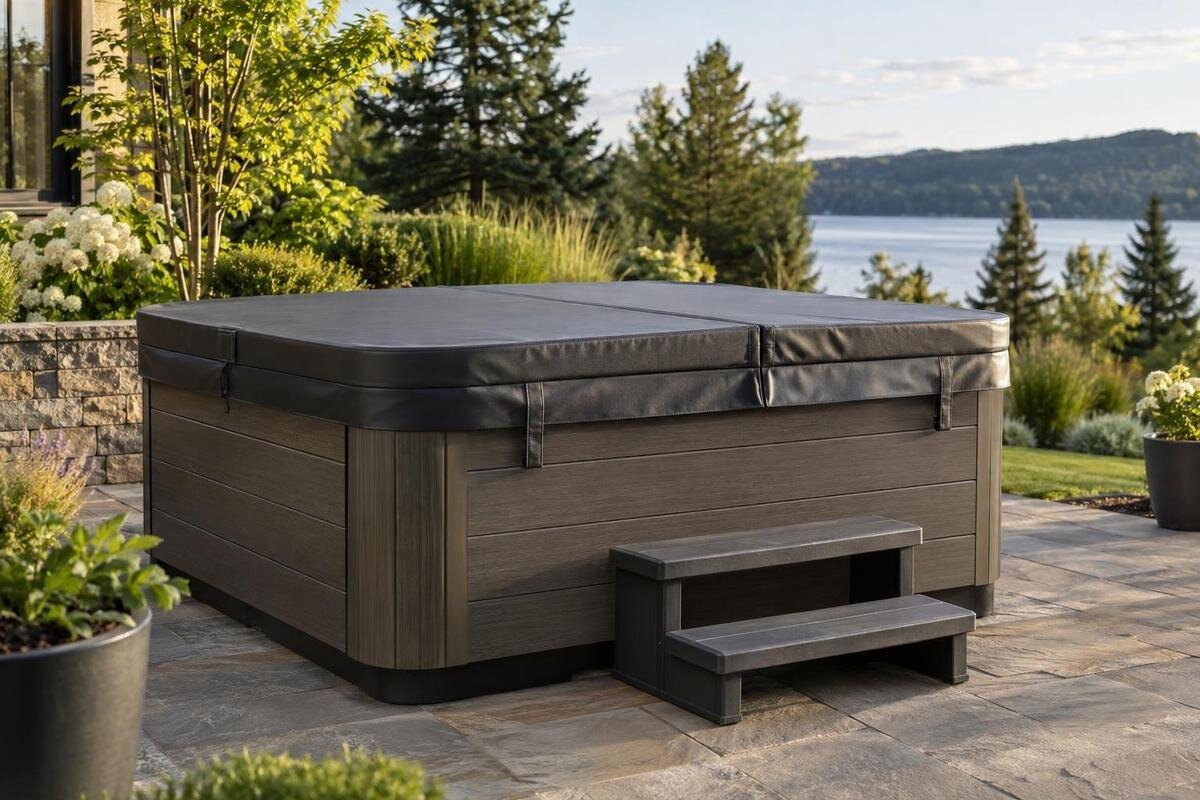
Outdoor hot tub buying guide
Hot tub feature lists can turn a simple comparison into a contest of jets, controls, lights, and labels. The useful question is not how many options a model advertises, but whether a particular upgrade improves the way you plan to use the tub enough to justify its added price and upkeep.
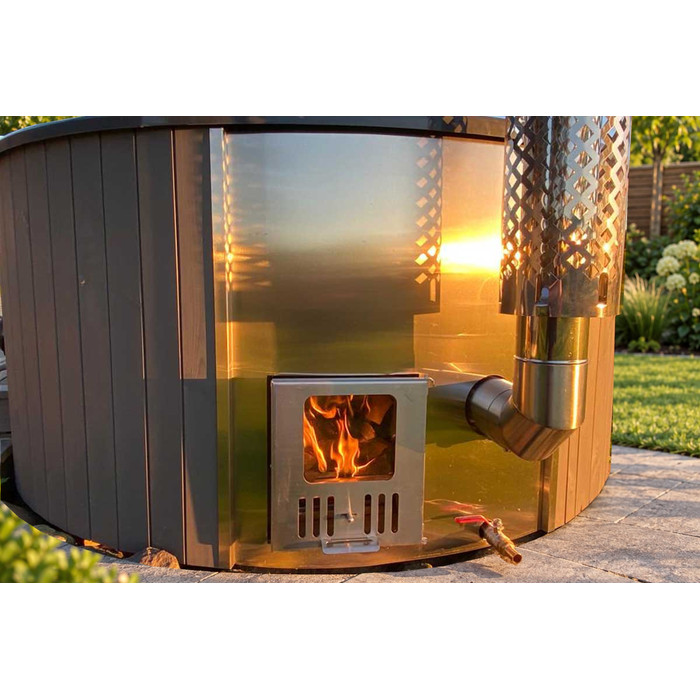
Which features fit your hot tub routine?
Before comparing a menu of upgrades, picture an ordinary month of use. Are you planning brief, frequent soaks, occasional weekends, or gatherings? Will the same person set the controls, or will guests need to understand them too? An option that affects nearly every visit deserves more attention than something that seems exciting during a demonstration but rarely comes into play. Write down the moments when a feature might matter: starting a session, adjusting water movement, enjoying the tub after dark, or handling routine care. This turns a vague promise such as “premium” into a practical test. If you cannot name when you would use an option, treat it as optional rather than a priority. Include both the people who enjoy the extras and those who handle routine upkeep in the conversation.
Then compare the feature’s added purchase price with the benefit you expect from it. Ask for the price difference between the exact configuration with the upgrade and a comparable, simpler setup; a package total alone can hide what each extra costs. Note any additional upkeep, replacement needs, compatibility limits, or recurring charges documented by the seller. A feature is more compelling when it solves a repeated inconvenience and its care requirements are clear. The model name does not establish what comes standard: if the Bloomcabin Hot Tub Cove 2 is on your shortlist, verify its included equipment and option prices in a current written listing or quote before scoring its features. Let your routine, not the longest feature list, set the priorities.
Jet placement, adjustments, and personal preference
Jets are easy to compare by count, but a number cannot tell you whether the sensation or available adjustments suit you. Ask how the jets are arranged, which controls affect them, and what can be changed in the exact configuration. If possible, try a comparable setup rather than trusting a count or a dramatic product description; preferences differ from person to person. Also check whether the advertised count refers to a particular option or package, since feature lists may describe different configurations. A higher count alone does not prove a better experience or a particular health outcome. Look for clear descriptions and details that let you compare like with like. If several household members will use the tub, ask what each person prefers before paying for a shared upgrade.
A jet package may justify its price when its documented settings match the experience you want and the controls are straightforward to use. It is a weaker purchase when you are paying for a headline number without a way to evaluate the result. Ask whether the option changes the control setup, care tasks, or documented operating requirements, and whether those changes apply to the whole package or only selected settings. If Bloomcabin Hot Tub Haven 6 is on your shortlist, request the current configuration details before treating any jet feature as included. A seller should be able to explain the setup without relying on count alone. If the exact arrangement is not documented, compare only what the seller can confirm in writing.
Controls for everyday tasks
Controls influence how often you use other features. Consider the tasks you expect to handle yourself: adjusting water movement, changing a setting, turning lights on or off, or checking instructions. A clear, direct interface may be better value than extra menus if you prefer straightforward operation. Labeled presets or a display can be useful when they perform a function you will use repeatedly, but don’t assume that one controller handles every feature or that different panels work alike. Ask to see or read the instructions for the exact configuration and check whether the functions you care about are included. If several people will use the tub, make sure each can handle the basic tasks comfortably.
A more advanced controller is worth considering when it saves repeated effort or gives you access to settings you regularly use, not simply because it looks more sophisticated. Ask which functions are on the panel, whether any require a separate option, and what remains usable if a remote or connected function is unavailable. If an app is involved, confirm what tasks it actually performs, what connection it requires, and whether you can do the same things at the tub. When evaluating Bloomcabin Hot Tub Fjord 8, compare its documented controls rather than drawing conclusions from the model name. A short demonstration can reveal confusing menus before you pay for them.
Lighting and connectivity solve different problems
Lighting can contribute to the atmosphere during evening use, so its value depends on when you soak and whether that effect matters to you. Ask what the lights illuminate, where they are placed, and how they are controlled; check whether colors or brightness can be adjusted if that matters. Don’t assume decorative lighting also illuminates nearby steps or the path to the tub, and don’t treat it as a substitute for appropriate surrounding lighting. Before choosing color effects, decide whether you want ambience, visibility within the tub, or both; those are not interchangeable. If you mostly use the tub in daylight, an elaborate lighting package may add little to your routine.
Connectivity is useful only when its confirmed functions fit a task you actually want to do remotely. The label “smart” doesn’t tell you what is available, how the system works, or what setup it requires. Ask whether it needs a home network, account, subscription, or separate controller; what happens when the connection is unavailable; and whether core controls remain local. Confirm compatibility with the precise hot tub package instead of assuming an app works with every configuration. If you’re considering Bloomcabin Hot Tub Aurora 10, look for written confirmation of the exact lighting or connected options you would pay for, rather than inferring them from the model name.
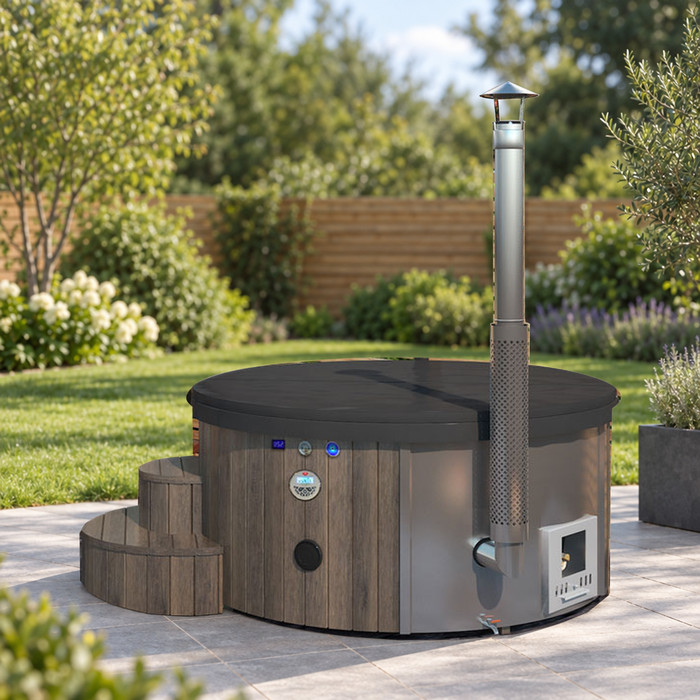
Filtration: look for clear care instructions
Filtration deserves a different test from decorative extras because its value is tied to routine water care. Ask what equipment is included, what the owner’s instructions require, how the filter is cleaned or replaced, and which replacement items or consumables are needed. A feature label alone doesn’t tell you how often work is required, what changes in your routine, or whether the system suits the care process described for that tub. Use the written care instructions rather than a broad claim such as “advanced filtration” to judge the effort involved. An upgrade may be worthwhile if documentation shows it makes a task you already perform easier, but you need specifics to compare.
Be wary of interpreting “less maintenance” as no maintenance or as a guarantee of lower supply costs. Ask which task changes, what must still be done, what parts or consumables need replacement, and whether an alternate system changes the recommended care routine. If those details are unavailable, value the feature as unproven convenience rather than assumed savings. When examining Cove 2’s product listing, ask for the filtration equipment and maintenance instructions that apply to the exact configuration, not just a general description. If water-care implications affect your decision, request the relevant instructions before purchase. Compare replacement needs and user effort alongside the initial upgrade price.
Insulation: ask for evidence behind efficiency claims
Insulation is often discussed in connection with retaining heat and reducing energy use, but a feature label doesn’t quantify either result for your household. Ask what insulation is included, whether the description applies to the complete tub or only a component, and what test conditions support any comparison. Outdoor temperature, settings, how often the tub is used, and other parts of the setup can influence actual energy demand. Compare like with like where possible; otherwise, a claimed difference may not isolate insulation. Without documented assumptions, don’t turn a marketing phrase into a savings estimate. Evidence matters more than adjectives such as “high-efficiency” or “premium.”
Pay extra only if written details make the claimed difference relevant to your use and let you compare it with a simpler configuration. If an estimate is offered, request its source, conditions, comparison product, and underlying assumptions; don’t treat an unsupported number as guaranteed payback. Check whether the described insulation is standard or an added option and whether the seller documents any care or operating implications. When reviewing the Haven 6 listing, distinguish the model’s identity from the insulation included in the quoted configuration. A clear answer should describe the option itself rather than rely on the model name or a general claim about hot tubs.
Convenience accessories and the tasks they simplify
Small convenience features can earn their cost when they remove a repeated annoyance, not simply because they are bundled with an upgrade. Consider aids for routine tasks such as handling a cover, reaching a control, or keeping common supplies organized; judge each against how often you do that task and who does it. If an accessory would help only on rare occasions, a simpler setup may be preferable. If it makes a repeated task noticeably easier, ask what it costs separately and whether it suits your routine. A product photo can suggest how an extra might be used, but it does not establish package contents or compatibility. Ask about storage between uses when that matters.
For every add-on, confirm whether it is included, separately priced, compatible with the exact configuration, and subject to its own care or replacement needs. Check the instructions to understand how it changes the task; a feature can shift work rather than eliminate it. When reviewing Fjord 8’s product page or any option list, describe the task an accessory would simplify in one sentence. Then decide whether you would still want it after seeing its price and upkeep. If the answer depends on a use you rarely expect, keep the upgrade off your must-have list. Convenience is personal, so avoid paying for a task someone else considers important if it doesn’t matter to your household.
Separate standard equipment from paid options
Feature menus can blur the line between included equipment and paid upgrades. Ask the seller for a written, itemized description of the precise configuration being quoted: the base model, every included feature, each optional add-on, and the price for each extra. If you have seen a display or photograph, ask whether the pictured items match the offered configuration. Compare the quote with the product listing and written order paperwork, and have any differences clarified before treating them as part of the deal. Terms such as “package,” “premium,” or “standard” aren’t enough unless the seller identifies what each term includes.
Keep compatibility in the same record. An attractive upgrade has little value if it cannot be added to the exact version you plan to buy or depends on another paid component. Ask which options can be combined, whether anything must be ordered with the tub, and whether a separate accessory is required. When reviewing the Aurora 10 listing, use the model name to locate the right item, then have the seller mark each feature as included, optional, or unavailable for that configuration. Keep the written answer with your quote so an inclusion doesn’t rest on a verbal assumption. This also helps prevent attributing a display feature or bundle detail to a model name alone.
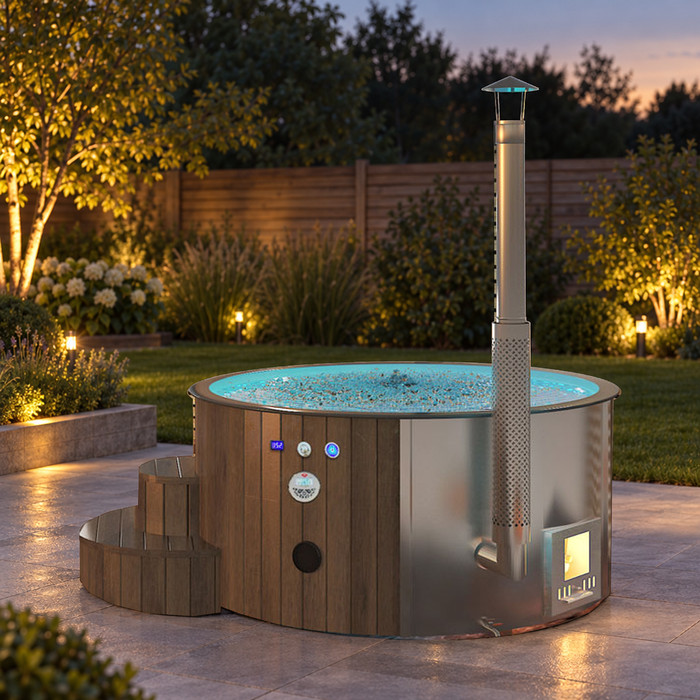
Compare the upgrade price, not the feature count
Compare the extra amount you would actually pay, not a package total against the price of an unrelated base configuration. Request the upgrade price and decide what benefit it buys in your routine. If you can estimate your likely use, use your own realistic frequency rather than a seller’s ideal scenario. This won’t produce a guaranteed financial return, but it can show whether you’re paying for something used often or only occasionally. Where an option is promoted as reducing operating expenses, ask for a documented calculation and its assumptions. Don’t subtract projected savings from the price unless the claim is explained and relevant to the configuration and conditions you expect.
A simple comparison table can keep the decision grounded. For each feature, record whether it is included or extra, its additional price, the task or experience it improves, any documented care or replacement requirement, and what evidence supports the claim. Add how often you expect to use it and whether a simpler option already meets the need. Compare the same package on each quote, not a basic setup on one side and a fully equipped bundle on the other. If documentation is incomplete, mark the feature “unknown” instead of assigning it a value. That makes it easier to see which upgrades solve a real problem and which mainly lengthen the list.
Must-have features and extras you can skip
Sort the options into three groups: features you would miss if they were absent, upgrades that would be pleasant at a clear price, and extras with no planned use. Put essentials first only after confirming they’re included or available, then rank convenience upgrades by frequency and practical effect. Jet adjustments matter if you want that specific experience; controls matter if they make recurring tasks easier; lighting matters if you value its effect during the hours you use the tub; connectivity matters if its confirmed remote functions fit your habits. Filtration and insulation deserve evidence about care or operation, not just a premium-sounding label. These are questions to weigh, not universal winners: one household’s priority may be another’s easy skip.
Review the shortlist with everyone who expects to use or maintain the tub, because the person paying may not be the one adjusting controls or cleaning filters. Where preferences differ, separate a shared priority from an extra that only one person wants. An occasional pleasure can still be worth buying, but treat it as a discretionary choice rather than an essential feature. If the preferred package costs more than you want to spend, work back through the optional items before compromising on your confirmed must-haves. Keep unanswered questions marked “not yet confirmed.” The finished shortlist should make your trade-offs clear, not preserve every attractive option you encountered while shopping.
Frequently asked questions
Are more hot tub jets always better?
No. Jet count alone does not show placement, adjustability, or whether the sensation suits you. Compare the controls and exact configuration, and try a comparable setup if possible. Pay for the arrangement you prefer, not the largest number on a feature list.
Is app control worth paying extra for?
Only if the confirmed functions fit your habits. Check exactly what can be controlled remotely, any network, account, or subscription requirements, what happens without a connection, and whether the same tasks remain available locally. If you would rarely use those functions, basic controls may be enough.
Do extra features always mean more maintenance?
Not necessarily, but an option can add parts, replacement items, or care steps. Ask for instructions that identify what needs cleaning, replacement, or other upkeep and explain how the upgrade changes the standard routine. Don’t assume a premium label means less maintenance.
Should I pay more for upgraded insulation?
Treat an energy-saving claim as a question, not a guaranteed result. Request details about the insulation and any documented comparison, including test conditions and assumptions. Your actual use and outdoor conditions matter, so avoid paying based on an unexplained savings figure.
How can I tell which features are included?
Ask for a written, itemized configuration that labels each feature as included, optional at an added price, sold separately, or unavailable. Match it to the exact model and quote, and clarify any item shown in photos or demonstrations. A model name alone is not a package list.
An upgrade is worth paying for when it improves a repeated part of your hot tub routine, its extra cost is clear, and its care or compatibility requirements are documented. Choose a simpler package when a feature has no specific job for you or its promised benefit cannot be verified. The most useful configuration is the one whose options you can explain and expect to use—not necessarily the one with the longest list.
