
Hot Tub Filtration: What to Check Before Choosing a System
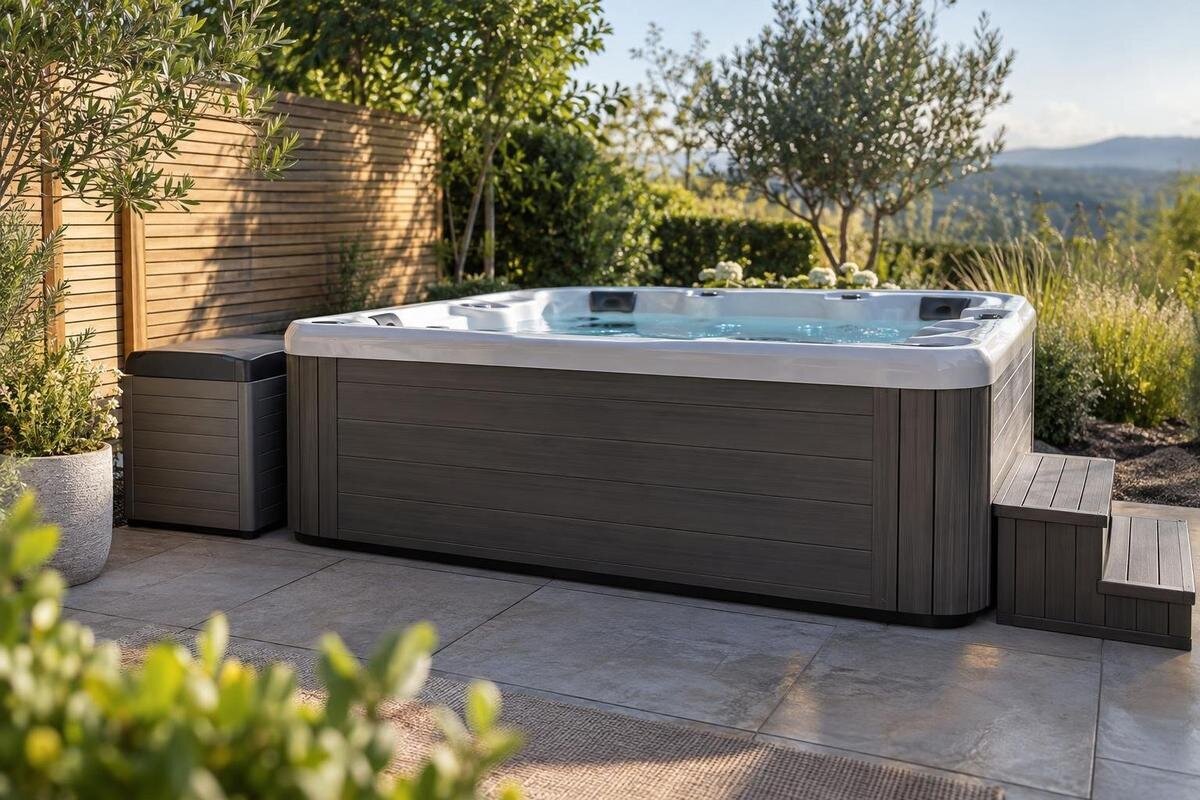
Hot tub filtration guide
Choosing a hot tub filtration system is less about picking a familiar-looking filter than confirming what the exact hot tub is designed to use and how that part is supported. A product page may not spell out the replacement element, access needs or upkeep. Compare the manufacturer’s model-specific documentation, then weigh replacement availability, service access and the time and cost of the stated care. This guide focuses on that purchase decision—not a general maintenance routine, water-change schedule or cloudy-water fix.
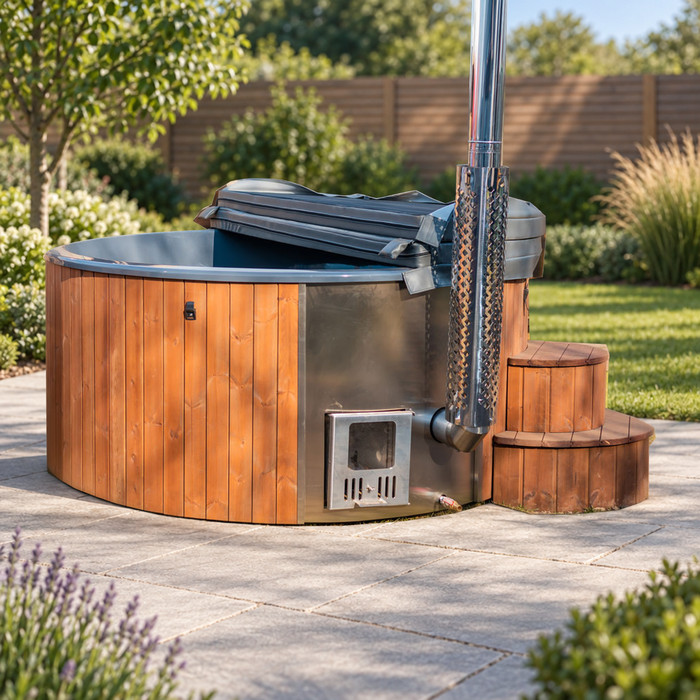
What to check before you buy 1
What Does the Filtration System Include?
Before comparing options, clarify what the seller means by “filtration system.” It may refer to a replaceable filter element, the housing that holds it, a larger equipment package or the hot tub’s documented filtration arrangement. These are different scopes: ordering an element is not the same as sourcing an assembly, and a mention of filtration does not establish which pieces are included. A phrase such as “complete system” can also mean different things across quotes. Ask for the exact names and part numbers of supplied items, then find out where each appears in the manual or parts list. If the seller cannot identify them, treat the scope as unanswered rather than assuming what is standard.
Define the purchase you are comparing before collecting specifications. If you are choosing a new hot tub, you need to understand its documented filtration arrangement and the replacement parts you will order later. If you already own the tub, distinguish replacing a consumable from replacing an assembly or changing the system. Those questions require different information, even when sellers use the same broad label. Keep each quote tied to the particular component or package it covers so you do not compare a replacement element with a complete assembly. Water treatment, routine cleaning and water replacement belong in your wider ownership planning, but they do not establish which filtration equipment a quote describes.
Confirm Compatibility With the Exact Hot Tub
Confirm the exact tub before looking up filters. Start with the full model name and, when available, the model year, series, revision or serial information shown in its documentation or product-identification label. Similar names, photographs or a number in a model title do not establish that two tubs use the same filter or component. A listing for Bloomcabin Hot Tub Cove 2 identifies the product, but does not by itself verify its filtration specification. Use the model details to find the matching manufacturer’s manual, parts catalog or written compatibility answer, and check that the document applies to the version you are buying.
Look for a direct cross-reference between that model or version and the filter or assembly part number. If a manual covers several variants, confirm that the applicable row, note or footnote fits your unit; a general statement that a part fits a series may leave revisions unaddressed. Ask the manufacturer or seller to confirm in writing when the published information is incomplete. Keep the response with the manual and order records, and note which version it refers to. A filter that fits physically, has a similar name or appears in an online search is not proven compatible until a source connects it to the exact hot tub.
What to check before you buy 2
Identify the Filter Type and Replacement Part
Identify the filter type using the manufacturer’s own term, then identify the replaceable part separately. The documentation may name a cartridge or filter element, a complete filter assembly or another specified arrangement; don’t infer which one a tub uses from a generic category or product image. Terminology matters because a seller may use “filter,” “element” and “housing” loosely even though each can refer to a different item. For Bloomcabin Hot Tub Haven 6, request the stated filter type and replacement reference together so you can check how they correspond. Ask for the part name, manufacturer part number and any revision or approved cross-reference listed in the documentation.
Use the parts list to see what the identifier covers: replaceable media, a housing or a complete unit. Match the identifiers in a supplier’s listing to the manufacturer’s reference, and ask whether any alternative is approved for the exact model. Dimensions, connection style, color or a similar shape can help describe an item, but none alone confirms compatibility; some parts that look alike are not documented substitutes. If the filter is washable, disposable or assigned a service life, take those details from its own instructions. Don’t assume the care method from the word “cartridge,” a generic filter guide or another hot tub’s routine.
Check Replacement Availability and Support
Once compatibility is established, check where you can obtain the replacement part. Ask who supplies the exact item, whether the manufacturer or seller currently lists it, and how an order is matched to the model and part number. If Bloomcabin Hot Tub Fjord 8 is on your shortlist, ask the seller to identify the replacement supplier and ordering reference alongside the tub’s filtration details. This gives you a specific item to look up rather than a general assurance that filters are available. Record the supplier, reference number and date of confirmation so a future reorder does not depend on remembering the shape of a loose filter or relying on an old search result.
Ask what to do if the original element is unavailable: is there a manufacturer-documented replacement number, an approved alternative or a service route for identifying the correct part? A substitute needs a clear, model-specific cross-reference rather than an assurance based solely on broad measurements. If the tub or filter has revisions, ask how the supplier distinguishes them and whether earlier versions have a documented replacement path. Don’t treat “universal” as proof that a part is approved. Availability can change, so confirm it near purchase and save the response; a listing today is useful for today’s decision, not a promise of indefinite supply.
What to check before you buy 3
Separate Included Components From Optional Add-Ons
Product pages and quotes can blur the line between what is supplied and what is optional. Request an itemized statement of the filtration components included with the exact tub, plus a separate list of optional equipment, upgrades and maintenance items. Ask whether the named filter comes installed, is supplied separately or must be ordered after purchase. When requesting a quote for Bloomcabin Hot Tub Aurora 10, have the seller distinguish the filter supplied for initial use from any spare elements or accessories offered with the package. Check that each quoted item has a clear description, then compare the quote, product description and parts information before deciding which package meets your needs.
If you are considering a dealer package or aftermarket system, ask how it relates to the tub’s documented arrangement and whether a necessary component is excluded from the quote. Have the seller identify the precise part numbers and state which items are optional, rather than using a bundled photograph as a parts list. Any equipment change should be assessed against the hot tub manufacturer’s instructions by an appropriate qualified professional; don’t assume a generic filter can simply be fitted. Ask whether the proposed package changes the replacement element or its care instructions as well. This lets you compare equivalent scopes without making installation decisions from marketing language.
Check Access for Inspection and Upkeep
Ease of access is an ownership factor, but evaluate it from the manual and service information, not a marketing image. Find where the filter is reached, how the manufacturer describes inspecting or removing it, and any stated space needed for access. Compare that information with the planned location and the route you will use to approach the equipment. When considering the Cove 2, request its model-specific access diagram or installation guide and ask who can explain the requirements for your proposed location. Check access before settling the surrounding layout, rather than assuming that room to place the tub also provides room for its documented care.
Separate owner access from technician access. Ask which inspections or replacements the manufacturer expects an owner to handle, which tasks call for service, and whether a panel or surrounding area must remain accessible. If a deck, enclosure, landscaping or tight corner is part of your plan, compare it with the stated service information before finalizing the location. Don’t remove panels, change equipment or make installation decisions from a photograph; ask the installer or a qualified service professional to interpret the manufacturer’s instructions. Consider how often the documented upkeep may require access, not just whether you can reach the filter once on delivery day.
What to check before you buy 4
Review the Manufacturer’s Care Instructions
Manufacturer-stated care is a comparison point, not a universal recipe. Read the filtration section for the exact model and replacement element, and note what it says about inspection, cleaning, replacement, permitted products and warnings. If instructions state an interval, trigger or method, record the condition attached to it; “inspect,” “clean” and “replace” may refer to different actions. When comparing the Haven 6 with other tubs, use these same care categories for each model so differences in wording do not obscure the tasks being described. Keep the relevant model and filter references with your notes. If documents conflict, ask the manufacturer which instructions apply to your version.
Ask for complete instructions before purchase if they are not readily available, then compare the effort described: the steps, frequency as documented, supplies and whether the owner or a service provider handles them. Include extra handling or storage requirements only if the manufacturer states them. Keep water-care advice separate: testing, treatment and water replacement have their own product-specific directions, and filter-care instructions do not set a water-change interval. For filtration selection, the question is whether you can follow the stated care, understand when a part needs attention and obtain the correct consumables—not how to diagnose a water problem.
Estimate Ongoing Effort and Cost
Translate documented requirements into an ownership estimate rather than relying on a vague “low maintenance” claim. List the quoted price of the exact replacement element, the manufacturer’s stated replacement interval or triggers, any separately required supplies, and whether professional service is part of your plan. To include the Fjord 8 in a cost comparison, first match the replacement quote to its model-specific part reference and note how many elements the quote covers. These are variables to verify, not costs that can be inferred from a product name. If the replacement frequency is not stated, leave it unresolved and ask rather than inventing a number for your estimate.
Compare options over the same period and with the same assumptions: included parts, documented replacements, price per compatible part, ordering or shipping charges if applicable, and service labor you actually expect to buy. Don’t invent an interval to produce a neat lifetime total, and don’t count a generic filter as a saving until it is approved for the exact tub. Compare effort too: the part price alone does not show how manageable the stated care is, while a more expensive system is not automatically easier or better. Use a current supplier quote and manufacturer instructions, and mark estimates separately from confirmed costs so they are easy to revise.
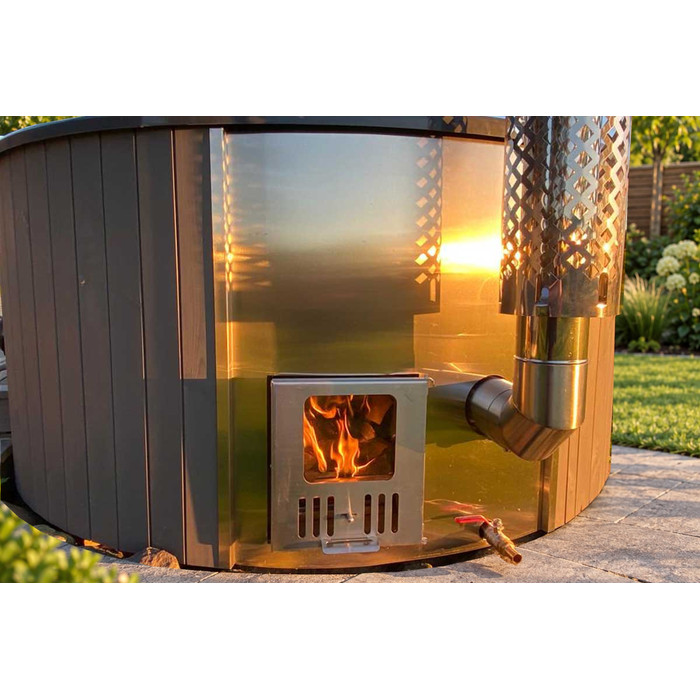
What to check before you buy 5
Questions to Ask Before You Buy
Put unresolved points into direct questions before committing. Which filter type and replacement part number match this exact model and version? What filtration components are included, and which are optional? Where are the care and access requirements documented? Who supplies the replacement, and is an alternative formally cross-referenced? Ask the seller to point to the manual, parts list or written manufacturer response instead of repeating a sales phrase. For an inquiry about the Aurora 10, include the full catalog model name and any version details already supplied, then identify the questions still unanswered. A written reply is easier to check later than a verbal summary.
Check that the answers agree across the quote, manual and parts documentation. A mismatch in terminology, a missing part number, an unclear replacement channel or an access diagram that does not fit the planned location deserves clarification before you buy. Save the answers with your order paperwork, especially if the seller identifies an approved substitute or distinguishes standard equipment from an upgrade. You do not need the longest feature list; you need a coherent record that lets you identify, reach and care for the specified filter later. If the seller cannot resolve a technical point, take it to the manufacturer or a qualified service provider.
Compare Systems Using Documented Information
To compare systems, create one row per exact hot tub and fill in the evidence: documented filtration type, matched replacement number, included versus optional components, replacement source, access information and manufacturer-stated care. Add the manual, parts page or written answer that supports each field. Mark missing information as “not confirmed” rather than treating a blank as yes. This makes the comparison less dependent on confident sales language and shows which questions could affect ownership. Don’t compare one model’s headline name with another tub’s manual and call that a verified match; keep the evidence tied to its exact version.
Then weigh the confirmed facts against your priorities. A buyer who expects to handle documented checks personally may value clear owner instructions and convenient access; someone who plans to use a technician may give more weight to service information and replacement sourcing. Neither preference makes one filter type universally better. If compatibility, replacement support, access or package contents remain unclear, pause until the right source answers them. Choose the setup whose verified care and part-supply requirements fit your plans, not one whose specifications you had to infer.
Frequently asked questions
Can I choose a replacement filter by its dimensions alone?
No. Dimensions can help describe a part, but they do not confirm that it is approved for your hot tub. Match the replacement part number to the manufacturer’s documentation for the exact model and version.
How do I find out which filter type a hot tub uses?
Check the exact model’s manual or parts information for the manufacturer’s stated filter type and the part it identifies. Don’t infer the type from a product photo, a model name or another hot tub’s listing.
Should I clean or replace the filter?
Follow the instructions for the specific filter and hot tub. Ask what the manufacturer says about inspection, cleaning and replacement, including any stated intervals or conditions. Generic schedules may not apply to your setup.
Can I use an aftermarket replacement filter?
Use one only if its compatibility is confirmed for your exact hot tub and version. Ask the manufacturer or seller for a model-specific cross-reference; a similar fit or a broad “universal” description isn’t confirmation.
Are filter-care instructions the same as water-care instructions?
No. Filter care and water testing, treatment or replacement are separate topics with their own instructions. Don’t use a filter-care schedule to decide when to change water or how to address a water-quality concern.
The right filtration choice is the one documented for the exact hot tub, with manageable care, accessible components and a clear source for replacement parts. When compatibility, replacement support or included components are unclear, get the answer from the manufacturer or seller before deciding. That keeps the comparison grounded in specific details rather than a filter’s appearance or assumptions about a model name.
