
Hot Tub Maintenance Costs: A Realistic Annual Budget
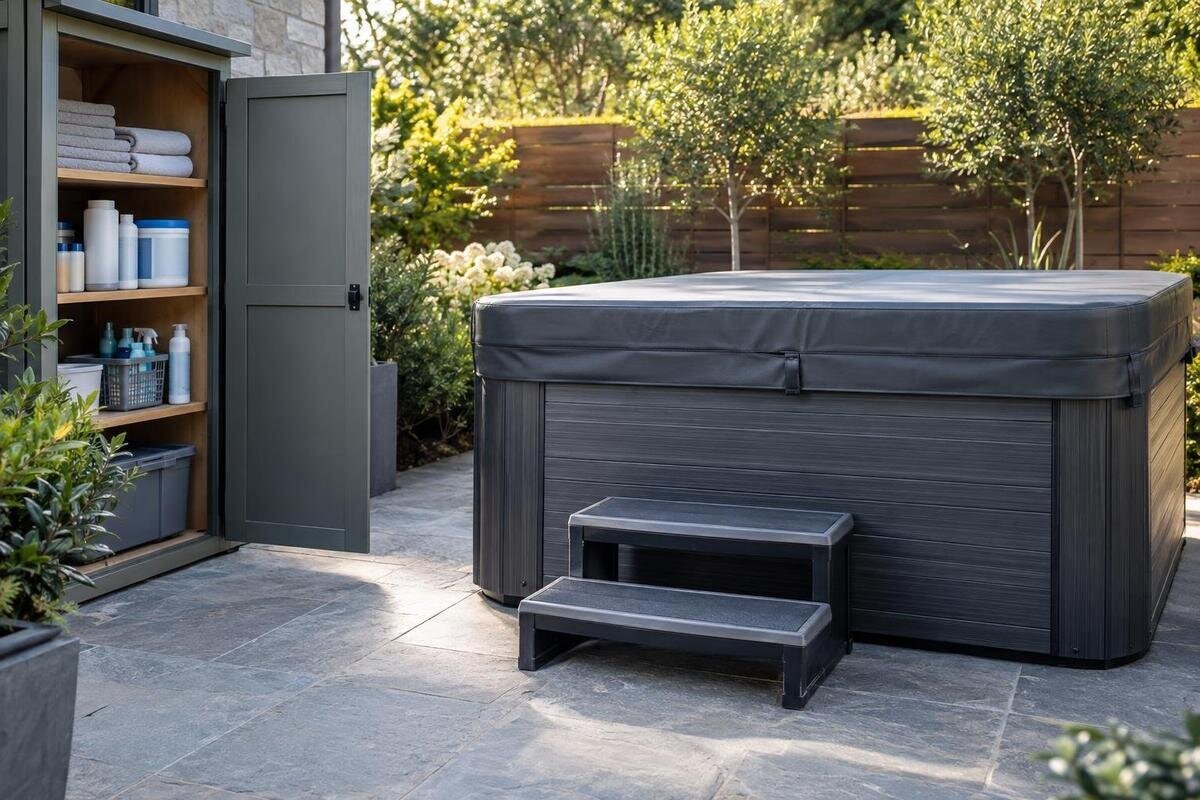
Hot tub ownership costs
Hot tub upkeep is not one fixed annual fee. A useful budget separates recurring water-care and testing supplies, filter cleaning or replacement, surface-cleaning products, refill water and sewer charges, optional professional service, and money set aside for repairs. The amount depends on the exact equipment and its maker’s instructions, actual use, local retail prices, utility billing, and service availability. This guide uses a quote-based worksheet rather than an unsupported national average: record where and when each price was checked and whether tax, shipping, or labor is included. Keep electricity or heating fuel, purchase, delivery, and installation in separate budgets.
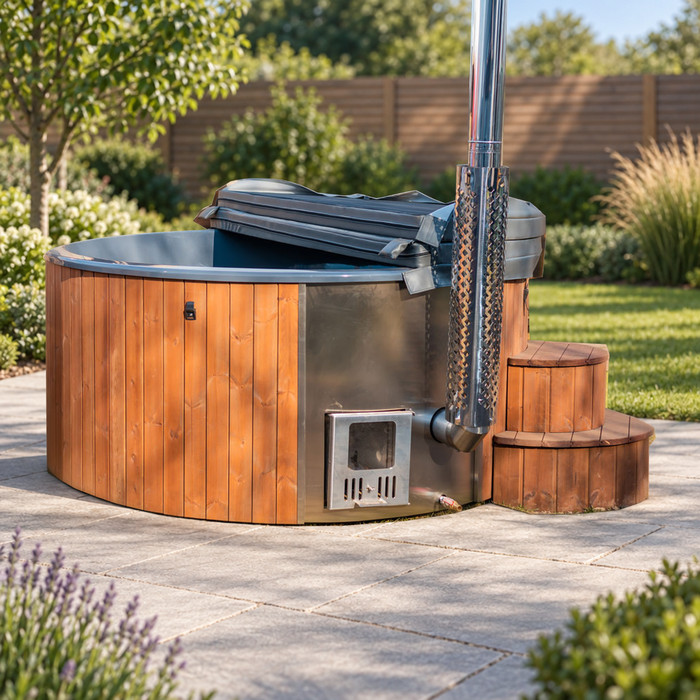
What Belongs in an Annual Maintenance Budget?
A maintenance budget covers the recurring water care and cleaning specified in the manufacturer’s instructions. Common rows are water testing and treatment supplies, filter-cleaning materials or replacement parts where applicable, products for the tub’s surfaces, refill water, and optional professional visits. The exact list, quantities, and intervals depend on the equipment and its care requirements; there is no reason to assume every tub uses the same filter or water-care routine. Start with the owner documentation for the exact model, then list each item that guidance calls for. A catalogue name or image identifies a product, but does not establish its filter, capacity, or maintenance requirements.
Keep one-time and operating expenses out of this subtotal. Electricity or heating fuel belongs in an operating-cost estimate; purchase, delivery, site preparation, and initial installation belong in a setup budget. Optional upgrades are not recurring care simply because they may be useful. Repair bills are uncertain, so a reserve can appear as a planning transfer rather than a guaranteed annual purchase. It helps to keep two totals: planned upkeep plus reserve funding, and cash actually spent on supplies, service, and repairs. Label them clearly. That division makes annual ownership comparisons easier and prevents a reserve contribution or a utility bill from being counted as routine maintenance.
Water-Care and Testing Supplies
Water-care costs usually come from two kinds of purchases: products used to manage the water according to the tub maker’s instructions, and a method for checking water condition, such as the test system specified for that setup. Do not assume a dosing program or product type from a generic hot tub checklist. Confirm the requirements in the manual or with the manufacturer, and check that each product is labeled for the intended spa use and compatible with the system. Compare package size, unit price, stated directions, and storage instructions. A larger package is not necessarily a saving if you cannot use or store it as directed.
To estimate the annual amount, list each product separately and use the quantity implied by the maker’s guidance and your expected use. Multiply the planned number of packages by the current shelf price, then add any shipping and applicable sales tax. If a product is bought in a bundle or included in a service plan, count its cost once. Record the retailer and city or ZIP code, plus the date you checked the price, since prices and availability change. If the compatible product or package quantity is unclear, mark that line for confirmation instead of substituting an unsupported estimate.
Filter Upkeep and Replacement Costs
Filter costs require two checks: what kind of filtration the specific tub uses and what the maker says about care and replacement. A system may use a cleanable element, a replaceable element, or another arrangement; do not infer which applies from a model name or photograph. Find the exact filter reference and care instructions in the product documentation, then ask the seller or manufacturer which cleaning products and replacement part fit. Include a cleaning tool or compatible cleaner only when recommended, and distinguish routine cleaning from buying a new element. The documented intervals, considered alongside your actual use, determine how many purchases fall within the budget year.
Price the filter line using a dated quote for the right part, not the lowest price for a look-alike. If the documented interval is stated in months, an annualized allowance is the part price multiplied by 12 and divided by that interval. Label this as a planning amount if the part will not actually be purchased every year, and include tax and shipping. Add cleaning supplies separately unless a bundle already includes them. If you are considering the Bloomcabin Hot Tub Cove 2, ask which filter, if any, its maintenance instructions specify. Record the compatible part number beside the quote so later price comparisons refer to the same replacement item.
Cleaning Products and Refill Water
Cleaning supplies cover the products and tools needed for routine care of the tub’s exposed surfaces and other areas identified in its owner guidance. Choose products for the actual surface and intended use, rather than relying on a generic label such as spa cleaner; product directions and manufacturer instructions determine compatibility. Keep these items separate from water-care chemicals, since surface cleaning and water treatment are different tasks. If a care kit combines products, record it once and note what it includes; divide its cost between budget categories only if the supplier gives a meaningful breakdown. Do not assume a cleaner, cover, or accessory is included with a particular tub unless the listing confirms it.
Refill water can affect both the water bill and sewer charges, depending on how the local utility bills the account. Use the documented refill volume for the exact tub and a replacement schedule based on manufacturer guidance and your expected use. Apply the rate for additional water use, not an average household bill that may include fixed charges or tiered pricing. If the rate basis is unclear, ask the utility and note the answer and date. When budgeting for the Bloomcabin Hot Tub Haven 6, request its documented refill volume and record the unit of measurement alongside it. Calculate water and sewer separately if the bill does so.
Optional Professional Service
Professional maintenance is an optional budget item, but its cost depends on whether you plan to handle routine care yourself and which tasks the manufacturer says need specialist attention. Ask local providers for a written scope and itemized quote, not just a single visit price. Check whether the amount includes a visit or diagnostic fee, labor, travel, tax, and consumables, and ask what would be charged separately if a problem is found. Confirm whether the quote covers routine service or repairs, how often it would be scheduled, and whether the provider works on the exact model. A quote that leaves these details unclear is difficult to compare with another provider’s offer.
For the annual line, multiply the number of planned visits by the quoted amount, then add only charges not already included. Record the provider’s service area and the quote date, and distinguish a one-time call from a recurring service plan. Supplies included in a visit should be removed from your water-care or filter rows to avoid counting the same purchase twice. When contacting a technician about the Bloomcabin Hot Tub Fjord 8, provide the complete model identity and ask whether they service it locally. Keep their answer with the quote so you can compare both the work covered and the availability of service.
How to Budget for a Repair Reserve
A repair reserve is a planned transfer into savings for uncertain future expenses. It is not evidence that repairs will happen each year and should not be presented as an annual service bill. Keeping it visible can still help with cash planning: a budget with no allowance for an unexpected equipment issue may understate the cash you want available, while calling the full reserve maintenance spent overstates what you have actually bought. Choose a contribution that fits your household plan, and base model-related planning on confirmed part information or written service quotes rather than invented failure rates or predicted repair frequency.
Track routine upkeep paid during the year, actual repair invoices, and the amount transferred to the reserve as separate figures. If a repair is paid from reserve funds, do not count the reserve contribution and the repair invoice as two maintenance purchases. Report planned upkeep plus reserve funding as a cash-planning figure, and actual upkeep and repairs as spending. For the Bloomcabin Hot Tub Aurora 10, ask about replacement-item availability and request any relevant part or service quotes. Use those figures to understand potential expenses, not to predict that a particular repair will occur each year.
Build an Itemized Annual Estimate
Calculate the annual maintenance subtotal by adding water-care and testing purchases, filter-care supplies, annualized replacement elements where applicable, surface-cleaning products, refill water and sewer, and planned service visits. Show any repair-reserve contribution on a separate line; add it only when calculating the total amount you plan to set aside. For each purchase, multiply the annual quantity by the current unit price, then add delivery, tax, or labor that is not already included. For water, use the documented volume and applicable local rates. For a replacement interval stated in months, an annualized part allowance is the quoted price multiplied by 12 and divided by that interval. This is a planning amount, not necessarily the cash paid that year.
Put the assumptions next to the total: expected use, the maker’s documented cleaning and replacement intervals, the source and date of each price, and which items are bundled. For retail goods, note package size and count; for service, record provider location, scope, visit count, and whether labor, travel, tax, and supplies are included. Add separately quoted delivery only once. You can build low, expected, and high estimates from actual quotes when a part or service has variable pricing, but state which inputs change. If a quote is missing, mark the amount unknown rather than zero. For a Cove 2 maintenance worksheet, keep model-specific quantities beside their supporting instructions or supplier confirmations so each calculation remains traceable.
Keep Operating and Setup Costs Separate
Keep heating and installation out of the maintenance subtotal. Electricity or other heating fuel is a recurring operating cost, and estimating it requires separate consumption information and local rates; it does not belong among test supplies, filter parts, refill water, or service labor. Delivery, site preparation, and initial installation are setup costs, even if you spread them across a household planning sheet. Optional upgrades also deserve their own category: an accessory is not routine upkeep merely because it may be useful. Separating these expenses makes annual service and supply budgets easier to compare without pretending to calculate the full cost of ownership.
Classify items by purpose. A replacement filter is routine upkeep when the documented schedule calls for it; a repair to a pump or heater is an irregular repair, while the energy used to run those parts remains an operating expense. A service invoice may contain both a scheduled cleaning and repair labor, so split it only when the itemized quote allows. If you are comparing upkeep for the Haven 6 hot tub, keep any energy estimate in a separate column based on its own consumption information and rates. This lets you review maintenance spending alone or combine clearly labeled categories when considering a broader ownership budget.
Compare Upkeep Before Choosing a Hot Tub
Before choosing a tub, ask for its current owner documentation and a clear list of routine consumables. Confirm the filter type and part number, recommended care intervals, compatible products, replacement-item availability, and which local professionals can service the exact setup. Ask who can answer ongoing care questions and whether a maintenance kit includes items you would otherwise buy separately. These details help you assess both the likely purchases and the practical work involved in upkeep. Keep unanswered questions beside the relevant budget rows so you can see which missing details affect quantities, prices, or your choice between handling routine care yourself and paying for service.
Compare candidates on one worksheet using the same location, price-check date, assumed use, tax treatment, refill-water method, and service scope. Use product pages for the information they provide and request a quote where a price is missing. When comparing the Fjord 8 hot tub with another candidate, mark filter compatibility, replacement price, and service availability as confirmed, quoted, or unknown. Keep those labels separate: a compatible part does not yet have a budgeted price unless you have priced it. An unanswered item is not free, and incomplete cost information does not establish whether a model is expensive or inexpensive to maintain.
Keep the Budget Current With Actual Records
Keep the estimate useful with a simple log through the year: purchase date, item, package size, price, seller and location, tax and shipping, quantity purchased, and whether a service provider supplied it. For water and sewer, save the relevant bill or utility-rate note; for labor, retain the written quote and invoice. Record which maintenance instruction or replacement interval supports each planned quantity. At year end, total the actual purchases and invoices, and show annualized future replacements and reserve contributions in separate columns. This avoids treating a larger part purchase in one year as proof that the same cash expense will recur every year.
After twelve months, compare the plan with what you actually bought and paid. Adjust for actual use, changed retail prices, different service scope, unused stock, and any repairs; do not turn one unusual repair invoice into a supposed annual average. If you track products consumed rather than dollars spent, use that method consistently and do not also count the full package purchase in the same total. For an Aurora 10 upkeep budget, retain the model identity beside each part quote and service record. Keeping the original estimate alongside actual spending shows which assumptions need revision without making a reserve look like a guaranteed charge.
Frequently asked questions
What should an annual hot tub maintenance budget include?
Add water-care and testing supplies, filter cleaning or replacement where applicable, cleaning products, refill water and sewer charges, and any planned professional service. Show a repair reserve as a separate planned contribution. Keep electricity, heating fuel, purchase, and installation costs outside the maintenance total.
Is electricity part of hot tub maintenance cost?
No. Electricity or heating fuel is an operating cost, not a maintenance purchase. Track it separately so an estimate for supplies, service, and repairs is not confused with the cost of running the tub.
Should I count a repair reserve as an annual bill?
No. A reserve is money set aside for uncertain future repairs, not proof that a repair will occur. Track contributions separately from invoices paid. If you report both planned funding and actual spending, do not add a reserve contribution and a repair paid from that reserve as though they were two new purchases.
How do I estimate filter replacement costs?
Confirm the exact filter type and compatible part number, then use the maker’s documented replacement interval and a current quote for that part. You can annualize the cost for planning, but label it as an allowance if the purchase will not happen every year.
How can I calculate refill water costs?
Use the documented refill volume and the water and sewer rates that apply to additional use on your utility bill. Account for tiered rates or fixed charges where relevant, and note the utility, billing location, rate, and date.
A useful annual maintenance figure is an itemized total tied to the tub’s documented care, your expected use, and prices or service quotes from your area. Keep routine purchases, optional labor, actual repairs, and reserve funding visible as separate amounts. Update the entries when prices or circumstances change, and leave energy and installation in their own budgets. That produces a figure you can explain and compare without turning a repair allowance into a bill or treating an unknown cost as free.
