
How Long Do Aluminum Windows Last? Factors That Matter
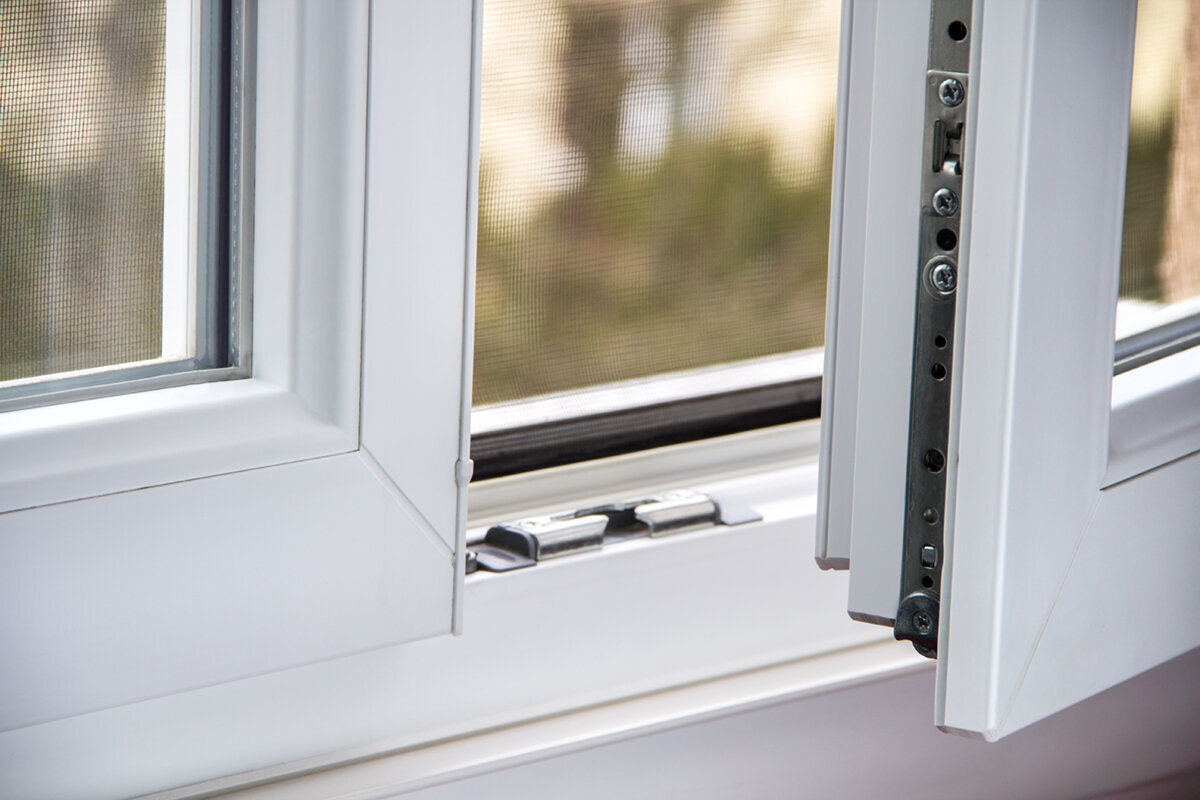
Aluminum window condition guide
A window that looks acceptable from the sidewalk may tell a different story when you operate it. Start there: does the sash move smoothly, latch without force, and close evenly against the frame? Then widen the scope. An aluminum window’s useful life is not set by one universal number; it depends on exposure, drainage, finish condition, glazing, hardware, installation, and the way the surrounding wall manages water. A sticking handle may need routine service, while recurring dampness at an interior reveal can point beyond the window itself. This guide helps homeowners distinguish cosmetic aging from functional warning signs, decide when maintenance may be sensible, and prepare better questions for a repair professional, installer, or replacement estimate.
Begin with the opening, not the calendar
There is no reliable age at which every aluminum window should be replaced. Begin by opening each sash fully, closing it, and engaging the lock. Note rubbing, uneven gaps, loose hinges, excessive handle force, or a latch that no longer pulls the sash into a consistent closed position. These observations reveal more about practical condition than age or curbside appearance alone.
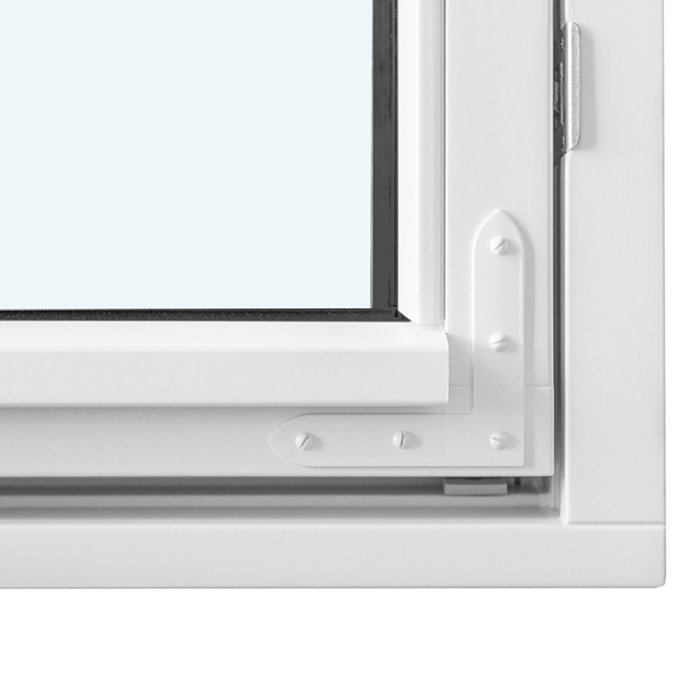
Separate one inconvenience from a wider pattern. A single binding window or loose adjustment may call for targeted service. Several units with difficult operation, drafts, moisture marks, deteriorated finishes, and glazing damage deserve a broader review. Record which elevations are affected, since a problem concentrated on one side can suggest exposure or wall-detail issues rather than uniform product failure. If replacement is being considered, preserve the operation you use. A single-sash inward-opening window is a named inward-opening configuration; confirm that its swing works with furniture, shades, screens, and cleaning access before selecting that operation.
What aluminum contributes to durability
Aluminum is valued for rigidity and the ability to form relatively slim window profiles, but the frame is only one part of the assembly. Corners, joints, glazing interfaces, fasteners, seals, and hardware all affect whether the window continues to operate and direct water as intended. Visible aluminum may look intact while a gasket has hardened, a drainage path is obstructed, or a moving component has worn. Conversely, a faded or chalky surface does not automatically mean the frame has lost its function. Assess the complete perimeter and opening sequence rather than judging only the broad faces of the frame.
Pay attention to localized surface change. Blistering, pitting, lifting finish, white residue, or corrosion near a joint warrants closer examination, especially where water sits or different materials meet. Do not diagnose the cause from appearance alone. A professional can distinguish superficial deterioration from a condition affecting the assembly. When comparing a Kombi outward-opening casement window with other operating configurations, ask how corners are joined, how water leaves the frame, which materials meet at the opening, and what care the finish requires. Construction and surroundings are more informative than a universal lifespan promise.
Exposure can make similar windows age differently
Sun, rain, temperature swings, windblown dust, and persistent dampness place different demands on a window. South- and west-facing openings may show finish fading sooner where sunlight is intense, while shaded elevations can remain damp longer after rain. Coastal or industrial surroundings may introduce airborne residue that makes appropriate cleaning more important. A window near roof runoff, a deck, a planter, or irrigation overspray deserves extra attention because repeated wetting can concentrate stress in one area. These are illustrative conditions rather than proof that a window will fail; they simply identify openings that merit more deliberate inspection and care.
Exterior features can protect a window or complicate its exposure. Overhangs, screens, landscaping, and drainage all affect how much water and debris reach the assembly. Branches rubbing a frame or a sprinkler striking the same jamb every day are manageable contributors that can otherwise persist unnoticed. Walk around the home during or after rain when practical. Look for water streaming over openings, pooling near trim, or collecting with debris at sills. Compare similar windows indoors. A recurring issue limited to one elevation supports focused investigation, while comparable deterioration throughout the house may support planning a phased, broader project.
Drainage and wall integration are central
A window must work with the wall opening around it. Water reaching the outer face needs a path away, while the layers behind the exterior finish must manage incidental moisture without directing it indoors. If you find staining, peeling paint, swollen trim, soft finishes, or a musty odor, do not assume the aluminum frame is the only possible source. Water may originate above, beside, or behind the unit, including at cladding, flashing, roof details, or another penetration. Document when the symptom appears, where it begins, and whether wind direction or rainfall intensity seems to change it. Then have the complete opening investigated.
Installing a new unit will not correct a surrounding wall problem unless the relevant repair is included. Ask an estimator what will be removed, how the rough opening will be inspected, which discoveries could change the scope, and who will connect the window to the wall’s water-management layers. Clarify whether exterior trim stays or comes off and how drainage at the sill will remain unobstructed. Project requirements differ with location and building conditions, so an appropriate qualified local professional should confirm what applies. A written installation scope exposes important differences between proposals that may appear to offer a similar window.
The finish provides appearance and protection
A painted or coated aluminum finish contributes to appearance and helps protect the underlying surface. Dirt, salt residue, pollution film, and biological buildup can retain moisture or hide early finish changes. Gentle, regular washing with products suitable for the finish is preferable to aggressive occasional cleaning. Do not treat a frame like a heavily soiled patio surface: abrasive pads, harsh solvents, or unsuitable cleaners may harm the coating or nearby seals. Follow the manufacturer’s care instructions when available. If you need to try an unfamiliar cleaner, first test it on a small, inconspicuous area rather than beginning on a prominent elevation.
Inspect corners, edges, fasteners, and drainage areas in angled light. Superficial marks or modest color variation may be mainly aesthetic, while peeling, cracking, blistering, exposed metal, or recurring deposits require assessment before recoating. Covering the evidence can obscure why moisture or contamination is gathering. For replacement, view color samples outdoors beside the siding, brick, and trim. If a traditional appearance matters, a historic-style single-sash outward-opening casement window is one named configuration to compare; confirm its operation and visual proportions rather than inferring unseen specifications from the style label. Color selection cannot substitute for sound drainage, installation, and cleaning access.
Glazing symptoms are not always frame symptoms
Glass and insulated glass units have their own condition indicators. Condensation on the room-side surface can be influenced by indoor humidity, air movement, temperature, window coverings, and room use; it does not by itself diagnose window failure. Moisture or haze visibly trapped between panes is a different observation and should be documented. Cracked glass, damaged glazing beads, or movement where glass meets frame also warrants professional review. Photograph the symptom under several conditions and note whether it clears, appears only at certain times, or remains constant. Better evidence helps avoid replacing an entire assembly when a narrower remedy may be available.
Replacement planning also provides an opportunity to reconsider fixed versus operable glass. A fixed window has no opening hardware, making it an option where daylight and view matter but ventilation does not. It should not be chosen merely because an inaccessible operable unit has been neglected. An opening window adds hinges, latches, screens, weather seals, and cleaning considerations that need to fit the room. Ask a supplier to identify the glass configuration, decorative bars if requested, and frame arrangement separately. That allows a like-for-like comparison and prevents a broad phrase such as “new glass” from concealing meaningful differences in the proposed order.
Hardware and weather seals shape daily use
Handles, hinges, stays, locks, rollers, gaskets, and weather seals are working parts. Their condition can change the experience of an aluminum window before the frame looks extensively aged. A sash that drops when opened, a lock that requires lifting the sash, or an uneven reveal can indicate wear, an adjustment need, or movement requiring inspection. Do not force a stiff operator or apply lubricant indiscriminately. An unsuitable product can collect grit, affect seals, or disguise a developing problem. Clean accessible tracks and drainage openings carefully, then ask a window specialist which service method is appropriate for the particular system.
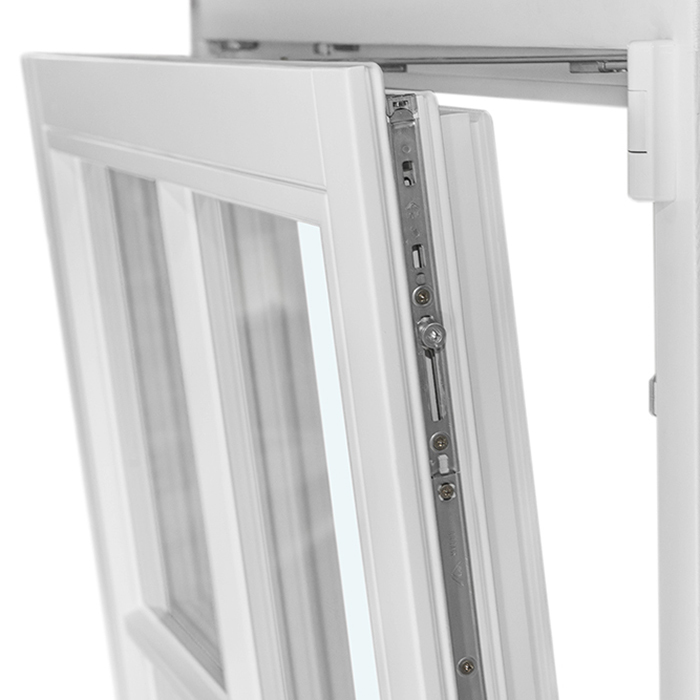
Configuration determines which parts need to remain accessible and functional. A top-hinged outward-opening window is an outward-opening, top-hinged option, so exterior clearance, cleaning access, and interaction with screens should be considered with its ventilation role. For any replacement, ask which hardware is included, where controls will sit, how the sash will be held or limited during use if applicable, and how future parts or service will be handled. Request a demonstration of the operating motion before ordering. A suitable opening style can avoid awkward repeated use; an unsuitable one can be frustrating even when every component is new.
Separate repair, refurbishment, and replacement
Repair is worth exploring when the frame and installation appear sound and the concern is isolated. A damaged handle, worn hinge, glazing problem, localized seal issue, or adjustment need may not require removal of the complete window. Refurbishment is a different scope and might involve deeper cleaning, finish work, hardware attention, or glazing-related work where feasible. Replacement becomes easier to justify when an assembly repeatedly admits air or water, no longer operates safely or reliably, has widespread deterioration, or sits in an opening whose wall interface also requires corrective work. Inspection findings, desired operation, and project scope should drive the decision.
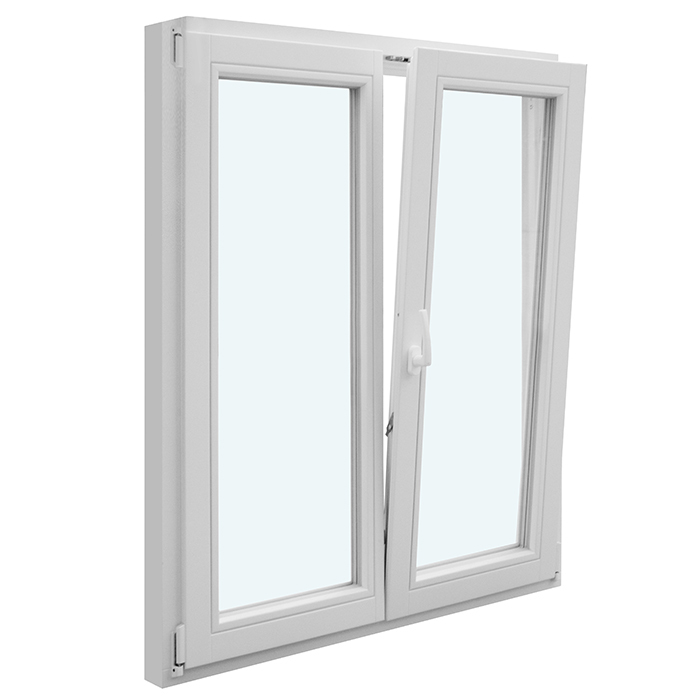
Do not compare repair and replacement estimates as though they necessarily solve the same problem. Have each provider state the observed condition, proposed remedy, exclusions, and consequences of leaving adjacent issues untouched. When only selected windows will be changed, compare sightlines, frame proportions, color, decorative bars, and operation with retained units. A two-sash outward-opening casement window is a two-sash outward-opening casement configuration; discuss whether two operated sashes suit the room better than one larger sash. Function, access for maintenance, and the visual rhythm of the elevation should all be deliberate comparison points.
Match the project scope to the home
Replacement can focus on failed units, proceed by elevation, or be coordinated with siding, exterior trim, interior renovation, or weather-related repairs. No single scope suits every house. Addressing only the most affected units limits immediate disruption but may make future matching harder. Coordinated work can improve access and expose more of each wall opening, although it requires wider planning. Map every window by room, approximate size, operation, exposure, observed condition, and priority. A simple opening schedule changes the discussion from a reaction to one troublesome window into a practical plan for the building as a whole.
Consider circulation before changing doors or large openings beside window groups. A Patio Life sliding patio door is a sliding patio door configuration that can be compared with hinged alternatives where floor space around the opening matters. It is not an automatic upgrade for every location. Check how the threshold, flooring, exterior landing, shades, screens, and furniture arrangement will work together. Confirm on-site dimensions, the intended finished sightline, and whether interior and exterior trim are included. Resolve those practical details before settling on operation so an attractive replacement does not interfere with everyday movement or furnishings.
Build an order-ready checklist
A productive consultation begins with evidence. Bring exterior and interior photographs, a room list, observations made during rain or cold weather, and any known installation or repair history. Ask whether each concern appears related to frame, glass, hardware, seals, installation, or adjacent wall conditions. Request dimensions, handing, operation, color, decorative-bar layout if wanted, screen approach, glass description, hardware locations, and finish scope in writing. Explain any special purpose for the opening, such as ventilation after showering, cleaning access, a view line, furniture clearance, or a planned route through the room. These needs should guide configuration before the order enters production.
Use the same checklist for every proposal. A combination window is a combination-window configuration; ask which portions are fixed or operable and how each will be cleaned, screened, and serviced. Confirm which measurements are preliminary, what existing materials will be removed, who addresses concealed substrate damage, and what post-installation adjustment is included. Bloomcabin provides a 5-year warranty for windows and doors. Delivery is typically 4–6 weeks, subject to order confirmation. Timing should remain one planning input, not a reason to skip site measurement, product review, or a detailed installation scope.
Frequently asked questions
How can I tell whether an aluminum window needs replacement?
Look beyond age. Difficult operation, persistent water-related staining, widespread finish deterioration, damaged glazing, worn seals, and recurring drafts justify professional assessment. One isolated hardware problem may be repairable. Replacement becomes more likely when several functions have declined or investigation shows that the opening and surrounding wall also need coordinated work.
Is corrosion on an aluminum window always serious?
No. Surface residue, discoloration, and minor finish wear can differ from pitting, lifting coating, or deterioration around joints. Use only suitable cleaning methods, photograph the condition, and avoid covering it before understanding the cause. A professional can assess whether the issue is cosmetic, localized, or affecting the wider assembly.
Why does one aluminum window stick while the others work normally?
A localized issue can result from hardware wear, debris, sash alignment, adjustment needs, movement, or exposure specific to that opening. Compare the gaps around the sash, locking action, nearby moisture marks, and exterior conditions. Do not force the operator. A targeted inspection can establish whether service is appropriate before replacement is considered.
Can I replace only some aluminum windows?
Yes, but plan the visual and functional transition. Compare frame proportions, color, operation, decorative bars, and trim with the units that will remain. Determine whether affected windows share an exposure or installation issue. A phased plan can be sensible when priorities are documented and every opening is measured for its own phase.
What should I ask an installer about a replacement window?
Ask what conditions were observed, what the scope includes, how the rough opening and adjacent materials will be handled, and how water management connects with the wall. Confirm measurements, operation, hardware, glass description, color, trim, screens, warranty, exclusions, and responsibility for concealed damage discovered after removal.
What to do next
The useful question is not simply how long aluminum windows last, but whether each opening still performs in its actual setting. Begin with operation, inspect finish and drainage, and distinguish glazing or hardware symptoms from wall-related conditions. Document patterns before choosing service, refurbishment, or replacement. If replacement is appropriate, select the operation around the room’s use and insist on a clear installation scope. That evidence-based process is more dependable than relying on a generic lifespan estimate.
