
How Long Does a Hot Tub Take to Heat Up?
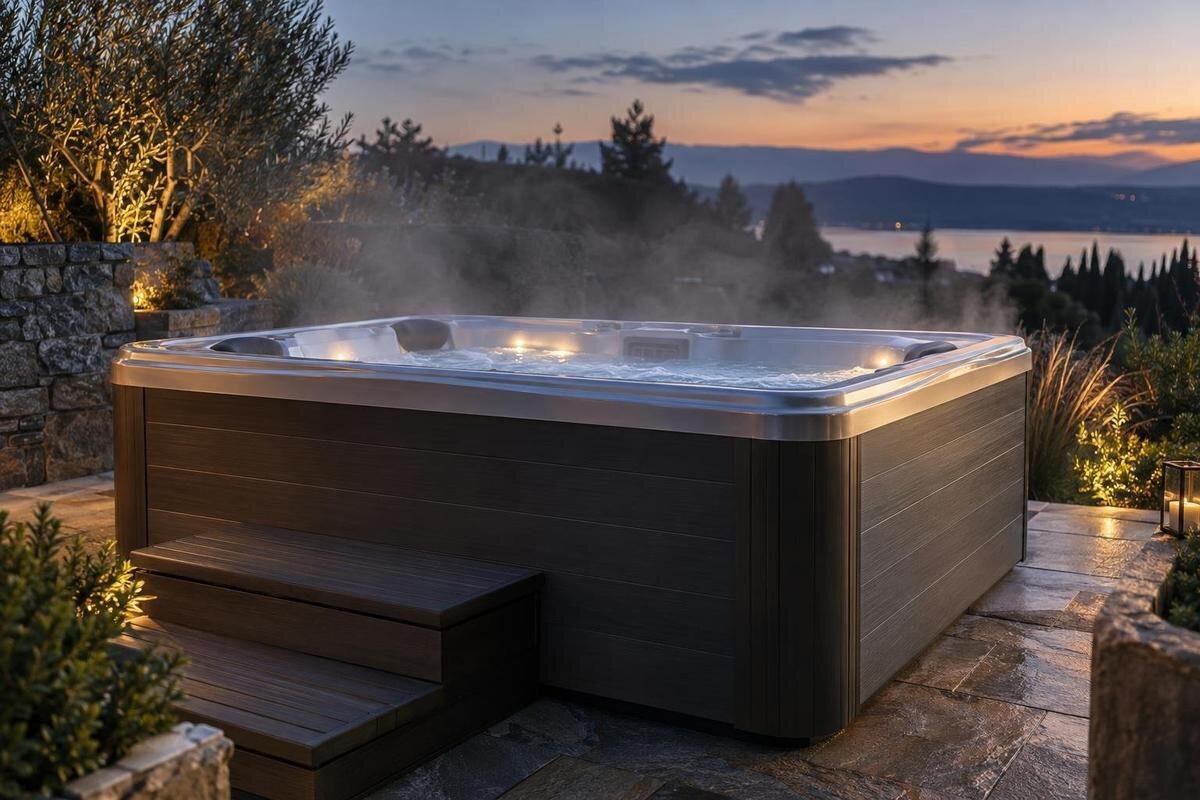
Hot tub heating
If you're trying to plan a soak, the useful question isn't simply “How long does a hot tub take to heat up?” It is how long a particular model takes to raise a known volume of water from its actual starting temperature to the temperature you want under stated outdoor and operating conditions. Without those details, a single number can mislead. The distinctions below help you read a documented estimate, compare it with your routine, and know what to ask before ordering.
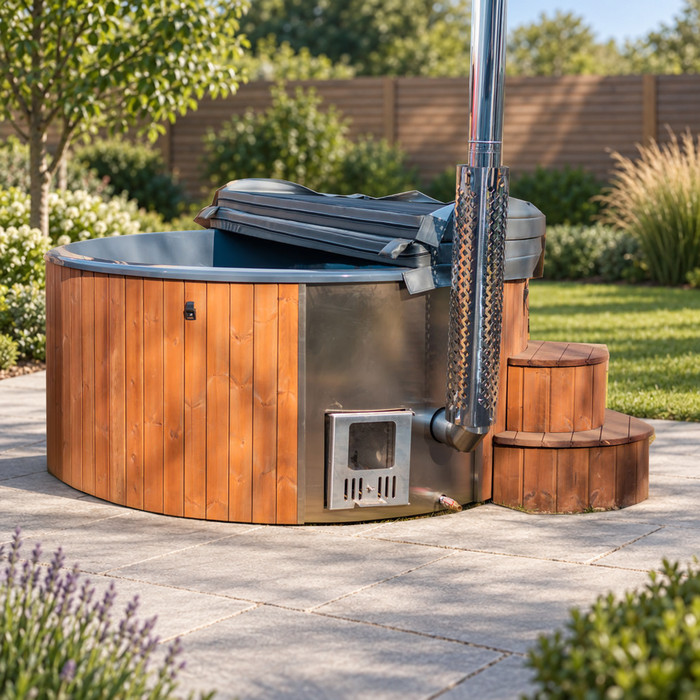
Why hot tub heat-up times vary
Heat-up time is the elapsed period needed to move water from a known starting temperature to a stated target. It is not a fixed number attached to the phrase “hot tub.” Two quoted times may describe different temperature rises, different volumes of water, or different setups and still sound comparable when those details are omitted. A figure with no start point or endpoint cannot tell you whether the tub will be ready before dinner. It also cannot be separated from the model that produced it: heater output and the conditions around the tub determine how the water warms. A broad estimate without these inputs is useful only as rough orientation, not a scheduling commitment.
Even the same model can take a different amount of time on different occasions. Incoming water temperature may vary, outdoor conditions can change heat loss, and the actual heating configuration and its operation matter. A published estimate should therefore be read as a model-specific result under stated assumptions, not a promise for every day. Before comparing numbers, define what “ready” means for your routine: the target you intend to use and how much advance notice you have. That framing makes an estimate useful without pretending one number applies to every installation. It also separates a real performance question from a vague claim that a model heats fast.
What a heat-up estimate measures
Look for a clearly described start and finish: the initial water temperature, the target, and whether the estimate means a control displays the target or a water reading reaches it. A manufacturer may publish total elapsed time or a heating rate; neither is interpretable without the test conditions. A rate given for part of a temperature rise should not automatically be extended across the whole rise, because performance depends on conditions and equipment operation as water warms. Clarify when timing begins, too: after filling, when heating starts, or at another point specified in the estimate. Read the manufacturer's definition and note any qualifications.
Check the water volume and exact heating configuration used for the estimate, along with any stated cover or setup conditions. A range accompanied by test details can be more useful than a bare figure, even if the single figure looks more precise. When reviewing the Cove 2 product listing, distinguish a model-specific heating estimate from a general description of the range. Does the estimate identify the equipment being sold and explain the conditions behind the result? Keep those details beside the quoted time. A result may accurately describe its test setup yet still be a poor forecast for yours.
Starting and target water temperatures
Starting water temperature determines part of the warming required. If source water begins warmer, it needs a smaller rise to reach the same target than colder water does; with other factors held constant, a larger rise generally takes longer. That is why an estimate recorded with one incoming-water temperature may not predict the result with another. This relationship does not give you a duration by itself: water volume, heat delivered to it, heat loss outdoors, and equipment behavior still influence the result. Use the actual starting temperature stated in the estimate, not an assumed meaning of “cold fill.”
The endpoint needs equal care. “Ready” might mean the water has reached a control's set temperature, or it might refer to a particular measurement in a manufacturer test; do not treat those descriptions as interchangeable without explanation. When considering the Haven 6 model listing, ask what endpoint any heating estimate uses and whether it matches the temperature you expect to use. Compare figures expressed in the same units, and keep any chosen setting within the manufacturer's instructions. A shorter quoted time is not necessarily an advantage if that test ended at a lower temperature than the one used for another model.
Water volume and heating output
Water volume changes how much water must be warmed. With other factors held constant, a larger volume requires more heat for the same temperature increase, so a test on a smaller amount cannot be transferred automatically to a larger tub. For a useful comparison, look for the manufacturer's stated operating fill volume and check that it matches the configuration named in the estimate. Ask whether a stated capacity means the amount used in the heating test or refers to something else. A seating label, visual impression, or number in a model name is not a substitute for the relevant volume.
Heat output reaching the water matters alongside volume. A heater's headline rating is not necessarily a measured heat-up result under your outdoor conditions, so use reported manufacturer performance rather than deriving a duration from one isolated specification. For the Fjord 8 product page, keep questions about fill volume separate from questions about heater output: neither can be established from the model name. Ask whether the quoted result applies to standard equipment or an optional configuration, and whether that configuration is the one being sold. An estimate for a different equipment package does not establish the waiting time for your order.
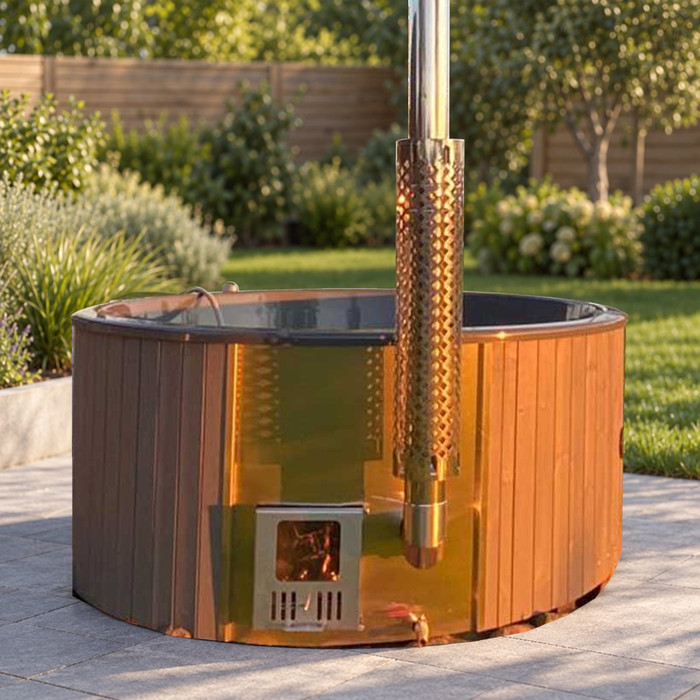
Heating method and controls
The heating method tells you what kind of system to compare, but a category label alone is not a time estimate. Different equipment designs can have different ratings, controls, and dependencies on surrounding conditions; those details affect how much heat reaches the water in a given setup. Labels such as resistance, heat pump, gas, or wood-fired describe methods, not a universal speed. Do not compare estimates from different systems merely because both are expressed in minutes or degrees per hour. Use the manufacturer's description of the equipment fitted to the exact model. The information available here does not confirm which method any of the four named tubs uses.
Before ordering, ask which heating equipment is included and how the manufacturer's estimate accounts for its operation. Does the quoted elapsed time assume a particular control setting or operating arrangement? Does it describe heating from the stated starting temperature all the way to the endpoint, or only part of that process? When reviewing the Aurora 10 catalogue listing, use these questions to distinguish the system's description from evidence of its heating performance. If different heating setups are offered, keep the estimate with the exact configuration it describes. A product-family description alone does not tell you how long a particular configuration will take.
Outdoor conditions and heat loss
Outdoor air and exposure affect heat loss while water is warming. When the surroundings draw more heat away, a smaller share of the system's output raises the water temperature, so a result recorded in milder or more sheltered conditions may take longer to reproduce elsewhere. Air temperature is not the only condition that may matter: wind exposure, whether a cover is used, and the particular setup can also affect a comparison. These factors explain why an estimate should include its test conditions. They do not provide a universal weather adjustment or guarantee how much time a particular day will add.
Check whether an estimate describes an indoor or outdoor test and whether it states the air temperature, cover arrangement, and exposure. For the Cove 2 heating-time inquiry, describe the conditions in which you expect to use the tub rather than asking only for a general number. If the published test used a sheltered location and yours is exposed, ask how applicable that result is. Do not add an arbitrary number of minutes for wind or colder weather. Where the manufacturer supplies results for different conditions, compare the relevant examples; otherwise, leave the effect on your schedule uncertain rather than inventing an adjustment.
Fresh fills and reheating existing water
A fresh fill and a return to temperature after use begin in different states. Fresh water starts at the temperature of the source, and the full volume must move toward the chosen target. Existing water starts at its actual temperature at that moment; if it has been held near the target, the required rise may be smaller, while substantially cooled water may need much more warming. The distinction comes down first to the starting point, not to two categories with fixed times. This comparison remains useful even if the manufacturer does not publish a generic “reheat” figure.
Ask what a quoted time covers: an initial fill, a restart after a lower setting, recovery following use, or maintaining water near a target. “Reheat” is too vague to compare unless the starting temperature and target are stated. In a Haven 6 heating-performance comparison, label each result by its starting state instead of putting every figure under a single heating-time heading. If the manufacturer provides separate fresh-fill and recovery estimates, keep their assumptions with them. Neither result should be treated as a substitute for the other, even when both describe the same model and heating equipment.
Matching heat-up time to your routine
Your routine determines which timing question matters. If you tend to decide at short notice, ask whether the operating guidance describes keeping water near your chosen target between uses and what conditions that assumes. If you plan sessions in advance, an estimate from your usual starting point can help you judge how much lead time to allow. These are distinct use patterns: a full cold-fill estimate is not the only figure that matters, and a label such as “fast heating” does not show how either pattern will work. The relevant definition of ready is the one that fits your schedule.
Compare the documented wait with the longest delay you find acceptable. Someone who can plan well ahead needs a different answer from someone who usually decides shortly before use. If Fjord 8 is on your shortlist, consider two separate questions: how its documented initial heating time would fit a planned session, and what guidance applies to the starting conditions you expect between sessions. Do not assume a particular control feature is included or that water will already be warm when you want it. If the available estimate addresses only a cold fill, it leaves the second question unanswered.
How to compare manufacturer estimates
Put every published estimate beside its assumptions before comparing it. Record the model and included heater, starting and target water temperatures, volume, outdoor conditions, cover or setup, and whether the claim describes a fresh fill or recovery. If one source gives a heating rate and another gives elapsed time, request comparable manufacturer data rather than converting them yourself; a rate may not hold across the full temperature rise or under different surroundings. Check that the estimate refers to the exact configuration you are considering. A comparison can reveal that two seemingly competing numbers answer different questions.
Treat phrases such as “heats quickly” as descriptions, not usable estimates. Ask for the source and stated test conditions if a sales response gives a number not found in the manual. Clarify whether the number is a typical result, part of a stated time range, or a result under particular test conditions. If a range is given, find out what accounts for the difference between its endpoints rather than automatically planning around the shortest time. When important inputs are missing, leave the comparison incomplete. You can still compare other features, but you do not have a sound basis for ranking heating speed.
Questions to ask before ordering
Before ordering, resolve the gaps that would affect your decision. Is the estimate for the exact heater configuration on the order? Does it cover the starting conditions you expect, and what remains uncertain if your setup differs from the test? Ask the seller or manufacturer to distinguish a published result from a prediction for your circumstances. Keep the response with the model and configuration details so the answer remains useful when reviewing the order. If a firm readiness deadline matters to you, explain that constraint directly; a general statement that a tub heats quickly does not answer whether it suits that schedule.
Then decide how much the unanswered timing questions matter to your purchase. For the Aurora 10 product listing and the other three catalogue models, the information supplied for this guide does not include comparable heating-performance data. That leaves speed unranked; it does not establish that the models perform alike. If your choice depends on a particular waiting window, seek a model-specific answer before treating any option as a fit. If you have more scheduling flexibility, recognize that flexibility as part of your decision rather than assigning the tub an unsupported heat-up time.
Frequently asked questions
How long does a hot tub take to heat up from cold?
There is no dependable number for every hot tub. Timing depends on the model, starting and target water temperatures, volume, heating system, and conditions during heating. Use a manufacturer estimate only when its assumptions match the situation you need to plan for.
Can outdoor conditions affect heat-up time?
Yes. Outdoor conditions can affect heat loss, so an estimate from a sheltered or milder test may not match an exposed setup. Ask what air temperature, cover arrangement, and other conditions were used; avoid applying a guessed weather adjustment to a published time.
Is reheating existing water faster than heating a fresh fill?
It may take less time if the existing water is already closer to the target, but its actual starting temperature matters. A fresh-fill estimate and a recovery estimate describe different starting points, so compare them only when the manufacturer explains the conditions for each.
Can I compare heat-up times using a heater rating or model name?
No. A heater rating is not necessarily a measured heat-up time, and a model name does not establish water volume or heating output. Look for manufacturer data for the exact model and configuration, including its starting temperature, target, volume, and test conditions.
What should I ask the manufacturer before ordering?
Ask which heater and configuration are included, the water volume and starting and target temperatures, the outdoor conditions assumed, and whether the estimate covers a fresh fill or reheating. If those assumptions are missing, treat the time as unknown rather than as a promise.
Hot tub heat-up time is meaningful only when the model, starting point, target, water volume, heating system, and outdoor conditions are clear. With those details, you can judge whether the wait fits a planned session or whether your routine depends on keeping water closer to the target temperature. Without a usable estimate for the exact configuration, leave heating speed unranked. The right comparison is the documented wait under relevant conditions—not a model name, an isolated rating, or a claim that a tub heats quickly.
