
How Often Should You Change Hot Tub Water?
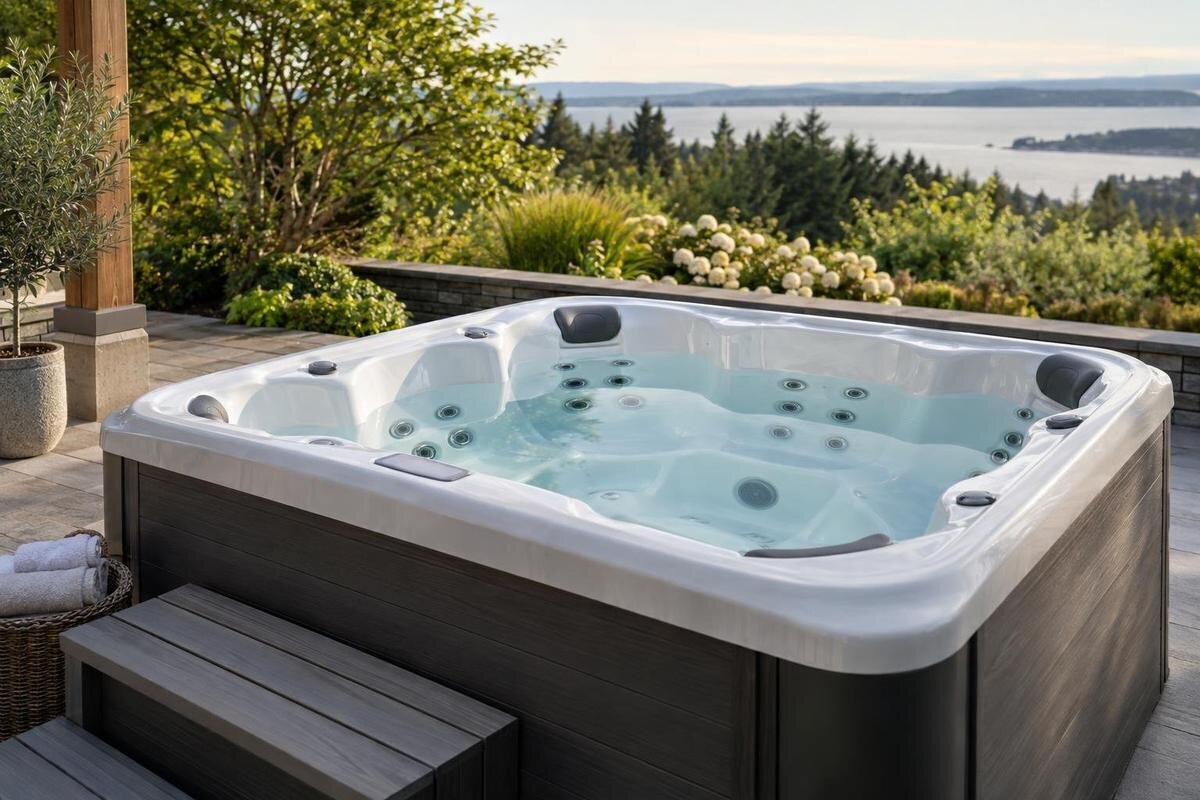
Outdoor hot tub care
There is no universal schedule for changing outdoor hot tub water. The applicable interval depends first on the instructions for the exact model and water-care setup, then on factors such as use and water volume. A product name, a schedule borrowed from another owner, or a water top-off cannot settle the question. Find the current model-specific guidance, check whether it gives a fixed interval, a usage-based method, or conditions for an earlier change, and keep full replacement separate from routine treatment. If water quality raises a concern before the planned date, consult the instructions rather than waiting for that date.
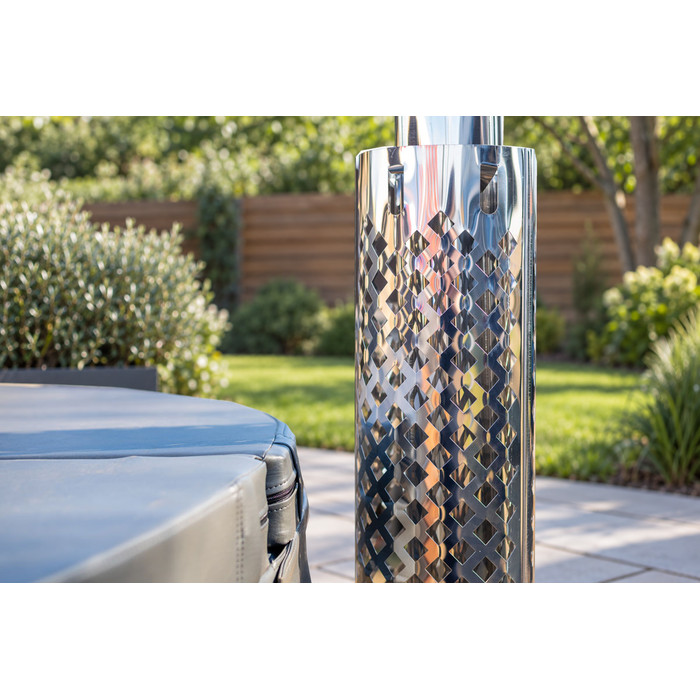
Is there a standard schedule for changing hot tub water?
There is no single interval that can responsibly be applied to every outdoor hot tub. The right starting point is the current manufacturer’s guidance for the exact model and water-care setup. A schedule shared by a neighbor, taken from a forum, or used for a different tub can suggest a question to ask, but it does not establish the right date for yours. Water volume, use pattern, and system instructions can differ, so copying a number without those details risks confusing a general rule of thumb with a model-specific requirement. Use the manual that applies to your unit rather than an online estimate, and check that it describes the system you actually use.
Find out how the manufacturer expresses the timing: the instructions may set a calendar interval, describe a usage-based method, or identify conditions that call for replacement sooner. Those details may appear in the owner’s manual and in separate instructions for a water-care system. If the wording is vague, documents conflict, or the manual is missing, write down the exact model and system names and request current written guidance from the manufacturer or seller. Do not calculate a date from a number in a product name or from another owner’s experience. A reminder is useful only when it tracks guidance that applies to your setup.
How use and water-care setup affect timing
Use affects how much material is introduced to the water, so a week of frequent sessions is not necessarily comparable to a week with little use. Note how often the tub is used and roughly how many bathers use it over a representative period. If use varies widely, record the busier and quieter periods rather than averaging them into an unsupported rule. A short-lived change in routine does not automatically establish a new schedule, but a sustained change is a reason to revisit the manufacturer’s guidance. If the instructions provide a use-based method, follow the inputs it names; do not create a formula from bather count alone.
The water-care setup matters too. Its instructions may specify checks, treatments, or replacement conditions that differ from those for another setup. Confirm which system is actually in use and whether its guidance covers the installed configuration or an option added later. Do not assume that a system with a particular name automatically permits longer intervals; that needs to be stated for your exact tub and setup. The source water may also be addressed in the manufacturer’s directions. Treat these details as inputs for interpreting applicable guidance, not as a basis for substituting a rule of your own.
Why water volume belongs in the calculation
Water volume matters when instructions use it to set or calculate a replacement schedule. Use the volume and measurement method specified for the calculation, rather than guessing from the tub’s exterior size or making an estimate from its appearance. If you are unsure which figure applies at the normal fill level, check the model documentation or ask the manufacturer. A guessed volume can make a calculation unreliable even when the rest of the method is followed correctly. Keep the water-care setup in view as well: a volume figure on its own does not tell you which instructions apply.
If the directions provide a formula, use its stated units and every variable exactly as written; do not adapt a method from another model or add your own assumptions. If no formula is given, do not invent one from volume and bather count. When comparing Bloomcabin Hot Tub Cove 2 with other options, ask for the documented water volume and the instructions that explain whether it is used to determine replacement timing. Keep the volume figure alongside the calculation so you can see where each input came from. If two documents give different figures, resolve which one applies before calculating a date. Neither exterior dimensions nor a number in a model name establishes the volume required by the method.
What counts as a full water change?
A full water change means removing the water in the tub and refilling it according to the model’s instructions. Topping off is different: it adds water to restore the level but leaves the existing water in place. A top-off may be part of ordinary ownership, but it does not by itself count as a full replacement or reset the date of the last one. Keep the dates separate in your notes so you can tell when the tub was last fully refilled and when water was merely added. If the manual uses a special definition, follow that wording.
Routine water treatment is a separate task from replacing the water. Testing or adding products according to the applicable directions does not remove the existing water, and a top-off does not replace those care steps. Keep each action distinct rather than treating treatment, added water, and a full replacement as interchangeable. When reviewing the care requirements for Bloomcabin Hot Tub Haven 6, look for how the instructions describe each task. In your records, label an entry as a top-off, treatment, or full replacement rather than simply writing “water changed.” That distinction makes the starting date for a replacement interval easier to identify. If the instructions discuss a partial replacement, do not assume it has the same effect on the schedule as a full change.
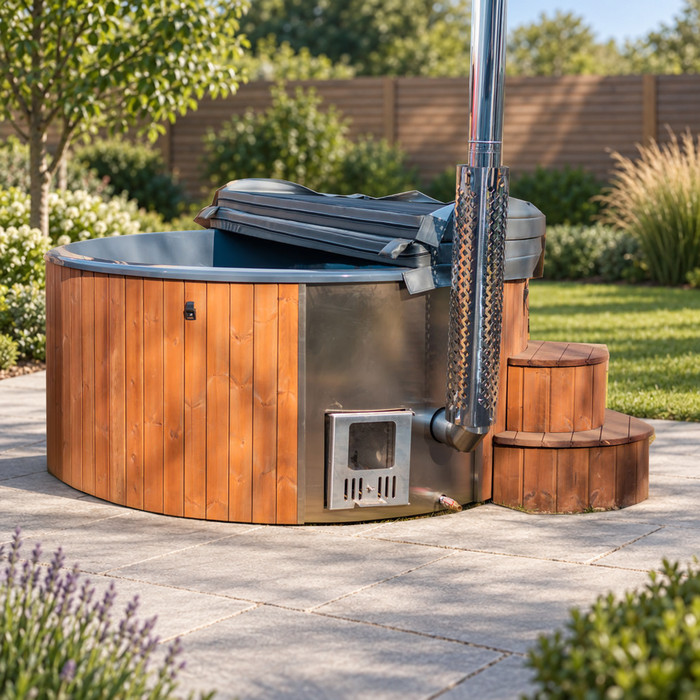
How to find guidance for the exact model and water-care setup
Start with the owner’s manual that matches the specific model, then check any instructions for the water-care system actually being used. Confirm the model identity against the product information or paperwork you received; a similar name or a manual for a related model is not enough to assume the guidance is identical. Check whether the document is current and whether it applies to the configuration you have. If you cannot locate the manual, ask the seller or manufacturer for the correct version before relying on an interval found elsewhere.
Read the parts that address water replacement, any use- or volume-based calculation, and conditions that may require action earlier than a planned date. If the tub and water-care-system documents appear to conflict, do not combine the most convenient parts of each. Ask the manufacturer which guidance applies to your exact setup and whether one document supersedes another. When requesting instructions for Bloomcabin Hot Tub Fjord 8, identify both the tub and the water-care system in your question. Point to the conflicting passages rather than asking only how often to change the water; this makes the uncertainty clear. Keep the answer with the relevant manual, including any explanation of which configuration it covers, so you can refer to the same guidance later.
What records help explain your schedule?
A simple record can keep a manufacturer’s schedule from becoming a guess. Note the date of each full replacement, separate dates for top-offs, and the pattern of use if the instructions account for it. Record the water-care setup as well, especially if it changes, so you can tell which guidance applied at each point. If the manufacturer asks for readings or other observations, record them using the method and timing it specifies. This is not a substitute for the manual or a reason to test on an invented schedule; it helps you apply the right instructions to your actual history.
The record is useful when you need to confirm the starting date for an interval or explain a change in use to manufacturer support. It can also show whether a date was based on a stated interval or a use-based calculation, rather than leaving you to reconstruct the reasoning months later. If you are researching Bloomcabin Hot Tub Aurora 10, ask which use details or records the applicable instructions expect owners to keep. Consider whether those entries would be practical for everyone who helps care for the tub. A shared record is easier to interpret when each person uses the same task names and identifies a full replacement clearly. Keep it brief enough to maintain consistently, with the information needed to apply the documented schedule.
When a water-quality concern comes up early
Do not wait for a planned change date if you notice an unexpected test result or another water-quality concern. Check the instructions for the exact tub and water-care setup, including any stated ranges and the response they specify. Use only the test and treatment directions that apply; do not assume that a scheduled replacement date proves the water is within the manufacturer’s guidance. An unusual appearance or odor is not, by itself, a reliable way to decide whether a full change is required, so avoid diagnosing the cause from one observation.
A concern does not automatically mean that a full replacement is the right response, either. The applicable instructions may distinguish among different actions, and guessing could delay the step they actually call for. If the directions do not address what you are seeing, or you cannot interpret a result, contact the manufacturer or a qualified water-care professional with the model, system, and relevant readings. Include the date of the last full replacement and describe the concern without assuming its cause. For buyers considering the Cove 2 hot tub, a useful question is whether the current instructions address unexpected readings or other water-quality concerns between scheduled changes. Look for a clear distinction between the normal replacement schedule and directions for responding when a concern arises earlier.
What to confirm before draining and refilling
Before a planned replacement, locate the model-specific instructions for preparing the tub, draining it, refilling it, and returning it to use. Follow the sequence given for your exact model instead of borrowing steps from a video or a manual for a different tub. Check whether the instructions point to separate water-care-system directions for the refill. This article does not set a drain procedure or a treatment sequence: those details depend on the manufacturer’s guidance. If the document is missing or unclear about a step, contact the manufacturer before proceeding rather than filling in the gaps from assumption.
The refill is also a useful point to record the full change date and identify the care instructions you will use from then on. Check the manual for any specified checks or water-care steps after refilling, and follow its directions rather than assuming that a full change alone completes the process. If the Haven 6 hot tub is on your shortlist, ask where its instructions cover draining, refilling, and returning it to use. Read those parts together when considering the time you would need to set aside. The question is not just when to remove the old water, but what the documented process requires before the tub can be used again. Resolve unclear steps before scheduling the work.
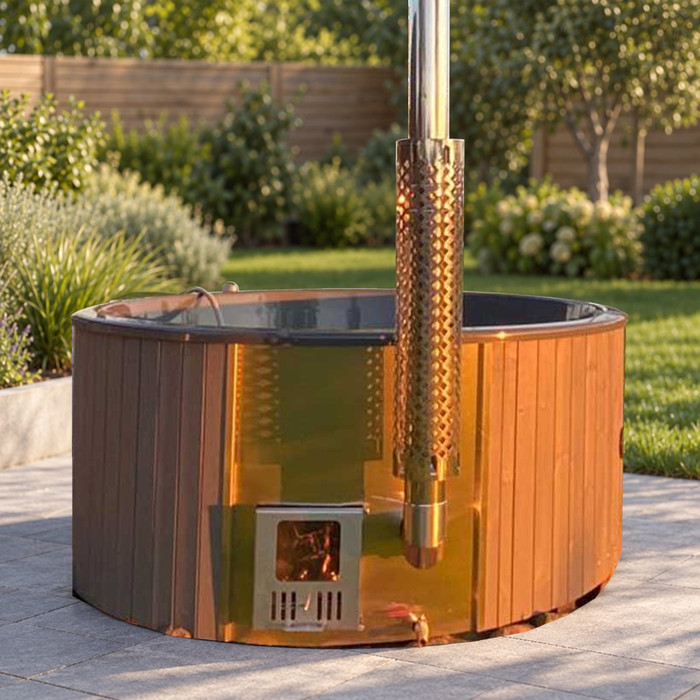
How water-change requirements affect ownership costs
The cost of changing water depends on several variables, not on a universal price. The amount of water specified for your tub affects the quantity used; your own water and wastewater charges, if billed, affect the utility portion. Other possible costs include products required by the applicable instructions and labor if you choose to hire service. Time and the practical effort of arranging a change also matter when you plan ownership. None of these figures can be estimated accurately from a model name alone, and there is no need to rely on a price or interval copied from another owner.
For a useful estimate, start with the actual water volume and documented replacement guidance for the model and water-care setup you are considering. Then use your own utility bill and any service quote, rather than an invented national average. If the instructions give a use-based method, understand what inputs it requires before projecting how often you may replace water. When budgeting for the Fjord 8 hot tub, separate the estimated cost of one replacement from the number of replacements you expect over your chosen planning period. Keep the assumptions visible, particularly if your anticipated use is uncertain. That gives you an estimate you can revise as your plans become clearer, without presenting a guessed annual total as a fixed ownership cost.
Water-change questions to ask before buying
Ask for the current owner’s manual for the exact model and the instructions for any water-care system included or intended for use. Find out whether the manufacturer states a fixed interval, a calculation, or conditions that call for an earlier change. Ask what water volume and use information the guidance requires, and whether the documents explain the difference between a full replacement, a top-off, and routine treatment. These questions reveal whether the schedule is clear enough for you to plan around. Compare the available documentation and support, not an assumed care advantage based on a model name.
Also ask where the instructions explain concerns that arise before the planned date and what they say about draining, refilling, and returning the tub to use. If you cannot get a clear answer, resolve the missing information before purchase rather than filling it in from general advice. When discussing the Aurora 10 hot tub with the seller, explain the use pattern you expect and ask how to apply the documented guidance to it. Keep a short comparison note for each model: the basis for timing, the information you would need to track, and any unanswered questions. This helps you compare how clearly the requirements are explained without ranking models by unverified care needs. The useful outcome is a schedule you understand and can plan around.
Frequently asked questions
Is there a universal number of days or months between water changes?
No. Follow the current instructions for your exact hot tub and water-care setup. The guidance may give an interval, a use-based method, or specific conditions to act on. If you cannot find it, ask the manufacturer rather than borrowing another owner’s schedule.
Does topping off count as changing the water?
No. Topping off adds water to restore the level; it does not remove the water already in the tub. Record it separately and follow the full-replacement guidance in your model’s instructions.
Should I wait for the scheduled date if a test result is outside the manual’s range?
No. Check the applicable water-care instructions when a result falls outside their stated range. Follow the directions for that situation or contact the manufacturer if they are unclear; a future calendar date does not resolve an unexpected reading.
Can more frequent use change the replacement date?
It can matter if your instructions account for use, but do not invent a new interval from bather count alone. Follow any use-based method provided for your exact model and system, and ask the manufacturer if your use pattern changes substantially.
What should I check before draining and refilling?
Find the current instructions for your exact model and water-care setup. Confirm that they cover preparation, draining, refilling, and any required checks or restart steps. If the directions are missing or unclear, ask the manufacturer before proceeding.
Water-change timing is a model-specific care decision, not a date to copy from another tub. Use the applicable instructions to account for the setup, volume, and use pattern, and keep full replacements distinct from top-offs and routine treatment. A short record of change dates and relevant use details makes it easier to apply that guidance consistently. When a concern comes up before the planned date, check the instructions rather than treating the schedule as proof that everything is in order.
