
How Often Should You Repaint a Wooden Garden House?
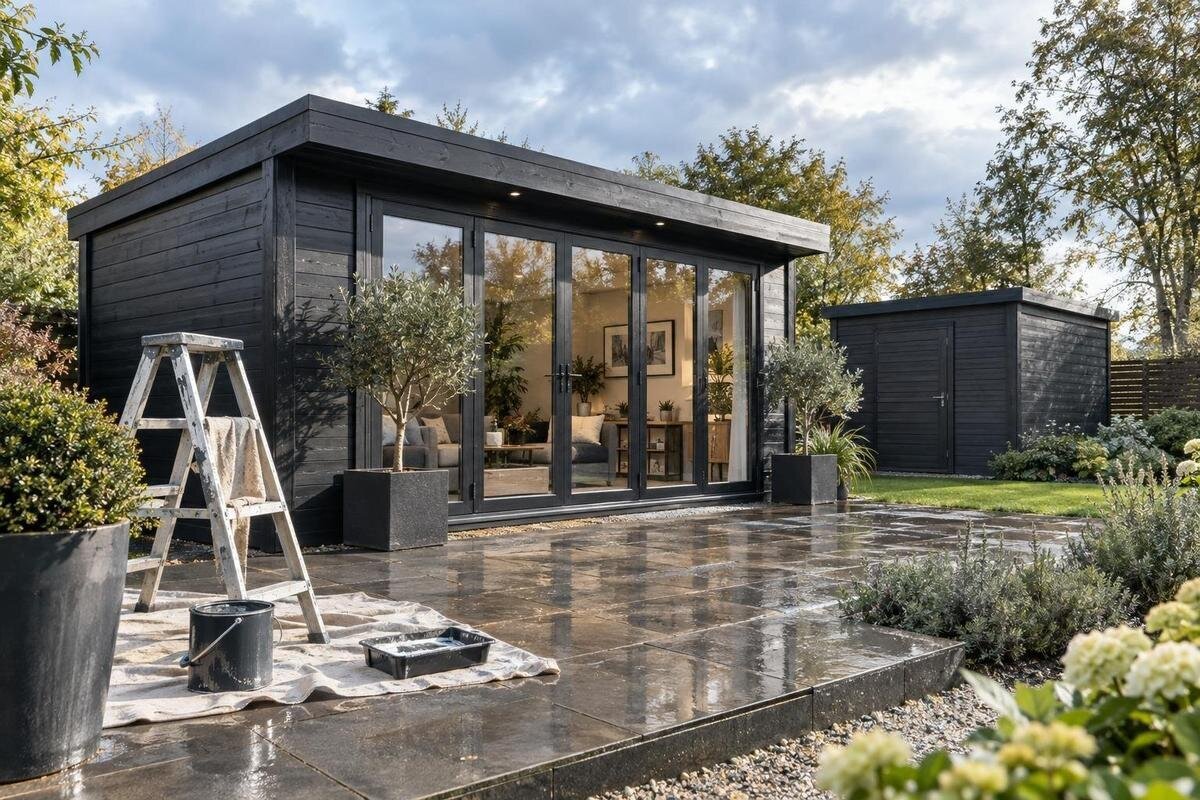
GARDEN HOUSE MAINTENANCE
How often should a wooden garden house be repainted? There is no single expiration date for an exterior finish. A broad planning range is five to ten years, but exposure, moisture, the original coating and its condition can move that timing substantially. Inspect the exterior at least annually and use what you see—not the calendar alone—to decide. Peeling or exposed wood calls for attention, while soft or persistently damp timber needs more than paint. This guide explains how to judge repainting frequency, recognize early wear and ask the right maintenance questions when buying a new garden house.

01
A practical repainting interval
How often should a wooden garden house be repainted? For exterior painted wood in sound condition, five to ten years is a useful planning range, not a deadline. Direct sun, repeated wetting, the coating’s compatibility and application, and how quickly the walls dry can shift the interval. A sheltered building may remain sound beyond that window; a more exposed one may need attention sooner. Follow the paint maker’s instructions where available. Treat the date as a reminder to inspect, not a reason to add a coat while the existing finish remains intact. This range concerns a full repaint, not the possible need for an earlier, limited repair.
The first repaint can depend on the garden house’s condition when it was delivered. Unfinished wood, primer and an applied exterior coating are different starting points, so the assembly date alone may not tell you when painting is due. If you are comparing a new option, use the Verdana 1 page to identify the model, then ask the seller for the finish details and care instructions for the exact version you would order. For a building you already own, look for purchase records or notes about its last treatment. If the finish is unknown, get advice on a compatible maintenance plan rather than assuming any exterior paint will adhere.
Check what finish is already on the wood
The existing coating sets the context for its maintenance schedule. Factory-applied finish, primer, paint applied after assembly and untreated wood are not interchangeable starting points. Check the paperwork, care sheet, paint label or builder’s notes, and note whether the information covers the walls, trim or both. Look for the recommended inspection and repainting intervals, plus any instructions about compatible coatings. A product photo or color cannot tell you how the wood was prepared or which finish was applied, so avoid using appearance alone to identify the system.
When records are incomplete, take clear photos of the exterior and mark where the finish is intact or failing. This gives a paint professional useful context before they recommend a maintenance approach. If you are still considering a new build, use the Verdana 2 model page as an exact model reference and ask whether the wood is supplied unfinished, primed or coated. Find out which surfaces need treatment, when the first repaint is expected and whether a care sheet is available. Keep the written answer with your order documents so you have a reliable starting point for future maintenance.
02
Sun and moisture change the schedule
A garden house exposed to long hours of direct sun may show fading or coating wear earlier than a more sheltered one. Repeated rain, splashback and slow drying also matter. Areas below roof edges, beside downspouts or near wet ground can receive more moisture than broad, protected wall sections. Shade is not always an advantage: if a wall stays damp for longer, the finish and wood may face a different kind of stress. The useful question is not simply whether the site is sunny or shaded, but where the exterior gets wet, how often, and whether it dries between wet periods.
Before choosing where a new garden house will stand, note the site’s sun, runoff and likely splash zones. A candidate such as the Durano model page should be assessed against the actual location rather than a general repainting estimate. Ask for care guidance that applies to the exact product, then consider whether the proposed position exposes particular walls to frequent wetting or strong sun. For an existing building, keep a simple map of early wear by wall. If one side consistently ages faster, that pattern can help you plan inspection and maintenance without treating every elevation as though it has the same exposure.
Recognize early signs of coating failure
Color fading is easy to notice, but it is not the only cue. Look for paint that flakes, peels or lifts from the surface; bubbles or blisters; cracks through the coating; and places where bare wood is visible. Powdery residue on the finish can also be a warning that the coating is wearing. One small mark does not necessarily mean every wall needs a full repaint, but repeated or spreading signs deserve attention. Compare several parts of the building and note whether the condition is getting worse rather than making a decision from a single patch.
A sound-looking finish and a failed one can appear different from one wall to another, especially when exposure varies. If you are weighing repair against a replacement purchase, a page such as the Veltor 1 model page can identify an option for comparison; ask for the exact finish information rather than judging it by a product image or color. For the building you own, record where the coating is lifting and whether bare wood is exposed. Broad failure, or the same problem returning soon after repainting, is a reason to investigate the underlying cause before simply adding another coat.

03
Inspect edges and lower walls
Do not check only the largest, most visible wall panels. Edges, joints, end grain, trim, corners and areas around openings can show wear before broad flat surfaces do. Lower walls deserve attention where rainwater splashes up from the ground, while roof edges and other drip lines may be exposed to repeated runoff. Look for breaks in the coating and for signs that water repeatedly reaches the same spot. A ground-level visual check is usually enough to identify areas that merit closer attention; do not take risks trying to reach a high or awkward surface.
The location of a future garden house affects which areas may need closer monitoring, regardless of the model selected. When reviewing a candidate such as the Orello 1 model page, consider the proposed position and whether nearby ground, stored items or vegetation could keep a wall damp or obstruct an easy inspection. For an existing structure, note recurring splash or drip marks and check the nearby coating at the same time. This is not a full cleaning or repair routine; it is a way to spot patterns early and avoid overlooking small, vulnerable areas when you assess the overall repainting need.
Paint wear is not the same as wood damage
Peeling paint does not automatically mean the wood beneath it is rotten, but it should prompt a closer look. Soft, swollen, deeply cracked or crumbling timber points to a problem beyond appearance. Persistent dampness can also damage a finish or the wood underneath it, so identify and address the moisture source before treating a new coat as the solution. Paint can renew a suitable surface; it cannot restore damaged timber or stop water from continuing to reach it. If the condition of a board is uncertain, avoid covering it before someone qualified has assessed what needs to be repaired.
When comparing repair with replacement, separate the two scopes: the cost and extent of addressing damaged wood, and the cost of repainting sound surfaces. If a new option is part of that comparison, use the Modano 1 page as a model reference and request the details that apply to the exact configuration. Do not assume that a product name answers questions about finish or delivery. A written repair assessment can help clarify whether the problem is limited to a few areas or affects enough of the structure to change the decision. The repainting interval alone is not a reason to replace a garden house.
04
Keep an annual inspection record
Inspect the exterior at least once a year, choosing a time when you can see the finish clearly and the surface is dry. Walk around the building from the ground and compare the same areas each time. Look for new peeling, cracks, powdering, exposed wood or dampness-related marks, and note whether any change is isolated or spreading. An annual check does not mean an annual repaint: its purpose is to catch change early and make a considered decision. If the building has highly exposed areas or a history of recurring wear, check those locations more often.
A short record can make the next decision easier. Save photos from similar viewpoints, write down the inspection date, note any affected wall or trim, and keep the name of the coating and the date it was last applied if known. If you buy a garden house, file care information with the exact model reference, such as the Veltor 2 model page, so future owners or contractors can find it. Keeping the documentation together avoids relying on memory and helps distinguish a normal change in color from a developing finish problem.
Ask about the finish before ordering
Before ordering a wooden garden house, ask what condition the exterior will be in when it arrives. Confirm whether it is supplied unfinished, primed or with a coating, and which surfaces are covered by that treatment. Ask whether any initial painting is expected before or after assembly, what products are compatible and when the first repaint is recommended. Request written care instructions rather than relying on a general estimate for wooden buildings. These details affect both the first maintenance task and the schedule you will use later, and they should apply to the exact product and configuration you select.
If your shortlist includes the Veltor 3 page, use it to identify the model when asking for those answers; do not assume a listing title establishes the finish supplied. Before placing an order, clarify what is included, who is responsible for any initial coating and whether the seller can provide the relevant care document. Keep the reply and any product instructions with your purchase records. That way, the first inspection date and future repainting decisions can be based on the actual finish rather than a broad category-level rule of thumb.

05
Choose a suitable window for the work
The right time to repaint depends on the coating instructions and the condition of the surface, not on a universal month or season. Paint makers specify the conditions their products need, so read the label or technical guidance before scheduling work. A dry period is important, and the wood must be in the condition required by the selected product. Avoid assuming that a warm-looking day is automatically suitable or that one calendar season works everywhere. If the finish is already failing or wood is exposed, do not let an ideal-weather search turn into an indefinite delay; get advice on a suitable maintenance window.
If you hire a contractor, discuss how weather could affect the planned work and what they will do if conditions do not meet the coating instructions. Ask whether the schedule includes assessment of the existing finish and any repairs that may be needed before repainting. For a do-it-yourself project, follow the product label and avoid working at heights or on surfaces you cannot access safely. The goal is to schedule a repaint when the surface and conditions are suitable, rather than choosing a date first and trying to make the exterior fit it.
Know when the issue needs professional assessment
A professional opinion is useful when paint is failing over a large area, when the same spots peel repeatedly, or when you find soft or damaged wood. Recurring dampness, an unknown coating or an area that is difficult to reach can also make the cause hard to judge from the ground. A qualified paint professional can assess whether the problem is limited to the finish, whether the wood needs repair and what coating information is still needed. If the condition looks structural or the source of moisture is unclear, seek an assessment suited to that issue rather than treating it as a routine repaint.
Ask for an estimate that separates any wood repairs from painting and identifies which walls, trim and other surfaces are included. Clarify whether the proposed work addresses a recurring moisture concern or only covers the visible finish, and ask what maintenance information will be provided afterward. When comparing estimates, look at the scope and assumptions, not just the total figure. This makes it easier to decide whether the work is a full repaint, limited maintenance or a larger repair. It also gives you a more realistic basis for planning the next inspection and repainting interval.
Frequently asked questions
Is five to ten years a fixed repainting rule?
No. It is a broad planning range for exterior painted wood, not a guarantee for every garden house. Check the coating’s care instructions and inspect the finish at least once a year. Exposure, moisture, the condition of the wood and the original coating all affect timing.
Should I repaint if the color has faded?
Fading alone may be mostly cosmetic. Look for chalking, cracks, peeling, blistering or areas where bare wood is visible, and compare the overall condition with the coating maker’s guidance. If the paint is still firmly attached, fading by itself may not mean a full repaint is due.
Does a new wooden garden house need painting right away?
Not necessarily. A new building may arrive with different starting conditions, such as unfinished wood, primer or an applied finish. Ask what treatment is included, which surfaces need attention and when the first repaint is recommended. Follow the instructions for the exact product rather than assuming it needs immediate paint.
Can I paint over peeling areas?
A fresh coat over loose or peeling paint will not address why the coating failed and may not stay attached. First determine whether the problem is limited to the finish or connected to dampness or damaged wood. Follow the coating instructions, or ask a qualified paint professional if the cause is unclear.
How can I tell whether the wood needs repair as well as paint?
Soft, swollen, deeply cracked or crumbling wood is a reason to look beyond the paint layer. Repainting can improve the appearance of a sound surface, but it cannot restore damaged timber or correct a continuing moisture problem. Get an assessment if the affected area is extensive or the cause is uncertain.
Treat the repainting calendar as a prompt to inspect, not as an automatic deadline. A sound finish may last longer than a broad estimate, while exposed or failing areas may need attention sooner. Keep a record of what you find, follow the instructions for the coating on the building and address damaged wood or continuing moisture before repainting. Those habits make the next maintenance decision more accurate than relying on a single number of years.
