
How to Choose an Outdoor Hot Tub for Your Backyard
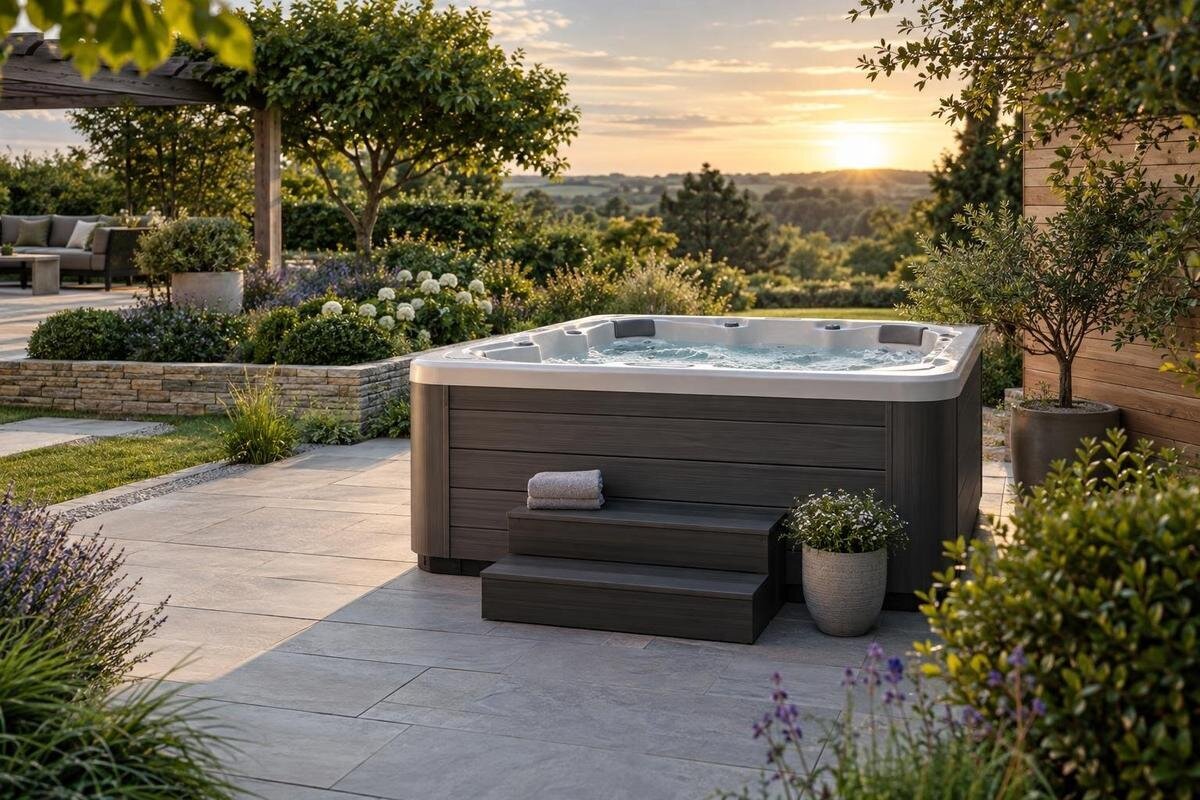
Outdoor hot tub buying guide
Choosing an outdoor hot tub is less about finding a model that sounds impressive than finding one that suits your routine, your backyard, and the work you are prepared to take on. Begin with who will use it and how often, then assess the space and route to it. Compare models only after you know what matters to your household. A product name or photograph does not establish seating capacity, dimensions, heating system, electrical requirements, included equipment, or installation suitability. The framework below can help you narrow your options and identify questions to resolve before buying.
Start With Your Usual Routine
Before browsing, describe the use you actually expect, rather than an idealized version of ownership. Is the hot tub mainly for quiet evenings, time with family, or occasional gatherings with friends? How often do you realistically expect to use it, and in which seasons? Your answers shape what deserves attention: an easy route from the house, privacy, room for regular users, or features that support shared use. Write down the main purpose and any secondary one. A clear brief is more useful than a loose list of fashionable features.
Separate regular use from special events. A holiday gathering may be enjoyable, but it should not determine every part of the purchase if it happens only once a year. Conversely, frequent shared use deserves more weight than hypothetical guests. Describe a typical week: who would use the tub together, who might use it separately, and whether those plans depend on everyone being home at the same time. That distinction helps you avoid planning around your household’s total headcount when your actual routine looks different. Also decide who will handle routine ownership tasks and whether that person is comfortable taking them on. If the purchase appeals to everyone but the ongoing work falls to one reluctant person, resolve that mismatch before comparing features. Your goal is a realistic picture of ownership, not a schedule you feel obliged to maintain.
Consider Who Will Use It Regularly
List the people most likely to use the tub, distinguishing regular users from occasional visitors. Household headcount alone does not tell you whether a particular seating arrangement will feel comfortable. People differ in size, preferred posture, and how much personal space they want, so compare the documented layout as well as any stated capacity. Ask regular users what would make them want to use the tub; their answers may reveal priorities that are easy to overlook when shopping alone.
Think about practical access as well as who can fit. Users may have different preferences about steps, entry, reach, seating position, or access to controls. Ask each regular user to identify the part of that experience that matters most. One person may care primarily about a comfortable seated position, while another wants to understand how they would get in and out. Turn those preferences into specific questions about the documented layout rather than a general request for a comfortable tub. If an in-person viewing is available, use the same questions to guide it; otherwise, ask for details that address them directly. Do not assume a product has a suitable feature simply because it looks accommodating in a photograph. Where an individual access need remains unresolved, keep it visible as a requirement rather than allowing other household preferences to outweigh it.
Map the Usable Space in Your Backyard
Measure the area you could actually use, not the whole patio or yard. Mark boundaries, walls, fences, steps, gates, doors, posts, planting beds, and any furniture or equipment that is likely to stay in place. Note the route from the likely entry point, including tight turns and obstacles overhead or underfoot. A simple sketch with measurements can reveal a restricted section that is hard to judge by eye. Separate permanent obstructions from things you could realistically move; do not count on relocating an item until you know that is practical.
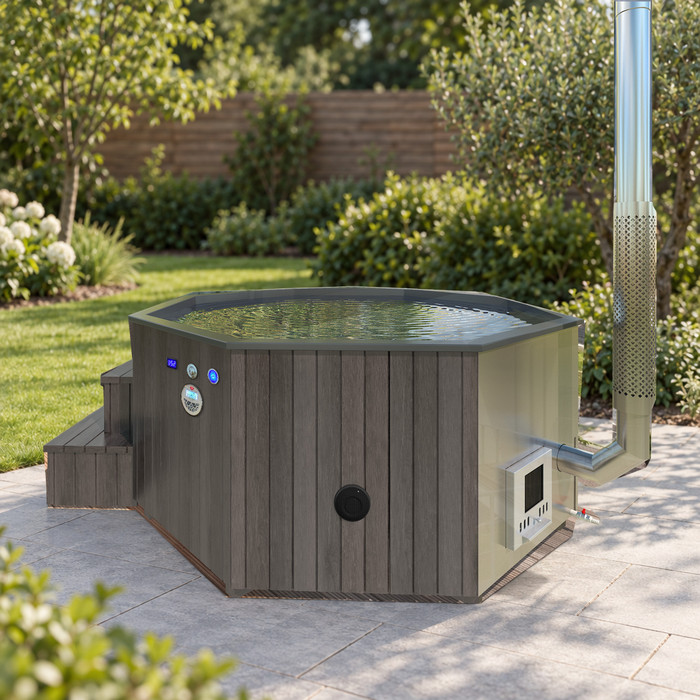
A product’s footprint is only part of the space question: the manufacturer may specify additional access or service clearances. Before adding the Bloomcabin Hot Tub Cove 2 page to a shortlist, find its current written exterior dimensions rather than estimating from its name or a photograph. Compare those dimensions with your usable area, then ask the manufacturer or a qualified installer what else must be allowed for. This is an early screening step, not confirmation that a particular location is suitable.
Check Access, Privacy, and Surroundings
Walk the route from the house as you would use it in everyday conditions. Consider door swings, changes in level, the path’s surface, where you would keep towels, and whether the tub would be convenient to reach after dark or in poor weather. Think about views from nearby windows and outdoor spaces, too. A location that looks secluded from one angle may be visible from another. Include the way the rest of the backyard is used: a possible location might compete with outdoor dining, play space, or a frequently used path. Discuss which activities you want to preserve rather than treating all open space as available for the tub. If you are considering two locations, compare their everyday convenience and privacy separately from their appearance. That makes it easier to see which compromises you would actually notice during regular use.
Also consider the surroundings over time: nearby trees can affect views and contribute leaves or other debris, while sun, wind, fences, and neighboring spaces influence how exposed the location feels. A product image on the Aurora 10 product page can help you consider appearance, but it cannot show how the tub would sit in your yard or affect privacy. Mark a possible position on your sketch and consider it from the house and neighboring areas. Ask a qualified professional to assess site suitability before treating the location as approved.
Separate Requirements From Nice-to-Haves
Divide your preferences into requirements and nice-to-haves. Requirements are conditions a candidate must meet, such as fitting the usable space, meeting a documented site requirement, or offering a seating arrangement your regular users can accept. Nice-to-haves may make the experience more appealing, but they should not outweigh a basic mismatch. Give each requirement a brief reason tied to your household. For example, preserving a frequently used backyard path is more specific than wanting a tub that does not take up too much room. Discuss disagreements now: a feature one person considers essential may be optional to everyone else. Depending on your priorities, you might investigate controls, cover handling, or included equipment. Keep those as questions until the product information answers them, and avoid adding features to your requirements simply because they appear prominently in a listing.
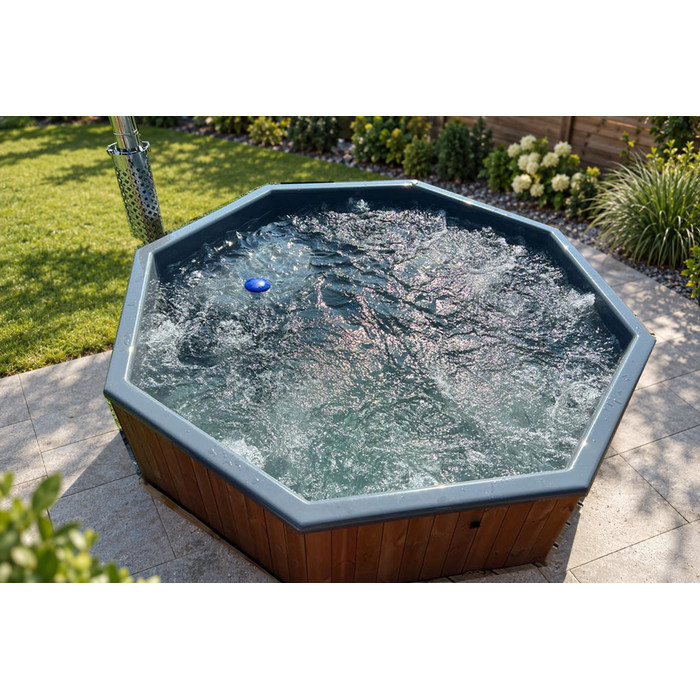
Make a short comparison sheet and give each requirement a status: confirmed, not met, or unknown. For example, on the Bloomcabin Hot Tub Haven 6 product page, mark a feature as confirmed only when current product information explicitly states it. If a detail is absent or unclear, leave it unknown and ask for written clarification. This prevents a polished description or an appealing photograph from turning a preference into an assumed specification, and it keeps your shortlist focused on facts that matter to your household.
Product Specifications to Compare
Once you have a few candidates, compare the same facts for each one. Look for current written information on exterior dimensions, stated seating capacity and layout, heating system, electrical requirements, included equipment, and manufacturer care guidance. Record the exact wording and where it came from, especially if a product name appears in more than one place or a listing does not identify a version clearly. If a crucial detail is missing, ask the seller or manufacturer to confirm it before you treat the model as a fit.
Do not use model names as a shortcut for technical information. The number in the Fjord 8 product listing does not by itself establish how many people the tub seats, how large it is, or how it is heated. Keep each comparison category separate: exterior dimensions answer a space question, while a stated capacity and seating layout address different aspects of use. Likewise, record what equipment is included separately from what is available as an option. If one listing gives a precise detail and another uses only a broad description, do not treat those entries as equivalent. Write down the specific answer needed to complete the comparison. This keeps a richly described listing from appearing more suitable merely because it contains more text, and it makes questions to the seller more focused.
Resolve Site and Installation Questions Early
A backyard that looks spacious may still raise questions about access, the supporting surface, available utilities, or preparation. Those are not questions to settle by estimating from a product photograph or attempting technical calculations yourself. Ask a qualified local professional to assess the specific location and explain what would be needed for the model under consideration. The appropriate professional can also identify whether other specialists should review the site or installation plan.
Share the exact product identity and any current written requirements with the people assessing the project. For the Cove 2 product page, for instance, the name alone is not enough information for a site review; obtain the relevant specifications first. Ask who is responsible for checking the access route, site preparation, utility work, delivery, and final placement, and what each estimate includes. Distinguish the route used to deliver the tub from the route your household will use afterward; both matter, but they answer different planning questions. Also ask which decisions depend on the model and which concern the site regardless of your final choice. Get responsibilities and unresolved questions in writing before committing. This helps you understand whether a candidate requires work you are prepared to undertake, rather than discovering a gap between the purchase and the installation plan later.
Purchase and Ownership Costs
Compare the likely total project cost, not just the amount shown for the tub. Depending on the product and site, relevant variables may include delivery, preparation, installation, utility use, water-care products, maintenance supplies, and future service or parts. The actual amounts depend on the selected model, how it is used, local rates, the condition of the site, and the scope of the work. Ask for estimates that state what is included and excluded, then compare them using the same assumptions rather than treating unlike totals as equivalent.
Time and routine responsibilities are part of ownership, too. Read the manufacturer’s care guidance for each candidate and consider whether the steps, supplies, and ongoing tasks suit your household. For the Haven 6 listing, seek the current included-equipment details and care information so you can distinguish the purchase package from things you may need separately. Keep one-time project expenses apart from recurring costs in your comparison; combining them into a single total can obscure what ownership would involve after installation. Where an estimate depends on how often you use the tub, record that assumption rather than treating it as a fixed expense. Discuss who will manage routine care, arrange service when needed, and keep track of supplies. A model should fit the household’s willingness to manage those responsibilities as well as its purchasing budget.
Comparing the Models on Your Shortlist
Keep a shortlist small enough that you can review every candidate carefully. Once the essential requirements have been checked, compare the remaining models by the priorities you established earlier. Rather than awarding a point for every feature, explain what each candidate would mean for an ordinary week at home. Does its documented layout address your regular users’ preferences? Would the proposed location preserve the backyard activities you value? Are its care responsibilities acceptable to the person taking them on? A brief explanation beside each model is often more useful than a single overall score, which can hide why one option ranks higher. If household members favor different candidates, identify the specific trade-off behind the disagreement. That gives you something concrete to discuss without reopening every preference or adding more models to an already workable shortlist.
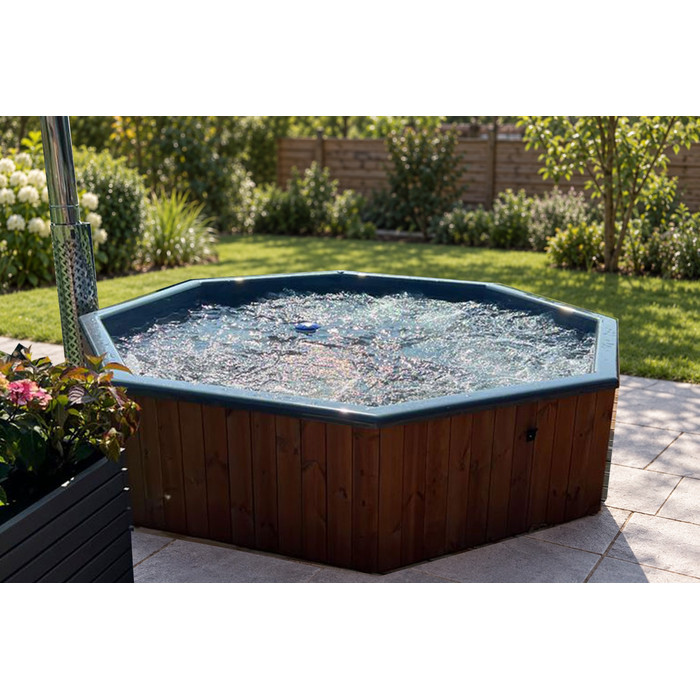
Use Bloomcabin Hot Tub Fjord 8 as one candidate in that comparison, applying the same priorities you use for the other models. When two options appear close, describe what choosing each would involve giving up. One might better match a preferred seating arrangement, while another might better suit a proposed location; these are examples of trade-offs to investigate, not claims about this model. Weigh those differences by how often they would affect you. A preference relevant to every use may deserve more attention than an extra intended for an occasional gathering. If an unanswered question could reverse the comparison, seek that answer before ranking the candidates. Otherwise, keep the decision focused on meaningful differences rather than continuing to collect features that do not address your original needs.
Making the Final Choice
Before deciding, review the exact model and version you intend to buy, including any options you have selected. Check that the information used in your comparison applies to that combination, rather than to a different version or a photograph showing optional equipment. Revisit any conclusions that depended on an assumption: perhaps a location was provisional, an included item was unclear, or an estimate covered only part of the work. Separate questions that could prevent the purchase from minor preferences you can comfortably leave unresolved. If a necessary answer is missing or the information conflicts, pause and ask for clarification. The purpose of this final review is to make sure the candidate you chose is still the product and project you expect, not to restart the entire search.
Choose the candidate that meets your essential requirements and offers the most acceptable everyday compromises—not simply the one with the longest feature list. If Bloomcabin Hot Tub Aurora 10 remains on your shortlist, summarize why it belongs there using the same household priorities you applied to every other model. You should be able to explain the choice in a few specific sentences: who it is intended for, how it fits the proposed setting, and which ownership responsibilities you have accepted. If that explanation relies mainly on appearance or an assumed specification, return to the relevant comparison rather than filling the gap with optimism. If none of the candidates meets a non-negotiable condition, widen the search. A useful shortlist can also show that you have not yet found the right match.
Frequently asked questions
How do I decide what size hot tub to choose?
Begin with the people who will use it regularly, then consider occasional guests separately. Compare the manufacturer’s stated capacity and seating layout with your household’s preferences, and check the exterior dimensions against the space you have. A model number is not a capacity specification.
Can I infer seating capacity from a model name or number?
No. Treat model names and numbers as identifiers unless the manufacturer explicitly confirms what they mean. Check the current product information for a stated capacity and seating layout, and ask for clarification if either is missing or ambiguous.
What should I check before choosing a backyard location?
Measure the usable area and consider the route to it, nearby doors and obstacles, privacy, and how the setting changes with weather or vegetation. A qualified local professional should assess site suitability, access, and any preparation or installation needs for the specific model.
Which details should I compare across product listings?
Look for current written information about exterior dimensions, seating, heating system, electrical requirements, included equipment, and manufacturer care guidance. Compare the same details for each candidate, and record anything that needs confirmation rather than treating it as included or suitable.
What costs should I consider besides the hot tub itself?
Depending on the model and site, the total may involve delivery, site preparation, installation, utility use, water care, maintenance supplies, and future service or parts. Ask what is included in each estimate and compare costs using the same scope and clearly stated assumptions.
A suitable backyard hot tub is one that matches ordinary use, fits a location assessed for the specific model, and comes with enough verified information to plan ownership realistically. Keep regular users and essential requirements at the center of the comparison, then weigh optional features and costs using consistent facts. Where a detail could change your decision, get a clear answer before you commit. That approach leaves you with a shortlist grounded in your household and backyard, rather than assumptions about what a name or image promises.
