
How to Grow Lemons and Citrus Trees in a Greenhouse
Bloomcabin / Cultivated GlassUnited States · Greenhouse Journal
The greenhouse citrus issue
How to Grow Lemons and Citrus Trees in a Greenhouse
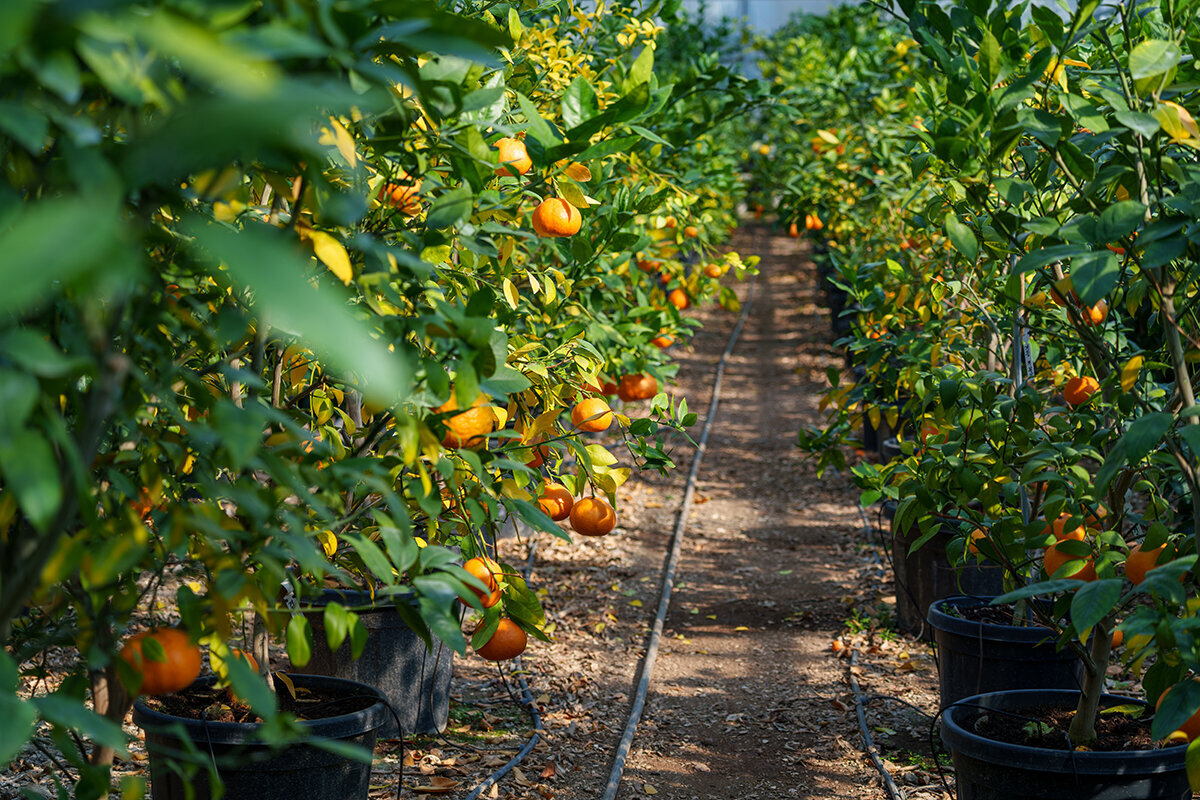
A lemon tree under glass is a long-lived container orchard: fragrant, exacting and deeply rewarding when light, roots, water and winter protection are treated as one connected system.
The real proposition
Citrus succeeds under glass when it is treated as a designed, movable orchard, not as a patio plant that happens to winter indoors.
Light is the engineWinter shelter is valuable, but glazing alone does not guarantee enough useful light. Place trees where they receive the brightest exposure and keep glass clean.
Roots set the paceA container tree has a finite reservoir of air, water and nutrients. Pot size, substrate structure and irrigation habits are therefore inseparable.
Seasonal movement mattersMost U.S. gardeners use the greenhouse as a transition room: bright, ventilated and warm enough in spring and fall; actively managed in summer and winter.
01 / Selection before sentiment
Choose a citrus tree that wants to live in a container
The most graceful greenhouse citrus collection begins with restraint. A compact, grafted tree from a reputable nursery is usually a better lifelong companion than an inexpensive seedling or a vigorous standard citrus intended for open-ground orchards. Seed-grown citrus may be handsome, but it is variable and can take many years to flower. Grafted plants unite a fruiting variety—the scion—with a rootstock chosen for vigor, size control or resilience.
Lemons
Meyer and other compact lemons suit the classic greenhouse dream: scented bloom, usable fruit and an accommodating habit. They remain cold-sensitive, so a hard freeze is not an acceptable winter strategy.
Limes
Highly fragrant and excellent in containers, but generally among the least forgiving citrus in chilly conditions. Reserve them for the warmest, most reliably protected part of the collection.
Mandarins
Satsuma-type mandarins and other compact mandarins can be excellent choices where a cool greenhouse is part of the plan. Variety and rootstock still govern actual tolerance.
Kumquats & calamondins
Two intelligent choices for smaller spaces. Their naturally smaller fruit and ornamental presence make them especially satisfying when the greenhouse is also a room to enjoy.
Buy with a question, not only a label: ask for the named variety, the rootstock if known, expected mature dimensions in a container, and whether the nursery recommends any specific cold protection. Citrus types do not share one universal temperature limit or growth habit.
02 / Read the trunk
The graft union tells you which shoots belong
On a nursery-grown citrus tree, find the slightly swollen, angled or scarred union low on the trunk. Keep it above the finished substrate line. Burying it risks encouraging the scion to form its own roots and defeats the point of the rootstock; it also makes inspection difficult.
Any vigorous shoot emerging from below that union is rootstock growth. Remove it cleanly while it is small. Leave shoots above the union to become the canopy, then shape them with light, selective pruning. A tree is not improved by annual shearing: citrus stores energy in its leaves, so remove crossing, damaged, excessively vertical or badly placed growth rather than stripping the crown.
Healthy structural roots need damp substrate plus air-filled pore space, not a permanently waterlogged lower pot. For greenhouse scale, favor a rounded, open canopy with enough clear trunk to water the pot and enough space around foliage for air to move. Turn the container a quarter turn every week or two during active growth if light arrives strongly from one direction.
ScionAbove union
Graft lineKeep exposed
SuckerRemove below
RootsNeed air
03 / The root workshop
Build a pot that drains, breathes and can be moved
A citrus container should be substantial enough to buffer summer heat and rapid drying, yet only modestly larger than the existing root ball. Moving a small tree directly into an enormous pot creates a broad volume of unused, wet medium that roots cannot quickly occupy. That is a classic route to slow growth and root trouble.
Repot in spring as active growth resumes, generally stepping up one pot size rather than making a dramatic leap. Many mature container citrus trees settle into a 15- to 25-gallon vessel, though a vigorous variety may need more and a compact tree may need less. Choose a pot with ample drainage holes, a broad stable base and a wheeled plant caddy rated for the loaded weight.
Use a high-quality, fast-draining container mix rather than garden soil. A useful structure combines an organic component for moisture and nutrient holding with coarse mineral material such as perlite, pumice or bark for air space. The goal is not a decorative gravel layer; it is a root zone that drains freely from top to bottom.
Container hydrology
Pot-to-root match
Water slowly
Moist roots
Air pores
Clear exits
A correctly matched container drains promptly and then dries gradually between waterings. An oversized pot can remain wet for too long; a root-bound pot can dry abruptly. Water evenly until a little exits the drain holes, and never let the base of the pot stand in saucer water.
04 / Irrigation as observation
Water the root zone, then let the tree answer
A fixed calendar is rarely precise enough for greenhouse citrus. A bright June week, a cloudy December stretch, a root-bound tree and a freshly repotted tree all use water differently. Check the substrate several inches down, lift the pot when practical, and watch the foliage as a confirmation—not as the sole signal.
1. Assess→
2. Apply→
3. Drain→
4. Adjust
Assess: feel below the surface. Water when the upper layer has dried but the root ball is not dust-dry.
Apply: water slowly around the pot until a small amount runs through rather than offering a shallow daily splash.
Drain: empty saucers and confirm that exit holes remain open. Citrus dislikes saturated roots.
Adjust: increase frequency in heat and active growth; reduce it as light, temperature and growth slow.
Water quality and fertilizer
Hard or alkaline water can gradually raise substrate pH and make micronutrients, especially iron, harder for roots to use. Do not respond to every pale leaf with extra fertilizer. First check moisture, root condition, recent temperature stress, pests and whether yellowing sits between veins or across the entire leaf.
During active growth, use a citrus or acid-loving fertilizer that includes micronutrients, following the product label and applying smaller doses rather than occasional heavy ones. University guidance for indoor citrus likewise emphasizes feeding while the plant is actively growing, not forcing growth in low-light winter conditions. If water leaves heavy mineral deposits, periodically leach the container with plain water and consider testing water and substrate before making aggressive changes.
Read leaves before you feed
Even yellowing
Green veins
Brown edges
Bronzed patches
Stippling
Even yellowing can relate to aging foliage, low light, wet roots or a general nutrient shortage. Green veins with pale tissue can point to micronutrient availability, sometimes linked to high pH. Brown tips may follow salts, dry roots or fertilizer excess. Water-soaked or bronzed patches suggest chilling, heat or sunscald. Stippling, webbing or stickiness calls for a close pest inspection.
05 / Blossom nocturne
Flowers are a promise, not an instruction to overwork the tree
Pollination
Many common greenhouse citrus selections are self-fertile and can set fruit without a second tree, but airflow and occasional insect activity help. In a closed winter greenhouse, a gentle shake of flowering branches or a soft artist's brush moved between open flowers can assist if fruit set is sparse. Do not over-handle every bloom: the point is light pollen movement, not ritual.
Fruit retention
Some fruit drop is normal. A recently moved, root-stressed, underlit or overly dry or wet tree will often shed flowers or small fruit to rebalance itself.
Patience
Keep water and feeding steady through bloom. Avoid heavy pruning at flowering time. If a young or struggling tree sets an extravagant crop, thin a portion so roots and canopy can continue to build strength.
Citrus can carry flowers, developing fruit and ripe fruit at the same time. That spectacle is one reason greenhouse citrus is so compelling—but it also explains why stability wins. Sudden heat, cold drafts, prolonged drought, saturated roots and sharp changes in light can all prompt leaf or fruit drop.
06 / The protected season
Summer ventilation and winter warmth are one climate conversation
A glazed greenhouse magnifies weather. In summer, citrus may need roof vents, open doors, shade and moving air long before the garden feels hot. In winter, the same structure needs a deliberate temperature envelope: not simply “indoors,” but enough light, protection from freezing and irrigation reduced to match the tree’s slower metabolism.
Summer: prevent heat stagnation
- Vent early. Automatic openers, roof vents and an exhaust or circulation fan prevent trapped heat around leaves.
- Use temporary shade cloth in periods of intense sun, especially after moving trees from a dimmer location.
- Acclimate gradually when moving citrus outdoors or back into high greenhouse light; abrupt exposure can scorch foliage.
- Keep containers off scorching paving where possible and check moisture more often during heat waves.
Bloomcabin greenhouse planning can include ventilation, shading, shelving and irrigation upgrades; see the overview of greenhouse accessories and finishes when designing a citrus-ready interior.
Winter: cool, bright, protected
Lemons and limes are notably freeze-sensitive, while some mandarins and kumquats may tolerate cooler conditions depending on cultivar and rootstock. A greenhouse in Minnesota, Colorado or New England requires a much more robust heating and monitoring plan than one in coastal California or the Gulf South. Never assume the glass house stays above freezing overnight.
Winter envelope
TemperatureNo freezing
LightBrightest bay
WaterLess, thorough
AirVent gently
Set a conservative thermostat target for the tenderest tree in the collection rather than relying on one universal citrus number. Keep glazing clean and avoid needless shade; low winter light limits how much water and fertilizer a tree can use. Water less often but thoroughly when needed, and vent briefly on mild days to reduce humidity without creating persistent cold drafts.
For a greenhouse intended to shelter citrus through real winters, volume, headroom and equipment matter. The Classic Aluminum Greenhouse offers roof windows as standard and can be considered with insulating glazing and heating options as part of a site-specific citrus plan. Position the tenderest trees where they are easiest to inspect and protect, not where they merely look most symmetrical.
07 / Diagnose, then intervene
Five greenhouse citrus problems that deserve a slower look
Root-zone alert
Leaves yellow, substrate remains wet
Pause feeding. Confirm drainage and inspect the pot weight, smell and root condition. Improve the watering interval and drainage before treating this as a fertilizer problem.
Light alert
Long, weak growth and few flowers
Usually a light problem first. Move the tree to the brightest position, clean glazing and avoid nitrogen-heavy feeding that pushes soft growth.
Pest alert
Sticky leaves or sooty residue
Inspect stems and leaf undersides for scale, whitefly or aphids. Isolate the plant if practical, remove pests according to label directions and improve airflow.
Salt alert
Crisp margins after regular fertilizing
Fertilizer salts can accumulate in a container. Flush with plain water only if the mix drains freely, then resume a lower, steadier feeding rate once the plant is actively growing.
Temperature alert
Leaf drop after a cold night or hot spell
Check the greenhouse maximum and minimum with a reliable thermometer. Stress events are often revealed by the record, not by a leaf alone. Modify ventilation, shade or heat before making major nutritional changes.
08 / A year under glass
The annual care calendar for a U.S. container citrus tree
Use this as a rhythm, not a substitute for local weather. In warm-summer northern states, outdoor summering may provide the strongest growth; in hot southern and western regions, the greenhouse may be most useful as a bright shoulder-season and winter shelter.
January–FebruaryProtect from cold, maximize light, water sparingly and inspect for scale or mites. Do not force growth with heavy fertilizer.
March–AprilAs buds swell, begin measured feeding. Repot or root-prune only if genuinely crowded. Open vents on sunny days.
May–JuneIncrease watering as growth accelerates. Acclimate to outdoor sun gradually if moving trees outside. Watch bloom and initial fruit set.
July–AugustPrioritize shade, airflow and consistent moisture. Feed lightly and regularly if active growth continues. Check daily during heat waves.
September–OctoberPlan the return under glass before nights become cold. Reduce shock by gradually adapting trees to reduced light.
November–DecemberSet the winter thermostat strategy, clean glass, reduce watering and monitor actual overnight lows at canopy height.
Any monthRemove below-graft shoots, turn containers for even growth, clean dusty foliage and harvest only when fruit is fully colored and fragrant.
At every changeWhen leaves react, trace the recent change in light, temperature, watering, fertilizer or location before reaching for another input.
For greenhouse architecture that supports this seasonal routine, explore Bloomcabin’s greenhouse design options and the practical guide to custom aluminum greenhouse planning. A citrus house benefits from clear circulation paths, room to roll heavy containers, accessible water and enough overhead space for a mature canopy.
Questions from the citrus bench
Greenhouse citrus FAQ
Can a lemon tree live in an unheated greenhouse?
Only where the greenhouse remains safely above damaging temperatures for that particular tree. For most U.S. climates, an unheated greenhouse is not dependable winter protection for lemon or lime. Use a thermometer at canopy level and plan heat or relocation before cold weather arrives.
Do greenhouse lemons need another tree for pollination?
Many common container citrus selections are self-fertile. A second tree is usually not required, though gentle air movement or occasional hand assistance can help in a very enclosed space.
How often should I water citrus in a greenhouse?
There is no useful universal interval. Water according to substrate dryness, pot weight, season, light and temperature. The correct aim is evenly moist, aerated roots—not constant surface dampness.
Why did my tree drop leaves after I moved it?
Citrus often reacts to abrupt changes in light, temperature and humidity. Acclimate it over several days, maintain steady watering, and avoid repotting, hard pruning and strong fertilizer all at once.
Should I prune my citrus tree every year?
Prune lightly and purposefully: remove dead wood, rootstock suckers, crossing branches and growth that spoils the intended structure. Avoid turning annual pruning into a severe haircut.
When is a greenhouse too hot for citrus?
When foliage is wilting despite adequate root moisture, leaves are scorching, or indoor temperatures are holding far above outdoor conditions. Open vents early, add air movement and deploy temporary shade before peak heat arrives.
Sources & further reading
A considered citrus library
These university and extension resources informed the growing guidance in this article. They are useful references when adapting a greenhouse citrus plan to your variety, water quality and regional winter conditions.
- University of Minnesota Extension — Growing Citrus IndoorsContainer mix, active-growth fertilizing, indoor temperatures and suitable citrus types.
- Rutgers Cooperative Extension — Growing Citrus in ContainersContainer drainage, winter considerations and selection notes for home growers.
- University of Florida IFAS — Citrus Nursery Production Guide: Irrigation and FertilizationProtected-culture irrigation principles, container media and efficient water delivery.
- University of Florida IFAS — Fertigation for Citrus TreesIrrigation and fertilizer management principles for citrus root systems.
- University of Florida IFAS — Citrus Cold ProtectionCold-injury context and the importance of site-specific protection strategies.
- University of Georgia Extension — Citrus Issues in the Home LandscapeGrafting, rootstock growth and crop-load considerations for home citrus.
Make room for an orchard
Give citrus the winter volume it deserves.
Plan for headroom, bright glazing, active ventilation and a clear route for rolling containers through the seasons. The result is more than a protected lemon tree: it is a cultivated room that carries fragrance, blossom and fruit through the garden year.
Explore the Classic Aluminum GreenhouseFor broader inspiration, return to the Bloomcabin United States greenhouse collection and design a glasshouse around the way you intend to grow.
