
How to Grow Rosemary in a Greenhouse
Bloomcabin cultivation notes / 21
How to Grow
Rosemary in a
Greenhouse
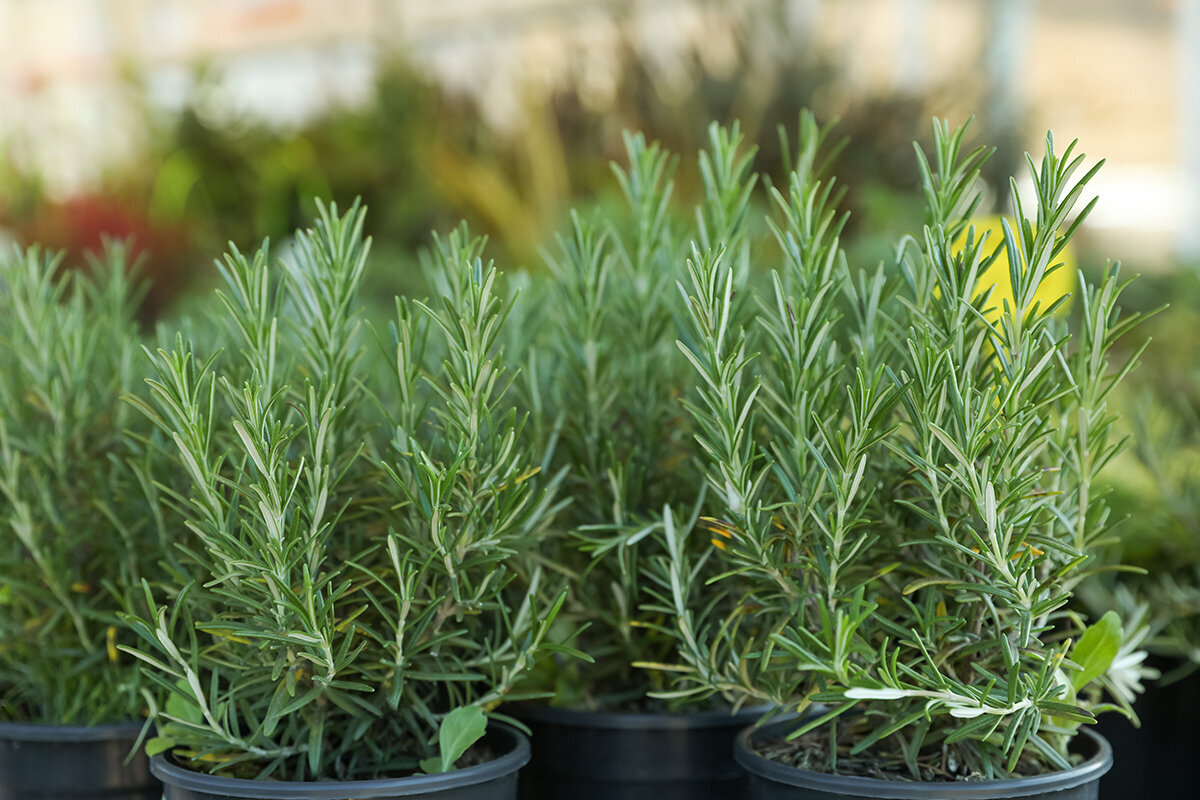
Give this aromatic evergreen the conditions of a bright, dry-edged Mediterranean courtyard: generous sun, a mineral root zone, air that moves, and pruning that always leaves living green growth behind.
Rosemary is not basil with tougher leaves. It is a small shrub whose perfume, structure and longevity are built by the conversation between light, roots, air and wood.
That distinction changes the way a greenhouse grower should read the plant. A soft annual herb often asks for continuously even moisture, quick feeding and frequent replacement. Rosemary asks for a clear wet-to-dry rhythm around its roots, bright exposure and a pot that does not become a cold reservoir. Its narrow leaves tolerate sun well, but its root system has little patience for low oxygen in a dense, wet medium.
In much of the United States, the greenhouse is especially useful because it gives rosemary a controlled, sunny home during the difficult transitions: late winter, cold wet springs, humid summer spells and the low-light months when plants brought indoors can decline. It is not a sealed box for making rosemary tropical. It is an instrument for preserving the plant’s preference for fresh air and decisive drainage.
Start with a healthy nursery plant or a cutting from a cultivar you enjoy. Then build the growing system around it. A thoughtfully configured Classic Aluminum Greenhouse gives a serious home gardener a luminous, durable setting in which ventilation, staging and seasonal routines can become part of the garden’s architecture rather than an afterthought.
01 / greenhouse position
Put light first; make air the second discipline.
Rosemary needs a genuinely bright site. Give a potted plant the sunniest bench or floor position available, ideally where it receives at least six hours of direct sun in the active growing season. In a glazed greenhouse, late-morning and afternoon sun can be intense, so watch the plant during its first warm weeks rather than assuming all glasshouse light is benign. Pale, stretched shoots and wide spacing between leaf clusters signal inadequate light; bronzed or bleached tips after a sudden move into intense sun signal a need for gradual acclimation or temporary shade.
Place the pot where it is easy to inspect and where air can move around all sides. Do not wedge rosemary into a crowded herb shelf behind basil and dense foliage. The center of a bench, a low plinth close to a roof vent, or a position near a louvered side opening is often better. Keep a little physical space between pots so leaves dry promptly after watering and so the plant’s resinous canopy does not become a still, humid pocket.
Greenhouse ventilation matters because rosemary can face two opposite problems on the same day: elevated heat under glass and humid, stagnant air around the foliage. Open roof vents early on bright days, then use doors, side vents or a circulating fan to create an exchange rather than a hot pocket at the ridge. Bloomcabin’s guide to automatic greenhouse window openers is useful for gardeners who cannot manually respond to rapidly rising temperatures every afternoon.
Practical orientationSouth or southwest exposure is excellent in cooler regions. In the Desert Southwest, Gulf Coast or any greenhouse that overheats, prioritize vent capacity, morning ventilation and the ability to soften the fiercest midsummer sun with a removable shade treatment.
Bench etiquetteKeep rosemary separate from trays that require high humidity. A greenhouse can hold different microclimates, but one wet bench routine should not dictate every plant’s care.
02 / form and vessel
Choose a plant that suits the room you have.
For cooking and an upright architectural presence, look for an upright cultivar such as ‘Tuscan Blue’ or ‘Gorizia’. These make excellent single specimens in a generous pot, with stems that can be harvested as they mature. Compact selections, including ‘Blue Boy’, are easier to hold on a bench. Trailing forms are handsome in elevated planters or hanging positions, but they still need full light and should not be used where their cascading foliage blocks airflow beneath a shelf.
Named rosemary cultivars are best propagated from cuttings because seed-grown plants may be variable in growth habit and flavor. Buy a plant with firm, aromatic foliage and a root ball that is neither bone dry nor standing in water. Avoid a specimen with blackened stem bases, gray mildew within the canopy, or a heavy peat plug that stays wet for days.
03 / root-zone architecture
Drainage is not an accessory. It is the planting plan.
Use a container with an unobstructed drainage hole and a loose, free-draining potting medium. A good premium potting mix can be opened with coarse perlite, pumice or fine horticultural grit so water moves through while enough organic material remains to hold nutrients. The objective is not a sterile pile of stones; it is a root zone that can be watered thoroughly, drain completely and then admit air as it begins to dry.
Raised pot
Open drain / air below
Full saucer
Standing water / avoid
Oversized vessel
Excess wet mix / risk
Raised pot: Set the container on feet or a slatted bench. The crown should sit slightly above the finished medium, and excess water should leave through an open hole instead of collecting beneath the pot.
Saucer discipline: A saucer may catch runoff briefly, but empty it after watering. Leaving it full allows water to wick upward and keeps the lower root zone wet long after the surface appears dry.
Right-size the vessel: Match the container to the root mass. Too much cool, damp mix around a small root system can cause sparse growth and root trouble before the pot looks visibly waterlogged.
Set the root ball so the crown is at, or just above, the surrounding mix. Burying the woody base encourages it to stay damp, particularly in winter. Water in after potting, allow free drainage, and then wait to water again until the upper inch or so feels dry and the pot feels meaningfully lighter.
Do not rely on a decorative gravel layer at the bottom of a pot to repair a poorly draining medium. It reduces the volume available for roots and does not substitute for a drainage hole or an open mix. Better to amend the medium evenly and elevate the pot itself.
04 / moisture cadence
Water deeply, then let the root zone breathe.
Spring
As days lengthen, new shoots use more water. Check often, but do not switch to daily watering by habit. Water when the upper mix has dried and the pot is lighter; drain the saucer promptly.
Summer
On bright, hot days a container may dry quickly. Water in the morning, soak the root zone rather than wetting foliage, and ventilate before heat accumulates.
The rosemary test
Push a finger into the upper inch of mix, then lift the pot if you can. Dry surface plus a light container is a better cue than a calendar. When it is time, water evenly until a little runs out of the drainage hole. That flushes the entire root zone and confirms that the route out is open.
NeverKeep rosemary continually damp because it is in a greenhouse. Protected cover can slow drying dramatically during cloudy weather.
UsuallyLet the upper layer dry slightly between waterings. Rosemary is drought-tolerant once established, but a container should not be left dry for prolonged periods in active growth.
AlwaysAdjust for pot material, plant size, sun, air movement and season. A clay pot on a sunlit bench is a different system from a glazed ceramic pot on a shaded floor.
Feed lightly. A modest, diluted balanced fertilizer during active spring and summer growth is enough for most potted rosemary. Avoid pushing lush, floppy growth with frequent high-nitrogen feeding; excessive fertilizer can compromise the dense, aromatic character you want from a culinary shrub.
Fall
As light and growth decline, reduce watering frequency. Do not leave the plant wet before a run of cloudy days or a cool night.
Winter
Water only after the mix has begun to dry. The plant uses little water in low light, yet a warm, sunny day can still dry a small pot. Observe rather than follow a fixed interval.
Mistake ledger / 01Watering a little every day keeps the lower root zone damp and never fully refreshed.
Mistake ledger / 02Using a cachepot or saucer as permanent water storage deprives roots of oxygen.
Mistake ledger / 03Fertilizing a stressed, waterlogged plant adds salts to roots that already cannot function well.
05 / wood and renewal
Prune for living green, not for a dramatic haircut.
Rosemary responds well to regular, modest harvesting and tip pruning. It does not reliably resprout from completely leafless, old wood. That is why the goal is to keep a supply of younger, leafy stems distributed through the plant rather than allowing a handsome shrub to become a bare-legged thicket and then cutting it back hard in one rescue attempt.
After a flush of growth or flowering, take a little from several green tips. Cut just above leafy side growth, leaving visible green needles below every cut. Remove dead, damaged or crossing twigs first, then lightly shape the outside. If the plant has grown unevenly toward the glass, rotate the pot periodically and make small corrective cuts while the stems are still flexible.
Harvest the tender ends. Take a few inches from vigorous green shoots for cooking. Spread the cuts around the plant.
Read the wood. Productive mature stems are firm and leafy; old bare wood is structural, not a reliable place to ask for new growth.
Renew gradually. Over several months, shorten selected long shoots back into leafy territory rather than stripping more than a modest portion at once.
Fresh green — harvestMature leafy — shortenOld bare wood — do not cutSemi-ripe tips — cuttings
06 / propagation bench
Make insurance plants from semi-ripe cuttings.
Taking cuttings is the sensible way to preserve a favorite rosemary plant. It also gives gardeners in cold-winter states a practical backup: a small rooted cutting is easier to manage through winter than a sprawling mature container. Select clean, non-flowering shoots that are beginning to firm but are not hard and brittle. Spring through late summer is a good working window when the parent plant is actively growing.
Use clean snips to take 4- to 6-inch tip cuttings. Remove lower needles, leaving foliage at the top, and make sure no leaves are buried in the rooting medium. A sterile, airy soilless mix is preferable to garden soil. Rooting hormone is optional but can be useful. Penn State recommends bottom heat around 70–75°F for rosemary cuttings; in a greenhouse, gentle bottom heat can make rooting more even when ambient temperatures are variable.
01 / SelectHealthy tip
02 / PrepareClear lower needles
03 / Insert1–1½ inches deep
04 / RootMoist, never sodden
05 / TestNew growth
06 / Pot onIncrease sun slowly
Make a hole in the medium before inserting each cutting so its lower stem is not scraped bare. Keep two or three small leaf clusters above the mix, then firm the medium gently. A light cover may help prevent severe drying, but it should be vented regularly rather than used as a sealed humidity chamber.
After several weeks, a cutting that resists a very gentle tug and begins making new growth is likely rooting. Move rooted cuttings into small individual pots, keep their first watering cycles measured, and increase direct sun gradually before treating them as mature rosemary plants.
07 / flower and flavor
Harvest with enough restraint to keep the plant handsome.
Rosemary’s blue, pale violet, pink or white flowers are useful to pollinators when a greenhouse door or vents are open and are perfectly edible as a garnish. But the lasting reward is the foliage. Harvest in the morning after leaves are dry, taking young, aromatic sprigs from around the plant rather than one severe cut from a single side. Regular light harvesting also helps maintain a tight outline.
For drying, cut clean stems before the plant is carrying a heavy flush of flowers, tie small bundles and dry them in a dark, airy place. Do not dry herb bundles in the greenhouse during hot weather; the heat can be excessive and the environment may not be consistently dry. For cooking, use fresh needles soon after cutting, or strip and freeze chopped leaves in a small airtight container.
“The culinary quality of greenhouse rosemary comes from concentrated, well-lit growth—not from treating the plant as though thirst and neglect are the same thing.”
08 / the annual climate
Use the greenhouse to soften winter, not to suspend the seasons.
Rosemary is generally hardy outdoors only in warmer parts of the country, commonly USDA Zones 8 to 10. In colder regions it is usually grown in a pot, sheltered for winter, or treated as a seasonal plant. An unheated greenhouse can protect foliage from wind and frost but may still fall below temperatures a tender rosemary plant can tolerate. A heated greenhouse should be managed for light and airflow as carefully as for warmth: cool bright conditions are often easier on rosemary than a hot, dim, stagnant corner.
WinterVent when possible. Keep pots off wet floors.
SpringResume checks; take cuttings from vigorous growth.
SummerRelease heat early; maintain cross-ventilation.
FallReduce water and prepare for frost timing.
Winter risk is mostly an interaction of reduced light, cool mix and enclosed humidity. Water sparingly, but do not let a small pot remain dry for weeks simply because it is winter. In spring, increase watering only as growth resumes. Summer calls for early roof-vent opening and, in very hot regions, removable shading at the fiercest part of the day. In fall, stop pushing lush growth with fertilizer and use your local first-frost timing to decide whether a mature pot needs more protection.
For greenhouse planning beyond a single herb pot, browse Bloomcabin’s overview of greenhouses and conservatories and its practical aluminum greenhouse product information. The best rosemary set-up is one that has a clear route for light, ventilation and easy daily access in every season.
09 / symptom corridor
Diagnose the growing system before treating the leaves.
Soft base, dull foliage, brown tips
Likely issue: root stress or rot from overwatering, poor drainage or a cold wet pot.
Response: check the drainage hole, empty standing water, remove saturated medium if necessary and repot into a clean, open mix. Reduce watering while the plant re-establishes. Do not fertilize a stressed root system.
White or gray film inside the canopy
Likely issue: powdery mildew or other fungal pressure encouraged by crowding and stagnant humidity.
Response: remove affected foliage, increase spacing and ventilation, water the medium rather than the leaves, and avoid keeping the greenhouse shut through mild damp weather.
Fine stippling, webbing, pale foliage
Likely issue: spider mites, especially in hot, dry, stressed greenhouse conditions.
Response: isolate the plant, inspect leaf undersides, rinse foliage carefully where appropriate and improve regular scouting. Do not confuse dry greenhouse air with an instruction to let the root ball fail.
Other indoor and greenhouse pests can include aphids, whiteflies, mealybugs and scale. Catching problems early is far easier than attempting a correction after a dense rosemary canopy is badly compromised. Make inspection part of harvesting: hold a sprig, look into the center, check the base and then decide whether the plant needs water, air, pruning or simply to be left alone.
10 / four quiet routines
A seasonal rosemary checklist
Late winterClean glazing, check roof vents, inspect for mites and remove any dead twigs. Water only when the pot has begun to dry.
Mid-springRepot if roots are circling tightly, refresh the medium and begin light feeding as fresh growth becomes consistent.
High summerVent early, water thoroughly when needed, harvest tips lightly and avoid trapping humid air overnight after watering.
Early fallTake backup cuttings, reduce fertilizer, watch the forecast and decide whether the mature pot needs a protected winter position.
If you are building an herb-focused greenhouse from the ground up, Bloomcabin’s article on custom aluminum greenhouses offers useful perspective on ventilation, shading, shelving and irrigation choices. For rosemary, favor a plan that leaves enough room around one or two substantial container specimens rather than filling every surface with thirsty annual herbs.
Rosemary greenhouse FAQ
Questions from the potting bench
Can rosemary grow year-round in a greenhouse?
Yes, provided it receives strong light, airflow, well-drained medium and temperatures appropriate to your greenhouse. Growth will slow substantially in winter without supplemental light, and watering must slow with it. In colder regions, a greenhouse may need frost protection or heat to keep a tender rosemary plant alive through winter.
How often should I water greenhouse rosemary?
There is no useful universal number. Check the upper mix and the pot weight. Water thoroughly when the medium has begun to dry, then allow it to drain and dry slightly again. Sunny summer days may require frequent checks; cloudy winter weeks may require very little water.
Should rosemary sit in a saucer of water?
No. A saucer can protect staging or flooring while you water, but it should be emptied after runoff has collected. Rosemary’s roots are sensitive to consistently wet, poorly aerated conditions.
Can I cut rosemary back hard when it becomes woody?
Be careful. Rosemary does not reliably break from leafless old wood. Prune gradually and leave green, leafy growth below each cut. If a plant is badly leggy, take cuttings from healthy tips before making modest corrective pruning cuts.
Why are the lower needles browning while the soil is wet?
This often points to root stress rather than thirst. Check for blocked drainage, a water-filled saucer, a pot that is too large, compacted mix, low light and stagnant air. Correct the conditions before adding more water.
Sources & further reading
Grounded in horticultural practice
- Penn State Extension — Rosemary: https://extension.psu.edu/herb-garden-plants-rosemary
- Penn State Extension — Growing Herbs Indoors: https://extension.psu.edu/growing-herbs-indoors
- University of Illinois Extension — Rosemary: https://extension.illinois.edu/herbs/rosemary
- University of Illinois Extension — Cuttings: https://extension.illinois.edu/houseplants/cuttings
- Colorado State University Extension — Container Gardens: https://extension.colostate.edu/resource/container-gardens/
- UC ANR / UC CalFresh — Rosemary Fact Sheet: https://uccalfresh.ucdavis.edu/sites/g/files/dgvnsk2286/files/inline-files/Rosemary_Fact%20Sheet.pdf
A greenhouse with room to breathe
Give your rosemary a bright, ventilated room of its own.
A successful rosemary plant is a small lesson in good greenhouse design: clear light, easy access, measured water and air that never stands still for long. Choose a Bloomcabin greenhouse that makes those habits effortless, then let a fragrant evergreen shrub become part of the architecture of your garden.
Explore the Classic Aluminum Greenhouse