
How to Plan Water Supply and Drainage for a Backyard Hot Tub
Site preparation
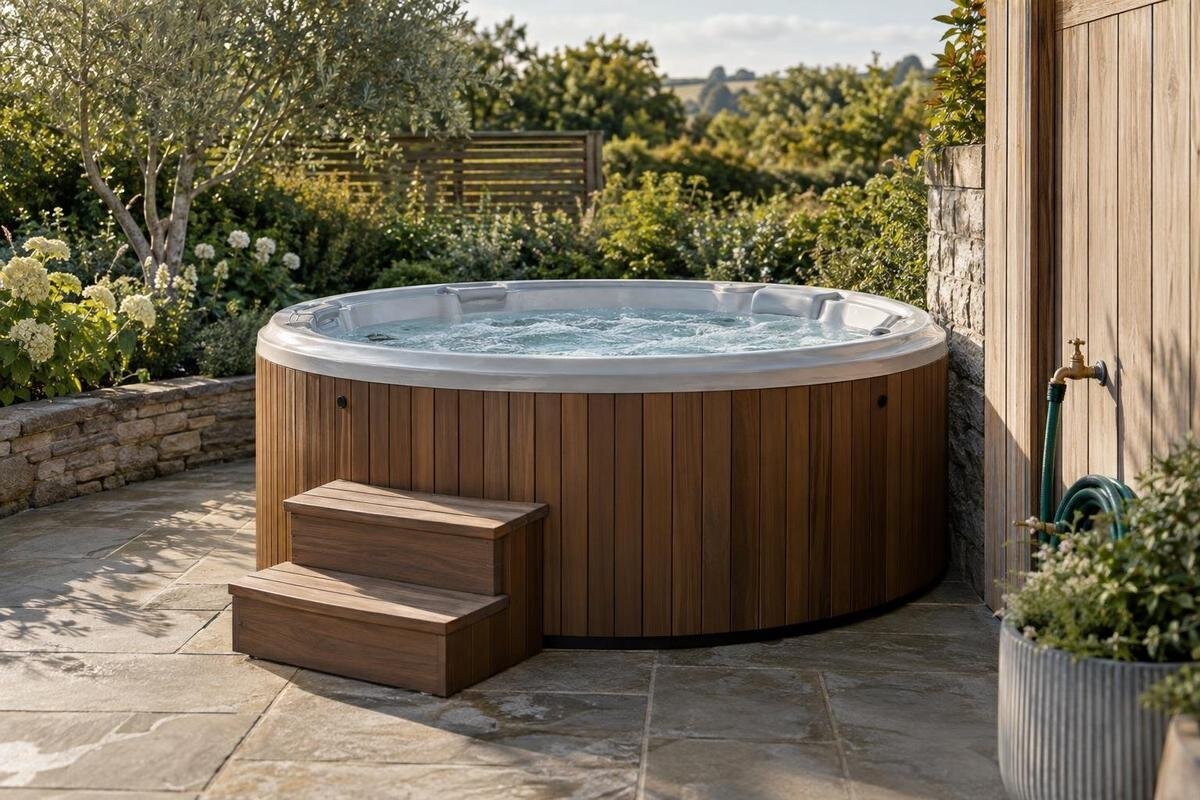
Choosing a backyard hot tub before tracing its water route can leave two basic questions unanswered: how will the site supply the initial fill, and where can the used water go? Treat filling and draining as one plan. Identify the source, measure hose access, find the exact model's drain method, and confirm a practical destination with the relevant local authority or utility before ordering. A nearby spigot, storm-drain grate, or patch of lawn is not, by itself, proof that either route will work.
Confirm the Model's Fill Volume
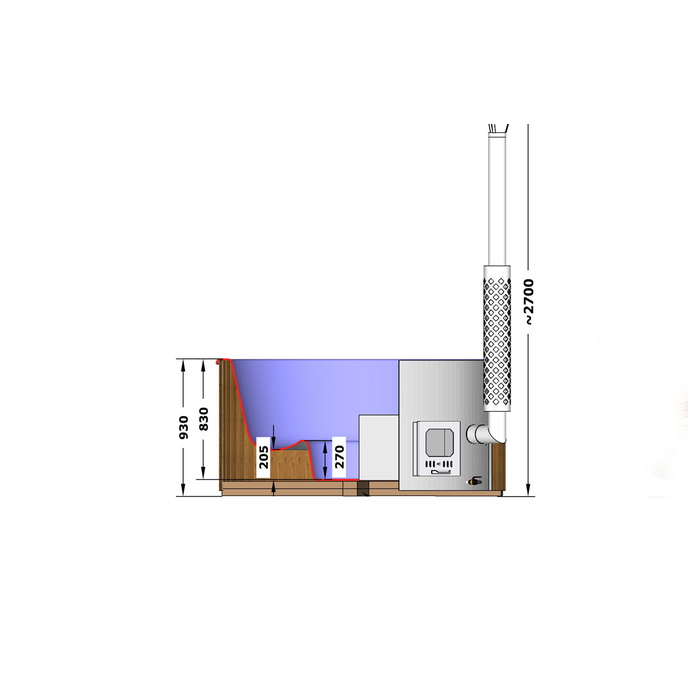
Start with the amount of water the exact model needs at its specified fill level. Ask the seller or manufacturer for current instructions or documentation that explains the initial fill amount, or how to determine it. That information matters at both ends of the plan: your source must be able to supply the water, and the discharge route must account for the amount that will later leave the tub. A figure for a different model is not a reliable substitute, and a product name or photograph does not establish capacity.
Record the exact model name and the documented fill information before comparing site options. The Bloomcabin Hot Tub Cove 2 product page can help identify the listing when you request model-specific instructions; it does not replace those instructions. If the amount is not published, ask the seller or manufacturer rather than estimating from a number in the model name. Keep the volume and its unit together in your notes so everyone reviewing the plan is working with the same information. Also distinguish the initial fill requirement from the amount expected during a routine drain, and ask whether those figures differ for the specified procedure. A utility or drainage professional needs to know which amount your question concerns. Resolving that distinction early makes later discussions about supply, discharge, and cost more useful.
Check Your Water Source and Available Flow
Identify the source you will actually use: for example, an outdoor hose bib or spigot, a shared supply, or a private well. Confirm that the connection is accessible and that using it for the fill will not conflict with other household or property needs. If the available flow is uncertain, ask the water provider, property manager, or a qualified well professional what to expect rather than judging by a brief look at the faucet. A nearby tap is convenient only if it can serve the planned use.
Water source and water quality are separate questions. If you use a private well, shared supply, or source with known water-quality concerns, check the model's current water-care guidance and ask an appropriate water professional what information you need before filling. Do not assume that water suitable for one tub or treatment approach will suit another. When asking about Bloomcabin Hot Tub Haven 6, give the exact model name and request its documented requirements. For a shared source, establish who controls access and whether you need to arrange a time to use it. Consider future refills as well as the first fill: a source available during installation may not remain convenient afterward. If access depends on another person, include that arrangement in your plan rather than treating proximity to the faucet as guaranteed access.
Measure the Hose Route to the Fill Point
Map the hose path from the source to the fill point specified in the model instructions. Measure the route the hose would actually follow, including turns and obstacles, rather than relying on the straight-line distance between the spigot and tub. Note gates, steps, planting beds, sharp edges, pinch points, and places where a door, vehicle, or regular foot traffic could trap or cross the hose. Confirm that the hose and any connector are compatible with the filling method described by the manufacturer.
Think through how the route works while the tub is being filled. The hose should not create an avoidable trip hazard or block a frequently used entrance, and the person monitoring the fill should be able to reach the shutoff. Keep the hose end clean and follow the manufacturer's instructions for its position and the fill endpoint. For Bloomcabin Hot Tub Fjord 8, request the current model information needed to locate the specified fill point. Walk the proposed route with the hose before relying on its stated length; check whether it reaches without being pulled tight around corners. Include room to handle the hose at both ends. Decide where it will be stored afterward and whether retrieving it requires moving furniture or opening a locked gate. These details help make the route practical for repeated use, not just delivery day.
Use the Correct Filling Procedure
A model's current owner or installation instructions should settle how it is filled. Check for the designated fill point, the required water level, any stated sequence, and any relevant restrictions on the filling method. A hot tub may not be filled the way a buyer expects, so do not assume that water should enter through a particular opening or that a familiar method from another unit applies. If the instructions are unclear, ask the seller or manufacturer to explain the procedure for the exact model before setting up the hose route.
Confirm whether the filling procedure calls for a particular hose, connector, or other accessory, and whether any item is included or must be sourced separately. Do not select an adapter based on appearance alone or force a connection that the instructions do not describe. When reviewing the Bloomcabin Hot Tub Aurora 10 product page, use the exact model name to request its current fill instructions and accessory requirements. Separate equipment questions from operating questions: knowing which connector to obtain does not explain where to introduce water or when to stop. Before the first fill, make sure the person carrying it out can identify the specified water level and reach the instructions without leaving the process unattended. If more than one person is helping, agree on who monitors the level and who controls the water supply.
Locate the Drain Outlet Before Choosing a Route
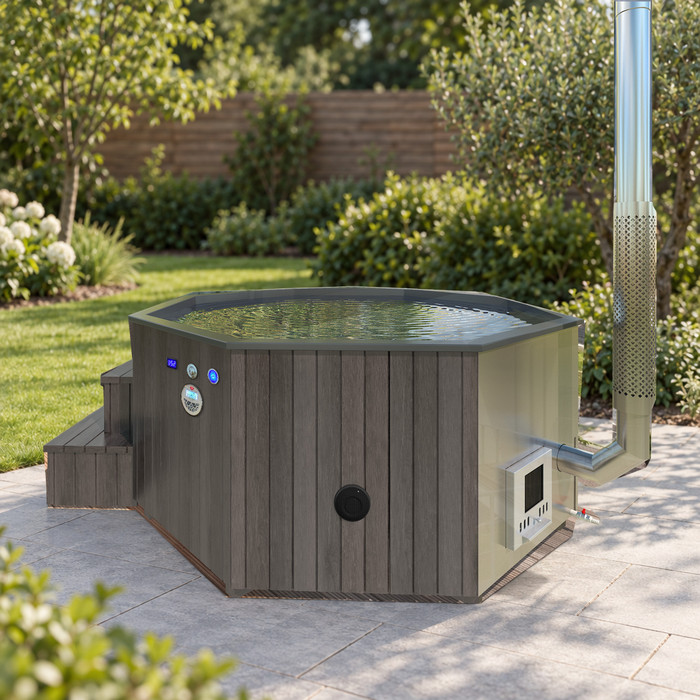
Find out how the exact model is meant to be drained before choosing a discharge path. Ask for the outlet location, the documented draining procedure, and any access space needed to reach the outlet after installation. Do not rely on a photograph or assume the outlet sits at a particular side or height. If the outlet would be hard to reach once the tub is in place, resolve that issue with the seller or installer in advance rather than planning to move or tilt the tub.
Ask whether the specified method requires a hose, connector, pump, or other accessory, and which parts, if any, are compatible. Do not assume that water will drain by gravity or that a generic hose will fit. For the Cove 2 listing, request the model-specific outlet and draining information, then map a route from that point to a destination you are still investigating. The drain route may differ from the filling route, so plan each one separately. Review outlet access with any proposed steps, screening, or surrounding finishes shown on the site sketch. Ask the installer whether those features would obstruct the documented draining procedure or access to a required connection. Plan where the person handling the hose would stand and how they would reach the outlet. An outlet location alone does not establish that the connection will be convenient to use.
Evaluate Possible Discharge Destinations
A sanitary sewer, storm drain, septic system, and the soil in your yard are all destinations to investigate, not automatic options. Ask the wastewater utility or sewer operator whether it accepts hot tub water and what method, if any, it allows. Ask the stormwater office or system operator about any proposed storm drain. Do not assume that a nearby grate connects to the sanitary sewer, or that a connection that takes household wastewater can also accept spa water.
If you have a septic system, ask the local health department or a qualified septic professional whether the system or any nearby area is relevant to your discharge plan. Do not treat a septic tank or drainfield as spare disposal capacity. Soil is not automatically suitable either; its ability to absorb water and the route runoff takes both matter. When discussing the Haven 6 listing, use the documented amount of water for the exact model in your questions. Describe the destination precisely rather than asking only whether you can drain into the yard. Identify the proposed spot, how water would reach it, and what lies nearby. If one destination is ruled out, evaluate an alternative on its own merits. Permission for a particular connection or location should not be treated as an answer about a different route.
Check Where the Water Would Flow
Trace the proposed discharge route across the yard and identify where water could pool or flow. Note the ground's slope, paved or compacted areas, low spots, drainage swales, retaining features, and nearby buildings. A patch of grass does not prove that the soil can absorb a full drain without pooling. Consider whether runoff could reach a foundation, walkway, property boundary, road, surface water, private well, or septic area, and resolve concerns before relying on that path.
Observe how rainwater normally moves around the site, but treat that observation as a clue rather than proof that it can accept a hot tub's discharge. Do not run a test discharge until you have confirmed that the destination and water-care conditions are acceptable. Ask the manufacturer for the drain volume associated with the Fjord 8 product page and use that documented figure when discussing runoff with a qualified drainage professional or local authority. Show them both the intended hose endpoint and the area beyond it, including any low spots or property boundaries. Ask whether the proposed route needs further assessment and whether changing the endpoint would address the concern or merely move it elsewhere. Keep any proposed drainage changes separate from confirmed arrangements on your sketch so an unresolved runoff problem does not disappear from the buying decision.
Ask Local Authorities and Utilities About Discharge
Contact the office responsible for the destination you are considering. Depending on the route, that may be a wastewater utility, sewer operator, public works department, stormwater office, or county health department. Explain that the water comes from a hot tub and ask whether that destination is acceptable, what conditions apply, and whether a specific connection or permission is needed. These are questions to resolve for your address and planned route, not details to guess from a general guide.
Have the exact model name, documented drain volume, water-care products, intended outlet, and a simple route sketch ready. Ask which office is responsible if the first contact cannot answer, and keep a record of the guidance and any follow-up needed. If an office directs you to state or federal guidance, check the current instructions from the agency it identifies. When asking about the Aurora 10 listing, identify the model precisely and describe the actual discharge proposal. Record the date, office, and destination discussed so you can distinguish an answer about your plan from general information. If you later change the endpoint, connection, or route, ask whether the earlier guidance still applies. This gives you a usable record of what has been resolved without assuming that one conversation covers every possible disposal option.
Include Water-Care Conditions in the Drain Plan
Used hot tub water may still contain products used to treat it, so the acceptable disposal method can depend on the water-care instructions as well as the destination. Check the current instructions for the tub and the labels for the products you use. Ask the relevant utility or agency whether it sets conditions for water before discharge, such as a required waiting period or other handling steps. Do not assume clear-looking water is automatically acceptable or choose a chemical treatment or threshold without applicable guidance.
Resolve any stated conditions before choosing the route or scheduling a drain. If guidance is unclear, ask the manufacturer, product maker, or responsible local office for clarification instead of improvising by adding chemicals or changing the procedure. Make sure the planned destination remains suitable after those instructions are followed. Keep the product names and relevant label directions with your drainage notes so the person handling the water knows which guidance applies. If the utility's answer refers to a condition you do not understand, ask how it should be assessed and who can help. Do not substitute appearance or a guess for that answer. If you change water-care products later, revisit any discharge guidance that depended on the previous products. The plan should reflect the water you will actually drain, not only the products considered before purchase.
Settle Supply and Drainage Constraints Before Ordering
Put the plan on one sketch: water source, measured hose route, model's specified fill point, drain outlet, proposed discharge destination, and the path water would take. Mark what is confirmed and what still needs an answer. If the source is unreliable, the outlet is inaccessible, or no proposed destination has been cleared, resolve that limitation before choosing a model. A different route, professional assessment, or site adjustment may be needed; do not assume that the tub can simply be drained onto the nearest open ground.
Build a budget around the confirmed supply and drainage arrangements. Relevant variables may include hose length and compatible accessories, work to improve water access, professional advice, an acceptable discharge connection or route, runoff-related site changes, and any applicable water or sewer charges. Ask providers and qualified professionals for estimates based on the confirmed scope. Separate one-time purchases or site work from expenses that may recur when the tub is refilled or drained. Identify who will arrange each item, particularly if the seller, installer, utility, and homeowner have different roles. An unresolved allowance is not the same as a confirmed price, so keep outstanding estimates visible when comparing options. A model is a practical choice only when you can supply its documented fill and manage its eventual discharge in a way that works for the site and meets the applicable requirements.
Frequently asked questions
Can I fill a hot tub with a garden hose?
Only if the current instructions for the exact model allow that filling method and the hose and any connectors are suitable. Check where the water should enter and how to tell when the tub has reached its specified fill level. Do not assume the method from another model.
Can I drain hot tub water onto my lawn?
A lawn is not automatically an acceptable destination. Confirm local discharge requirements and water-care conditions, then consider whether the soil and yard can handle the full volume without pooling or sending runoff toward a building, property line, or other sensitive area.
Can I use a nearby storm drain?
Do not assume a grate or drain is suitable based on its location or appearance. Ask the local stormwater office or the system operator whether the proposed discharge and route are acceptable. A storm drain and a sanitary sewer are not interchangeable.
How do I find the hot tub's drain outlet?
Use current instructions or installation information for the exact model, or ask the seller or manufacturer to identify the outlet and approved draining method. Confirm its location and any required hose, connector, or accessory before planning the route; do not infer these details from a product photo.
What should I ask the local utility before ordering?
Describe the exact model, the documented amount of water to be drained, the water-care products used, the intended destination, and the route. Ask which destinations and discharge conditions apply, whether a connection or permission is needed, and which agency to contact if the utility does not oversee that destination.
A workable water plan connects a documented fill requirement to a dependable source, then connects the model's actual drain method to a confirmed destination. When the source, hose route, discharge conditions, or runoff path is still uncertain, settle that question before ordering. That way, the tub you choose can be matched to the water access and drainage options your backyard can genuinely support.
