
How to Plan Your First Wood-Fired Hot Tub Session
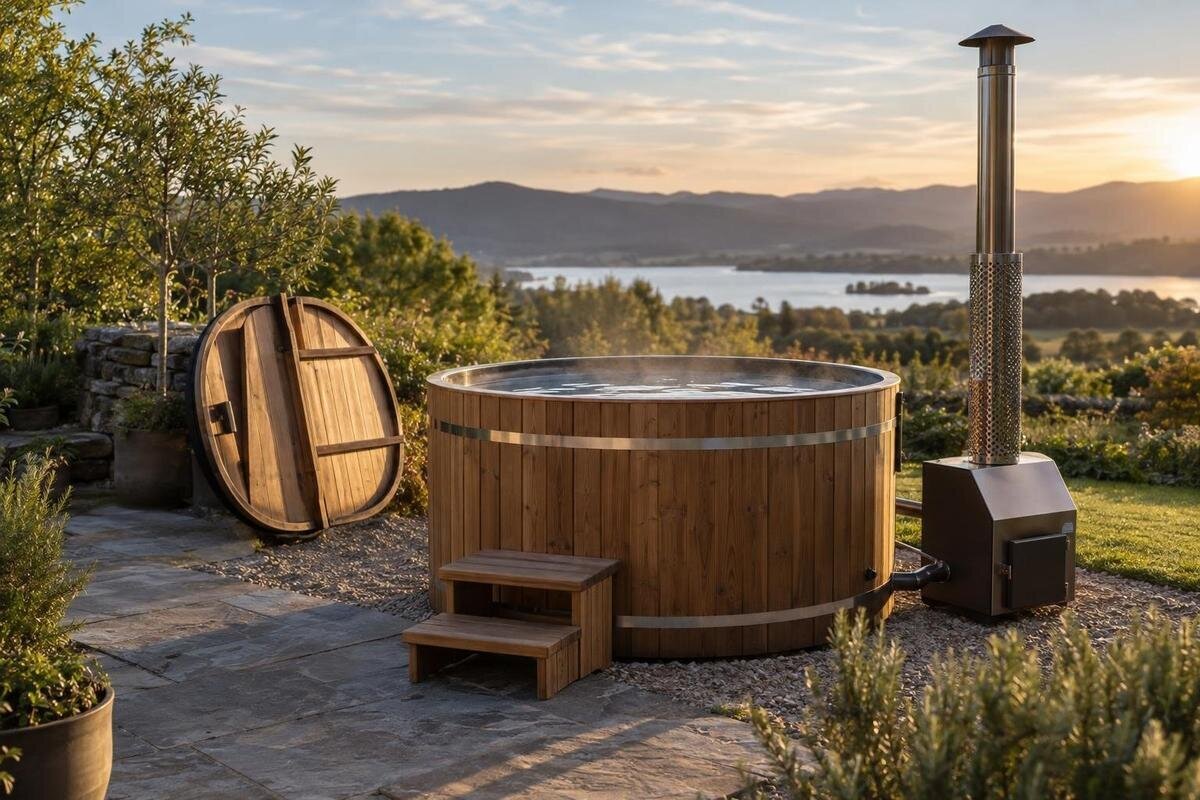
First-session planning
Your first wood-fired hot tub session is easier to organize as a sequence with room for delays than as an appointment with a guaranteed start time. First confirm that the exact configuration is wood-fired, then locate instructions for that model and identify its preparation, water-readiness, use, and shutdown requirements. Build the schedule around those requirements—not a guessed heating duration—and invite guests only with enough flexibility to adjust. Product names and images identify a model; they do not establish its heater, capacity, or operating procedure. This guide helps plan one session without substituting general advice for the manufacturer’s instructions.

Confirm the Exact Model and Heating Option
Before putting a date on the calendar, confirm the exact tub and heater configuration. A model name, number, photograph, or broad store category does not establish that a particular unit uses wood-fired heating, how many people it is intended for, or which operating steps apply. Do not assume that every named product is offered with the same heater. Check the current product information and ask the seller to identify the specific configuration and the instructions that go with it. If the heating option is unclear, resolve that question before planning a session around it.
Use a product page to identify the item you are considering, then verify its heater and matching instructions. For example, the Bloomcabin Hot Tub Cove 2 listing gives you a named product to investigate without establishing which heating option applies. Keep the exact configuration and model identifier together with the instructions so everyone involved refers to the same setup. If the tub is already installed, match its identification label and paperwork rather than relying on memory or a similar-looking model. Separate questions about what you own from questions about how to operate it: first establish the configuration, then find the directions that apply. This gives you a clear starting point for planning and avoids discovering on session day that you have prepared around a different heater or version.
Start With the Hot Tub’s Operating Instructions
Get the instructions before filling the tub or setting a session date. Find the parts that cover first use, filling, startup, heating, water care, readiness, use, and shutdown; this guide does not supply those model-specific procedures. Note any prerequisite, measurement, waiting period, or required item the instructions actually state. Do not import a step from a generic article or another hot tub because the wording sounds familiar. If the manual is missing, does not identify the heater configuration, or leaves a step unclear, ask the manufacturer or seller for guidance tied to the exact model.
Keep the instructions accessible to the person coordinating the session, with the relevant pages easy to find. A brief checklist can serve as an index: name each required stage, note the corresponding manual page, and leave space to record completion or a question. Keep prerequisites in their original order rather than rearranging technical steps to suit your calendar. If the Bloomcabin Hot Tub Haven 6 page is on your shortlist, request the applicable operating document as part of your purchase research. Read through the full session before making a supplies list, including the directions for ending use. Mark anything you do not understand and resolve it before beginning. The checklist should help you navigate the instructions, not become an abbreviated procedure that leaves out qualifications or exceptions.
Choose a Day and Build in Flexibility
Choose a day when you can follow the model instructions without a hard departure time. A first session is a poor fit for a narrow slot between other obligations: you need to complete the documented preparation and readiness checks, and the time to reach that point may not be certain in advance. Look at the forecast and your household schedule, then choose a window that leaves room to pause or reschedule if conditions change or readiness requirements are not met. Avoid promising guests a precise soak time before you know what the manual says.
Put separate blocks on your calendar for preparation, heating and any required check-ins, the soak, and wrap-up. These are planning blocks, not estimates of how long a stage takes. Include your own commitments as well: a pickup, appointment, or early departure may make an otherwise convenient day unsuitable. A listing such as the Bloomcabin Hot Tub Fjord 8 listing can identify the product you are evaluating; ask for any model-specific timing information and the assumptions behind it. Then decide when you will update guests and how late you are willing to shift the gathering. Distinguish the arrival window from the possible soak window so people know whether they are coming to spend time together regardless of readiness or waiting for your confirmation before leaving home.
Gather Essentials Before You Begin
Lay out session-day items before beginning so you are not searching for them while following the instructions. A practical list includes the applicable manual, a written checklist, towels, robes or dry layers, a change of clothes, a place for personal belongings, and drinking water for guests. Add water-care or measuring supplies only when the manufacturer’s guidance calls for them. Check that any treatment or test item matches those instructions and its own label; a general hot-tub kit is not automatically right for every model or care method.
Think through where guests will arrive, change, and leave wet items, and keep the route to the tub clear of bags and loose belongings. Group personal items separately from the supplies used for required checks so neither gets misplaced during hosting. Decide who will handle hospitality and who will follow the manufacturer’s checklist; the person handling operating steps should not also have to answer every arrival message. If the Bloomcabin Hot Tub Aurora 10 page is on your shortlist, ask which supplies its exact configuration requires and which you would need to obtain separately. Add those confirmed items to your list rather than buying around assumptions. Before session day, make one pass through the list to distinguish what is already available, what needs gathering, and what remains unresolved.
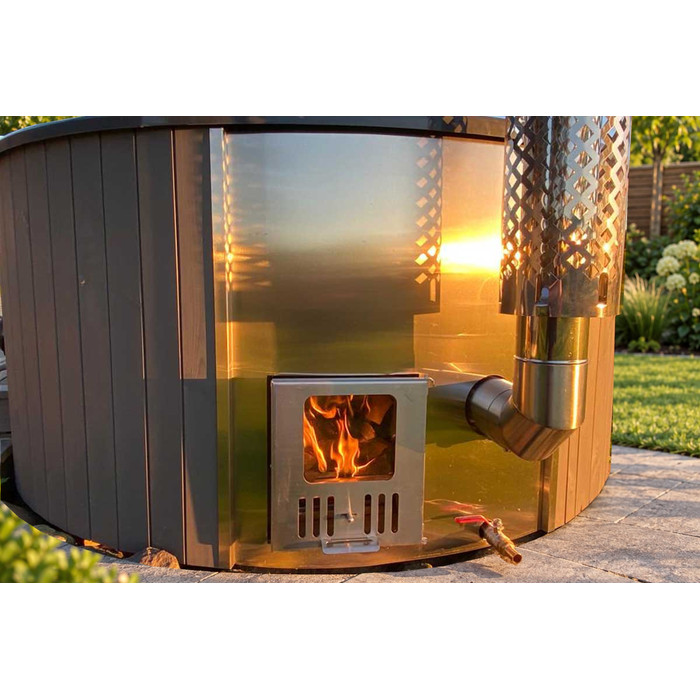
Leave a Flexible Window for Preparation and Heating
Separate preparation from the heating window in your plan. Begin only as the matching instructions direct, and use a heating estimate only if it is supplied for that configuration and its assumptions are clear. A figure copied from a different tub, an online anecdote, or a model number cannot promise a ready time for your session. If the manufacturer gives an estimate, note what it describes and the conditions it assumes. If there is no useful planning range, ask for model-specific guidance rather than inventing one. Keep the calendar open enough for the process to finish without a countdown.
Build reminders around the checks the manual actually requires, not around a timer that says the tub must be ready. Plan for the responsible person to be available for any monitoring or decisions the instructions call for; do not assume a particular attended or unattended procedure. For a candidate such as the Cove 2 product page, confirm that any heating guidance you receive matches the exact configuration. Keep a published estimate separate from your personal schedule: one describes expected performance under stated conditions, while the other must accommodate your commitments. On your first session, you can note when each documented stage begins and ends without treating those observations as a guarantee for next time. If the schedule slips, update guests rather than compressing a required step.
Use the Model’s Water-Readiness Checks
Treat water readiness as a model-specific go-or-no-go check. Before session day, find out which conditions the manufacturer requires before use and how each one must be checked. The instructions may specify particular measurements, products, steps, or timing; follow only what the applicable documentation says. Do not create a substitute target from advice for another spa. If a required result is missing, unclear, or outside the stated criteria, follow the manufacturer’s directions for resolving it or delay the soak until you can confirm the right next step.
Appearance and feel are not replacements for a measurement or treatment check that the manual requires. Conversely, do not add a treatment, repeat a process, or wait a fixed interval just because a generic checklist suggests it. For the Haven 6 product listing, obtain readiness guidance for the configuration being offered. Organize your session checklist so it distinguishes a completed preparation task from a result that meets the stated readiness criteria; finishing a task does not by itself answer whether use can begin. Leave room to record required results and any follow-up specified in the instructions. Before inviting anyone into the water, review the outstanding items together rather than relying on a general impression that everything is done. An unresolved requirement should remain visibly unresolved, not disappear in the rush to host.
Keep Guest Plans Manageable
Plan guest numbers only after verifying the model’s stated occupancy and use guidance. A numeral in a product name and an attractive photograph are not capacity specifications. Do not assume that changing turns resolves an occupancy or use limit; follow the documentation for the exact tub. For a first session, a small, informed group can make hosting simpler: people can understand that timing may shift, follow the use instructions, and wait while checks are completed. Check whether the manual includes specific guidance relevant to the guests you plan to invite.
Agree on a simple plan before anyone arrives: who is the session contact, where guests can change, what to bring, and how you will send a delay or cancellation update. Put these details in one message so guests do not have to piece together several conversations. Explain whether they should wait for confirmation before traveling or whether the gathering will go ahead without a soak. If the Fjord 8 product page is under consideration, verify its stated occupancy and user guidance before deciding whom to invite. Ask the manufacturer about questions involving children or supervision instead of filling gaps with assumptions. Let guests know which use instructions they need to understand, and give them a chance to ask questions before arrival. This keeps the first session manageable without turning the invitation into a promise of readiness.
Decide What Happens if Plans Slip
Decide in advance what you will do if the tub is not ready on schedule. Possible triggers include a preparation step taking longer than expected, an unclear result in a required check, a change in the day’s conditions, or an instruction you cannot interpret. Build the response into the invitation: delay, wait for reliable guidance, or reschedule. Do not skip a listed step or improvise a restart because guests have arrived. If a process is interrupted, use the model’s instructions for that situation; if they do not cover it, ask before continuing.
Prepare a short message that tells guests when you will decide and what the backup plan is—another time, a different activity, or ending the gathering without a soak. Choose an option you would genuinely be comfortable with, rather than keeping everyone waiting indefinitely. If the Aurora 10 product listing is a candidate, ask before purchase how its exact instructions address a delayed or interrupted session. Keep that operating question separate from the social decision: canceling the gathering does not tell you what to do with a process already underway. Use the applicable instructions for that part. Agree in advance who will send the guest update and who will handle any required follow-through. This leaves fewer decisions competing for attention if you need to change plans.
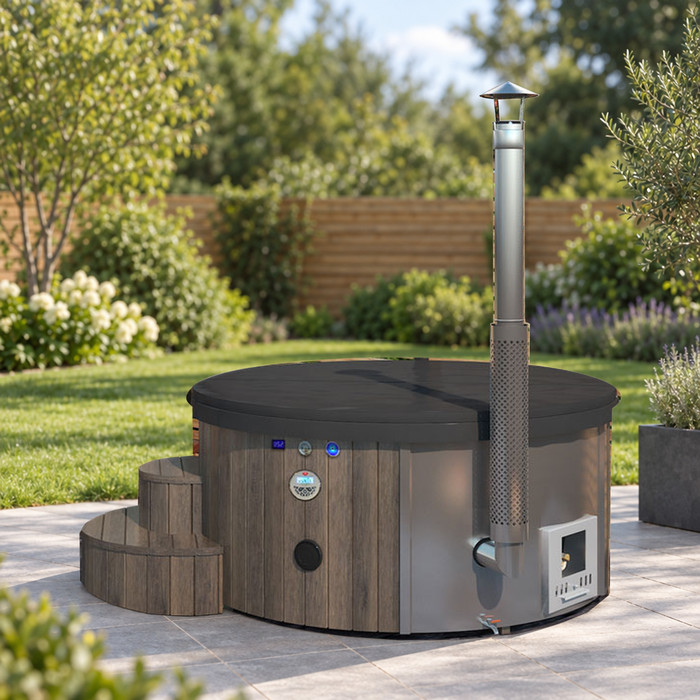
Follow the After-Session Instructions
Reserve time for the end of the session before the first guest arrives. Shutdown and after-use care are part of the same planned event, but the correct sequence depends on the tub and heater instructions. Find the manufacturer’s directions for the end of use, including any actions required immediately and anything that must wait or be left as instructed. Do not assume shutdown is the reverse of startup, or guess about draining, adding treatment, covering, or leaving a component in a particular state. Those choices are model-specific.
Have the person responsible for the session complete the final checks, referring to the manual rather than memory. A one-session note can record which stated after-use checks were completed and any question that needs an answer before next time. It is not a substitute for the manufacturer’s care schedule, nor a routine to build from guesswork. If an unfamiliar indication or unexpected condition appears, do not invent a remedy; consult the applicable instructions or manufacturer support before using the tub again.
Check Whether the Routine Fits Your Life
A wood-fired session fits your routine only if you are comfortable planning ahead and completing the preparation and follow-through required by the specific model. Consider how often you can reserve a flexible block, who will be available for any checks the instructions require, and whether guests can accept a time that depends on readiness rather than a fixed appointment. If you prefer a soak with little advance preparation, compare heating methods and their documented workload before choosing. The wood-fired label alone does not tell you the effort, timing, or convenience of a particular setup.
Before deciding, ask for the exact configuration, the matching operating instructions, any documented heating estimate and its assumptions, the readiness checks, and the shutdown guidance. Find out which tasks the user must complete and whether instructions differ by heater option. A useful answer is one you can turn into a realistic calendar and one-session checklist—not a promise inferred from a model number. If those details are unavailable, include that uncertainty in your purchase decision. Thinking through the whole session helps you choose a setup that matches the time and attention you can give it.
Frequently asked questions
How can I tell whether a hot tub is actually wood-fired?
Check the exact configuration in the current product information and confirm which operating instructions apply. A model name, number, or photograph does not establish its heater type. If the listing is unclear, ask the seller or manufacturer to identify the offered configuration before you plan a session around it.
How much time should I allow for heating?
There is no reliable universal duration to plan around. Use a heating estimate only if the manufacturer provides one for your exact configuration and explains its assumptions. Leave room in your schedule for the process to take longer, and ask for model-specific guidance rather than borrowing a figure from another tub.
How do I know when the water is ready?
Use the readiness requirements in the instructions for your exact hot tub. Follow any specified measurements, products, or waiting periods as written. Clear-looking or warm-feeling water is not a substitute for a check required by the manual. If a result is unclear, resolve it before anyone uses the tub.
Should I invite guests for an exact start time?
It is better to give guests a flexible arrival or soak window, then confirm when the model-specific readiness checks are complete. Explain in advance that a delay or rescheduling is possible. That way, an expected arrival time does not pressure you to rush preparation or skip a required check.
What should I do after the session?
Reserve time for the shutdown and after-use steps specified in the matching manufacturer instructions. Do not assume that you should drain, treat, cover, or leave any part of the tub in a particular state. If the directions are unclear, get model-specific guidance instead of guessing.
For your first session, leave room to learn the sequence without rushing it. Keep preparation, readiness checks, guest plans, and wrap-up on the same schedule, with flexibility if the soak needs to wait. Afterward, consider whether that amount of planning and hands-on attention suits the way you want to use a hot tub. That experience is more useful than judging the day by whether everyone got into the water at the originally hoped-for time.
