
How to Prepare Your Hot Tub Before a Vacation

Hot tub care while you’re away
Leaving for a few days—or longer—raises a practical question: should the hot tub keep running, be adjusted, or be shut down? There isn’t one safe setting for every model or climate. Plan around the length of your absence, the forecast at the tub, the care instructions for the specific unit, and whether someone can check it. A clear plan also avoids a last-minute change you haven’t confirmed with the manufacturer.
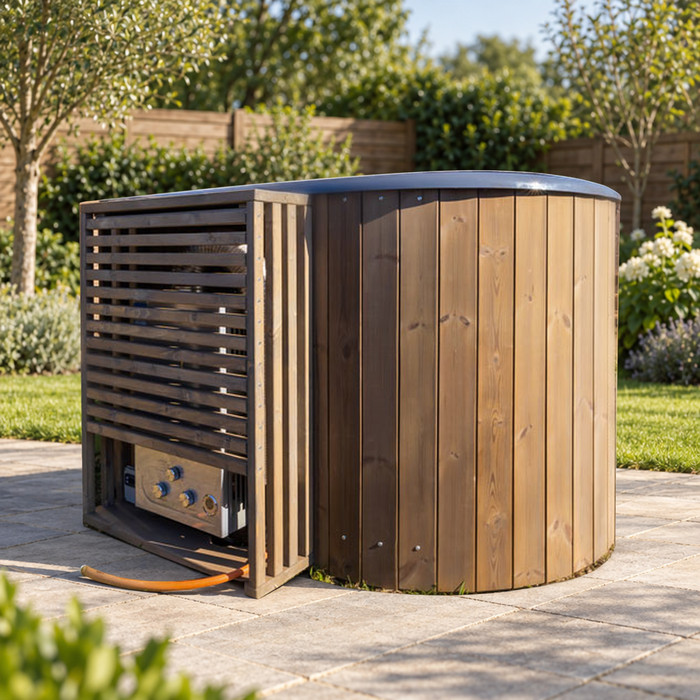
Plan around how long you’ll be away
Write down your departure date and planned return, then allow for a realistic delay: a flight disruption, road closure, or change of plans can turn a short absence into a longer one. Compare that full window with the instructions for your exact model instead of relying on a rule such as “a weekend is always fine” or “a week always requires shutdown.” An overnight trip and a multiweek absence are different planning problems, but duration alone doesn’t determine one universal power, temperature, or water-care setting. Include the possible extension when deciding whether someone needs to be available.
Consider conditions where the hot tub is installed, not the weather at your destination. The local forecast may mean you need to consult manufacturer guidance about heat, cold, storms, or possible utility interruptions. Distinguish a routine absence from one that overlaps severe weather or a likely outage, and decide who could respond if plans change. If you travel often, make this a purchasing test: the model name can’t tell you what an absence requires, so include Bloomcabin Hot Tub Cove 2 in a shortlist only after reviewing its official care instructions and confirming what support is available in your area.
Read the right manual before making changes
Find the owner’s manual for the exact model and any official documents covering operation and water care. A manual for a similar-looking unit, an old saved setting, or an online forum post isn’t a substitute; the applicable steps may be model-specific. Look for directions about leaving the hot tub unattended, permitted power or temperature changes, water care during an absence, weather or power interruptions, shutdown or draining, and the restart or return-to-use process. You don’t need to carry out every option in those sections; you need to identify which one the manufacturer specifies for your situation.
Keep the relevant documents accessible to you and anyone who may check the hot tub. Note the applicable section names, and keep manufacturer contact information with the instructions in case your phone has no service. If the manual is silent, ambiguous, or seems inconsistent with current manufacturer guidance, contact the maker, seller, or a qualified service professional before changing settings. Ask a focused question that includes your absence dates, expected local weather, and whether anyone can check in. Before choosing a model such as Bloomcabin Hot Tub Haven 6, request its current manual and confirm that the documented away-period and return instructions fit the routine you expect.
Don’t guess about power or temperature
Power and temperature aren’t choices to settle by intuition. Follow the manufacturer’s directions for your exact model; don’t assume the hot tub should stay powered, be switched off, unplugged, or left at a lower setting simply because nobody will use it. A setting that seems convenient may not be the prescribed choice for an unattended tub, and shutting it down doesn’t automatically resolve every care question. The right option can depend on the model, trip length, water-care requirements, and local conditions. Avoid copying a number from another owner’s setup or setting a timer based on general online advice.
Check the forecast where the hot tub is installed and consult the model’s instructions for expected cold, heat, storms, or interruptions. If you can’t tell whether a setting may be changed or how normal operation should be restored, get model-specific advice before leaving rather than experimenting on departure day. Don’t use a temperature adjustment as a substitute for the manufacturer’s weather procedure. If a change is approved, record both the departure setting and the restoration steps so anyone checking in has a clear reference. Buyers considering Bloomcabin Hot Tub Fjord 8 should ask what official guidance covers their usual absence and local conditions, not infer a power or temperature feature from the name.
Follow the model’s water-care directions
Make water care part of the departure plan, but don’t try to extend an interval by improvising. Follow the exact model’s guidance for tasks due before the trip and for anything that must happen while you’re away. Keep those tasks separate, including the dates or conditions stated by the manufacturer, so you don’t mistake something completed at departure for a task due later. Don’t add extra treatment or substitute another routine on the theory that it will last longer; follow the documented directions. If the manual doesn’t address your planned absence, contact the manufacturer or a qualified water-care professional before leaving. Water that looks clear isn’t a reason to disregard the instructions.
If someone will handle a required check, give them the manufacturer’s written steps, the supplies identified in those steps, and a clear boundary: no guessing at amounts, combining products, or changing the plan without advice. If no capable person is available and the manual calls for attention while you’re away, ask the manufacturer or dealer how to proceed rather than silently skipping care. This matters particularly when the task involves supplies the helper hasn’t used before. During a purchase conversation about Bloomcabin Hot Tub Aurora 10, request the exact model’s water-care, away-period, and return-to-use documents instead of assuming a treatment system or interval from the name.
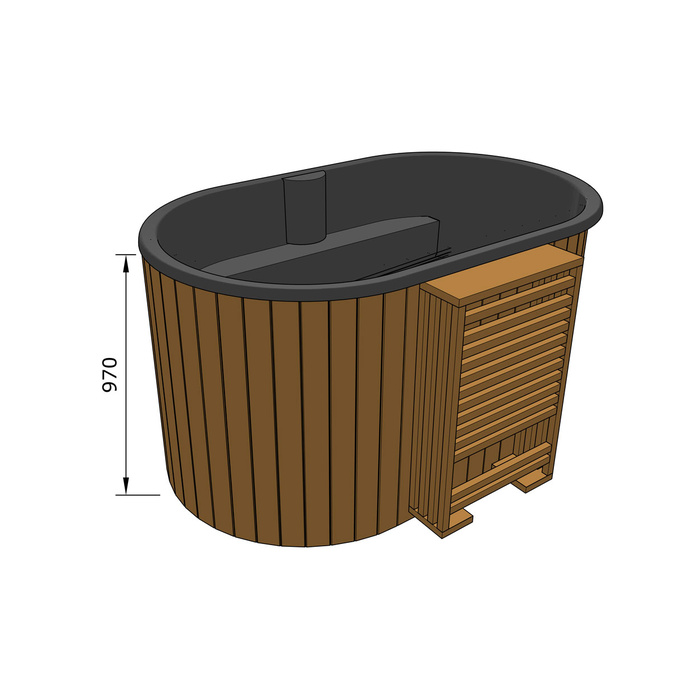
Check the cover and local conditions
Treat the cover and immediate surroundings as part of the handoff. Close and secure the cover as the manufacturer specifies, and confirm that it sits as directed before leaving. A cover doesn’t tell you whether a power setting, water-care schedule, or cold-weather procedure is appropriate, so it can’t replace those instructions. Check the forecast for the hot tub’s location and see whether official guidance identifies steps for wind, heavy rain, heat, cold, or storms. Don’t add weights, straps, fasteners, or other modifications unless the manufacturer directs them. If the cover doesn’t close or stay in the position described in the manual, seek guidance rather than relying on a makeshift fix.
If a check-in is planned, make sure the person can reach the hot tub safely and knows to report a displaced cover or visible change rather than attempt a repair. Keep the access route clear, explain how to reach the tub, and tell them not to investigate if conditions make the area unsafe. Let them know about any existing cover damage or fit issue so they can distinguish it from a change during your absence. Shoppers reviewing the Cove 2 product page should ask which cover instructions and weather limits apply to the exact setup; a model name doesn’t establish either. Consider who could check the cover after severe weather, but use the manufacturer’s directions to decide on any response.
Decide who can check in
Not every absence calls for the same kind of check-in, and a helper isn’t a replacement for the manufacturer’s procedure. Use the exact instructions, trip length, local forecast, water-care tasks, and access to service to determine whether someone should visit, how often, and what they need to do. If the manual gives no interval, ask the manufacturer or service provider rather than inventing one. Separate visits that involve observation from those requiring a care task. That distinction helps you explain the commitment clearly and choose someone who is able and willing to carry out the required work.
Choose a reliable adult or qualified service provider who understands their role. Share the model, manual, trip dates, any approved settings, relevant contacts, and written steps for what to report. Be clear that they shouldn’t troubleshoot equipment, change power or temperature, or handle water treatment unless the manufacturer’s instructions authorize the task and they’re prepared to do it. Agree on a backup if they can’t visit, and explain how to reach you. Confirm that they understand the instructions before you leave rather than treating a message sent as a handoff completed. When reviewing the Haven 6 listing, ask about local technical support or professional check-in services, then confirm those options with the providers.
Use a departure-day checklist
On departure day, use a written checklist rather than relying on memory. Confirm your return date and backup contact; consult the exact manual; complete only water-care tasks due under its directions; leave the hot tub in the power and temperature state the manufacturer specifies; close the cover as directed; and confirm whether a check-in is booked. Note any approved change, where the instruction came from, and how it should be reversed. Don’t try an unfamiliar setting, water-care routine, shutdown sequence, or drain-and-refill process for the first time as you’re walking out the door. If a required step is unclear, get advice before leaving.
Use the checklist to record what was actually completed, not just what you intended to do. Add the completion date beside each required task and identify anything left for the person checking in. Keep their copy consistent with yours, especially if you change the return date or an agreed setting before departure. Include space for visit dates, observations, and any action taken under the official instructions; those notes will help you understand what happened while you were away. Confirm that the helper has accepted the schedule and knows whom to contact if you’re delayed. If the Fjord 8 model page is part of your purchase research, ask for its model-specific departure and return instructions to assess what your checklist would involve.
Plan for weather and power interruptions
Recheck conditions at the property before leaving, then ask whether the forecast makes your plan unreliable. Expected freezing weather, heat, high winds, storms, or an outage are reasons to consult the model’s weather and interruption instructions, not to invent a protective setting. Find out in advance what the manufacturer says to do after power is interrupted and how to determine whether operation or water care needs attention. The answer can depend on the exact unit and circumstances. Don’t assume an outage will reset the hot tub in a particular way, that operation will resume automatically, or that restoring it means changing a switch.
If your trip is delayed or the forecast changes, ask the designated contact to follow only the agreed instructions and report what they observe. They shouldn’t improvise a restart or drain the tub. If the manual calls for professional assistance, or an alert or damage is beyond the helper’s role, have them contact a qualified service provider or the manufacturer. Arrange that contact route ahead of time, and don’t assume a response time you haven’t confirmed. A backup contact helps if the first person can’t reach the property. When reviewing the Aurora 10 listing, ask where to find model-specific outage and weather guidance and how to reach support.
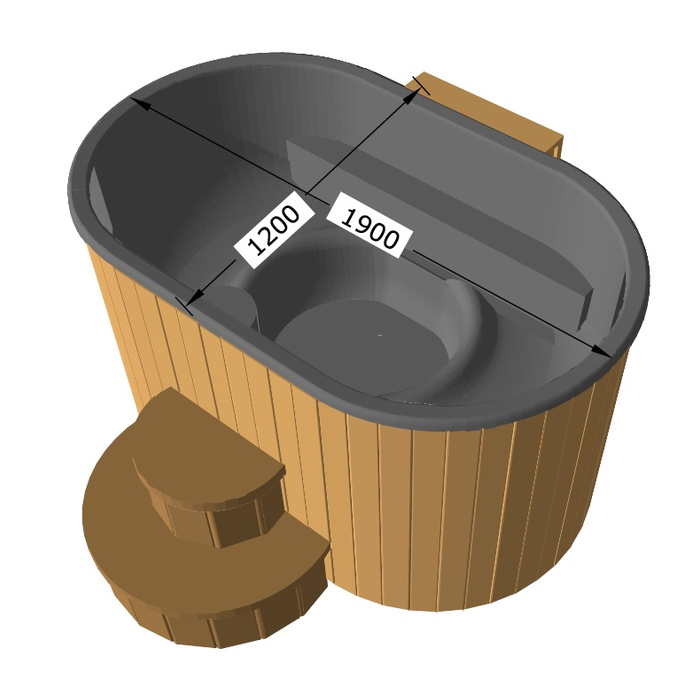
Follow the return-to-use procedure
Don’t assume the hot tub is ready to use because it stayed covered or looks normal. Find the manual’s return-to-use or restart instructions and follow them in order, including any specified checks of the display, operation, or water condition. Use the manufacturer’s testing and treatment guidance to confirm that the water is ready; don’t guess at a dose or judge readiness from appearance alone. If the tub was shut down, lost power, experienced severe weather, or has a warning message or visible damage, check the relevant procedure before use. If the procedure is unclear, wait to use the tub until the manufacturer or a qualified service professional resolves the question.
Ask anyone who checked in what they observed and whether they took action. Compare the actual length of your absence and any outage or weather event with the situations covered by the instructions. Record warning messages accurately; don’t clear or override an alert just to make the display look normal. If water care was missed or altered, follow the model’s prescribed correction process rather than improvising a catch-up dose. Meet any conditions and allow any waiting period specified by the manufacturer before use. If the instructions are unclear or an unusual condition persists, get qualified help. This return-from-trip check doesn’t replace the usual care directions.
Compare ownership requirements with your travel habits
For a prospective owner, the useful question isn’t simply how often you travel, but what your absences require and who can take responsibility. List the shortest and longest trips you expect, the weather the hot tub may face, whether a capable check-in is realistic, and how you could reach model-specific support. Include the time and coordination involved for you or a helper; those are ownership demands even when they don’t appear on a specification sheet. Compare them with official instructions for unattended periods, water care, approved power or temperature changes, shutdown, weather interruptions, and return to use. A model that depends on a task you can’t arrange may not fit your routine.
Ask each seller for the current manual for the exact model and the same set of answers, so you can compare documentation rather than marketing shorthand: what steps are required while unattended, which conditions call for a visit, what to do if plans change or power is interrupted, and whom to contact when an instruction is unclear. Check local service access rather than assuming it, and ask whether any care task requires a trained helper. Treat model names and numbers as identifiers, not proof of capacity, care needs, or convenience. If an answer is vague, request a reference to the manual or written manufacturer guidance before comparing. Choose on documented requirements and a realistic check-in plan, not a guessed setting.
Frequently asked questions
Should I turn off my hot tub before a vacation?
Not automatically. Whether to leave it operating, change a setting, or shut it down depends on the exact model, the length of your absence, local conditions, and the manufacturer’s instructions. If the manual doesn’t cover your situation, ask the manufacturer or a qualified service professional rather than relying on guesswork about unplugging, draining, or changing settings.
Can I leave water in the hot tub while I’m away?
The answer depends on the model’s instructions for unattended periods, water care, and shutdown. Don’t assume that leaving it filled or draining it is universally safer. Follow the manufacturer’s directions, and ask for guidance if they don’t address how long you’ll be away.
Should I lower the temperature before leaving?
There is no universal temperature setting for a trip. Use only a setting and procedure specified for your model and circumstances. If you’re concerned about weather or energy use, ask the manufacturer before adjusting it; another owner’s setting may not apply to your hot tub.
Does someone need to check the hot tub while I’m gone?
That depends on the manufacturer’s directions, the expected conditions, and whether any care is due during your absence. If a check-in is needed, give the person written instructions and a support contact. Don’t ask them to diagnose a problem or improvise a water-care or equipment change.
What should I check before using the hot tub after a trip?
Follow the exact model’s restart and water-care procedure, including any testing or conditions the manufacturer specifies. Review alerts, visible damage, outages, and actions a helper took. If anything is unclear or doesn’t meet the instructions, wait and contact the manufacturer or a qualified service professional before use.
Before leaving, know which tasks are complete, what attention the hot tub requires while you’re away, and who will handle it. Keep the plan proportionate to the trip, and revisit it if your return date or local conditions change. On your return, review what happened during the absence and follow the model’s return-to-use instructions before getting in.
