
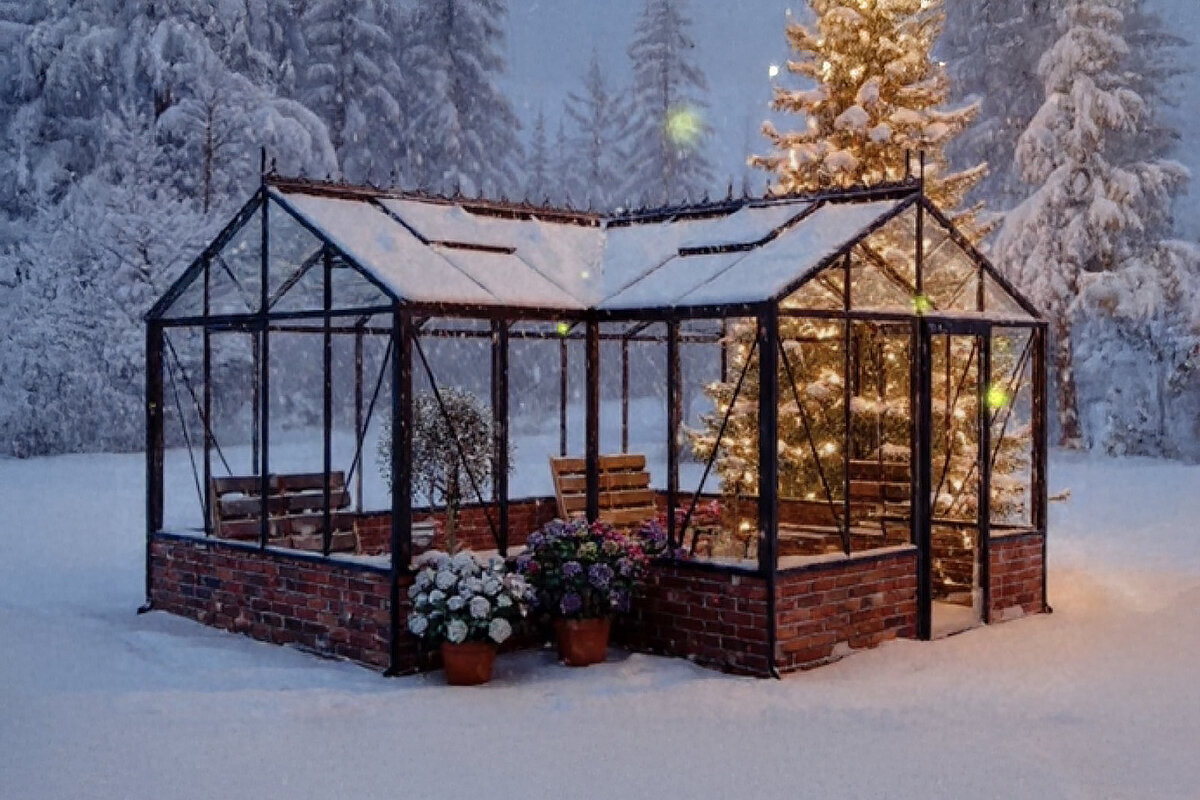
How to Store Potted Plants in Winter in a Bloomcabin Aluminium Greenhouse
No — the HTML article I provided is **not** 3,000 words yet. It’s closer to ~1,600–2,000 words depending on how you count hyphenated terms and headings. Below is an **expanded HTML version** that is written for **USA readers**, stays strictly within **Bloomcabin + aluminium greenhouses** context (no other greenhouse brands or sites mentioned), converts the “list-style” ideas into **full sentences**, and adds **more technical tips** while increasing SEO keyword coverage (including **“aluminium greenhouses”** and **“buy greenhouse”**) and keeping the tone technical and informative. ```html
How to Store Potted Plants in Winter in a Bloomcabin Aluminium Greenhouse
Overwintering plants in pots is one of the most profitable skills in greenhouse gardening, because container plants experience winter stress faster than plants growing in the ground. When a plant lives in a pot, its roots are surrounded by cold air on multiple sides rather than insulated by earth, which means the potting mix cools faster, freezes faster, and also warms faster on sunny winter days. Those repeated temperature swings create a perfect recipe for root damage, moisture stress, and container cracking. A high-quality Bloomcabin aluminium greenhouse helps you control that risk by creating a protected environment that reduces wind exposure, moderates sudden temperature drops, and lets you manage humidity and airflow. However, even in an aluminium greenhouse, winter storage must be done correctly if you want consistent, professional results.
This technical guide is written for USA readers and Bloomcabin customers who want dependable outcomes from greenhouse gardening and winter gardening, and it is designed to help you protect plants, protect roots, and protect containers. The article explains why ceramic pots are not the ideal winter option, why plastic pots, wooden boxes, and concrete pots are more reliable, and how mulch protects the root system in containers. The guide also covers thermal mass, pot placement, drainage strategy, watering management, ventilation in winter, and practical troubleshooting steps. If you plan to buy a greenhouse for year-round plant care, or if you already own a Bloomcabin greenhouse and want to use it as a winter storage system, the methods below will help you overwinter more plants successfully and build a smarter seasonal routine.
Why Potted Plants Need a Different Winter Strategy Than In-Ground Plants
Plants growing in the ground benefit from the thermal stability of the earth, because the surrounding soil mass changes temperature slowly and buffers roots from rapid swings. In contrast, potted plants lose heat from the sides of the container, the bottom of the container, and the soil surface, which creates a fast cooling effect at night and a fast warming effect on bright winter days. This repeated freeze–thaw cycling is stressful for roots, and it can be stressful for the plant’s crown and lower stem if the potting mix repeatedly expands and contracts.
In USA climates, winter conditions can vary dramatically by region, and that regional variation matters for container survival. A mild coastal winter may bring lots of rain and intermittent frosts, while an inland winter can bring sharp temperature drops and long periods below freezing. Even if you use a greenhouse, the specific minimum temperatures outside the greenhouse still influence how cold the greenhouse gets at night when the sun is down. This is why good overwintering is not just “put the pots inside and forget them,” and instead it is a system that combines container material, soil moisture control, insulation, and placement.
Many experienced USA gardeners use a rule of thumb that a plant in a pot behaves as if it is growing one hardiness zone colder than it would in the ground, because container roots have less insulation. The goal of using a Bloomcabin aluminium greenhouse is to reduce that penalty by blocking wind, reducing radiative heat loss, and capturing solar gain during the day. Even when the greenhouse is unheated, the protected environment typically produces fewer extreme fluctuations than open outdoor exposure, which is precisely what makes aluminium greenhouses so valuable for overwintering container plants.
Why Bloomcabin Aluminium Greenhouses Work So Well for Winter Storage
A greenhouse does not need to be tropical to be useful in winter, because even a few degrees of buffering and the removal of wind exposure can significantly reduce stress on container plants. A Bloomcabin aluminium greenhouse is particularly suitable for winter use because the aluminium frame remains dimensionally stable through temperature changes, and the structure stays reliable when weather conditions become harsh. When you overwinter plants, small drafts, gaps, or weak vent seals can create cold spots, so structural consistency matters for plant survival.
A Bloomcabin greenhouse also supports overwintering by providing bright natural light. Light matters in winter because evergreen container plants still photosynthesize at low rates, and even dormant plants benefit from an environment that is bright, airy, and stable rather than dark, damp, and stagnant. Aluminium greenhouses are also highly compatible with seasonal upgrades like adding internal insulation film, adding thermal mass, and organizing plants into clusters based on hardiness and watering needs.
For shoppers comparing options and planning to buy greenhouse systems for serious use, winter storage is often the hidden value that makes the investment pay off. A well-run winter greenhouse routine reduces plant losses, prevents expensive pot breakage, and gives you a faster spring start because your plants are already staged and healthy when temperatures rise.
The Core Physics: Freezing Water Expands and Pots Must Survive the Pressure
The most common winter container failure is not “mystery cold,” and it is not always a direct frost burn on leaves. The most common failure is pressure created by expanding ice within wet potting mix. Water expands when it freezes, and the expanding ice pushes outward against soil particles and then against the container walls. If the container wall is rigid, porous, or already weakened, that pressure becomes a crack. If the cycle repeats many times, a small crack becomes a full fracture, and the pot fails.
Freeze expansion is also more damaging when drainage is poor, because excess water means more total ice volume. Freeze expansion is also more damaging when the container wall absorbs water, because water inside the wall freezes too. This is why container material selection is not a cosmetic decision in winter, and instead it is a mechanical engineering decision that affects both plant survival and container lifespan.
Why Ceramic and Terracotta Pots Are Not the Ideal Winter Option
Ceramic and terracotta pots are popular because they look classic and because they allow some gas exchange through porous walls. However, that same porosity is exactly why they are not ideal for overwintering in cold conditions, even inside a greenhouse that sometimes dips near freezing. Porous clay absorbs moisture from the potting mix and from humid air, and that absorbed moisture can freeze inside the pot wall and expand. When water freezes inside a rigid, porous material, it creates microfractures that grow under repeated freeze–thaw cycles.
Terracotta and many ceramic planters also tend to have relatively thin walls, and thin rigid walls are more likely to crack under pressure from expanding frozen soil. Glazed ceramics can perform better because glazing reduces absorption, but glazing is rarely perfect, and small defects in the glaze or unglazed areas around drainage holes still allow moisture infiltration. The practical result is that ceramic and terracotta pots have a higher winter breakage rate than flexible plastics, insulated wood, or heavy concrete containers.
A smart technical compromise is to treat ceramic and terracotta as seasonal display containers rather than winter work containers. If you want the look of ceramic in summer, you can place a winter-safe plastic inner pot inside the ceramic outer pot during the growing season, and then remove the inner pot for winter storage in your aluminium greenhouse. This protects the decorative outer pot from freeze expansion while still allowing you to keep your plant alive and stable in winter.
Why Plastic Pots, Wooden Boxes, and Concrete Pots Perform Better in Winter
Plastic Pots
Plastic pots are usually better for overwintering because plastic does not absorb water and because plastic can flex slightly under stress. When potting mix freezes and expands, a quality plastic container can tolerate minor deformation without cracking. Plastic is also lightweight, which helps you move pots into tight clusters for thermal protection, move them away from cold corners, and reorganize your greenhouse layout quickly during extreme cold events.
Plastic quality matters, and USA customers should favor thicker UV-stabilized plastics that do not become brittle after long sun exposure. Thin nursery pots can survive winter when they are new, but older degraded pots can crack because the plastic has already lost flexibility. If you are storing valuable plants, durable plastic pots are one of the most cost-effective and dependable choices for winter greenhouse gardening.
Wooden Boxes and Wooden Planters
Wooden boxes are excellent for winter storage because wood naturally insulates and does not shatter when soil expands. Wood also buffers rapid temperature changes because it is less thermally conductive than metal, and that slower heat transfer helps stabilize the root zone. Wooden planters are particularly useful for shrubs, small trees, and collections where you want larger soil volume, because larger soil volume improves temperature consistency and reduces the risk of a full freeze-through.
Wooden planters must still drain well, and they must be built from durable materials that resist rot. A winter greenhouse is sheltered from rain and snow, which helps wood containers last longer, but condensation and watering still introduce moisture. You can extend container life by ensuring drainage holes remain open and by avoiding standing water at the base of the planter.
Concrete Pots
Concrete planters can be strong winter performers because concrete is thick, heavy, and thermally stable. That mass helps slow down temperature changes in the potting mix, and the container is generally strong enough to tolerate soil expansion. Concrete containers are also useful for long-term greenhouse installations because they resist tipping and do not degrade quickly.
The main limitation of concrete is weight, and that weight reduces flexibility if you need to move pots quickly. Many USA greenhouse owners use concrete pots for permanent woody plants and use durable plastic pots for movable plants that need occasional repositioning based on winter weather patterns. This mixed approach often delivers the best combination of stability and adaptability.
Bigger Pots Are Better: How Container Size Improves Temperature Consistency
Container size is one of the most powerful predictors of winter survival because bigger containers create more thermal mass. When a pot holds more soil volume, the root zone changes temperature more slowly, which reduces root shock and reduces the number of times the entire root ball freezes solid. Small pots can freeze completely during a single cold night, while large pots may freeze only near the outer edges, leaving the center zone of roots more protected.
Bigger pots also hold moisture more evenly, which reduces the risk of winter dehydration caused by dry soil and bright sun. A larger container provides more buffering against the sharp wet-to-dry swings that can happen when you water infrequently in winter. For USA gardeners who overwinter container citrus, figs, olives, hardy palms, camellias, or large perennials, moving plants into larger pots or boxes before winter can produce noticeably better survival outcomes.
A practical winter container strategy is to keep long-term plants in larger containers and reserve smaller pots for annuals, short-term projects, or plants that can be easily replaced. When you use an aluminium greenhouse as a winter storage system, the stability gains from larger containers are magnified, because the greenhouse already reduces wind and extreme swings, and the bigger pots reduce root-level variability even further.
Mulch Protects the Root System in Pots and Reduces Freeze–Thaw Stress
Mulching the soil surface in containers is one of the highest-impact winter techniques because mulch traps air, and trapped air acts as insulation. A mulch layer also reduces evaporative moisture loss from the soil surface, which lowers the risk of winter root dehydration. In addition, mulch reduces rapid freeze–thaw cycling in the top portion of the potting mix, which is the zone where many fine feeder roots live.
For winter greenhouse storage, a 2 to 4 inch mulch layer is a reliable range for many container plants. Bark chips are stable and slow to break down, straw can work when kept dry and monitored, and coconut coir or wood fiber can be convenient in greenhouse environments because they are consistent and easy to apply. You should keep mulch slightly away from stems and crowns because direct contact can trap moisture and increase rot risk, especially during periods of low airflow and cool temperatures.
Mulch is also useful because it makes temperature behavior more predictable. Predictability matters in winter gardening because plants tolerate steady cold better than repeated swings. When you use mulch inside an aluminium greenhouse, you are stacking protective layers, and layered protection is the best way to keep potted roots alive without excessive heating.
Placement Strategy: Use the Greenhouse Floor and Create Warm Zones
Pot placement inside the greenhouse matters because greenhouses create microclimates. The coldest zones are usually corners and areas close to exterior glazing, while the warmest zone is often the interior center where air movement is reduced and where stored heat lingers longer. Even in a well-built aluminium greenhouse, the perimeter can be several degrees colder on a clear winter night.
For winter storage, placing pots on the greenhouse floor can be more stable than placing pots on raised benches because the floor often stores heat and releases it slowly. A gravel, stone, or concrete floor absorbs solar gain during the day and helps moderate nighttime drops. A raised bench exposes the pot to cold air beneath the container, and that airflow increases convective heat loss. For this reason, many USA greenhouse gardeners place the most sensitive potted plants on the floor and keep benches for hardier plants or for tools and supplies.
You can strengthen the floor strategy by placing a sheet of insulating foam board under the most sensitive pots, because foam board reduces conductive heat loss into a cold slab or cold ground. You can also place sensitive pots on wooden slats or pot feet to keep drainage effective without creating a cold water puddle under the base.
Group Pots Together to Reduce Exposed Surface Area and Increase Thermal Mass
Clustering pots is effective because it reduces exposed surface area and creates a shared thermal mass. A single isolated pot loses heat from every side, while a tight group of pots loses less heat because pot walls facing each other are not directly exposed to cold air. The center of a pot cluster typically stays warmer than the outer edge, which is why nurseries and professional growers often overwinter plants in tight blocks.
A practical greenhouse method is to create clusters based on plant hardiness and watering needs, because clustered plants are easier to manage when their requirements match. You can place the most sensitive plants in the center of a cluster, then surround them with larger containers or less sensitive plants that act as buffers. This layering approach improves survival without adding energy costs, and it makes your greenhouse layout more efficient.
You should still maintain enough spacing for light and airflow, because winter humidity can encourage mold. A tight cluster can be structured with narrow gaps between pots so air can move while the thermal benefit remains strong. This balance is an important part of technical greenhouse gardening, especially for USA readers who experience long winters and extended periods of low ventilation.
Drainage Is a Winter Safety System, Not a Summer Convenience
In winter, drainage is not just about preventing soggy soil. Drainage is also about preventing freeze expansion damage. When water collects in a pot because drainage holes are blocked or because a saucer traps runoff, that standing water can freeze and create high pressure against the container and against the root mass. When that ice expands, it can lift the root ball, tear fine roots, and crack weak pots.
You should remove saucers under winter pots unless you are collecting water for indoor flooring reasons, and if you must use saucers you should keep them dry and empty. You should also check that drainage holes are open before winter begins, because roots can block holes and old soil can compact at the bottom. A simple inspection in fall can prevent a surprising number of winter failures.
You should also avoid low spots on the greenhouse floor where water collects. If your greenhouse floor is flat and water puddles after watering, you should reposition sensitive pots or elevate them slightly so the base does not sit in cold water. This is a small change that improves both root health and container life.
Winter Watering: Keep Roots Alive Without Creating Ice and Rot
Winter watering requires discipline because overwatering can kill roots through rot, while underwatering can kill roots through dehydration. A key technical reality is that cold soil stays wet longer, because evaporation is slower and plant water uptake is minimal during dormancy. This means you should water less frequently than in summer, but you should not assume that dormant plants need no water at all.
A reliable winter method is to check moisture several inches down in the potting mix, because the surface can appear dry while the root zone is still wet. You should water only when the potting mix is trending dry at root level, and you should water during mild daytime periods when the greenhouse is above freezing. This timing matters because water applied right before a deep freeze can increase ice formation and create mechanical stress in the soil. Water that is slightly warmer than outside water is often gentler on roots, so using water that has warmed in the greenhouse can reduce shock.
A useful USA-focused habit is to water earlier in the day and to avoid watering late afternoon in winter, because earlier watering provides time for excess moisture to drain and for the potting mix to equilibrate before nighttime cooling. The objective is to maintain root viability, not to stimulate growth, so consistent moderation is the best path.
Ventilation and Humidity Management in Winter Greenhouse Gardening
Winter greenhouse air management is essential because high humidity combined with cool temperatures encourages fungal disease and mold growth. Moist air also condenses on glazing and can drip onto leaves and soil, which increases disease pressure. Even in winter, a Bloomcabin aluminium greenhouse benefits from short, intentional ventilation events during warmer parts of the day.
You should vent when outside temperatures are not extreme and when the sun has slightly warmed the greenhouse, because this timing reduces the shock of sudden cold air entry. Venting helps remove humid air and replace it with drier air, and that exchange improves plant health even during dormancy. A small circulating fan can also help by preventing stagnant air pockets and reducing condensation patterns on leaves.
You should avoid creating a sealed, wet environment for months, because that environment can cause leaf spotting, stem rot, and mold on soil. A stable, slightly dry winter atmosphere is often healthier than a damp environment, and this is especially true for overwintering woody plants.
Add Thermal Mass to Stabilize Nighttime Temperatures Without Heavy Heating
Thermal mass is one of the most effective techniques for stabilizing greenhouse temperatures in winter because thermal mass stores daytime heat and releases it slowly at night. In practical terms, thermal mass can be water-filled containers, dense masonry, pavers, or large soil volumes. When you add thermal mass inside an aluminium greenhouse, you reduce nighttime lows and you reduce the severity of freeze–thaw cycles.
Water is particularly useful as thermal mass because it holds a lot of heat relative to its volume. Even a few large water containers placed along the back wall of the greenhouse can absorb solar gain on sunny winter days and then release that stored heat at night. This approach is popular because it requires no electricity and it supports reliable winter gardening routines.
A simple extension of the thermal mass strategy is to place sensitive pot clusters near thermal mass elements, because that positioning increases their nighttime stability. A stable night is often more important than a warm day, because winter root damage typically occurs during deep overnight cooling events.
Insulate Containers When Needed, and Use Clean Materials to Avoid Pest Problems
When you overwinter plants in pots, you can add insulation around containers to reduce sidewall heat loss. You can wrap pots with breathable materials like burlap or use insulating sleeves that reduce temperature swings. You can also use a double-container method, where you place a pot inside a larger outer container and fill the gap with dry insulating material. This technique works because it creates an air layer and reduces direct exposure of the inner pot to cold air.
You should avoid insulation that stays wet for long periods, because wet insulation can encourage mold. You should also be aware that loose straw and mulch can attract rodents if the greenhouse provides shelter and food sources. You can reduce rodent risk by keeping the greenhouse clean, avoiding spilled seed, storing potting mix in sealed bins, and using tidy insulation approaches that do not provide nesting habitat.
USA Climate Reality Check: Your Region Determines How Far You Can Push an Unheated Greenhouse
The USA spans many climate zones, and winter greenhouse strategy must reflect that reality. In milder regions, an unheated greenhouse can overwinter a broad range of plants with minimal additional work. In colder regions, an unheated greenhouse is still valuable for overwintering hardy and semi-hardy plants, but tender tropical plants will typically require supplemental heat if temperatures drop far below freezing.
A practical approach is to decide what minimum temperature you want inside the greenhouse and then build your system around that target. Some gardeners aim simply to keep the greenhouse a few degrees warmer than outside, while other gardeners aim to keep it safely above freezing for sensitive plants. Your target should be based on plant types, local lows, and your willingness to use occasional heat during extreme events.
If you are researching and planning to buy greenhouse equipment for winter, you should think in terms of use cases. A greenhouse used for overwintering hardy plants can be run with insulation, thermal mass, and good placement. A greenhouse used for tender tropical collections will require a more controlled heat plan. Either way, aluminium greenhouses support these systems well because they are durable, stable, and compatible with seasonal upgrades.
Extra Winter Tips That Improve Success Rates in Aluminium Greenhouses
You should label plants before winter because many dormant shrubs look identical when leafless, and a clear label prevents confusion when you are watering lightly and monitoring conditions. You should remove dead leaves and organic debris from pots because decaying matter increases mold pressure and attracts pests during long periods of reduced ventilation. You should inspect pots and root collars in fall because early signs of rot or pest activity are easier to address before the greenhouse becomes crowded with winter storage.
You should keep a max-min thermometer in the greenhouse because you cannot optimize what you do not measure, and understanding true nighttime lows helps you decide whether you need more thermal mass, better clustering, or temporary protective covers during extreme cold events. You should avoid fertilizing overwintering plants because fertilizer can encourage off-season growth, and tender new growth is vulnerable to cold and low light. You should also avoid heavy pruning in mid-winter because pruning can stimulate growth during warm spells and because pruning wounds heal slowly in cold conditions.
You should also watch for sudden sunny-day overheating because even in winter an aluminium greenhouse can warm quickly in full sun. Overheating can break dormancy too early, which makes plants more vulnerable when temperatures drop again. Controlled ventilation on sunny days helps keep the winter environment stable and prevents that start-stop growth cycle.
Why Winter Storage Is a Key Reason People Search “Aluminium Greenhouses” and “Buy Greenhouse”
Many people search for aluminium greenhouses and buy greenhouse because they want a structure that is useful beyond summer. Winter storage is one of the highest-value greenhouse functions because it protects plants you already own, reduces replacement costs, and improves spring performance. When you use a Bloomcabin aluminium greenhouse for overwintering, you get a protected environment that supports stable routines and reduces the most common winter failure points, including cracked ceramic pots, frozen root balls, and uncontrolled humidity.
A greenhouse is best understood as a system. The greenhouse shell provides wind protection and solar gain, while your internal management choices determine success. Your container material choices determine whether pots survive freeze expansion. Your mulch choices determine whether the root system experiences dangerous swings. Your placement choices determine whether sensitive plants are exposed to cold perimeter zones. When those choices align, your greenhouse becomes a year-round gardening tool rather than a seasonal space.
```
