
How to Inspect a Garden House After Strong Winds or Heavy Snow
Garden house care
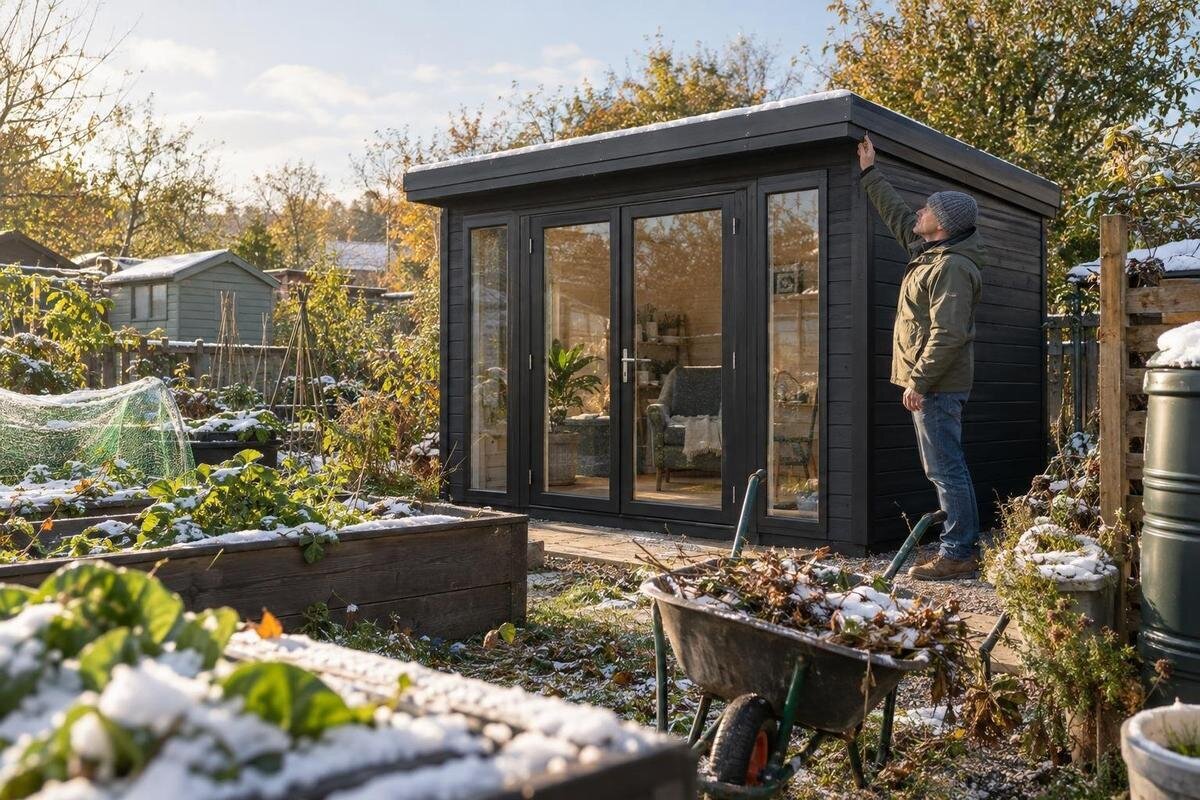
Strong wind and heavy snow can leave anything from loose exterior pieces to damage that is not obvious from the doorway. A garden house inspection after strong winds or heavy snow starts outside, with safety and visibility taking priority over a quick return to use. Look from the ground, record what you can see, and stop if a roof, wall, opening, nearby tree, or utility line may be unstable. A visual walk-around can identify warning signs, but it cannot certify the building or reveal every concealed connection.
01
Wait until the area is safe to approach
Do not begin a garden house inspection while strong winds, falling snow, lightning, or other active hazards remain. Wind can keep moving loose branches, roof pieces, and other debris after the strongest gusts have passed. If practical, begin by observing the building from indoors or another protected location. This can reveal a fallen limb, a shifted roofline, or debris in the access route before you expose yourself to hazards outside. Choose a viewing point on stable ground, away from trees with hanging limbs, overhead lines, and the area below the roof edges. Keep children and pets back while you assess the surroundings. If a large branch, utility line, or heavy object is resting on or close to the building, do not walk toward it; contact the appropriate emergency, utility, or tree professional for help.
Snow and ice bring a further hazard: they can slide from a roof, and remaining snow can hide changes to the roof surface. Do not stand beneath a visibly loaded or damaged roof, climb a ladder, walk on the roof, or try to remove snow to get a better look. If the building appears to lean, the roofline sags, or parts are hanging loose, keep everyone away and call a qualified building professional. Stay clear of downed electrical lines or equipment; never touch them or anything they may be in contact with.
Begin with a ground-level walk-around
Once the surroundings are safe, start with a broad view of the garden house from a distance. If there is a clear path that does not go beneath unstable branches or roof edges, walk around the building without touching it. Look at the overall alignment of the roof and walls, the corners, visible openings, and the ground immediately around the structure. Check more than one side: damage can be easier to see from an angle, and one intact-looking wall does not show the condition of the whole building. If you cannot safely reach a side, record that it remains unchecked rather than approaching a hazard.
A consistent route helps you avoid skipping an area. For example, note the front, each side, and the rear in the same order, then describe what you see in plain terms: a panel appears displaced, a roof edge looks uneven, or a gap seems new. Compare with earlier photographs, if available, to distinguish a change from older wear. Avoid diagnosing the cause or measuring anything near unstable parts. The goal of this first pass is to identify visible differences and warning signs, not to decide that the building is structurally sound.
02
Check the roof without climbing
From safe ground, look across the roof at more than one angle. Where present, check the ridge or high point, roof covering, edges, trim, and any visible seams. Look for material that appears lifted, missing, bent, or out of alignment, as well as a newly uneven roofline or a visible sag. After heavy snowfall, snow may conceal the surface, so do not treat an unbroken layer as proof that nothing has shifted. Check whether debris has landed on or around the roof, but do not stand under it to get a closer view.
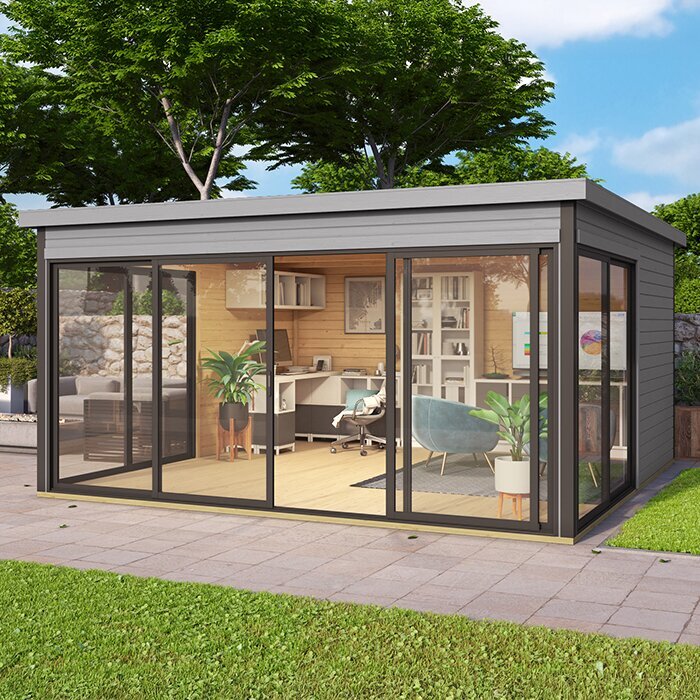
Do not try to estimate a roof’s snow capacity by eye, push on a panel, climb up to take a photograph, or scrape away snow to inspect what is underneath. A sag, displaced covering, or unclear view is reason to keep out and arrange a qualified assessment. If damage makes replacement a possibility, use the Verdana 1 garden house page only as a candidate listing to review: look for explicit roof-construction details, weather guidance, and assembly or support requirements. If a listing does not provide the information you need, ask the supplier and a qualified professional before comparing it with conditions at your site.
Look for movement in walls and connections
Strong winds can leave visible changes on exterior walls and at the points where building parts meet. From a safe distance, look for panels that seem displaced, a wall that appears to bow or lean, new openings at corners, or a visible separation where the roof meets a wall. Check trim and other exterior pieces only if they can be seen without going beneath them. Do not pull on a loose part, push a wall, or try to tighten a connection. Even a small-looking shift can be difficult to interpret from outside, so record what you see without attempting to classify the damage.
If a wall line or connection appears to have shifted, leave the building alone until it has been assessed; trying to realign a part can conceal or worsen a problem. For replacement research, the Verdana 2 product page can be one comparison record. Look for stated information about frame and panel construction, connections, and assembly instructions, and ask the supplier about anything unclear. A product photograph does not establish how a building is fastened or whether its documented setup suits an exposed site. Have a qualified installer or building professional review the relevant details for your location.
03
Inspect the base and surrounding ground
Look at the ground around the garden house for signs of change after wind, snow, or meltwater. Note fresh pooling, visible erosion, displaced soil or debris, and any apparent separation between the bottom of a wall and its base. Check whether the building’s overall position looks different from earlier photographs. These observations can help identify a concern, but they do not show what is happening beneath the surface or establish the condition of a foundation. Do not dig around the base, lift parts, or move heavy objects to investigate. Keep away if the building appears to have shifted.
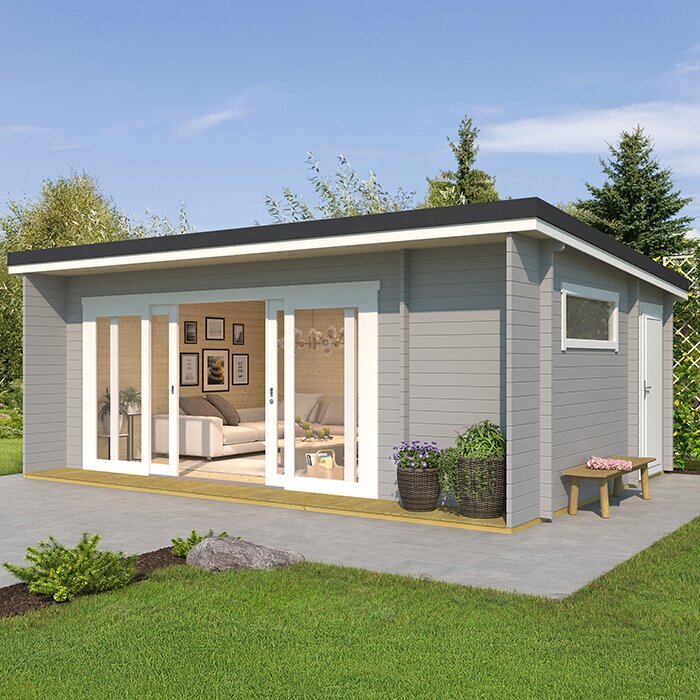
If replacement is being considered, check the site requirements before choosing a model: look for stated dimensions, base-preparation guidance, and anchoring or assembly instructions, then ask about details the listing does not provide. The Durano garden house listing is one page you can review as part of that comparison, not evidence that it suits your existing base. A qualified professional can assess whether the site and any existing support are appropriate for a proposed building. Avoid assuming that a new structure can use the old base without an assessment.
Check doors, windows, and other openings
Where the garden house has doors, windows, or other glazed openings, inspect them from outside first. Look for broken or cracked glazing, a frame that appears displaced, loose-looking hardware, or a door or window that no longer sits as it did before the storm. Do not touch broken glass, and do not force a stuck door or window; binding can have more than one cause, and forcing it may create another hazard. If an opening is visibly damaged or the surrounding wall has moved, keep people away from it and do not enter through that opening.
When comparing a replacement, confirm the actual opening arrangement rather than relying on a model name or photograph. The Veltor 1 garden house page is one listing to examine for stated door and glazing details, included components, and any information about replacement parts. If the page does not answer a question that matters to your intended use, ask the supplier before ordering. Also consider the clear space needed to move your stored items through the entry, using measurements from the product documentation rather than estimating from an image.
04
Enter only if the exterior appears stable
Do not go inside if the exterior inspection reveals a sagging roof, a leaning wall, displaced structural parts, broken glazing, or another sign that the building may be unstable. If the outside looks intact and conditions remain safe, pause at the doorway and look in before stepping over the threshold. Where visible, check the ceiling or underside of the roof, the floor, and stored items for signs of a leak, debris, or a new shift. Do not test the building by leaning on walls or loading shelves. If water has reached electrical fixtures or wiring, keep clear and arrange an assessment by a qualified electrician.
Interior damage may affect what you need from a replacement, even when the outside gives few clues about usable space. If you start comparing models, treat the Orello 1 listing as a page to check against your actual measurements and intended use. Review any stated interior dimensions, entry details, and included components; do not infer them from a photograph or name. Measure stored items separately and consider how they will be moved in. The listing itself does not establish that a model will fit your site or suit the conditions there.
Record visible changes before cleanup
If it is safe, take a wide photograph of each affected side, then closer photographs of visible damage without moving nearer to unstable parts. Note the date, which side you are facing, and what appears different. Keep the wording factual: for example, record that a roof edge looks displaced rather than concluding that a particular connection has failed. Preserve relevant earlier photographs, assembly documents, and purchase or repair records so that you can compare the building’s condition over time. If an urgent hazard needs attention, prioritize safety rather than delaying action to take pictures.
If you ask for a repair or replacement quote, keep the inspection notes separate from product information so that each can be checked on its own. The Modano 1 listing is one page you could save for comparison; note the exact model and retain the information it actually states, such as any published dimensions or assembly documents. Ask the supplier to clarify what is included when a detail matters to your decision. If you plan to contact an insurer, ask what documentation it needs before disposing of damaged materials, unless immediate safety requires them to be dealt with sooner.
05
Decide whether use should wait
Treat obvious instability as a reason to keep out, not as a repair project to begin yourself. A sagging roof, a leaning or displaced wall, damaged connections, broken glazing, or a base that appears to have moved warrants professional attention before normal use. Less dramatic visible damage may still affect the roof, wall, base, or an opening, so do not assume a small affected area is harmless. If you find no visible damage, that is reassuring but not a structural clearance; concealed or inaccessible areas may not be visible from the ground.
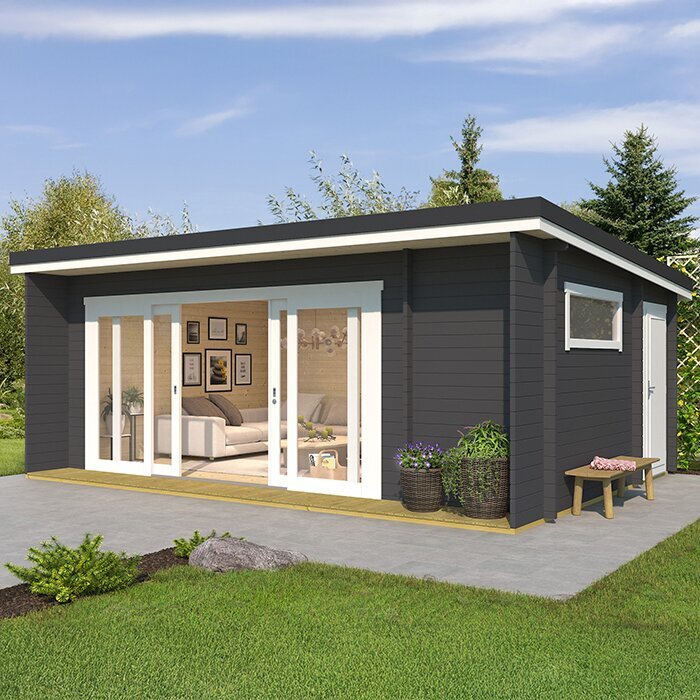
If you are weighing repair against a new building, first list the use you need it to serve, the space available, and the site conditions that matter. A Veltor 2 garden house page can be included in that research, but check its published dimensions and instructions rather than guessing from its name or image. For any candidate, seek clear information about relevant wind and snow conditions, installation, and support requirements. Ask a qualified professional to consider the actual site. A product listing alone cannot confirm suitability for a particular location.
Plan repairs or replacement from the findings
Once the area is safe, use your notes to explain the visible changes to a qualified building professional. Ask what needs assessment, whether the building should remain out of use, and what work is within the scope of a repair. Avoid attempting structural repairs, roof work, or adjustments to a shifted building yourself. If replacement is being considered, compare that option with the professional’s findings and clarify what would need to happen to the existing base and surrounding site. A clear written scope makes it easier to understand which work is proposed without treating an initial visual check as a final diagnosis.
Before ordering a replacement, look for explicit information about roof and frame construction, weather guidance, assembly, base preparation, and any anchoring requirements. Check which components and instructions are included, and whether delivery and assembly arrangements suit the site. The Veltor 3 listing is one page to examine in that process, not a recommendation or proof of storm performance. If essential details are missing, ask the supplier and consult a qualified local professional before committing. A model name and product image cannot establish how a building will perform in heavy snow or strong winds at your property.
Frequently asked questions
How soon should I inspect a garden house after a storm?
Wait until active weather and nearby hazards have passed. Wind can still move loose debris, and snow or ice may slide from a roof. Start from a safe place on the ground; do not approach if a tree, utility line, or part of the building looks unstable.
Can I inspect the roof from a ladder?
No. Do not climb onto the roof or use a ladder to get closer. Look from several safe ground-level viewpoints instead. If snow, height, or damage prevents a clear view, keep away and ask a qualified building professional to assess it.
Does a door that sticks mean the garden house has shifted?
Not necessarily; a sticking door alone does not identify the cause. Do not force it. If the change appeared after the storm, or you also see a leaning wall, a sagging roof, or displaced parts, keep out and arrange a professional assessment.
Is it safe to use the garden house if I see no damage?
A ground-level visual inspection can miss concealed or hard-to-see damage, so it is not a structural clearance. If anything looks different, a door or window no longer operates normally, or you remain unsure, postpone use and ask a qualified professional.
What should I include in inspection photos?
Take wide views that show which side of the building you photographed, then closer images only where you can do so safely. Note the date and location of each observation, and keep relevant pre-storm photos and product or assembly records for comparison.
After severe weather, a careful inspection is about spotting visible changes and knowing when not to approach. Check from safe ground, document what you see, and keep the garden house out of use if anything appears unstable or damaged. When the evidence is unclear, a qualified assessment is safer than a guess; when replacement is on the table, rely on explicit product information and site-specific professional guidance rather than a model name or image.
