
Buying Large Garden Houses on Black Friday: What Makes an Offer Good Value?
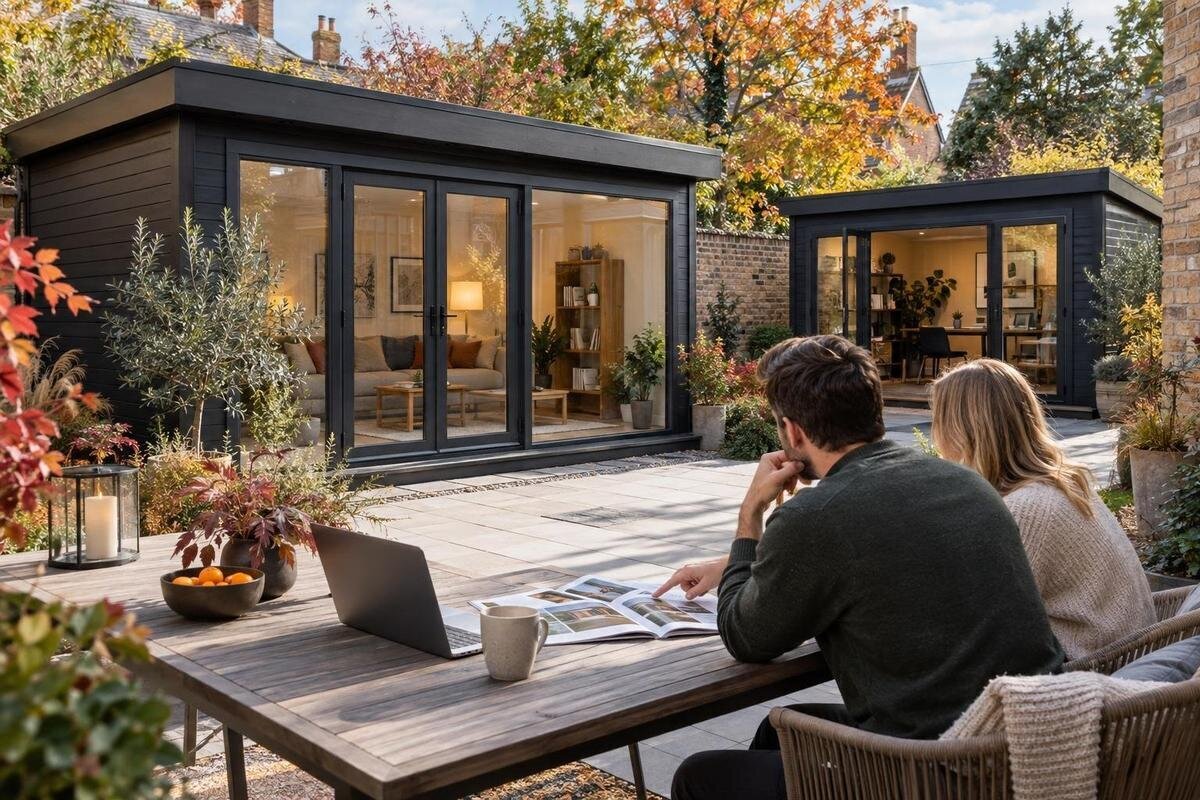
Black Friday buying guide
If you plan to buy a large garden house on Black Friday, a discount badge is only one part of the decision. A worthwhile offer should match the space and use you need, provide the documented construction and features you expect, and remain acceptable after delivery and assembly are considered. Compare the exact listing and terms in front of you so that the advertised saving does not outweigh an unknown specification or a poor fit.
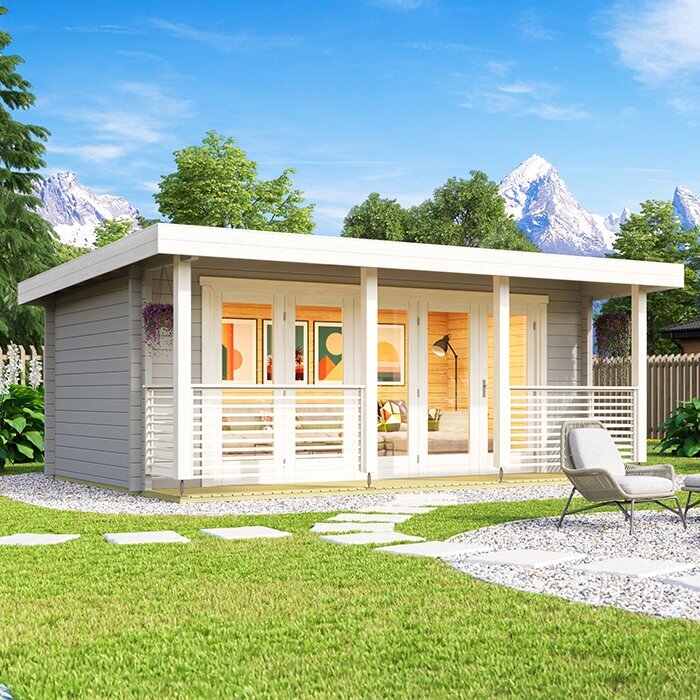
Offer comparison checklist 1
A Black Friday markdown is only one part of value
Treat the sale price as one part of value, not a verdict. A large garden house may look less expensive during a promotion yet still be a poor match if its footprint is wrong, the stated package omits something you expected, or delivery and assembly make the final amount unsuitable. A higher-priced option can be better value when its documented configuration meets your needs with fewer add-ons. A percentage-off label cannot establish product quality, usable capacity, or the full ordering cost. Judge the exact offer, not the promotional wording. Ask yourself whether you would still consider this building if the discount label disappeared; if not, the markdown may be steering you toward a purchase the product itself does not justify.
Before browsing, write down the intended use, the minimum space you need, the features you would actually pay for, and a ceiling for the building plus delivery or assembly. Separate essentials from preferences: glazing or extra storage, for instance, should not become a must-have unless your plans call for it. Save a dated note for each candidate with its model, selected configuration, displayed price, and terms. A product name does not provide its specifications. You can enter Garden House Verdana 1 in the table as a candidate, then fill the row from its current written listing and checkout details. Mark unknown information as unknown rather than assuming it is included.
Measure usable space before calling a garden house large
Large is a relative description, not a usable measurement. Start with what must fit—storage bins, bikes, a mower, a workbench, seating, or other planned contents—and consider how often items must move in and out. List bulky items and note the route you need between them. A building that looks spacious on a screen can be awkward if its interior width leaves no path around stored gear; a different arrangement may use similar floor area more effectively. Think about access as well as capacity. Do not use the word “large” as a substitute for a floor plan or a check against what you intend to keep there.
Compare published exterior dimensions with interior floor measurements, if both are available; they answer different questions. Door opening dimensions and position also affect what can enter. Include any overhang or clearance requirements only when the product documentation states them. Mark the footprint on the ground, then allow for paths and for doors to open without blocking access. When evaluating the Garden House Verdana 2 listing, use its published measurements if available instead of inferring size from the model name. If a dimension you need is missing, ask for confirmation before deciding the building is large enough. A room label or photograph is not a measurement.
Offer comparison checklist 2
Compare the same configuration and the same price basis
An advertised saving is meaningful only when the prices you compare refer to the same model, version, package, and payment conditions. Record the offer price, any stated reference price, required add-ons, delivery charge, and assembly charge; include applicable taxes or fees where they appear at checkout. If one option includes flooring and another lists it separately, their headline prices are not like-for-like. The same applies when a promotion depends on a code, payment method, or selected bundle. A bundle is not automatically better value if it makes you pay for items you will not use. Compare the package you would actually order, not the largest percentage shown.
Price per square foot can be a rough screening tool when size figures use the same measurement basis and the packages are equivalent. It cannot measure construction, convenience, fit, or the value of a feature you need. The Durano wooden garden house can appear in a side-by-side table once you have recorded the exact version and its listed terms; its name alone does not establish size or price. Check whether the offer applies to your address and selected options, then compare the amount at checkout. Use earlier pricing only when you can match the date and configuration. Otherwise, treat a reference figure as context rather than proof of savings.
Check the material and construction details behind the listing
Look beyond a broad material label such as “wooden.” The listing or product documents should identify the material and, when provided, the species, component dimensions, treatment or finish, and construction of the walls, roof, and floor. Check what kinds of connections or profiles are described and whether roof covering or flooring is part of the package. These details help distinguish documented construction information from appearance. A photo or design name does not show thickness, treatment, or weather performance, and products with the same broad material label may have different specifications. If a detail is missing, record it as unverified instead of assuming it is included or comparing it as a proven advantage.
Consider upkeep as well as initial construction. Look for the manufacturer’s care recommendations, whether a finish is supplied or expected, and which parts may need periodic attention; use the product guide rather than a generic promise. For Veltor 1 garden house listing, verify the written material and construction details as you would for any candidate. If your site has unusual exposure or you need a specific structural capability, rely on published manufacturer information and seek qualified local advice rather than treating promotional wording as a technical rating. Keep evidence about construction separate from the discount: the offer price does not establish what materials or care requirements apply.
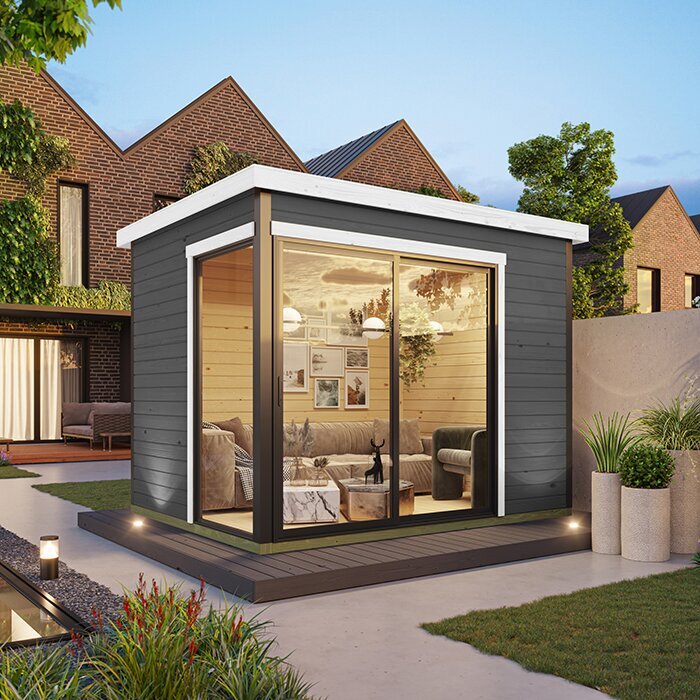
Offer comparison checklist 3
Confirm which features come with the advertised configuration
Make a list of what the selected configuration actually includes. A product page or photograph may show a door, glazing, flooring, roof covering, lock, shelving, or trim, but the image alone does not establish whether each item comes with the building. Check the written contents, quantities, and selected options; distinguish standard components from upgrades and items sold separately. Verify that the configuration on the product page is the same one in your cart. If you expect a finished floor or a particular roof layer, do not count it as included until the specification says so. This matters when comparing a base price with a more complete package.
Count only features that solve a need you have. An opening may matter for access or light; extra storage pieces may help with organization, but only if they suit the way you plan to use the interior. For the Orello 1 listing, rely on current written inclusions rather than the name, image, or URL wording to establish a feature. Put essentials and optional extras in separate columns, then compare the price of the package you would select. Check whether an upgrade is compatible with that exact model and whether it affects delivery or assembly arrangements. A long feature list is not a value measure if most of the items are irrelevant to your plans.
Add delivery and assembly terms to the offer comparison
Delivery belongs in the offer comparison because a large building may not be handled like a small parcel. Check what delivery covers, whether the stated charge applies to your address, how the shipment is handed over, and who is responsible for unloading or moving it beyond the stated drop point. Confirm any delivery window or appointment terms shown at checkout; do not assume delivery includes placement on the prepared site. If the destination is difficult to reach, ask what access details the seller needs and whether restrictions could change the charge or prevent the planned handoff. Compare confirmed terms, not an estimate or an assumption based on another order.
Assembly is a separate value question. Confirm whether labor is offered, what it includes, whether it covers the full building or only specified work, and what site preparation remains your responsibility. If you plan to hire an installer, obtain an estimate for the same model and scope rather than comparing a DIY package with an installed quote. For the Modano 1 listing, check the selected product’s delivery and assembly information; the model name does not establish either. Ask for package dimensions or handling details if needed to assess access and staging. Read the manufacturer’s instructions before deciding whether self-assembly fits your skills and schedule, and clarify any part of the service description that could change the offer’s value.
Offer comparison checklist 4
Check the site and intended use against the building
Check the proposed location against the building’s full stated dimensions, not just the space visible from the doorway. Include room to open doors, reach the entrance, move around the exterior for ordinary access, and bring components to the site. Note slopes, drainage patterns, nearby trees or structures, and the surface intended for the base; follow the manufacturer’s requirements rather than guessing. A tight corner can make a nominally large floor area less useful or complicate assembly. Measure the route from the delivery point as well as the final footprint, especially if fences, gates, steps, or narrow passages limit access. A site that works on paper may still be difficult to reach.
Then test the size against the actual use. For storage, map where bulky equipment will go and how it will be removed; for a hobby space, account for furniture, working clearance, and an entrance that suits routine use. Do not assume a general garden-house description establishes suitability for year-round occupation, insulation, heating, or powered equipment. Check the stated intended use and get qualified advice where your plans require it. When assessing the Veltor 2 listing, compare verified dimensions and use information with your own site instead of treating the model name as evidence of fit. Check applicable local requirements with the appropriate local source before placing a structure.
Verify the exact model and configuration at checkout
Read the page for the exact model and configuration you intend to order. Model names, photos, and URL wording can help identify a listing, but they do not verify dimensions, materials, included accessories, or performance. Compare the specification sheet, installation guide, option selectors, and written package description where available; make sure each refers to the same variant. Use the Veltor 3 listing as a product identity until its current details are checked. Note the selected variant or item number, if shown, and save a dated record of the relevant specifications and price. This makes later comparison more reliable than relying on memory or a browser tab that may no longer show the same selection.
At checkout, reconcile the cart with your notes: model and options, package contents, shipping amount, assembly selection, applicable taxes or fees, and the terms displayed for the order. Check that a code or promotion has changed the amount you expected and applies to the selected configuration; do not infer this from a banner. If a fact that matters to fit or value remains unclear, ask the seller for written clarification before paying. Keep the order confirmation and the page or messages describing the chosen package. A countdown or limited-time message is not a substitute for a final comparison, and it cannot answer a question about an unlisted specification.
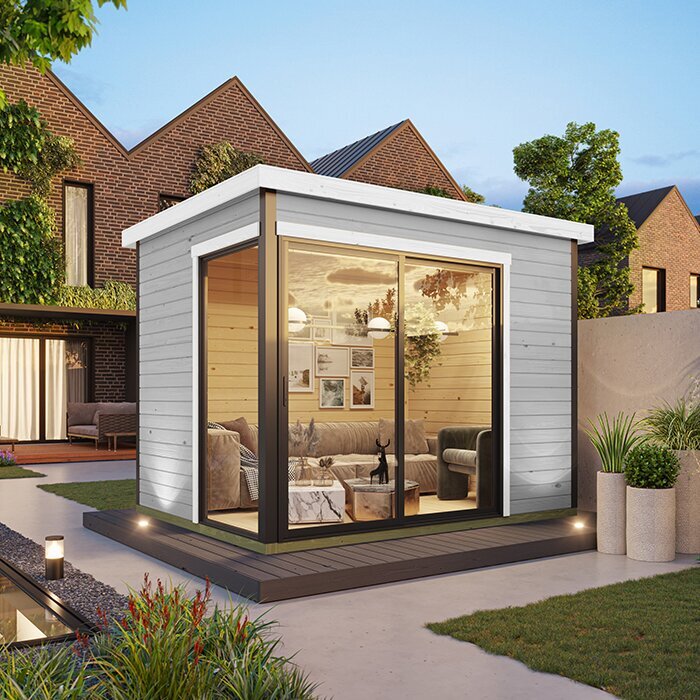
Offer comparison checklist 5
Read the service, warranty, and return terms
Read the written terms for returns, cancellations, warranty coverage, and exclusions before ordering. Note the time limits, conditions, possible fees, and who handles a claim; a general statement such as “warranty included” does not explain what is covered. Check whether the terms distinguish the building from accessories or finish, and whether they require registration or particular documentation. These details may not change the displayed price, but they affect how clearly the offer protects the purchase if the delivered configuration is incomplete or an issue arises. Use the seller’s current written terms, not a remembered policy or an assumption based on another product. If a condition matters to your decision, make sure you understand it before paying.
Also check what help is available after purchase: how to report missing or damaged pieces, where assembly questions go, and whether replacement components can be requested. Find out what information the seller asks for and how support can be contacted, without assuming a particular outcome or response time. For a large building, the service process is part of the buying decision because an issue could affect more than one component or stage of assembly. Compare the clarity of the documented process across candidates, but do not treat friendly promotional copy as a guarantee. If an important condition is unclear, resolve it before placing the order rather than waiting until a problem occurs.
Choose the offer that meets your must-haves first
Use a simple table to keep the comparison consistent. Give each candidate its verified dimensions, documented materials and construction, included features, offer price, delivery and assembly charges, and key terms. Mark every must-have as met, not met, or unconfirmed before scoring optional extras. If a must-have is unconfirmed—such as the space needed for an item—do not let a deep discount compensate for missing evidence. Then rank the remaining offers by the features that matter to your use, not by the number of specifications or the largest percentage reduction. A clear table makes trade-offs easier to see and helps prevent one attractive price from dominating the decision.
Choose the offer that clears your practical requirements and has a clearly understood package at an amount you accept. The lowest price may be the best choice when two configurations meet the same needs and their terms are comparable. If they differ, decide whether the extra documented benefit is worth the difference to you. Pause when urgency is the main reason to proceed, when a critical detail is unknown, or when required add-ons push the purchase beyond your limit. You do not need to assign a numerical score to every feature; a clear distinction between essential and optional is often enough. A sound Black Friday decision may be to buy a well-matched option or to pass on a discount that does not suit your yard, plans, or budget.
Frequently asked questions
What makes a large garden house a good Black Friday value?
It meets your space and use requirements, has clearly documented construction and included features, and comes with delivery and assembly terms you understand. Compare the exact configuration and the amount you would pay, not just the advertised discount. A lower price is not good value if the building does not fit your plans.
How can I tell whether a garden house is large enough?
List what you plan to store or use inside, then compare those items with the published interior measurements and door opening. Mark the building’s full footprint on the ground and allow for access and door movement. If a measurement you need is missing, get it confirmed rather than relying on the word “large.”
Is price per square foot a reliable way to compare offers?
It can be a rough screening tool if the area figures use the same measurement basis and the packages are comparable. It does not account for construction, included features, delivery, or how well the building suits your site. Use it alongside those checks, not as a stand-alone value rating.
What costs besides the advertised price should I check?
Review the final checkout amount, including any listed delivery charges, applicable taxes or fees, assembly charges, and add-ons you actually need. Check which delivery and assembly services those amounts cover. Do not treat a cost as included unless the offer or seller’s written terms say so.
Should I buy just because a Black Friday offer is temporary?
No. First confirm that the building fits your site and intended use, that the package includes the features you need, and that the terms make sense for you. If a key specification or cost is unclear, a promotional deadline does not resolve that uncertainty.
A strong Black Friday offer is not simply the listing with the biggest markdown. It is the large garden house whose verified size, documented construction, included features, delivery and assembly terms, and written conditions fit your priorities at an amount you accept. Compare the same configuration, mark unknown details plainly, and let your intended use decide which extras matter. With those checks complete, you can recognize an offer that provides real value for your plans—and leave one that only looks compelling on a sale banner.
