
Low-E Glass Explained: Coatings and Supplier Questions
Window and Door Buying Guide
A Low-E glass decision starts with the opening and the scope of the project, not with a coating name alone. A fixed picture window, an outward-opening casement, a sliding patio door, and a roof window put glass in different places, face different exposures, and serve different daily routines. First identify which openings are being replaced and whether the concern is summer glare, winter comfort near the glass, fading of furnishings, privacy, or a room that feels too dark. Then ask the supplier to describe the complete glass package proposed for each opening. Low-E is a coating within that package, not a universal shorthand for a particular level of insulation, solar control, or visible light. Clear answers let you compare like with like before approving dimensions, operation, color, decorative bars, and installation details.
Begin with how each opening will be used
Map the project by opening operation before comparing glass. A living-room opening that never needs ventilation may be a candidate for a large fixed view, while a bedroom window may need a practical opening method and clearance around furniture. A door is also part of circulation: furniture, a grill area, a deck step, and the direction of travel can matter as much as the glazing. Glass area, frame area, and operable sash proportions can all change between configurations. For example, a fixed window for a view-focused wall creates a different glass-to-frame relationship than an operable unit placed beside it. That difference can affect daylight and solar exposure even if the supplier uses a similarly named coating.
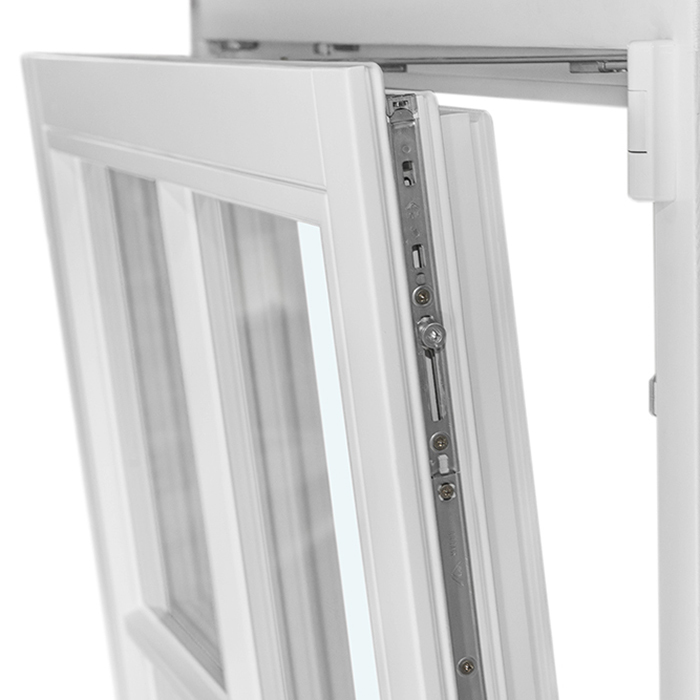
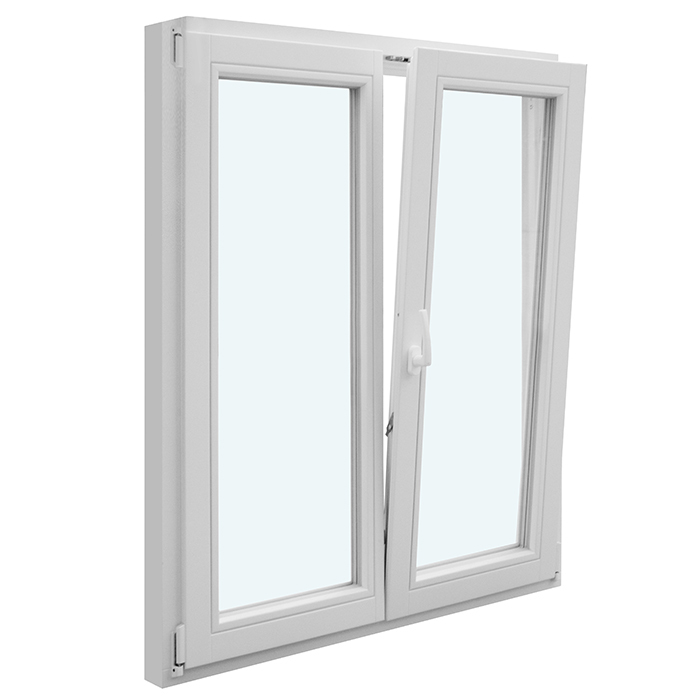
Create an opening schedule that separates fixed, operable, and door-sized units. Note which rooms need ventilation, which openings are difficult to reach, and where an open sash could conflict with a walkway, sink, shade, or exterior planting. If ventilation is shared across a wider opening, a two-sash inward-opening window represents a different operating arrangement from a single sash or fixed unit and should be quoted as its own configuration. This first pass keeps a glass discussion tied to products that are practical for the room. It also gives the supplier a clear basis for identifying whether one glass package is proposed throughout or whether size, operation, or exposure leads to alternatives.
What the Low-E coating actually does
The term emissivity describes how readily a surface gives off radiant heat. A Low-E coating is engineered to have low emissivity, so it changes the way long-wave radiant heat interacts with the glass. In a multiple-pane insulated glass unit, the coating is typically placed on a protected interior glass surface rather than on a surface exposed to weather or cleaning. The coating can help reduce unwanted heat transfer, and some versions are designed to limit more solar heat than others. It does not make glass opaque, and it does not by itself describe every energy-related property of the finished window or door.
A helpful mental model is to separate heat moving through the assembly from sunlight entering the room. A coating may support colder-weather comfort by reducing inward heat loss, while its solar-control behavior influences how much solar heat is admitted when sun strikes the glass. Those goals can pull in different directions. A room with broad west-facing glazing may prioritize controlling late-day solar gain; a shaded room may value available daylight more highly. Neither objective is automatically better. The right question is what balance suits that particular elevation, surrounding shade, room use, and the homeowner’s willingness to use interior or exterior shading.
Treat the glass package as the product
A coating is only one layer of a glass package. Ask the supplier to state the number of panes, the location of the Low-E coating, whether a gas fill is proposed, the spacer approach if provided, and any safety, privacy, decorative, acoustic, or obscure-glass elements. Ask whether all openings receive the same package or whether it changes by size, operation, or location. This prevents an early conversation about “double-pane Low-E” from becoming an assumption about every unit in the order. It also makes later substitutions easier to spot before production.
Request performance information for the complete proposed product at the stated size, not a generic discussion of the glass alone. U-factor describes heat flow through the whole window or door assembly; solar heat gain coefficient addresses the portion of solar heat admitted; visible transmittance indicates how much visible light passes through. Use the values as a set because one number cannot tell the whole comfort story. Confirm which rating system or document the supplier is using, whether it applies to the exact configuration, and whether options such as decorative bars or special glazing alter the quoted result. If the proposal lists only a glass code, ask for a written explanation that connects that code to the quoted assembly.
Read U-factor without turning it into a verdict
A lower U-factor generally indicates less heat flow through the rated assembly, but it should not be treated as the only buying criterion. Frame design, glass area, edge-of-glass details, air sealing at installation, and the location of the opening all contribute to the experience in a room. A tall assembly with a generous glass area can feel different from a smaller unit even when published values are favorable. Ask which value is being quoted: the whole product, the center of glass, or another component. Comparisons are meaningful only when the basis is the same.
Use the number to frame a practical supplier conversation. For a drafty existing opening, ask whether the proposal’s quoted value includes the frame and whether the supplied documentation identifies the exact product line and glazing. For a new large opening, ask how the selected size and configuration affect the available rating. A super-low-Uw outward-opening Passive House window is a named configuration, but its title should not replace written confirmation of the glass package and rating for your selected order. Place competing proposals side by side and circle any values based on different test or reporting descriptions. A favorable number is useful only when you know what was rated and whether it matches the unit being purchased.
Balance solar gain, glare, and daylight
Solar heat gain coefficient is especially useful when comparing glazing exposed to direct sun. A lower value generally means less solar heat is admitted; that can be attractive where strong sun makes a room overheat or causes uncomfortable glare. Yet lowering solar gain can also reduce useful solar warmth in another setting, and it may be accompanied by a different daylight appearance. Look at each facade individually. South, east, and west exposures can have distinct patterns, while neighboring buildings, trees, porches, roof overhangs, and blinds can greatly change the actual experience.
Ask to see how the proposed package compares with an available alternative on solar heat gain and visible transmittance, then relate the difference to a real room. Consider a family room with a television opposite a patio opening: glare control during afternoon use may deserve extra weight. A breakfast area with little direct sun may have a different priority. A Patio Life sliding patio door should be assessed as a door-sized glazed opening, including its orientation and adjacent shading, rather than as a small-window decision enlarged to fit. Record who uses the room and at what time; this keeps the choice connected to actual exposure rather than a generalized preference for the lowest or highest value.
Visible light and color deserve a sample review
Visible transmittance is a measure of visible light passing through glazing. More is not always preferable: a bright room can still suffer from glare, reflections, or uneven light, while a darker coating choice may alter the character of an interior that depends on daylight. Low-E coatings can have subtle differences in tint or reflectivity under changing sky conditions and interior lighting. Ask the supplier whether a physical sample, product display, or representative glass sample is available. Review it from indoors and outdoors, ideally against the wall colors and finishes that will surround the opening.
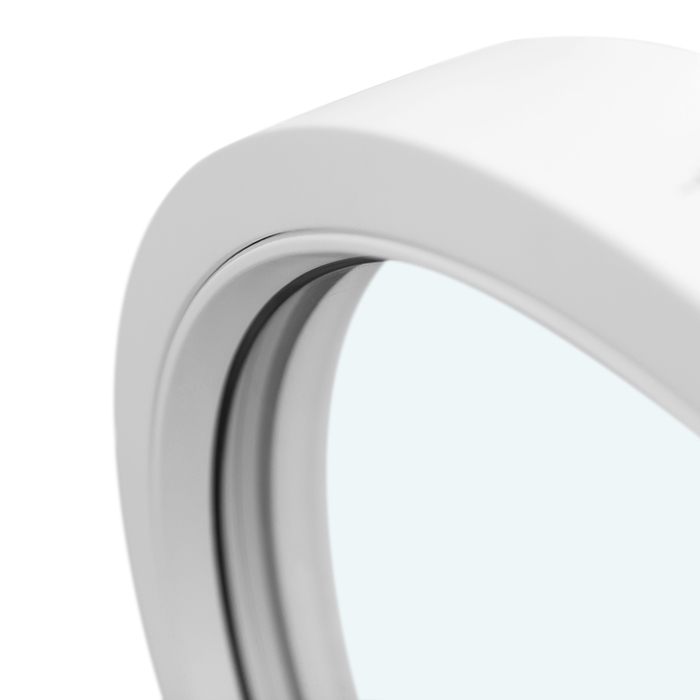
A sample cannot reproduce every condition of a large installed elevation, but it helps expose expectations that a specification sheet cannot. Ask whether the appearance varies between the proposed Low-E option and a higher-solar-control alternative, and whether decorative bars change the visual read of the glazing. For a distinctive shape such as a round fixed window, glass appearance can be central to the design because there is no operating sash to draw the eye. Confirm the glazing description in the order, including any intended obscurity or pattern, instead of relying on a showroom memory. If matching adjacent existing glass matters, tell the supplier that visual coordination is a project goal rather than assuming two products called “clear Low-E” will look identical.
Do not confuse comfort with one seasonal concern
People often describe a glass problem as “cold,” “hot,” or “drafty,” but those sensations have different causes. Cold radiant sensation near glazing, direct winter sun, summer solar gain, air leakage, an unconditioned room, and a poorly balanced HVAC system call for different investigation. Low-E glass can be part of a comfort strategy, but it is not a diagnosis for every complaint. Describe the timing and location of the problem to the supplier: for example, late-afternoon heat in one room, discomfort beside a bed on cold mornings, or reflections at a home-office desk.
This description helps distinguish glass questions from installation and room-design questions. Ask how the proposed glass package is expected to address the concern and what it does not address. If the answer is only a broad claim that Low-E solves heat and cold, request the relevant U-factor, solar heat gain coefficient, visible-transmittance information, and full glass make-up. For an overhead opening such as a pivoting roof window, include the direction and duration of sun, access to shades, ventilation plans, and the room’s use in the discussion. A candid supplier should explain tradeoffs rather than promising that one coating eliminates every seasonal comfort problem.
Account for operation, safety, and project coordination
Glazing choices should be coordinated with the selected opening type early. An outward-opening sash needs exterior clearance; an inswing unit needs indoor clearance; a sliding door preserves swing space but creates its own furniture and track considerations. A single-sash outward-opening casement window may suit a location where exterior conditions and ventilation routines support that operation, but glass selection still requires its own review. Give the supplier the opening schedule, rough sizes, photos of existing conditions, and notes on sun direction. That is more useful than asking for a universal “best” Low-E option.
Some locations or project conditions can require specialized glazing or other design responses. Do not assume that a coating designation establishes suitability for impact, security, fire, fall protection, privacy, or any other project requirement. Tell the supplier where each unit will be located and involve the appropriate qualified professional for project compliance and installation decisions. If the project includes an unusual opening, remodeling around a structural wall, or a location with particular exposure, put those questions into the written scope before finalizing the glass. Ask who is responsible for field measurements, installation details, and compatibility with surrounding construction. A later glass or configuration change can affect appearance, lead time, and coordination across the order.
Compare door glazing on the same disciplined basis
Patio doors deserve their own comparison sheet because their size and use can magnify solar and comfort decisions. Record panel count, operation, overall opening size, direction of travel, screen considerations if relevant, glass package, and published values for each proposal. A two-panel system and a folding system may create very different sightlines and open areas, so do not assume the same glass choice produces the same result. Consider where people stand near the glass, whether direct sun reaches the floor, and whether interior shades will be used routinely.
For instance, an outswing bifold door should be reviewed for its named operating configuration as well as its glazing proposal. Ask if the supplier’s documentation identifies the configuration being priced and whether the chosen glass option is consistent across all panels. Check the exterior face from the yard and the interior face from the room; reflections can be more noticeable across a wide opening. If comparing a patio door with adjacent fixed windows, request a coordinated appearance explanation so glass tint, decorative bars, and sightlines do not become an afterthought. Also confirm whether the performance values cover the complete door configuration or another representative unit, and have the supplier explain any difference in writing.
Turn supplier answers into an order-ready record
Before approving an order, create a one-page record for every opening group. Include product configuration, width and height, operation and handing, frame color, decorative bars if any, glass make-up, Low-E coating description and location if disclosed, U-factor, solar heat gain coefficient, visible transmittance, special glazing, and the document date. Mark unanswered fields rather than filling them from assumption. This sheet is not a substitute for professional drawings or installation instructions; it is a way to make competing proposals comparable and preserve decisions made during sales discussions.
Finish with direct questions: What exactly is the glass make-up in this quoted unit? Which surface carries the coating? Are the stated values for the whole assembled product in my selected size? What changes if I choose the alternative coating? Does the glass selection change visible appearance? Are all windows and doors receiving this same package? Which conditions must be confirmed before release to production? Ask the supplier to revise the quote when an answer changes rather than relying on an email that conflicts with the order. Bloomcabin provides a 5-year windows and doors warranty. Delivery is 4–6 weeks subject to order confirmation, so review the written scope, options, and unanswered technical questions before confirmation rather than treating a verbal description as final.
Common questions
Is Low-E glass the same as tinted glass?
No. Low-E refers to a coating that influences radiant heat behavior. Some Low-E options may have a subtle tint or different reflectivity, but tint, visible transmittance, solar heat gain, and Low-E are separate parts of the discussion. Ask for the complete glass description and compare samples or documentation when appearance matters.
Should every window in my house use the same Low-E coating?
Not necessarily. A consistent package can simplify an order and visual appearance, but different exposures and room uses can justify comparing alternatives. Ask the supplier to explain the reason for any variation, identify each affected opening, and provide the resulting values and appearance notes. Decide intentionally rather than accepting an unexplained mix.
Can I compare center-of-glass performance with a window U-factor?
They should not be treated as interchangeable. Center-of-glass information describes the middle portion of the glazing, while whole-product U-factor addresses the assembled window or door on its stated basis. When comparing proposals, request values reported on the same basis for the actual proposed configuration, then retain the documents with the quote.
Does Low-E glass remove the need for shades?
Low-E glass and shading perform different roles. A glass package can help manage heat and light, while shades give occupants day-to-day control of glare, privacy, and changing sun. Consider when the room is used, screen locations, and whether occupants will actually close shades. Do not assume either measure replaces the other.
What should I send a supplier before asking for a recommendation?
Provide an opening list with approximate sizes, operation preferences, photos, room use, sun concerns, exterior orientation if known, and desired privacy or decorative details. Ask for a written glass-package description and performance information for the proposed products. This gives the supplier useful context for explaining alternatives without guessing at your priorities.
Next steps
Low-E glass is most useful as a precise specification conversation, not as a label that ends the decision. Start with opening operation and the role each window or door plays in the project. Then compare complete glass packages on the same reporting basis, with attention to U-factor, solar heat gain coefficient, visible transmittance, appearance, and the actual path of the sun. Ask suppliers to connect every answer to the proposed configuration and record it before order confirmation. That approach leaves room for design preferences while making tradeoffs visible, reviewable, and less likely to create surprises after installation.
