
Multipoint Door Locks: What to Check Before Buying
Door Hardware Buying Guide
The right multipoint lock starts with the way the door opens and how the project will be used. A lock for a single-panel inswing patio door is not automatically the right choice for an outswing entry door, a two-panel unit, or a large sliding opening. Before comparing lock names or counting bolts, establish the door configuration, handing, active panel, hardware style, and whether operation must work with a key, thumbturn, lever, or pull. Then examine the complete operating sequence: what happens when the handle is lifted, when the key is turned, and when someone needs to leave from inside. This approach helps prevent a common ordering problem: buying a lock component that looks suitable in isolation but does not match the door preparation, cylinder, handles, or intended daily routine.
Begin with the opening type and project scope
A multipoint lock is a locking mechanism that secures a door at several locations along its locking edge through one coordinated action. That broad definition covers different arrangements, so begin with the actual opening rather than a generic lock description. Is this a front entry, a patio access door, a side door, or a replacement panel in an existing frame? Does it swing in or out? Is there one operable panel, a pair of panels, sidelights, or a fixed companion panel? These decisions determine where the lock edge, hinge edge, threshold, and receiving frame members sit. They also affect which side needs a key cylinder, lever, escutcheon, or pull.
For example, a single-panel inswing patio door establishes an inswing patio configuration, while an outswing exterior opening presents a different operating and weather-exposure context. Neither title alone confirms a particular lock, cylinder, or locking-point layout. Treat the door product and the lock as a coordinated specification. Send the supplier a drawing or clear photos of the opening, rough dimensions, swing direction viewed from the exterior, and the intended use. If replacement work is involved, include photographs of the existing lock edge and frame strikes. That information is more useful than simply asking for a “secure multipoint lock.”
Understand the engagement sequence
Count locking points only after you understand how they engage. Some systems require lifting a handle before turning a key; others use another sequence. The key question is practical: can every intended user follow the sequence consistently, and can they tell when the door is fully secured? A handle that feels different from a conventional single-latch door is not necessarily a flaw, but it needs to suit the household or building routine. Ask whether closing the door merely latches it, whether lifting the handle throws additional locking elements, and what action retracts them from each side.
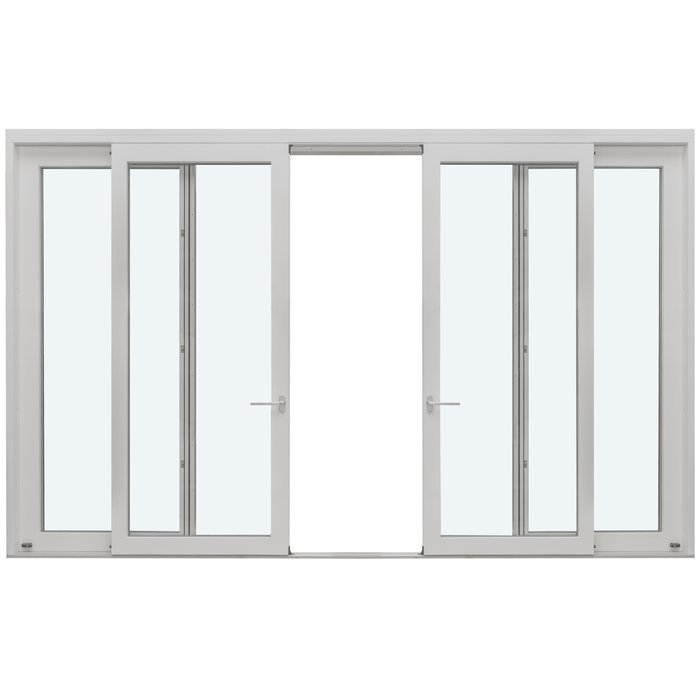
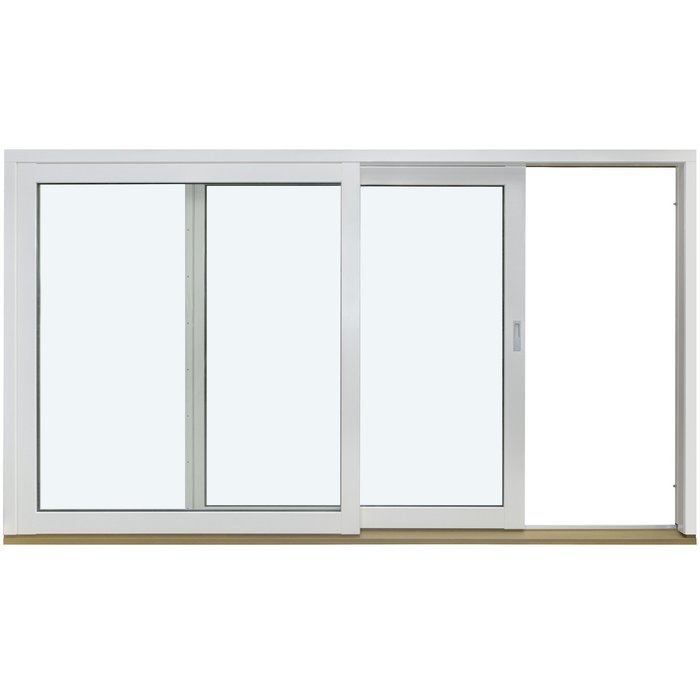
Also ask what happens if the door is not fully aligned when the handle is operated. Multipoint hardware depends on the sash and frame meeting in the intended position. Forcing a handle against resistance may indicate misalignment rather than a lock problem. Request a demonstration of closing, engaging, locking, unlocking, and opening the proposed configuration. A Patio Life sliding patio door represents a different opening method, so its operating hardware should be evaluated as an alternative system rather than assumed to follow a hinged-door sequence. If the door will serve guests, tenants, children, or staff, consider how intuitive the selected sequence is during ordinary arrivals and departures.
Separate locking points from locking elements
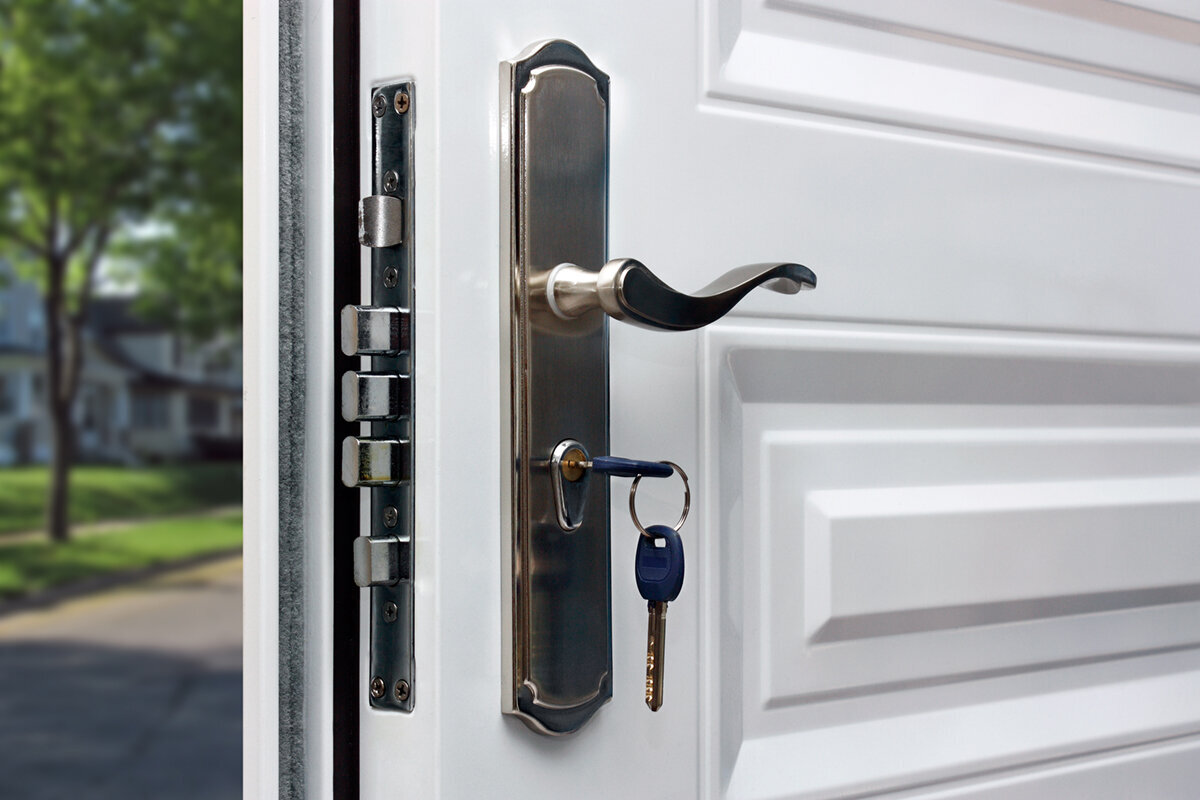
A sales description may refer to multiple points without explaining what each point does. Ask the supplier to identify the locking elements and their locations on the lock edge. Depending on the system, the arrangement may include a central latch and deadbolt area plus additional elements higher or lower on the door. Their interaction with corresponding frame components matters as much as their count. A clear hardware schedule should show the proposed lock strip, receiving hardware, handle set, cylinder arrangement, and the door or panel to which each part belongs.
Avoid assuming that more points automatically make one proposal preferable. A useful comparison considers the whole configuration: door size and weight, frame design, hinge setup, panel alignment, threshold detail, and how the locking elements enter or engage with the frame. Ask whether every listed point is operated by the same handle and key sequence, whether the receiving parts are included, and whether the proposal is for a complete system or only a replacement lock case. This is especially important when comparing an original door order with retrofit hardware. A component that fits a catalog family may still require exact preparation to fit a particular door.
Specify how the door must work from each side
Draw two columns headed “inside” and “outside,” then describe the required actions from approach to exit. Outside, should users unlock with a key and operate a lever, or unlock and use a pull? Inside, should the door open with a lever, a thumbturn, a key, or another arrangement? Do you need the ability to lock the door while inside without going outside? These questions expose conflicts early, particularly where a decorative exterior pull is paired with a lever indoors. They also prevent the vague but costly instruction “same as the old door.”
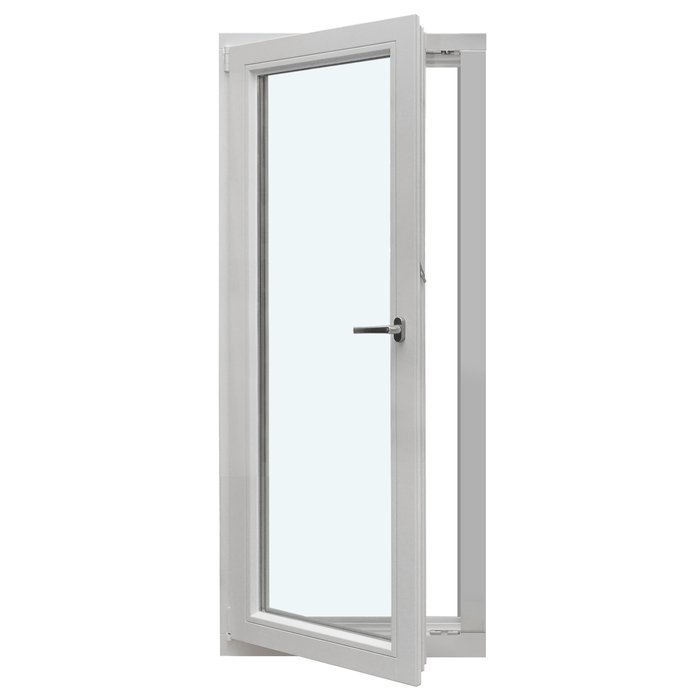
A patio door may call for a different everyday experience than a principal entry. With a single-panel outswing patio door, confirm which face is exposed when the panel is closed, where exterior hardware will sit, and whether the selected hardware arrangement is intended for that door’s swing and panel. If the door will be used by someone carrying groceries, walking a dog, or moving between house and yard, test the proposed sequence in a showroom or ask for a clear operation explanation. Operational convenience should not be treated as a finishing detail after the lock has been selected.
Match the cylinder, handle, and lock preparation
Compatibility is dimensional as well as visual. Ask for the cylinder type and length required for the assembled door, along with the lock backset, center distance where applicable, faceplate dimensions, handle spindle format, fixing positions, and handing. Do not order a cylinder based solely on a photograph or the appearance of another door. Its fit depends on the door build-up and the selected escutcheons or trim. A cylinder that projects too far, sits recessed, or cannot be secured correctly may require a different selection rather than a field improvisation.
Ask whether the lever, pull, escutcheon, cylinder, and lock body are supplied as a tested or approved combination where relevant, or whether they are separately sourced alternatives that still require compatibility confirmation. Finish is separate from function: matching colors does not establish matching mechanical interfaces. If you want keyed alike access across several openings, raise that requirement before the order is released. The supplier can then explain what is available for the proposed hardware family and what information is needed. Record final choices by part description, handing, and door location, such as “rear patio active panel,” rather than relying on room names alone.
Check the frame, strikes, and threshold together
The lock does not secure into an abstract opening; it engages with hardware installed in the frame. Ask what strike plates, keeps, receivers, or other mating components are required and whether they are included with the proposed door. Their positions need to align with the lock elements when the panel is closed. The threshold and head area also deserve attention because a door can feel difficult to operate if the panel is not sitting correctly in the frame. A lock that works smoothly at handover may later feel strained if adjustment is neglected or the opening changes.
This is one reason a complete supplied assembly can be simpler to specify than combining unrelated parts. For an outswing exterior door, ask who identifies the frame-side receiving hardware, how it is coordinated with the door’s locking edge, and whether installation guidance identifies adjustment points. Do not ask an installer to make a mismatched lock “work” by cutting or bending parts without the appropriate confirmation. Instead, identify the exact door system, lock set, and frame preparation, then have the responsible supplier or qualified installer verify that the components belong together before work begins.
Plan for alignment and seasonal adjustment
Multipoint operation is sensitive to alignment because several elements must meet their receivers at once. A stiff handle, incomplete engagement, rubbing panel, or need to lift the door to close can point to a door-and-frame alignment issue. It is not automatically evidence that the lock itself has failed. Before purchasing a replacement lock for an existing door, observe whether the door closes evenly, whether gaps appear consistent around the panel, and whether the latch meets its strike without pushing or pulling the panel. Share those observations with the professional assessing the job.
For a new door, ask which adjustments are expected to be accessible after installation and who is responsible for initial setup. A lock should be operated only as directed, without forcing a key or handle when resistance appears. Keep the original hardware documentation with the door records, including the lock identification and key information where appropriate. This makes later maintenance or a service request more precise. Regularly checking smooth closing is a practical way to notice an emerging alignment issue before it becomes a situation in which the handle or key must be forced.
Treat paired panels and large openings as special cases
Paired patio doors introduce a decision that single-panel doors do not: which panel is active in daily use and how the companion panel is secured. The meeting area between panels, the hardware on each leaf, and the opening sequence all need definition. Ask whether one panel carries the primary lock, how the inactive panel is retained when closed, and what must happen before both panels can open. Do not presume that a lock specification for the active leaf describes the entire two-panel arrangement. Compare swing direction as well: two-panel inswing patio doors place the open panels and operating hardware differently from an outswing pair, so the complete layout must be checked rather than transferred from one configuration to the other.
This applies when considering two-panel outswing patio doors as well as other paired configurations. Provide the panel widths, intended active panel, exterior and interior hardware preferences, and any requirement to open both panels for furniture or access. Ask for a drawing that labels left and right as viewed from a stated side; “left-hand” by itself can be misunderstood. Also discuss whether an astragal, meeting stile, or another closing detail is part of the design. These items influence the hardware plan and should be settled before final fabrication, not after a pair of panels arrives on site.
Ask for relevant documentation without guessing its scope
Documentation can help compare proposals, but only if it identifies what was evaluated. Ask what product documentation is available for the exact door and hardware configuration being considered, and read the scope carefully. A document for a lock component does not necessarily describe the performance of an assembled door, frame, glass, installation, or project opening. Similarly, a document for one size, configuration, or hardware option may not automatically apply to another. If reviewing historic-style single-panel outswing patio doors, for example, the style description establishes appearance and configuration but does not establish an unseen lock specification. Ask the supplier to identify the document’s product name, configuration, hardware references, stated limitations, and revision so you can tell whether it matches the quoted assembly.
Avoid turning broad claims about “rated” or “tested” hardware into a project conclusion. Project conditions may require review by the appropriate qualified professional, especially when the opening has particular exposure, occupancy, or design requirements. Local requirements can vary by jurisdiction and project, so confirm applicable requirements with the authority having jurisdiction and the project professional rather than assuming a nationwide rule. If documentation is important to your decision, request it before final approval and preserve it with the order record. That timing gives you a chance to resolve a mismatch while hardware choices can still be coordinated.
Use a final order checklist and ownership plan
Before authorizing an order, consolidate the decisions in one written checklist: door model and location; inswing or outswing; handing viewed from a named side; panel count and active panel; lock operation sequence; cylinder and keying request; interior and exterior handles or pulls; frame-side receiving hardware; finish; and documentation requested. an outswing panel entry door is a named door configuration, but the order still needs these hardware choices expressed in detail. Ask the supplier to identify any fields that remain provisional and what site information is needed to finalize them. Compare the checklist against the quotation, drawing, and hardware schedule. If those records use different names or handing conventions, resolve the discrepancy in writing instead of assuming the fabricator will infer your intent.
Finally, clarify the handoff after installation. Ask who will demonstrate operation, provide keys and hardware records, and address adjustment questions. Bloomcabin windows and doors carry a 5-year warranty; ask how the warranty applies to the selected door and hardware arrangement and retain the order confirmation. Delivery is typically 4–6 weeks, subject to order confirmation, so do not schedule dependent work on an assumed date before confirmation. A careful final review may feel slower than choosing a lock from a single image, but it is the practical step that connects operation, compatibility, installation, and future service into one coherent door decision.
Frequently asked questions
Is a multipoint lock always better than a single-point lock?
Not automatically. A multipoint lock changes how the door engages with the frame and may suit many exterior-door designs, but appropriateness depends on the complete door system, use, alignment, hardware, and project needs. Compare the operating sequence and compatible components instead of treating the number of locking locations as a universal ranking.
Can I add a multipoint lock to my existing door?
Possibly, but compatibility must be verified rather than assumed. The existing door needs suitable lock-edge preparation, frame-side receivers, dimensions, cylinder and handle interfaces, and adequate alignment. Provide photos, measurements, and door details to a qualified professional or supplier. A replacement lock body alone may not resolve frame or panel problems.
Why does a multipoint door handle need to be lifted?
On some systems, lifting the handle engages additional locking elements before the key completes the locking sequence. That is an operating characteristic, not a fault by itself. Confirm the exact sequence for the proposed hardware, ensure users understand it, and investigate resistance rather than forcing the handle when the door does not align smoothly.
Do I need a keyed cylinder on both sides?
That depends on how the door must function from inside and outside, the selected handle arrangement, and the project context. Describe your desired entry and exit routine first. Then ask the supplier to confirm compatible cylinder and escutcheon options for the exact door. Do not select solely by appearance or by another opening’s hardware.
What should I photograph before requesting replacement hardware?
Photograph both faces of the closed door, the full lock edge, hinges, frame strikes or keeps, threshold, handles, and cylinder. Include a tape measure beside relevant hardware where practical. State the swing direction and where the image was taken. These records help distinguish lock compatibility questions from alignment or frame-preparation issues.
Next steps
Buying a multipoint door lock is a coordination exercise, not a bolt-count exercise. Start with the opening type and daily operation, then match the lock body, locking elements, cylinder, handles, frame receivers, and adjustment approach to the exact door. For paired panels or replacement work, a labeled drawing and photographs are especially valuable. Request documentation that clearly applies to the proposed configuration, and have locally applicable project requirements reviewed by the appropriate qualified professional. Before the order is confirmed, make every outstanding hardware decision visible in writing. That disciplined process gives you a far better basis for choosing a door and lock system that can be used, serviced, and understood over time.
