
Noise-Reducing Windows: Compare Acoustic Glazing and Ratings
Window buying guide
The first choice in a noise-reduction window project is not the glass: it is how the window needs to open and how much of the noisy wall you are replacing. A bedroom beside a bus route may need operable windows for daily ventilation, while a home office facing a neighbor’s mechanical equipment may work best with a fixed unit. Those decisions shape the frame, seals, glass area, and installation details that affect what you hear indoors. Acoustic glazing and sound ratings are useful comparison tools, but neither tells the whole story alone. Compare complete, similarly sized window systems, identify the frequencies that bother you, and include the opening, frame, perimeter sealing, and adjacent wall in the plan. That approach produces a more reliable buying brief than asking for “soundproof windows.”

01 / Map the noise
Start with the opening type and the rooms that matter most
Make a room-by-room noise map before requesting quotes. Note when the disturbance occurs, where it enters, and whether the room needs fresh-air ventilation through that opening. Intermittent voices, tire noise, aircraft, a nearby compressor, and music can have very different frequency patterns. Also distinguish a broad outdoor sound from a local leak: if noise becomes markedly louder beside one jamb, under a sash, or through a wall penetration, replacing glass alone may not address it. A simple observation log over several typical days gives an installer and supplier more useful information than a general request for quiet windows.
Opening operation is a practical acoustic decision. A fixed window has no operable sash joint, so it can be a sensible option where ventilation is provided another way and the view is the priority. Consider a fixed window for a high-noise portion of a wall, but confirm the complete assembly and installation details rather than assuming its title establishes a sound rating. Where an opening window is essential, ask how the sash closes against its seals, what adjustment is available, and whether the selected size remains practical to operate. Do not trade away emergency access, cleaning access, daylight, or everyday ventilation merely to pursue one rating.
Know what an acoustic rating is actually describing
Sound ratings reduce a complicated listening experience to a test result. In US window discussions, Sound Transmission Class, or STC, is commonly used to summarize how an assembly limits airborne sound over a specified test range. Outdoor-Indoor Transmission Class, or OITC, is another metric often encountered for exterior assemblies and gives greater consideration to lower-frequency transportation-type noise. These labels are not interchangeable, and a rating is not a promise that every sound will become equally quiet. Ask the supplier to identify the metric, the reported value, the tested construction, and whether the figure belongs to glass only or to the complete window.
The comparison must be like for like. A laboratory result for a small fixed sample cannot automatically predict the result of a larger operating unit with different hardware, grilles, or divided lites. Likewise, a glass manufacturer’s acoustic data can help select glazing, but it does not describe leakage at a frame joint or the quality of field sealing. Put rating information in a quote schedule beside unit size, operation, glass makeup, and any attached elements. If a salesperson uses terms such as acoustic, sound-control, or quiet glass without a corresponding test basis, treat them as a description of intent and request the actual documentation before using them to compare options.
02 / Choose operation
Separate glass performance from whole-window performance
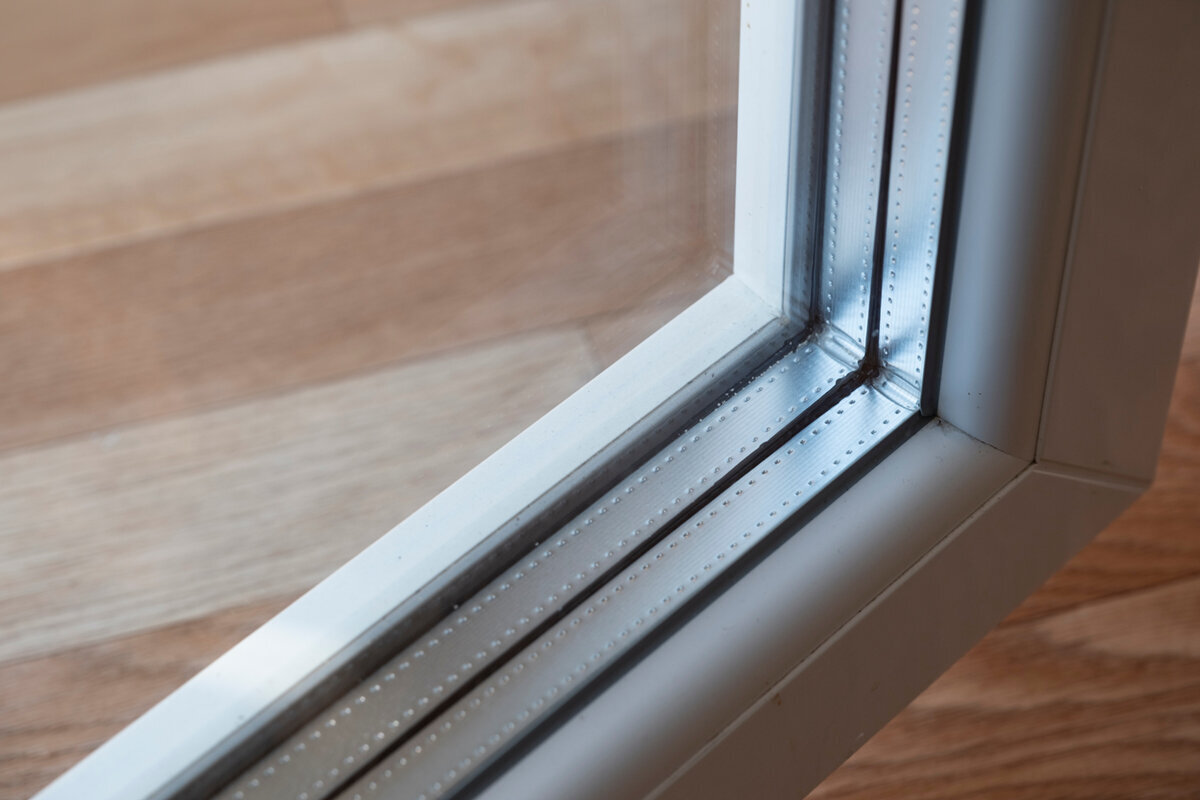
Glass is usually the largest visible part of a window, but it is one component of the sound path. Sound can pass through panes, travel around the edge of the insulating glass unit, leak through an operable joint, or bypass the window at the gap between frame and rough opening. A strong glazing specification in a poorly sealed installation can leave an unexpectedly audible result. Conversely, correcting a visible perimeter gap may improve a local nuisance without requiring a new window. During site review, identify the existing window condition, trim details, wall construction, vents, outlets, and any adjoining door or sliding opening.
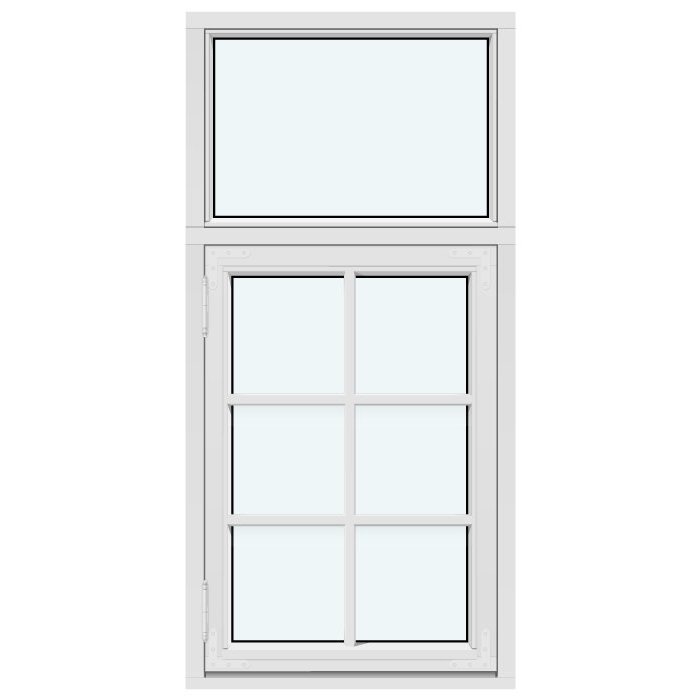
Ask for the proposed window as a system: frame, sash, glazing, hardware, seals, installation method, interior finish, and exterior weathering approach. A combination window can make sense when one area is fixed and another needs ventilation, but compare its individual fixed and operable portions thoughtfully rather than assigning one blanket expectation to the entire opening. Decorative choices also need clarity. Decorative bars applied to glass or between panes may change the visual effect without necessarily making the glass-dividing structure the same as a multi-lite design. State the desired look and ask how the selected configuration is represented in any acoustic information.
Understand why glass build matters
Acoustic glazing is not one universal product. The way panes are combined can influence the frequencies a glazed unit resists. Laminated glass includes an interlayer between sheets of glass and is often considered where sound control is a project objective. Using panes of unequal thickness can avoid having both panes respond similarly at the same frequencies. The space between panes also matters, but a bigger gap by itself is not a universal solution; the complete make-up, spacer arrangement, frame, and window design all remain relevant. Request the precise proposed glass build in writing rather than accepting only a broad phrase such as double glazing.
The best glass approach depends on the source. A low rumble from trucks may call for a different discussion than higher-pitched conversation or occasional sirens. Explain what is bothersome in ordinary language, then ask whether the suggested glazing is intended for that type of sound and what evidence supports the comparison. Avoid assuming that more panes always mean a better acoustic outcome. A multi-pane insulating unit can serve other project priorities, while an alternative laminated or asymmetrical construction may be worth comparing for sound. The supplier should also confirm visual characteristics that matter to you, such as tint, reflection, and the appearance of the glass, before an order is finalized.
03 / Compare systems
Treat air leaks as an acoustic weak point
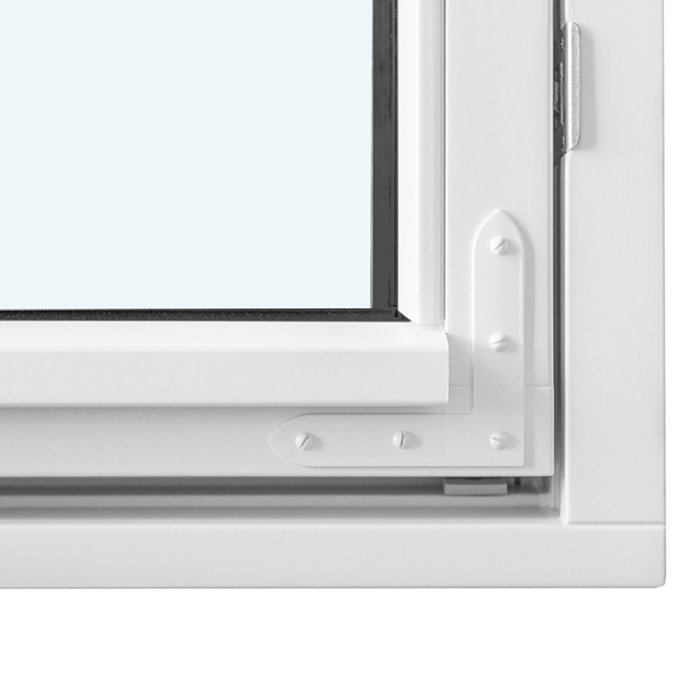
Airborne sound follows gaps surprisingly well. A small discontinuity around a sash, lock area, meeting rail, or installation joint can dominate what is heard even when the glass itself is capable of stronger sound reduction. This is why a window that looks closed may not perform like a tightly closed system. Before replacing units, check whether old weatherstripping, damaged hardware, loose sash adjustment, failed caulking, or unsealed trim is causing a localized issue. Maintenance may be an alternative for a functioning window, although it will not turn an existing product into a different tested acoustic design.
For replacement work, ask who is responsible for examining the rough opening and how perimeter gaps will be addressed without blocking drainage or interfering with the window’s intended water-management details. Ask what will be covered by interior and exterior trim, how existing wall finishes will be protected, and how the installer will verify correct sash operation after setting the unit. An single-sash outward-opening casement window is a configuration choice, not evidence of a particular acoustic result; its closing line, hardware adjustment, selected glass, and installation must be discussed for the actual order. A final close-and-latch check in the completed opening is as important as a showroom demonstration.
Compare fixed, casement, pivot, and multi-sash choices honestly
The more operating joints a design has, the more interfaces need to close and seal consistently. That does not mean operable windows are unsuitable near noise; it means their details deserve attention. A single-sash casement may offer a different sealing arrangement from a two-sash unit, while a pivoting design has its own operating geometry and closing points. Divide a large elevation only when the proportions, ventilation pattern, operation, and appearance justify it. A design with multiple smaller units can be attractive, but its sound-control strategy should include every sash and mullion rather than focusing only on the glass.
Ask to see the selected operation at the approximate size proposed, especially if it will be opened frequently. Check clearance around exterior paths and landscaping for an outward-opening unit, and make sure furniture will not obstruct an inward-opening alternative. A single-sash inward-opening window may suit an interior access pattern where the opened sash will not interfere with daily use, but it still needs an agreed glazing and seal specification. If a project combines windows with patio doors, do not let the quieter window become the only item scrutinized. A large glazed door, its threshold, and its perimeter can be the more significant sound path in the same room.
04 / Confirm installation
Use size, layout, and wall context in the comparison
A rating is most useful when paired with the dimensions and layout you are actually considering. Enlarging the glass area, adding a wide operable panel, or replacing a small opening with a broad multi-panel arrangement changes the project context. The remaining wall also matters. Sound may travel through an uninsulated cavity, a recessed HVAC penetration, a thin door, or an opening in a ceiling plane. During an assessment, listen at the center of the glazing, at frame edges, and at nearby wall surfaces. That helps avoid paying for premium glazing when the dominant path is elsewhere.
Visual requirements can be accommodated without turning the acoustic brief into guesswork. A round fixed window may be an appealing focal point in a quieter façade area or as part of a broader design, yet its shape and fixed configuration should be priced and reviewed as its own unit. For an elevation with a fixed pane plus a venting section, specify which portion faces the strongest source and where operability is necessary. Record sill heights, desired sightlines, furniture placement, and use of window coverings. Heavy drapery can change room acoustics and perceived comfort, but it should not be treated as a substitute for a properly selected and installed exterior window.
Do not overlook patio doors and other large glazed openings
Noise does not stop at the window schedule. Living rooms and bedrooms often have sliding patio doors, French-style doors, sidelights, transoms, or roof windows that face the same street or yard. If one large opening remains comparatively leaky, upgrading nearby windows may produce a disappointing overall impression. Include every exterior glazed opening in the survey, even if replacement is planned in phases. Note which are used daily, which must remain accessible, and which are rarely opened. A room-level plan can prioritize the most disruptive path first without pretending that a partial project will transform every surface.
A Patio Life sliding patio door should be evaluated as a door system with its own panels, track, closing interfaces, glazing, threshold, and surrounding installation, rather than as a large window. Compare it against other suitable door operations according to circulation, weather exposure, desired opening width, and noise goal. Ask whether the acoustic figure, if supplied, applies to the exact door arrangement and glass makeup. Also inspect connections between the door frame and adjacent fixed glass, because a wide assembly has several interfaces. When a door is retained, review its adjustment and seals as part of the wider investigation instead of assuming the windows alone are responsible.
05 / Review the result
Write a quote request that suppliers can answer
A clear request produces comparable proposals. Provide photos inside and out, rough opening dimensions if known, the room use, the operation you want, the times and character of the noise, and whether the project is replacement within existing openings or involves broader renovation. State which units are highest priority. Request line items that identify window type, overall dimensions, frame color, operation, glass configuration, decorative bars or glass-dividing bars if wanted, and any available system acoustic test information. Ask suppliers to flag assumptions rather than quietly substituting a different glass build or operation to meet a visual description.
Use a decision sheet with columns for the exact assembly, test metric, rating, unit size, operation, glass details, proposed installation scope, lead time, warranty, and exclusions. Bloomcabin windows and doors have a 5-year warranty, and delivery is typically 4–6 weeks subject to order confirmation; verify the schedule for your selected order rather than planning work around an unconfirmed date. A two-sash outward-opening casement window may meet a desired visual and ventilation layout, but it should remain a separately documented configuration in the sheet. This record makes it easier to spot when two quotes appear similar yet rely on different assumptions.
Plan installation review and realistic verification
Before work begins, agree on who will confirm dimensions, inspect the substrate, and address any concealed conditions discovered after removal. Existing trim may conceal voids, water damage, or irregular framing that affects the scope. Discuss sequencing if siding, stucco, interior finishes, shading, or insulation work is also planned. The goal is not to prescribe a universal installation detail from a distance, but to ensure the window, wall, and exterior weathering strategy are considered together by qualified project professionals. State and local project requirements vary, so have the appropriate qualified professional confirm what applies to the specific location and scope.
After installation, test the practical basics before signing off: every sash should open, close, latch, and lock as intended; gaps and finish lines should receive a careful visual review; and the selected units should match the order documents. Listen during a representative noise period if possible, while recognizing that traffic, wind, weather, and neighborhood activity vary. A Kombi outward-opening casement window should be checked in each intended operating position and fully closed position, not only admired from across the room. If a specific sound remains, investigate its route systematically—glass, sash joint, perimeter, adjacent opening, or wall—before deciding that the original rating comparison was wrong.
Common questions
Is laminated glass always the best choice for street noise?
Not automatically. Laminated glass can be a useful part of an acoustic glazing strategy, but the right comparison depends on the noise character and the complete window construction. Ask for the proposed glass make-up, applicable test data, and the window-system details. A gap at the sash or frame can still limit the perceived benefit.
Should I compare STC or OITC for an exterior window?
Ask which metric was used and why it is relevant to your noise source. STC and OITC summarize sound differently, so a single number should not be compared without its label. For road or aircraft concerns, discuss the lower-frequency character of the disturbance with the supplier rather than relying on a generic “quiet” claim.
Will replacement windows eliminate all outdoor noise?
No exterior window should be purchased on that expectation. Sound can enter through walls, doors, vents, roof assemblies, and installation gaps, while some low-frequency sound may remain noticeable. The realistic aim is to reduce the particular intrusion through the identified opening. A room survey and complete-system comparison set better expectations.
Can I improve noise control without replacing every window?
Possibly. Start with the rooms where the disturbance most affects sleep, work, or conversation, and inspect seals, operation, and nearby openings. Repair or adjustment can be an alternative where leakage is the issue. If replacement is needed, a phased plan can focus first on the dominant sound path while preserving a consistent final design.
What should I ask an installer about acoustic performance?
Ask how the unit will be fitted and sealed at the rough opening, how existing trim and wall conditions will be assessed, and how correct operation will be confirmed. Request that the quoted glass and configuration be documented. They should explain project-specific details rather than promise a laboratory rating after site installation.
Next steps
Noise-reducing window selection works best as a system decision. Begin with how each opening must function, identify the actual noise and its likely path, then compare documented ratings for equivalent complete assemblies. Use glass construction to address the sound source, but give equal attention to sash joints, frames, patio doors, perimeter sealing, and adjacent wall conditions. A well-prepared quote request should make the proposed operation, dimensions, glazing, test basis, installation scope, and exclusions visible. With that information in hand, you can choose a window plan that supports the room’s daily use instead of chasing an isolated number.
