
Patio Door Maintenance: Tracks, Rollers, Hinges and Seals
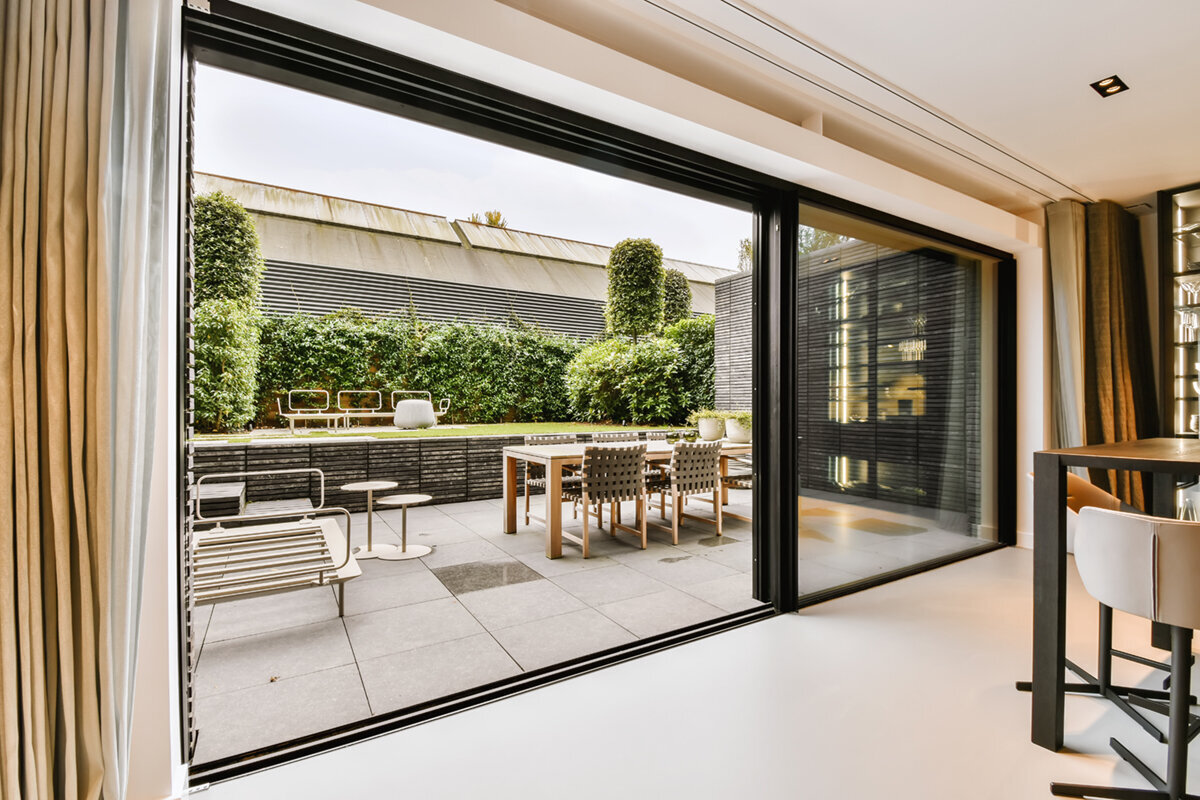
Patio door maintenance guide
A patio door that suddenly needs a hard push, scrapes the sill, rattles, or admits a draft is not automatically due for replacement. Begin with its opening operation and the scope of the problem. A sliding panel relies on a clean track, correctly supporting rollers, and alignment with the jamb. A swinging panel relies on hinges, latch alignment, clearance, and even contact with weatherstripping. Water near the threshold may point to blocked drainage, incomplete closure, a worn seal, or an issue around the installed frame. Separating the symptom from the component helps you choose among routine cleaning, a limited adjustment, replacement hardware, or professional inspection. The goal is not simply to make the door move today, but to identify why its operation changed without creating another problem.
Start by mapping the door’s movement
Open and close the door slowly in good light. With a sliding panel, determine whether resistance occurs at one location, throughout its travel, or only as it meets the jamb. A localized bump suggests inspecting that part of the track, while consistently heavy travel can involve debris, rollers, or alignment. With a hinged panel, watch the reveal, meaning the visible gap around the panel. Note where the gap narrows and where rubbing begins. Do not force the door through a hard stop; excessive force can damage hardware or turn a limited service issue into a more expensive repair.
Separate movement from locking. A panel may travel freely but need lifting or pushing before the latch engages, directing attention toward alignment or lock-side contact rather than the track alone. Conversely, it may latch normally after dragging through most of its travel. Record whether the change followed an impact, nearby work, heavy use, or no obvious event. Photograph the closed door, frame corners, threshold, and partly open panel before making changes. A baseline makes it easier to judge whether cleaning helped and gives a service professional a clearer description than “the door sticks.”
Clean sliding tracks without damaging them
Vacuum loose grit, leaves, pet hair, and insect debris from the full track, sill corners, and visible drainage openings. Loosen remaining dirt with a soft brush or cloth dampened with mild soap and water, then remove residue and dry the surface. Avoid knives, metal scrapers, and abrasive pads that could scratch a running surface or finish. Do not plug an opening with cloth, caulk, or lubricant when its function is uncertain. If debris returns quickly, inspect the outdoor approach for loose mulch, shedding mats, or other material being carried toward the threshold.
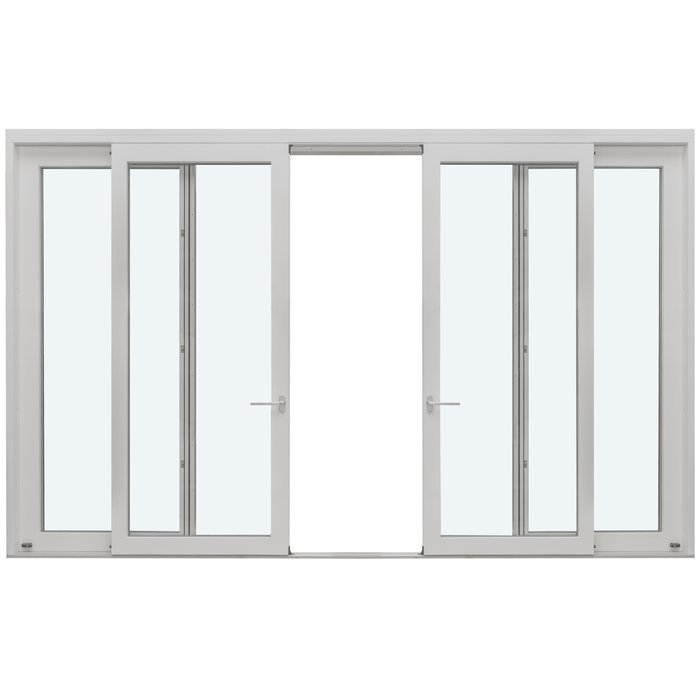
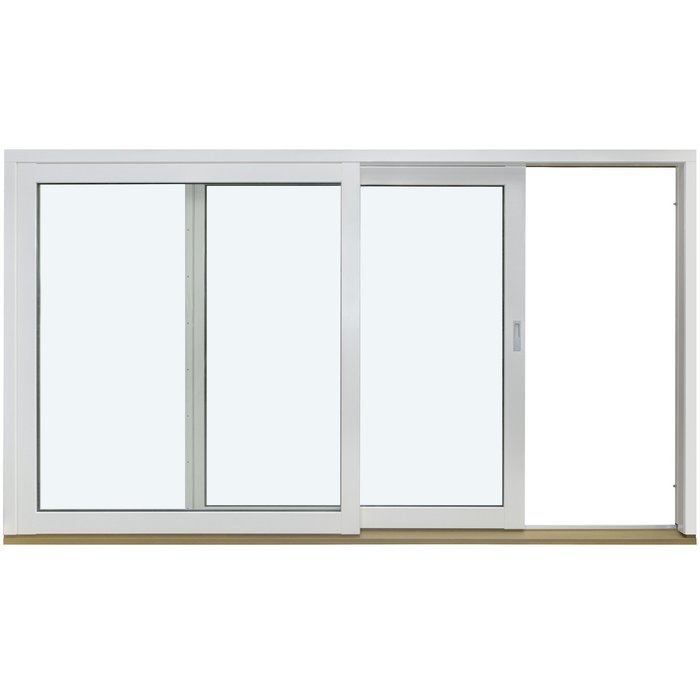
Track cleaning is part of routine care for a Patio Life sliding patio door and other side-to-side operating panels. Test the door before applying any spray product. A major improvement indicates that contamination contributed to the problem, although it does not prove the rollers are undamaged. If the panel still catches at the same point, look for a dent, raised edge, loose fastener, or other visible defect. Do not hammer or reshape the track as a trial repair. A smooth-looking track can still accompany a worn roller or an alignment problem, so cleaning is a diagnostic step rather than a guaranteed cure.
Evaluate roller behavior before adjusting it
Rollers support a sliding panel and guide its travel. Possible warning signs include grinding after the track is clean, a panel that feels unusually heavy, visible tilting, or a need to lift the handle side near closure. Observe from a safe position while another adult moves the panel gently. If one end rises, drops, or travels unevenly, the rollers or panel position may require service. Do not remove a large glazed panel alone. Its weight, balance, and breakable glass make panel removal a task for properly equipped people who understand the system.
Adjustment points, tools, and directions differ among sliding systems. Use instructions for the exact installed model rather than a generic sequence. If a documented adjustment is suitable, mark the starting position, make one small change, and test both travel and locking. Raising one side may stop sill contact but cause binding at the head or misalignment at the latch. If the response is unpredictable, return to the original setting when possible and stop. Damaged rollers, a distorted track, loose frame components, or a panel that will not remain aligned require appropriate parts and informed service, not repeated turns of an adjustment screw.
Treat lubrication as a product-specific decision
Lubricant does not replace cleaning. An unsuitable product can collect grit, leave sticky residue, or affect adjacent finishes and seals. Check the door manufacturer’s care instructions for approved products and application points. If lubrication is specified, use only the stated amount on the stated component, wipe away excess, and cycle the door to distribute it. Avoid coating the whole track as a reflex. A wet running surface can feel smoother briefly while attracting new contamination. Lubrication also cannot restore a cracked roller, bent hinge, damaged track, or deteriorated seal.
A Siegenia sliding door identifies a particular product line, but its title alone does not establish the installed hardware or maintenance method. Find the documents and component information for the actual door before applying cleaners, lubricant, sealant, or paint near moving parts. Previous service may also mean that the present hardware differs from the original order. When a contractor recommends lubrication, ask which component is causing the symptom, which product is compatible, and how the result will be tested. A component-specific explanation is more useful than a broad instruction to spray every moving area.
Trace water before replacing a seal
Water visible on an exterior-facing threshold does not identify its entry point by itself. Note whether moisture begins in the outdoor track, an interior channel, a frame corner, beneath the panel, or on finished flooring. Remove loose debris and check that visible drainage paths remain open. Outside, look for soil, leaves, snow, or a nearby surface that directs water toward the doorway. Do not flood the assembly with a hose as an uncontrolled test. Water can involve the panel, threshold, frame perimeter, wall interface, or site drainage, and indiscriminate testing can make the source harder to isolate.
Dry the area and monitor it during ordinary weather. Record wind direction, whether the panel was fully latched, and the first place moisture appeared. A wet seal may be receiving water retained elsewhere rather than being the original failure. Repeated interior water, staining, soft finishes, or moisture appearing away from the threshold deserves prompt assessment by a qualified professional. The inspection may need to include the surrounding opening instead of only the moving panel. Avoid adding caulk until the intended drainage paths and actual entry route are understood. Questions about project requirements should be checked with the relevant local authority and qualified project professional.
Judge weatherstripping by contact and condition
With the door open, inspect weatherstripping for tears, missing sections, hardened areas, paint buildup, flattened spots, and corners that have pulled free. Clean it gently with mild soap and water, without stretching it, and allow it to dry. Close and latch the panel, then look for places where the seal clearly does not meet its contact surface. Poor contact does not always mean the strip has failed. Roller, hinge, or latch alignment may be holding the panel away from an otherwise serviceable seal. Replacing weatherstripping without correcting alignment can reproduce the same gap immediately.
On a still day, move your hand around the closed perimeter or hold a light strip of tissue nearby, away from moving hardware and without using a flame. Compare several locations. Air near the latch may indicate incomplete closure, while a longer affected area can point toward panel position or seal condition. Do not bend latch parts or add thick adhesive foam as the first response; either change can obstruct closure and conceal the original issue. For replacement, identify the profile intended for the installed door. Approximate width alone does not establish that a weatherstripping shape will fit or compress correctly.
Inspect hinged patio doors in swing order
A hinged door does not use track rollers, so inspect its hinges, frame reveal, latch side, threshold, and swing path. Check for missing fasteners, visible hinge movement, and rubbing marks at the upper corner, sill, strike, or weatherstripping. A panel that becomes difficult only near the latch may have a closure or alignment problem rather than a hinge problem. Remove dirt around the threshold and hinges, but do not use an unfamiliar hinge adjustment to compensate for possible frame movement. Also rule out simple obstructions such as thick mats, furniture, leaves, or ice in the intended swing area.
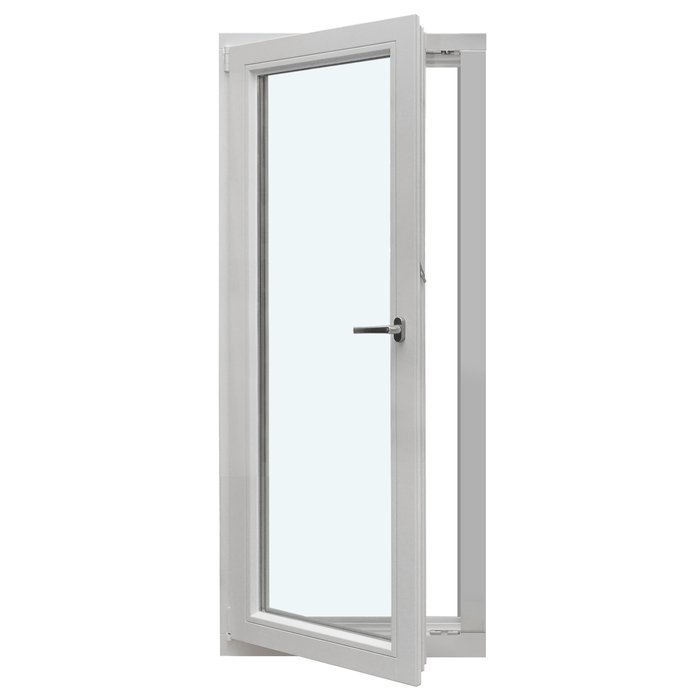
A single-panel outswing patio door requires clear exterior travel, while a single-panel inswing patio door needs interior clearance. Opening direction changes where you inspect for obstructions, but neither arrangement has one universal adjustment method. Test the latch while the panel rests in its normal position. If engagement requires lifting or pushing, document that before changing hardware. Hinge pins, screws, and adjustment mechanisms vary, and overtightening can damage their connections. Stop when the panel is difficult to support, the glass is damaged, a hinge area shifts, or the reveal changes quickly. Those conditions call for a qualified door professional.
Use latching behavior as a diagnostic clue
Close the panel gently until it reaches the latch. An exterior door should not depend on repeated slamming, lifting, or force beyond its normal handle action to secure it. After cleaning or a documented minor adjustment, test the entire operating sequence again. An apparent improvement in travel is not successful if the panel then misses the latch or loses even seal contact. A lock fault, strike misalignment, panel-position problem, and compressed seal can feel similar at the handle. Do not remove a security component, defeat the latch, or leave the exterior door incompletely secured while waiting for service.
With a two-panel inswing patio door, include the meeting area and panel sequence in the inspection. One panel may appear faulty when the other panel, its retaining hardware, or a meeting seal prevents proper closure. Operate the panels in their normal order and note which one moves first, where resistance begins, and whether both can be secured without force. Repeat the test after cleaning the threshold. This record helps a technician reproduce the problem and distinguishes coordinated hardware behavior from a defect isolated to one hinge or latch. Avoid adjusting both panels at once, because simultaneous changes make the result difficult to interpret.
Know when the whole opening needs review
Routine maintenance is a reasonable starting point when the frame appears stable, the symptom is tied to visible debris or a known moving component, and cleaning produces a consistent improvement. Broader inspection is more appropriate for recurring interior water, cracked glass, frame separation, a panel that will not remain positioned, rapidly changing gaps, or a sudden major change in operation. A patio door functions as a system that includes the panel, hardware, frame, threshold, adjacent finishes, and supporting opening. A qualified professional can determine whether service should address one replaceable component or a larger installation condition.
If replacement enters the discussion, begin with the desired opening operation rather than appearance alone. A sliding door is an alternative where side-to-side travel suits the layout. A two-panel outswing patio door is an alternative where exterior swing space is available. These product names establish configurations, not unlisted performance, glass, dimensions, or hardware. Ask the supplier and installer to confirm panel arrangement, handing, field dimensions, threshold, finish color, decorative bars if wanted, hardware, service access, and site compatibility. Work affecting the surrounding opening should be evaluated for applicable local requirements by the appropriate qualified professional and local authority.
Turn maintenance findings into order questions
Keep cleaning dates, photographs, products used, observed symptoms, adjustments, and installed replacement parts with the door records. Patterns such as recurring track contamination, latch trouble after adjustment, or water limited to a particular weather direction can help a technician narrow the inspection. Records also reduce the chance that household members will repeat work or use incompatible products. Save exact hardware information and product labels when available. If documentation is missing, photograph the full door, threshold, lock, hinges or roller access points, and identifying markings. Those details are generally more useful than a guess based on one visible component.
An outswing bifold door is another replacement alternative when multiple folding panels and outward travel suit the intended layout. It should be evaluated as its own operating system, not as an enlarged single swing door. Ask how panels are supported, which cleaning points are accessible, how the threshold is maintained, and where replacement hardware and care instructions will come from. Confirm field measurements and the condition of the opening before ordering. Bloomcabin states a 5-year warranty for windows and doors and delivery of 4–6 weeks subject to order confirmation. Confirm the order-specific warranty scope and schedule before coordinating removal, installation, or related finishing work.
Frequently asked questions
How often should I clean a patio door track?
Inspect it regularly and clean whenever grit, leaves, pet hair, or other debris appears. An opening exposed to landscaping material, windblown dust, or frequent traffic may need attention more often than a sheltered door. Cleaning before the panel drags helps separate routine contamination from a developing roller or alignment problem.
Can I adjust a sliding patio door myself?
Consider only a minor adjustment identified in the instructions for your exact door. Clean first, mark the original setting, make a small change, and test travel and locking. Stop if the panel is difficult to handle, the response is unpredictable, or the glass, track, rollers, frame, or adjustment point appears damaged.
Why does the door leak if the weatherstripping looks intact?
Intact weatherstripping does not rule out blocked drainage, incomplete latching, panel misalignment, poor seal contact, or an issue around the frame. Record where water first appears and under what conditions. Repeated interior moisture or affected finishes warrants professional assessment of the complete door opening, not only the visible seal.
Should I lubricate a track when the sliding door sticks?
Clean and retest the track first. Lubricant applied over dirt can retain abrasive grit, and different surfaces or hardware may require different products. Follow care instructions for the exact door, apply only an approved product at its specified location, use it sparingly, and remove excess rather than coating the entire track.
When does replacement make more sense than repair?
Discuss replacement when inspection finds damage or recurring failures that appropriate component service cannot resolve, or when you want a different opening configuration. First determine whether a roller, hinge, latch, seal, or other serviceable part is responsible. An informed assessment helps avoid replacing the entire assembly for a limited maintenance issue.
Next steps
Effective patio door care follows a clear sequence: observe, clean, retest, and adjust only when the exact hardware instructions support it. Sliding doors focus attention on tracks, rollers, and jamb alignment; hinged doors call for checks at hinges, the latch, threshold, and swing path. Persistent water, damaged glass, unstable hardware, or changing frame gaps should move the project from DIY maintenance to professional review. If replacement becomes appropriate, use the old door’s operating problem to ask better questions about configuration, threshold care, hardware access, installation scope, and future service. Predictable travel, full closure, and reliable sealing matter more than a quick temporary improvement.
