
How to Prevent Mold in a Garden House During Damp Weather
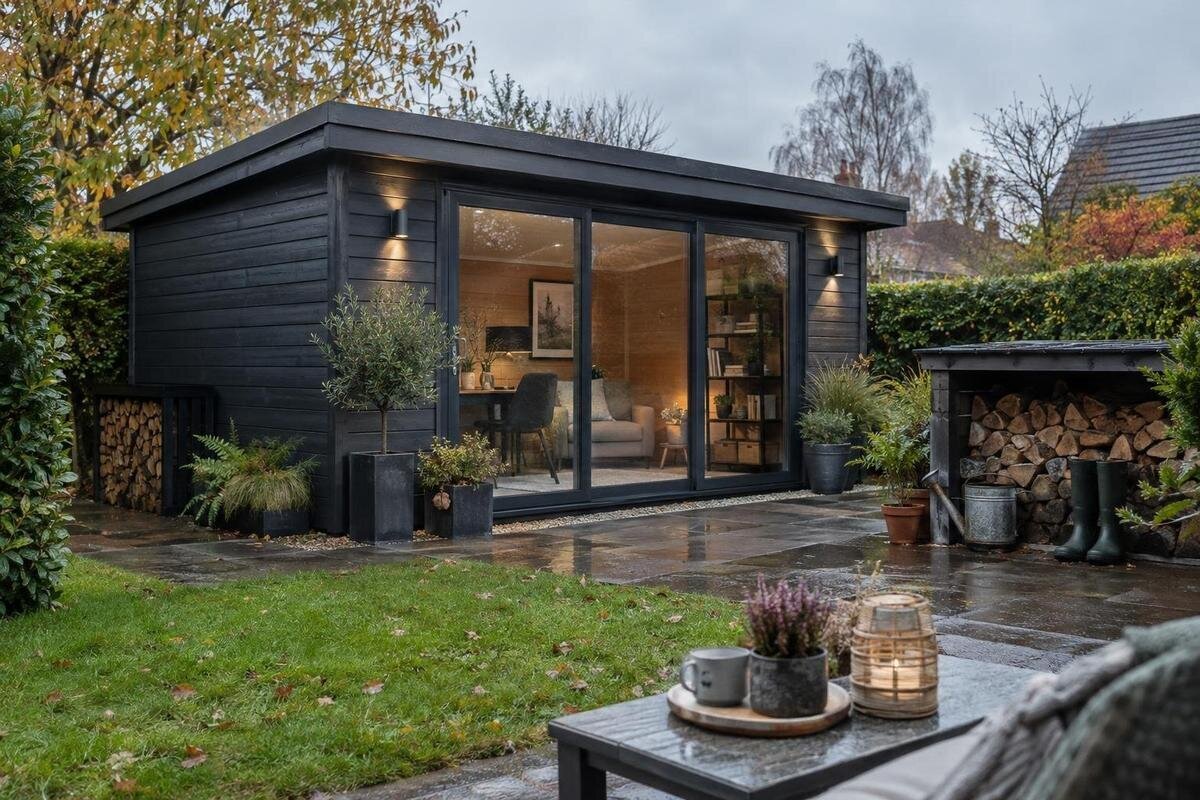
Garden house care
Prolonged rain and humid air can leave the ground and a garden house damp, but weather alone does not mean mold will appear. The risk rises when water repeatedly reaches the same surface, moisture cannot dry, or ventilation is restricted by storage and closed openings. Prevention combines site drainage, weather-aware airing, dry storage, and regular observation. Those habits also shape a sensible purchase: a garden house needs a location and layout you can inspect and maintain, not just enough room for its contents.

Before you order 1
Address water around the site first
Begin with the ground around the building. After rain, look for puddles, soft saturated patches, splash marks near the lower walls, and places where runoff collects. If water regularly reaches the base or cannot drain away, correct the site conditions before assembly; a fan or dehumidifier cannot stop water entering at the perimeter. Keep vegetation, mulch, and stored items from blocking access to the outside walls so you can see whether the area stays wet. For a slope, recurring standing water, or a drainage issue you cannot resolve confidently, ask a qualified site or building professional instead of improvising a base. Check both the intended footprint and the route water takes past it.
For a new garden house, choose its location before ordering and compare the manufacturer’s site-preparation, base, and clearance requirements with the actual yard. Think about where roof runoff will fall and whether you can reach the full perimeter for seasonal checks. When reviewing the Verdana 1 garden house, look for its own stated placement and base requirements; request clarification if a detail is missing. Consider how you will keep the area accessible if the location is near planting beds or a fence. A site that stays accessible and does not collect water makes later inspection practical. Avoid assuming the same preparation works for every model or lot.
Keep rainwater from reaching the structure
Rain can reach a garden house from above, from the side, or through a gap at a connection. During a wet spell, check the interior after rain for fresh drips, damp patches, swelling, or water tracks around openings. Outside, clear leaves and debris from water routes where those features exist, and make sure soil or mulch has not built up against the lower walls. A stain may be old rather than active leakage, so note whether it darkens or returns after rain. If dampness appears after a cool night with no rain, condensation may be more likely; a patch that follows rainfall near a joint or opening may point to water entry. Repair an identifiable exterior gap according to the maker’s instructions, or ask a qualified professional if the source is hidden or unclear.
Water management and surface care vary by garden house, so judge each candidate by its actual instructions, not a broad phrase such as weather-resistant. On the Verdana 2 garden house page, review the available assembly and maintenance guidance for water-shedding details, exterior treatment, and places that need inspection. Ask what is included, what must be applied separately, and how to maintain it if the instructions do not say. An incompatible coating can complicate upkeep, while a new finish will not fix water pooling around the building or entering through a leak. Keep notes on recurring wet areas so you can describe them clearly when seeking advice.
Before you order 2
Make room for air to circulate
Air movement gives damp surfaces a chance to dry, while crowded corners can stay wet unnoticed. Leave room around stored boxes, furniture, and equipment; keep wall corners visible and avoid covering damp surfaces with a tarp or tightly fitted cover. If the garden house has vents or windows, keep them unobstructed, but do not treat one opening as a complete ventilation plan. Air cannot circulate through a vent that is blocked indoors, and a door left open during wind-driven rain may admit water. Check that stored items do not press against walls or obstruct an opening you plan to use. Keeping the area below openings clear also makes it easier to see whether water is getting in.
Choose airing times with the weather in mind. Opening a door or window during a drier interval can exchange indoor air; in rainy or muggy conditions, an opening may bring moisture in or allow wind-driven rain to reach stored contents. You do not need to leave the building open all day: air it when conditions are favorable, then close openings before rain can enter. When comparing a design such as the Durano garden house listing, check which ventilation openings are actually included and how the maker expects them to be used. If the information is unclear, ask before ordering or arranging any changes.
Track humidity and condensation
Use a basic humidity meter as a trend tool, not as a pass-or-fail test. Place it where air circulates, away from a damp wall, direct sun, a heater, or a doorway, and record readings over several days. Use the same location each time so the results are easier to compare; readings in different corners can vary. A second reading near a suspect area can help show whether one zone stays wetter than the rest. Note the outdoor weather, whether the door was opened, and whether wet gear or potting materials were brought in. One universal percentage cannot tell you whether a particular material is dry or whether mold is absent, so combine readings with visual inspection.
Condensation can form where moist indoor air meets a cooler surface. Check window panes, wall corners, hardware, and the backs of objects after temperature swings; repeated beads or damp patches are more useful warning signs than a single brief episode. If monitoring or humidity-control equipment is part of your plan, confirm usable interior space and access. For the Veltor 1 garden house listing, compare any stated dimensions with the room you have in mind and ask whether measurements are interior or exterior if that is unclear. Do not assume a monitor or control unit is included.

Before you order 3
Keep wet belongings from adding indoor moisture
Everyday use can bring water inside even when the structure has no leak. Let wet boots, rain gear, damp cushions, and tools carrying wet soil drain or dry before storing them. Avoid turning the building into a drying room during a long rainy spell unless a suitable moisture-removal method is in place. If you use it for potting, clean up spills and empty standing water from trays; damp soil and wet containers can keep a small closed area humid. Separate items that arrive wet from dry stored goods, and avoid leaving wet cloth or cardboard in a corner overnight. These steps limit avoidable moisture without changing the building.
Plan storage so air and inspection access remain possible. Shelves or open bins can keep belongings visible; leave space around them instead of packing boxes tightly against walls or filling every corner. Before choosing a model, list what will be stored and how often you need to reach it. On the Orello 1 garden house information, check any published interior dimensions and layout details against that list; product images alone cannot establish usable storage space. Include room to move items for periodic checks, not just a place to set them down once. A practical layout also makes damp gear easier to isolate and dry.
Look for early signs of persistent dampness
Look for a developing pattern rather than waiting for a large patch. During damp weather, inspect the underside of shelves, the back of stored items, lower wall corners, door and window surrounds, and any place where condensation forms. Dark or fuzzy marks, a persistent musty odor, or a surface that repeatedly feels damp warrant closer attention, but discoloration alone does not identify its cause. Note the date, location, and whether the sign followed rain, temperature changes, or a spill. A photo taken from the same position later can show whether a mark is growing or returning and help a professional assess its history.
Do not let storage hide the perimeter: move items as needed to look behind them, and keep visible joints and openings reachable. A useful garden house layout allows you to inspect corners without emptying the whole room. When reviewing the Modano 1 garden house page, check what is stated about access and openings, and ask how routine inspection is intended if the available information is unclear. Images may not show every detail. Easy access does not prevent a leak, but it helps you notice moisture sooner and makes it easier to identify where a recurring mark begins.
Before you order 4
Maintain exterior surfaces and water routes
Routine exterior upkeep can keep water from sitting against the building. Trim nearby vegetation so it does not trap wet leaves against walls, and clear debris from drainage routes when they are safely accessible. If the garden house has gutters, downspouts, seals, or other water-management parts, inspect and maintain them according to its instructions. Watch for worn finish, open joints, and changes near the base, but do not apply paint or sealant just to hide a moisture mark. Find out why the area remains wet first; a surface coating will not correct poor runoff, a leak, or trapped indoor condensation. Recheck water routes after debris has accumulated or a wet spell changes the flow around the site.
Care for wood or other exterior materials must match the exact surface and finish; treatments and reapplication schedules are not interchangeable. Read the maker’s instructions before choosing a coating, and use only a compatible product as directed. For the Veltor 2 garden house information, look for model-specific care guidance and ask which surfaces need routine treatment if that is not stated. Plan access to every exposed side, including areas screened by plants or stored objects. If material is soft, badly discolored, or repeatedly wet, get advice before coating it, because paint can conceal a problem rather than solve it.
Consider extra humidity control only after finding the source
Natural airing may not be enough where the building is used often or wet contents arrive every day. Reduce those sources first and rule out a leak or pooling water. Then consider whether a dehumidifier or professionally planned mechanical ventilation fits the space and its intended use. Equipment must suit the actual interior conditions and be manageable throughout damp weather; for example, a unit that cannot be drained or maintained as directed may not help. Follow its manufacturer’s operating and placement directions. Do not improvise electrical installations or put equipment where it could get wet; use a qualified professional for electrical or building changes.
Check the garden house’s stated openings, usable space, and maintenance access against the control method you are considering. With the Veltor 3 garden house product details, confirm any ventilation or alteration information that is expressly provided, and ask about permitted changes before adding equipment. Do not assume an opening is adjustable, screened, or protected from rain unless that is documented. If planned use includes items sensitive to dampness, discuss that use before ordering so the space and care routine are realistic. A fan or dehumidifier can help manage moisture, but neither substitutes for keeping water out and drying wet contents.

Before you order 5
Respond to suspected mold without masking the cause
If you suspect mold, do not cover it with paint, shelving, or another stored item. First consider whether the area becomes wet after rain, develops condensation, or was affected by a spill; look at nearby surfaces and contents without disturbing a large or hidden area. If growth is recurring, widespread, associated with a leak, or present on material that stays damp, contact a qualified mold-remediation or building-moisture professional. The cause and extent may need assessment before any treatment. An odor alone cannot show how large a problem is, and a fresh coat of finish cannot remove moisture trapped behind a surface.
Choose any cleanup response for the specific material and the scope of the problem; a generic online recipe or a mix of cleaners is not a substitute for appropriate guidance. Avoid sealing damp material beneath paint or another finish, since the source remains. If you are unsure whether a mark is mold or how extensive it is, get qualified help rather than scraping or disturbing it. Keep a record of when signs appear and how they change. Prevention and remediation are different tasks: airflow and dry storage reduce recurring moisture, but established growth or water-damaged material may require a separate professional response.
Make a moisture plan before placing an order
Before placing an order, make a moisture plan for the actual site and the way you will use the garden house. Confirm where runoff will go, how you will reach the outside walls, which openings can be used in damp weather, and what finish or maintenance the manufacturer expects. Read the site-preparation and care documents, not just the name and images. If any missing detail affects suitability for your yard or storage plan, get a clear answer before committing. For a drainage or installation issue beyond your experience, ask a qualified professional rather than guessing from a general product description.
Once the garden house is in use, repeat a short check during prolonged rain and after bringing in wet equipment: look for water entry, condensation, blocked air paths, and damp contents. Address the cause rather than just drying the visible spot, and record marks that return. Follow the manufacturer’s instructions for repairs and finishes. You do not need to treat every rainy day as an emergency, but a surface that stays wet or the same patch that keeps appearing deserves attention. Choosing a building and layout you can inspect makes this care easier to maintain through a wet season.
Frequently asked questions
Does leaving the garden house door open prevent mold?
No. An open door can let in rain or humid outdoor air, and may not create useful airflow in hidden corners. Air the space during drier periods when you can keep rain out, and control other sources of moisture.
What early signs should I watch for?
Look for repeated condensation, surfaces that stay damp, new water tracks, dark or fuzzy spots, or a persistent musty odor. None of these signs alone confirms mold or its extent. Note where and when they appear, then investigate the moisture source.
Will a dehumidifier solve the problem?
It may help manage indoor moisture when suited to the space and used according to its instructions. It will not stop leaks, standing water, or wet items from adding moisture. Address those sources first, and seek qualified help if dampness keeps returning.
What should I check before buying a garden house for a damp location?
Compare site-preparation and base requirements, stated ventilation details, maintenance instructions, inspection access, and interior dimensions for your intended storage. Confirm details in the manufacturer’s information, and have recurring drainage issues assessed before ordering.
Can I paint over a mold spot?
No. Paint can hide a sign without correcting the moisture source. Find out why the area is damp, and get qualified help for recurring or extensive growth, hidden wet areas, or material you are unsure how to assess.
Preventing mold in a garden house is a moisture-control routine: keep runoff away, avoid bringing persistent damp indoors, give surfaces a chance to dry, and inspect hidden corners as carefully as open ones. During damp weather, pay attention to patterns rather than relying on one ventilation habit or humidity reading. If moisture or suspected growth keeps returning, identify the source and get qualified help before covering or treating the surface.
