
A Reading Room in a Garden House: Seating, Lighting and Comfort
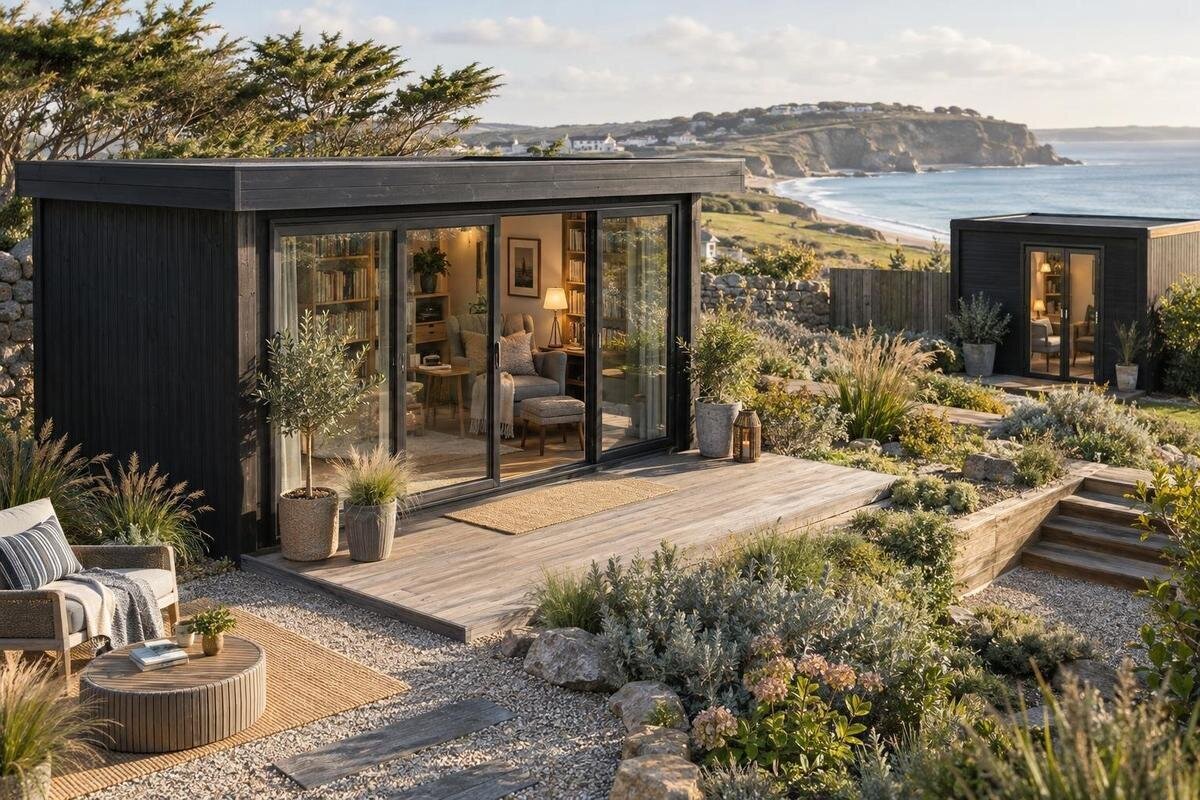
Garden house planning
A reading room in a garden house can be simple, but it needs to work as a room, not just look inviting in a photo. The choice affects where a chair fits, how daylight reaches the page, what kind of lamp you need, and whether the space feels comfortable during the months you intend to use it. Plan seating and circulation first, then compare garden houses by their stated interior dimensions, openings, included features, and setup requirements. That order keeps atmosphere in the plan without letting a pretty view obscure practical limits.
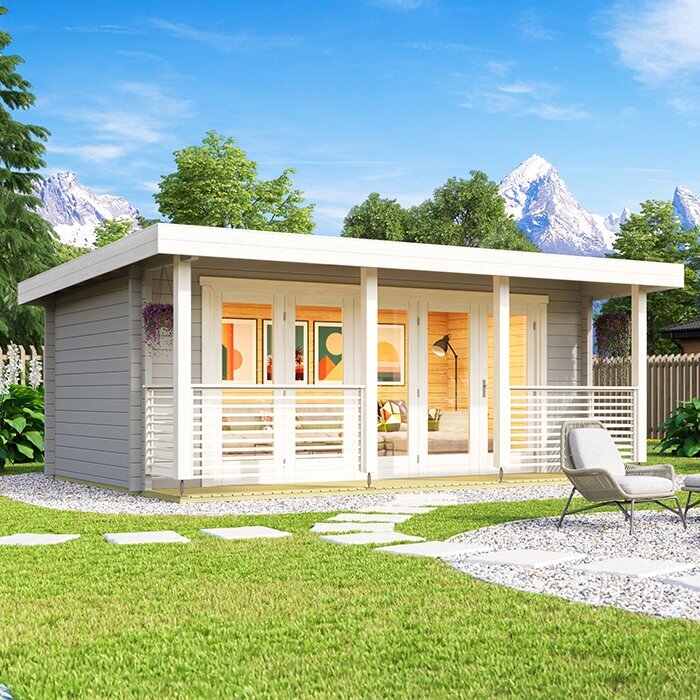
Decide when and how you will read
Before comparing buildings, write a short use brief: one reader or two, a quick break or a long chapter, daytime or evenings, and whether the room should stay dedicated to reading. Those answers shape whether a chair and side table are enough or whether you also want a second seat, a writing surface, book storage, or space for a footrest. Note how often each item will be used so occasional extras do not take over the floor. Furniture and a clear route, not the room’s label, determine what fits comfortably. If two people may read at once, plan both seats from the beginning. Also decide whether the room will hold a changing stack of library books, a permanent collection, or only one current read. That choice affects how much storage you need and how easy the room is to reset.
Map your expected season and routine, too. A few fair-weather afternoons have different requirements from daily reading after sunset or during cold months. Treat daylight, artificial lighting, indoor temperature, and ongoing care as parts of the building choice, not decorative decisions to postpone. When reviewing a candidate such as garden house Verdana 1, match its stated configuration to your written brief; don’t infer dimensions or intended use from its name or an image. The choice should work for the hours and months you expect to spend there, not only for a sunny product photograph.
Measure the usable interior before choosing furniture
Start with a scaled sketch based on the building’s stated interior dimensions, not just its exterior footprint. Add your chair, side table, footrest, bookcase, and any second seat at their actual widths and depths. Mark the entry, door-opening paths, windows, and any built-in features shown in the plan. Then draw a clear route from the entrance to the reading spot; a room can hold all the furniture on paper yet feel awkward if you have to sidestep it on every visit. If the chair reclines, include its full position in the drawing. You can also outline the layout at home with painter’s tape. This simple test helps reveal whether a table is reachable from the chair and whether someone can enter without disturbing a reader.
For a candidate such as garden house Verdana 2, check whether the listing distinguishes interior from exterior measurements. If it does not, ask for a dimensioned plan before making furniture decisions. Door and window locations matter as much as the overall footprint: a chair may fit but obstruct an opening, or a bookcase may interrupt the route. Use measurements for the precise model or variant you plan to order, not a similar-looking image or another version in the same family. Keep enough clear floor space to move around the furniture comfortably.
Choose a seat for your reading habits
Comfort is personal, so judge seating by the way you read rather than by appearance alone. An upright chair may suit shorter sessions or taking notes; a deeper, more relaxed chair may appeal to some readers but needs room in front of it. Consider how the seat feels in your usual position, whether the arms let you hold a book comfortably, and whether you prefer your feet on the floor or a footrest. If you already own a favorite chair, measure it and plan around it. If you are buying one, try it for more than a brief sit so you can notice whether you keep shifting.
Measure the whole sitting zone, not just the chair itself. Include space for your legs, a footstool, a table, and a lamp, and check that useful surfaces are within reach without making the entrance feel narrow. A compact side table may suit a smaller layout better than deep furniture, while a second seat changes both the floor plan and the room’s purpose. For Durano garden house, compare your drawing with the exact interior dimensions listed for that option; the model name does not tell you how much usable space it has. A paper plan can expose awkward gaps before you order furniture. It can also show whether a table will end up behind the chair or whether the preferred seat blocks access to a window or door.
Manage daylight and glare
Natural light is most useful when it reaches the reading seat at the hours you prefer. If possible, observe the proposed site at different times of day and note where trees, nearby buildings, or other obstructions cast shade. Sunlight changes with the season, so a spot that looks bright during one visit may feel different later in the year. Direct sun on a page or screen can also be distracting. Think about the view you want while seated, but weigh it against glare and the need for a comfortable place to read. Try to place the chair so daylight comes from the side rather than directly in front of or behind the reader. This can make pages easier to see while preserving a view outside.
Before settling on a layout, check the exact opening arrangement shown or specified for the building. For a candidate such as Veltor 1 garden house, look for clear information about the placement of windows and doors; don’t infer it from a product image. An opening that brings in useful daylight may also affect where a bookcase or chair can go. If privacy matters, consider whether you will want a window covering and whether there is enough space to use it without crowding the seating area.
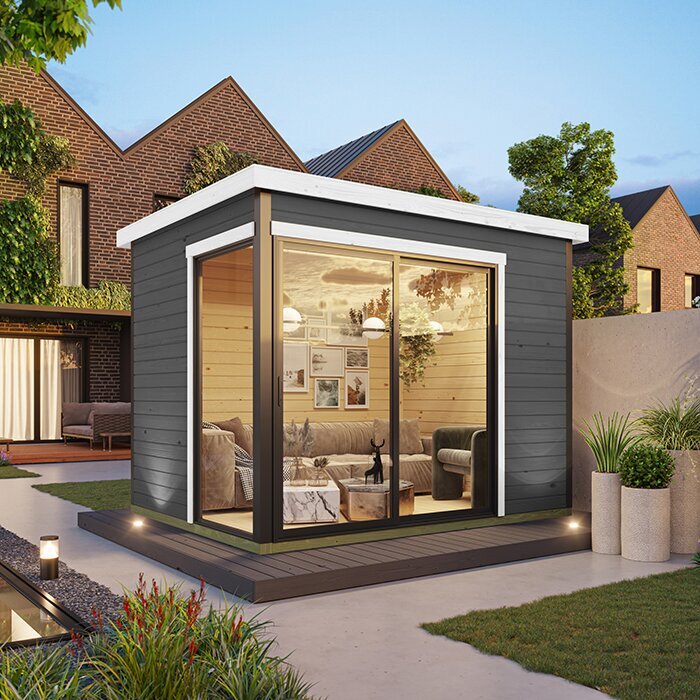
Plan task and ambient lighting together
A reading room usually needs more than one kind of light. Focused task lighting helps you see the page, while softer ambient lighting makes it easier to use the room without relying on a bright lamp aimed at one spot. Choose a lamp that can be positioned for your reading habits, and check that it does not shine into your eyes or cast a distracting shadow across a book. If you switch between printed books, a screen, and writing, consider how each activity changes where the light should fall. A separate low-level light near the entrance can also make it easier to arrive or leave without immediately turning on the reading lamp.
Decide how the lights will be powered before ordering the building. A rechargeable lamp may suit some plans, while fixed or plug-in lighting depends on power availability and what is feasible for the structure and site. Do not assume that a photo or product name shows electrical service or installed fixtures. When considering Orello garden house, check the exact listing for relevant stated inclusions and ask about anything unclear. Have a qualified electrician assess any electrical work; this article does not provide installation instructions.
Check seasonal comfort before you order
A garden house is not automatically a conditioned room. How it feels depends on the specific construction, openings, site exposure, local weather, and any heating or cooling arrangements. If you plan to read there in very warm or cold seasons, find out what the product information actually says about the building’s components and intended use. Consider temperature and moisture separately: a room that seems suitable during mild weather may need a different plan during a damp or cold period. Think about when you are most likely to use the room, rather than treating year-round use as an automatic goal. A reading room used only in mild weather may call for a simpler furnishing plan than one expected to be comfortable every week.
For a candidate such as Modano garden house, look for explicit information about relevant construction details, glazing, insulation, ventilation, and maintenance. If a point that matters to your plans is not stated, ask the seller or manufacturer rather than guessing from the appearance. A portable heater or a lamp does not by itself establish that the space is suitable for regular seasonal use. For heating, cooling, or other building changes, consult a qualified professional about what is feasible for the exact structure and site.
Keep books, storage, and soft furnishings manageable
Give books and everyday items a defined place without turning the reading room into a storage shed. A small shelf or a few accessible compartments may be enough for current reading, notes, and a lamp; larger collections can consume floor area quickly. Keep frequently used items within reach of the chair, and avoid placing storage where it blocks a door or the main route. If conditions in the building may change with the seasons, plan how books and textiles will be stored or moved rather than assuming they can stay there year-round. A lidded basket can keep a blanket or current magazines close at hand without adding another large piece of furniture. Leave some open space so the room continues to feel calm when reading materials accumulate.
Soft furnishings can make a seat feel more inviting and help distinguish the reading area from the rest of the room. Choose cushions, a throw, or a small rug in a way that still leaves the floor easy to clean and the route clear. Check the exact order details for what is included: when reviewing Veltor 2 garden house, don’t assume a visible floor finish, shelf, or other interior item comes with the building unless it is stated. Keep the interior simple enough to adjust if your furniture or reading habits change.
Plan site access, setup, and delivery
A well-planned interior still depends on whether the building can be brought to the site and set up as intended. Check the proposed location, the route to it, and any gates or other narrow points against the product’s stated dimensions and delivery information. Confirm what space will be needed for assembly, and whether access to the site could be affected by existing landscaping or other structures. Do not assume that unloading, assembly, or site preparation is included in an order; ask which responsibilities belong to you and which are covered by the seller. Consider when large furniture will arrive as well, since the same path must allow a chair, shelving, and other planned pieces to reach the finished room.
Before placing an order for a specific option such as Veltor 3 garden house, match the exact model and variant to the information you used for planning. Review what components are included, what base or foundation requirements are stated, and whether the assembly guidance fits your site. Ask the manufacturer or a qualified installer about site suitability when conditions are uncertain; do not rely on a general product description for technical decisions. Check any applicable local requirements with the relevant authority or a qualified professional.
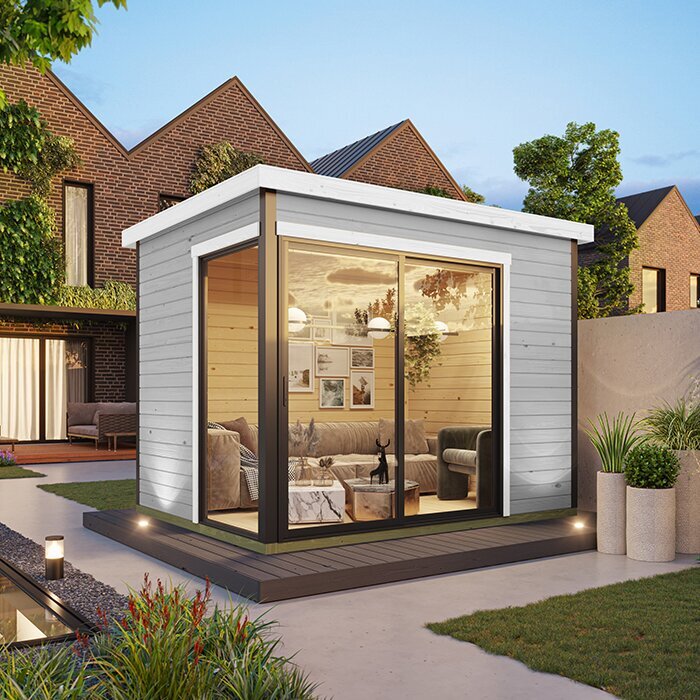
Choose a quiet, private spot and plan upkeep
A garden setting can feel peaceful without guaranteeing privacy or silence. Consider what you will see from the chair and what you may hear from nearby paths, household activity, roads, or neighboring properties. If you want to read undisturbed, think about the route between the house and the garden house as well as the placement of windows and seating. Window coverings may help with privacy, but they can change the amount of daylight, so include that trade-off in your layout rather than treating it as an afterthought. Sit or stand at the proposed location before committing to a layout, especially if there are regular activities nearby at the times you expect to read.
Plan for ordinary care as well as the first attractive arrangement. Choose furnishings and storage that are easy to clean and move, and follow the manufacturer’s care guidance for the building and its finishes. Keep the floor clear enough for routine cleaning and make it easy to carry books or textiles indoors if conditions call for it. Cushions and rugs can soften the room, but they are not substitutes for appropriate building features or a plan for seasonal comfort. A simple, maintainable setup is more likely to stay useful than a crowded display.
Compare the details before placing an order
Compare each candidate using the same practical points: usable interior dimensions, door and window arrangement, stated seasonal-use information, power details, included components, and the assembly and site-preparation requirements. Keep confirmed information separate from questions that remain unanswered. That makes it easier to see whether a low-cost furniture plan genuinely fits, whether you need to revise the layout, or whether the building’s stated features do not match your intended use. A list of concrete details is more helpful than comparing product photographs alone. Recording these points in one comparison sheet also makes it easier to spot when two options appear similar but provide different information relevant to your plan.
Before ordering, reread the exact product information and any written answers to your questions, then check that your furniture plan still works with the confirmed measurements. Make sure you understand delivery and assembly responsibilities without assuming they are included, and seek qualified guidance for site or technical questions. If a key point about comfort, access, or setup remains unclear, resolve it before committing. The aim is not to fill every corner, but to choose a garden house that supports the reading routine you actually want.
Frequently asked questions
Can any garden house work as a year-round reading room?
Not necessarily. Comfort depends on the specific building, the site, local weather, and any heating, cooling, ventilation, or power arrangements. Check the exact model’s stated details and ask qualified professionals what would be needed for your intended use. Don’t assume a garden house is insulated or conditioned because it looks finished in a photo.
How much floor space do I need for a reading chair?
There is no single minimum that suits every chair and room. Measure the chair, including its position when reclined, then add any footrest, side table, and a clear route through the room. Compare that plan with the garden house’s usable interior dimensions, not only its outside measurements.
Is daylight enough for a garden house reading room?
It may suit daytime reading, but your needs depend on when you use the room and how much natural light reaches the chosen seat. If you read in the evening, plan for artificial light too. An adjustable task light and comfortable ambient lighting can serve different needs; check what power options are feasible for the specific building.
Can I add electrical lighting after purchase?
Possibly, but feasibility depends on the structure, site, and available power. Ask what the exact product configuration includes, then have a qualified electrician assess any electrical work. A rechargeable lamp may be an option where appropriate, but it does not answer questions about power for other planned uses.
What should I confirm before ordering?
Confirm the exact model and variant, usable interior dimensions, door and window arrangement, included components, assembly responsibilities, and site-preparation requirements. Ask about any details that are missing from the product information. Also check relevant local requirements with the appropriate authority or a qualified professional rather than relying on assumptions about the building.
A comfortable reading room starts with a seat that suits your habits, enough measured space to use it easily, and lighting that works both in daylight and after dusk. The garden house itself must also suit the seasons and site conditions you have in mind. When you compare specific dimensions, openings, inclusions, and setup requirements against a real furniture plan, you can decide whether the space will support a quiet reading routine without becoming crowded or difficult to maintain.
